Every day, countless Australians struggle with the same weight management challenge: finding meals that are genuinely satisfying, nutritionally complete, and support long-term health goals without feeling restrictive. With 67% of Australian adults classified as overweight or obese according to the Australian Institute of Health and Welfare, the need for practical, sustainable dietary solutions has never been more pressing. The question isn’t whether you should eat healthier—it’s how to make nutritious eating both enjoyable and maintainable for the long term.
Salads represent far more than bland diet food. When properly constructed with evidence-based nutritional principles, they become powerful tools for sustainable weight management. Research published in Appetite demonstrates that consuming a properly structured salad before main meals can reduce total energy intake by 11% whilst increasing vegetable consumption by 23%. The science is clear: salads work not through deprivation, but through intelligent nutrition that naturally regulates appetite and supports metabolic health.
This comprehensive guide presents 10 tasty salad recipes specifically designed for sustainable weight management, grounded in peer-reviewed research and aligned with National Health and Medical Research Council (NHMRC) clinical practice guidelines. Each recipe delivers the optimal combination of protein, fibre, and essential nutrients that Australian healthcare professionals recognise as critical for long-term weight maintenance success.
What Makes Salads Effective for Sustainable Weight Management?
The effectiveness of salads for weight management extends far beyond their reputation as “diet food.” Multiple physiological mechanisms explain why properly constructed salads support sustainable weight outcomes.
High Volume, Low Energy Density
Research from Penn State University reveals that leafy greens provide exceptional volume whilst contributing minimal calories—spinach contains just 7 calories per cup, whilst lettuce provides only 5 calories. This concept of energy density proves critical: foods with high water content (up to 95% in lettuce) signal fullness to the brain without contributing significant calories. When you consume 2-3 cups of leafy greens, you’re adding substantial meal volume for approximately 15-25 calories total.
Fibre and Satiety Mechanisms
Dietary fibre promotes satiety through four distinct mechanisms validated by NIH research. Mechanically, fibre increases chewing requirements, stimulating saliva and gastric juice secretion. Hormonally, fibre increases cholecystokinin (CCK) in the small intestine, directly signalling fullness to the brain. Digestively, fibre slows gastric emptying, prolonging meal satisfaction for 3+ hours. Finally, fibre stabilises blood glucose levels, preventing the hunger spikes associated with refined carbohydrates.
Australian dietary guidelines recommend 25-30g of fibre daily for women and 38g for men. Unfortunately, most Australians consume only 15g daily, creating a significant gap that well-constructed salads can help address.
Protein’s Role in Appetite Regulation
Protein triggers the release of satiety hormones including Peptide YY (PYY) and Glucagon-like peptide-1 (GLP-1) whilst suppressing ghrelin, commonly known as the “hunger hormone.” Research published in the American Journal of Clinical Nutrition demonstrates that consuming at least 30g of protein per meal creates measurable increases in fullness lasting several hours.
Protein also increases the thermic effect of food (TEF)—the energy required to digest, absorb, and process nutrients. Protein requires significantly more energy to metabolise than fats or carbohydrates, contributing to overall energy expenditure.
How Should You Structure Salads for Maximum Weight Management Benefits?
Creating salads that truly support sustainable weight management requires understanding the optimal component balance. The NHMRC recommends multicomponent approaches to weight management, including reduced energy intake creating a 500-750 kcal daily deficit, combined with increased nutrient density.
The Five-Component Framework
Each weight management salad should include five essential components:
- Base (2-3 cups): Dark leafy greens provide micronutrients with minimal calories. Spinach, kale, arugula, and romaine lettuce offer different nutrient profiles. Combining varieties—such as 1 cup spinach with 1 cup mixed greens—maximises micronutrient diversity whilst maintaining the low-calorie foundation.
- Vegetables (3-4 cups): Prioritise colour variety and high-fibre options. Brussels sprouts, broccoli, and cauliflower each provide approximately 2-3g of fibre per cup. Include raw vegetables for enzyme preservation and various colours to ensure diverse phytonutrient intake. Red bell peppers, orange carrots, white cauliflower, and purple cabbage create nutritional synergy.
- Protein (15-30g per serving): This component proves critical for satiety. Research confirms that meals containing 30g or more of protein significantly reduce subsequent food intake. Options include 100g grilled chicken breast (32g protein), canned tuna (23.6g/100g), or plant-based alternatives like cooked lentils (18g per cup).
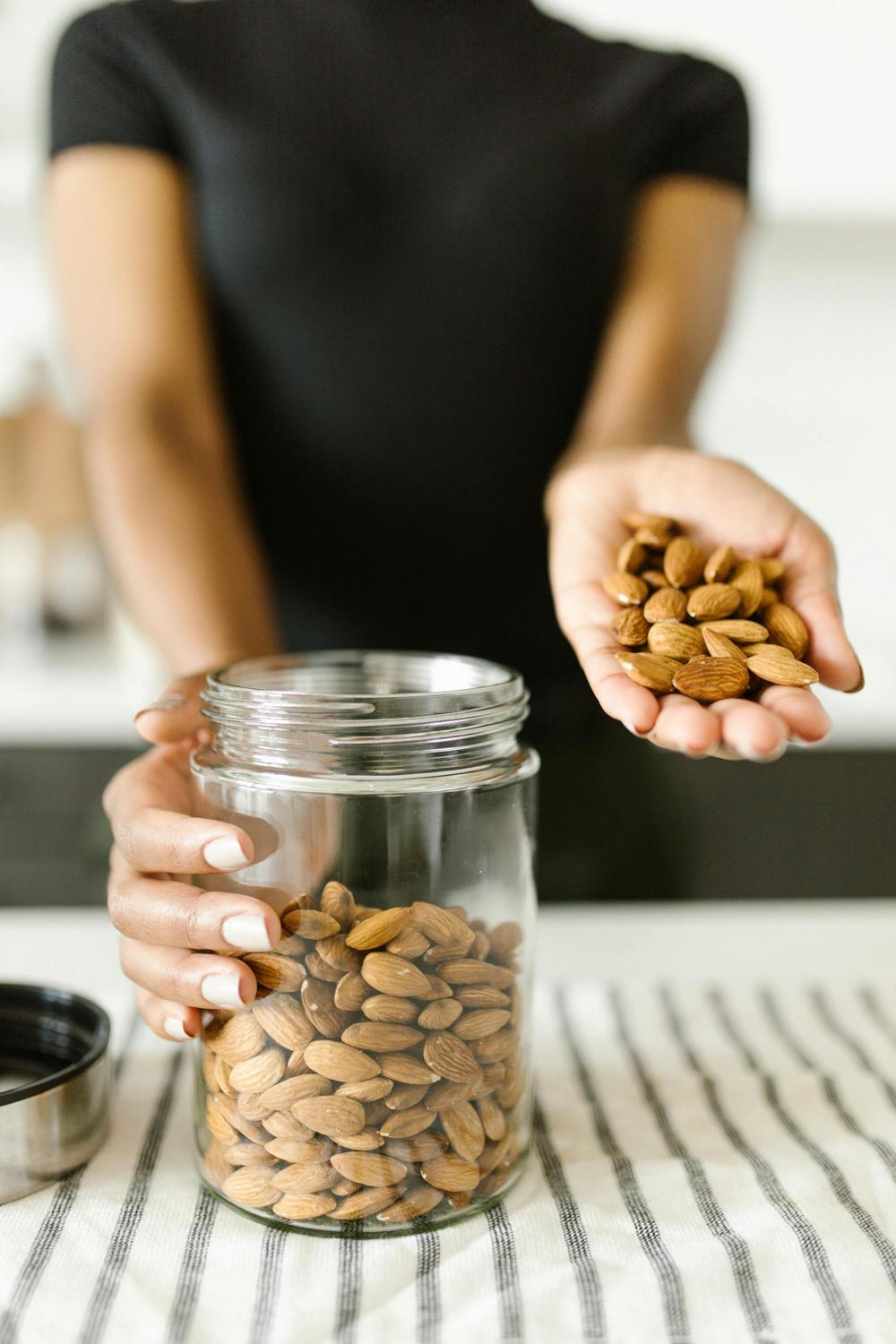
- Healthy Fats (1 serving): Essential for absorbing fat-soluble vitamins (A, D, E, K) and supporting hormonal health. Options include half an avocado, 1 tablespoon extra virgin olive oil, or 1 ounce (approximately 23) almonds. Never skip this component—research demonstrates that fat enhances nutrient absorption and contributes to meal satisfaction.
- Dressing (1-2 tablespoons): Portion control matters significantly here. Restaurant portions typically provide 3-4 tablespoons (180-240 calories), whilst optimal portions range from 1-2 tablespoons (60-120 calories). Homemade vinaigrettes using a 3:1 ratio of extra virgin olive oil to acid (balsamic vinegar, lemon juice, or apple cider vinegar) provide both flavour and health benefits.
This framework creates meals of 350-500 calories with high volume (6-8 cups total), balanced macronutrients, and sufficient fibre (5-10g) and protein (15-30g) to maintain satiety for several hours.
What Are the 10 Most Effective Salad Recipes for Weight Management?
These ten recipes represent different flavour profiles and nutritional strategies, each designed using evidence-based principles for sustainable weight management.
Recipe 1: Mediterranean Powerhouse Salad
This recipe aligns with Mediterranean dietary patterns, which demonstrate the strongest research support for long-term weight management and cardiovascular health.
- Base: 2 cups mixed greens + 1 cup baby spinach
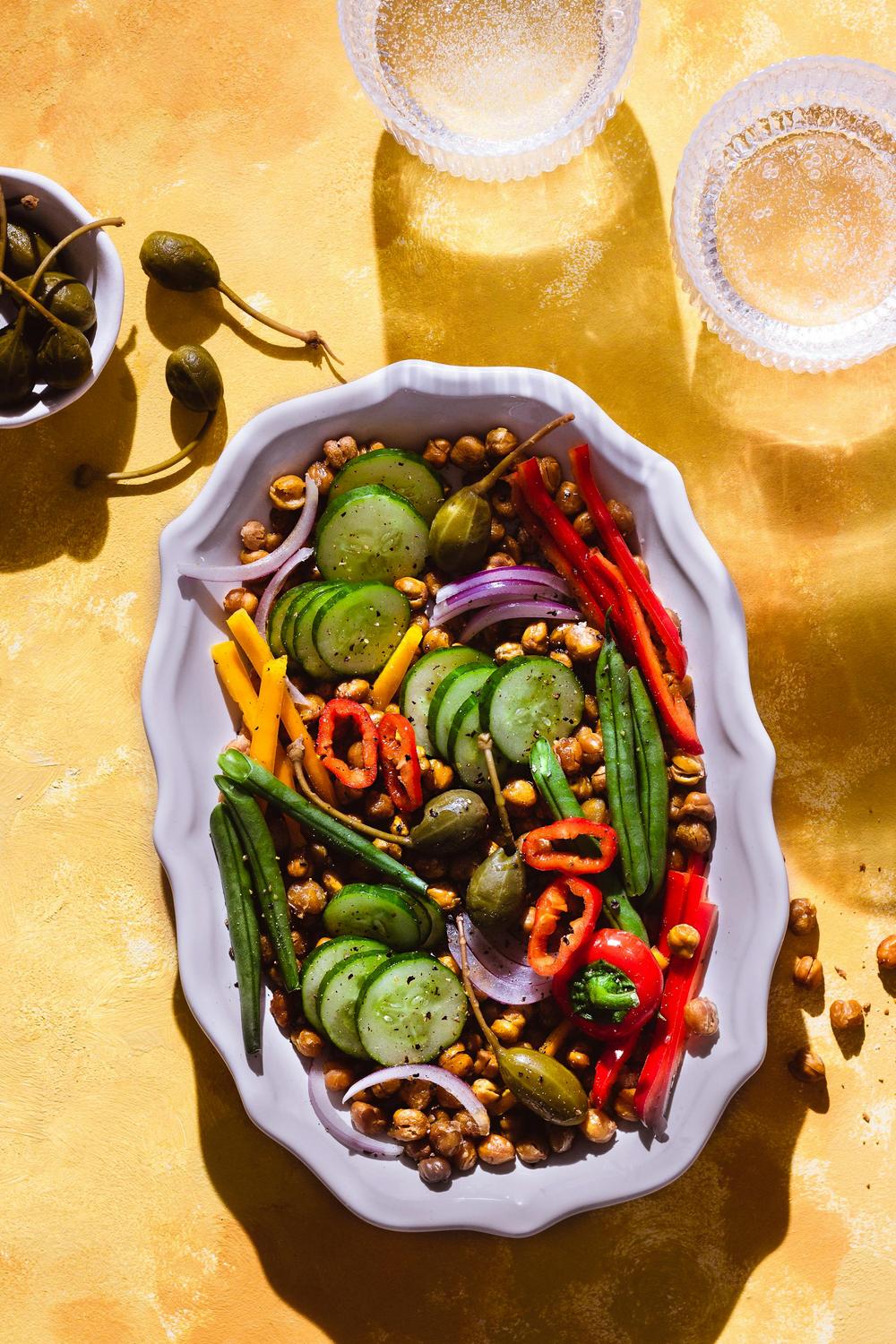
- Vegetables: 1 cup cherry tomatoes (halved), 1 cup cucumber (diced), ½ cup red onion (sliced), ¼ cup Kalamata olives
- Protein: 100g grilled chicken breast + ½ cup chickpeas
- Fat: 2 tablespoons crumbled feta cheese
- Dressing: 1 tablespoon extra virgin olive oil with lemon juice, oregano, and garlic
Nutrition: ~420 calories, 38g protein, 9g fibre
Recipe 2: Asian-Inspired Ginger-Sesame Salad
Cabbage provides exceptional vitamin C content and glucosinolates with anti-cancer properties.
- Base: 2 cups Napa cabbage (shredded) + 1 cup mixed greens
- Vegetables: 1 cup shredded carrots, ½ cup red bell pepper (julienned), ½ cup cucumber (ribbons), ¼ cup edamame (shelled)
- Protein: 120g cooked shrimp + ½ cup edamame
- Fat: 1 tablespoon sesame seeds + 1 tablespoon slivered almonds
- Dressing: Ginger-sesame vinaigrette (1 tablespoon sesame oil, rice vinegar, fresh ginger, low-sodium tamari)
Nutrition: ~385 calories, 35g protein, 8g fibre
Recipe 3: Protein-Packed Quinoa Garden Salad
Combining whole grains with legumes creates complementary proteins whilst delivering substantial fibre.
- Base: 1 cup cooked quinoa + 1 cup arugula
- Vegetables: 1 cup roasted bell peppers, ½ cup cherry tomatoes, ½ cup cucumber, ¼ cup red onion
- Protein: ¾ cup black beans + 60g grilled chicken strips
- Fat: ½ avocado (sliced)
- Dressing: Lime-cilantro vinaigrette (1 tablespoon olive oil, fresh lime juice, cilantro, cumin)
Nutrition: ~465 calories, 32g protein, 14g fibre
Recipe 4: Roasted Vegetable and Lentil Salad
Roasting increases bioavailability of certain nutrients, particularly lycopene and beta-carotene.
- Base: 1 cup cooked green lentils + 1 cup baby spinach
- Vegetables: 1 cup roasted broccoli, ¾ cup roasted cauliflower, ½ cup roasted beets, ½ cup roasted Brussels sprouts
- Protein: Lentils (18g) + 2 tablespoons pumpkin seeds
- Fat: 1 tablespoon tahini in dressing
- Dressing: Tahini-lemon dressing (1 tablespoon tahini, lemon juice, garlic, water to thin)
Nutrition: ~440 calories, 24g protein, 18g fibre
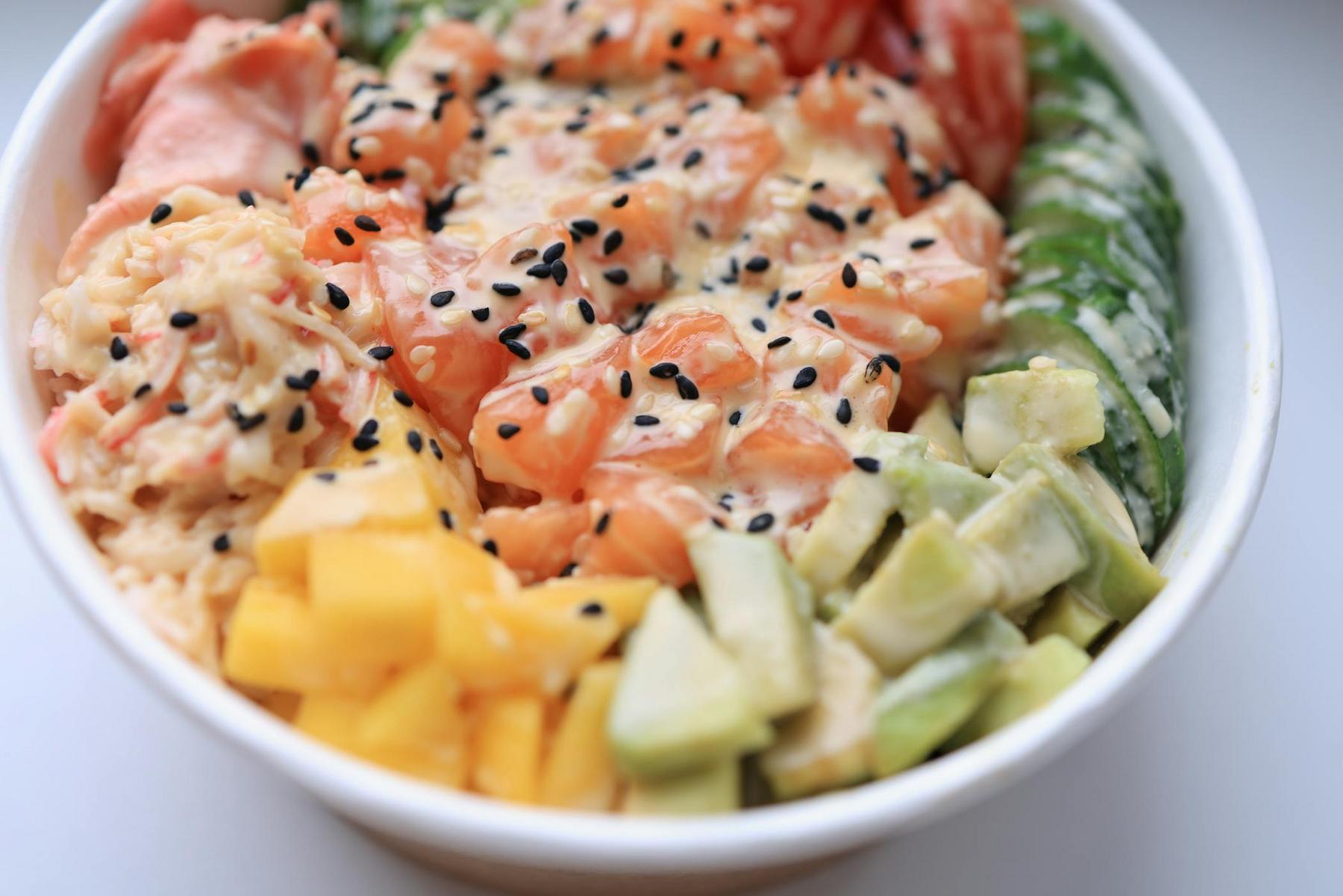
Recipe 5: Omega-3 Rich Salmon Salad
Salmon provides exceptional omega-3 fatty acids (EPA/DHA) supporting cardiovascular health.
- Base: 2 cups mixed dark greens (kale and spinach blend)
- Vegetables: 1 cup cherry tomatoes, ½ cup cucumber, ½ cup shredded carrots, ½ cup broccoli florets
- Protein: 100g grilled or baked salmon + ¼ cup cannellini beans
- Fat: 6 walnut halves (chopped)
- Dressing: Balsamic vinaigrette (1 tablespoon olive oil, balsamic vinegar, Dijon mustard)
Nutrition: ~455 calories, 34g protein, 9g fibre
Recipe 6: Plant-Based Tempeh Power Salad
Tempeh provides complete protein with fermented soy benefits for gut health.
- Base: 2 cups arugula + 1 cup shredded red cabbage
- Vegetables: 1 cup roasted sweet potato cubes, ½ cup steamed broccoli, ½ cup bell peppers
- Protein: 120g tempeh (marinated and pan-seared)
- Fat: 2 tablespoons hemp seeds + ½ avocado
- Dressing: Miso-ginger dressing (1 teaspoon white miso, rice vinegar, ginger, 1 tablespoon olive oil)
Nutrition: ~480 calories, 28g protein, 12g fibre
Recipe 7: Greek-Inspired Egg and Bean Salad
Eggs provide choline for cognitive health and complete amino acids.
- Base: 2 cups romaine lettuce + 1 cup baby spinach
- Vegetables: 1 cup cucumber, ¾ cup cherry tomatoes, ½ cup roasted red peppers, ¼ cup red onion
- Protein: 2 hard-boiled eggs + ¾ cup white beans
- Fat: 10 Kalamata olives + 1 tablespoon extra virgin olive oil
- Dressing: Lemon-herb vinaigrette (lemon juice, olive oil, oregano, basil)
Nutrition: ~395 calories, 26g protein, 12g fibre
Recipe 8: Tuna Nicoise-Style Salad
Combining canned tuna with beans creates an affordable, protein-rich option.
- Base: 2 cups mixed greens
- Vegetables: 1 cup green beans (blanched), ½ cup cherry tomatoes, ½ cup cucumber, ¼ cup red onion
- Protein: 100g canned tuna (in spring water, drained) + 2 hard-boiled eggs (halved)
- Fat: 8-10 olives
- Dressing: Dijon vinaigrette (1 tablespoon olive oil, red wine vinegar, Dijon mustard)
Nutrition: ~370 calories, 42g protein, 7g fibre
Recipe 9: Autumn Harvest Salad with Chicken
Seasonal vegetables provide peak nutrient content and natural flavour.
- Base: 2 cups mixed greens + 1 cup arugula
- Vegetables: 1 cup roasted pumpkin cubes, ½ cup roasted Brussels sprouts, ½ cup shredded purple cabbage
- Protein: 100g grilled chicken breast
- Fat: 1 tablespoon pepitas (pumpkin seeds) + ½ avocado
- Dressing: Apple cider vinaigrette (1 tablespoon olive oil, apple cider vinegar, Dijon mustard)
Nutrition: ~430 calories, 36g protein, 10g fibre
Recipe 10: Superfood Antioxidant Salad
Maximises polyphenol and antioxidant content through strategic ingredient selection.
- Base: 2 cups baby kale + 1 cup spinach
- Vegetables: ½ cup cherry tomatoes, ½ cup roasted beets, ½ cup broccoli, ½ cup shredded purple cabbage, ½ cup shredded carrots
- Protein: 100g grilled chicken or 150g firm tofu (cubed)
- Fat: 1 tablespoon sunflower seeds + 1 tablespoon chia seeds + ¼ avocado
- Dressing: Blueberry-balsamic vinaigrette (1 tablespoon olive oil, balsamic vinegar, crushed blueberries)
Nutrition: ~410 calories, 32g protein, 13g fibre
Why Do Traditional Weight Loss Approaches Often Fail Long-Term?
Understanding why conventional approaches fail illuminates why salad-based strategies succeed when properly implemented.
Research demonstrates that 50% of lost weight returns within two years, and 80% within five years without ongoing intervention. This phenomenon, known as weight recirculation, results from multiple factors including metabolic adaptation, behavioural drift, and lack of sustainable dietary patterns.
Metabolic Adaptation and Realistic Expectations
The NHMRC recommends targeting 5-10% initial body weight reduction as clinically meaningful. This modest goal creates substantial health improvements—reducing diabetes risk by 58% in high-risk individuals, improving cardiovascular markers, and decreasing inflammation—without triggering significant metabolic adaptation.
Rapid weight loss (exceeding 1kg weekly) triggers metabolic compensation mechanisms. The body reduces resting metabolic rate, increases hunger hormones, and decreases satiety signals. These adaptations create the “rebound effect” where individuals regain weight rapidly after restriction ends.
The Importance of ongoing professional support
The NHMRC and Mayo Clinic emphasise that ongoing professional support significantly increases maintenance success compared with one-time interventions. Monthly consultations with healthcare professionals—including AHPRA-registered doctors, clinical dietitians, and health coaches—provide accountability, behavioural support, and treatment adjustments as needed.
Sustainable Dietary Patterns
Dietary patterns matter more than single foods. Mediterranean dietary patterns—emphasising vegetables, legumes, whole grains, lean proteins, and healthy fats—demonstrate the strongest research support for long-term weight management. Salads naturally align with these patterns when properly constructed.
The Australian National Obesity Strategy (2022-2032) emphasises prevention through dietary pattern change and plant-forward eating. This strategy targets halting obesity increases and achieving a 5% reversal by 2030 through sustainable nutritional changes rather than restrictive dieting.
How Can You Successfully Implement Salad-Based Weight Management?
Implementation success requires practical strategies addressing common barriers including time constraints, meal planning challenges, and dining circumstances.
Weekly Meal Preparation Strategy
Research shows meal planning and preparation increase dietary adherence by 30-50%. Dedicate 30 minutes weekly to foundational preparation:
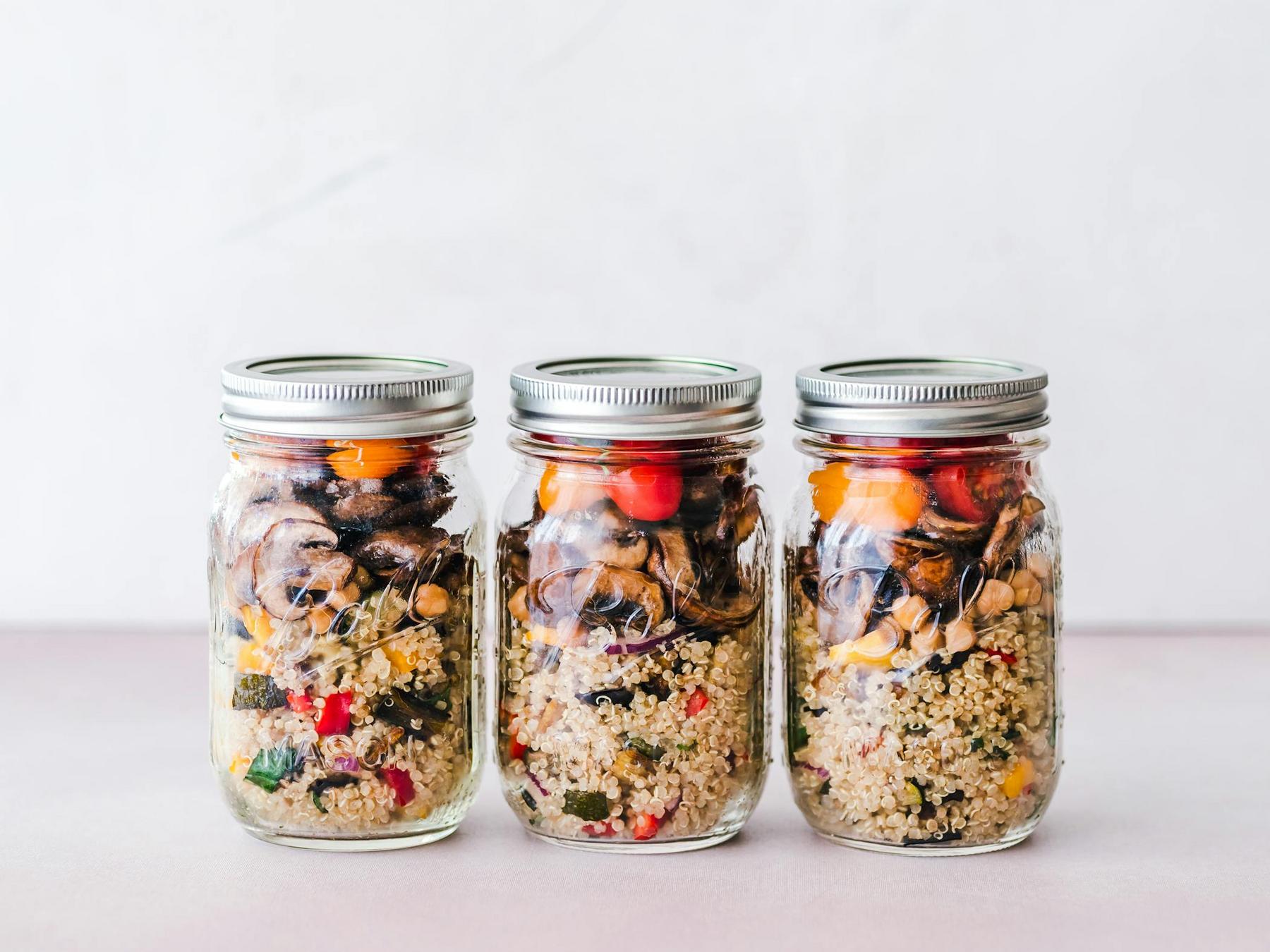
- Wash and chop 4-5 vegetable varieties, storing separately in glass containers
- Cook 1-2 protein sources (grill chicken breasts, boil lentils, hard-boil eggs)
- Prepare whole grains if using (quinoa, farro, barley)
- Mix dressing components in jars (keeps 5-7 days refrigerated)
- Keep dressing separate from greens until consumption to prevent wilting
Proper storage extends ingredient freshness: greens last 5-7 days, vegetables 4-5 days, proteins 3-4 days in appropriate containers. Using a salad spinner removes excess moisture, significantly extending leafy green freshness.
Dining Out Modifications
Australian restaurants typically serve salads with 3-4 tablespoons of dressing (180-240 calories) rather than the optimal 1-2 tablespoons. Request dressing on the side, allowing portion control. Additional modifications include:
- Request extra vegetables (typically provided without charge)
- Verify protein preparation methods (grilled or baked, not fried)
- Choose oil-based dressings over creamy options (lower energy density)
- Decline processed additions like croutons and candied nuts
Complementary Lifestyle Factors
Salads support weight management most effectively when combined with complementary lifestyle factors:
Hydration: Adequate water intake (8+ glasses daily) improves satiety signal accuracy. Consuming water before and during salad consumption enhances fullness.
Mindful Eating: Research shows that screen-free meals reduce calorie intake by 25% compared with distracted eating. Chewing thoroughly (20-30 chews per bite) increases mastication-triggered satiety signals. Eating slowly (minimum 20 minutes) allows satiety hormones, particularly CCK, sufficient time to activate.
Physical Activity: Exercise alone doesn’t guarantee weight loss but proves critical for weight maintenance. The NHMRC recommends 150-300 minutes of moderate-intensity aerobic activity weekly, plus twice-weekly resistance training. Physical activity increases NEAT (non-exercise activity thermogenesis) and preserves lean muscle mass during weight reduction.
Sleep and Stress Management: Poor sleep (under 6-7 hours) reduces leptin (fullness hormone) whilst increasing ghrelin. Elevated stress increases cortisol, promoting visceral fat storage. Prioritising 7-9 hours nightly and implementing stress-reduction practices supports weight management efforts.
Nutritional Components Comparison Table
| Protein Source | Protein (per 100g) | Calories | Fibre | Key Benefits |
|---|---|---|---|---|
| Grilled Chicken Breast | 32g | 165 | 0g | Lean protein, versatile |
| Grilled Salmon | 20g | 206 | 0g | Omega-3, vitamin D |
| Canned Tuna (drained) | 23.6g | 98 | 0g | Affordable, convenient |
| Cooked Shrimp | 23g | 99 | 0g | Low fat, iodine |
| Hard-boiled Eggs (2) | 12g | 156 | 0g | Choline, complete aminos |
| Cooked Lentils (per cup) | 18g | 230 | 15.6g | Plant-based, iron |
| Cooked Chickpeas (per cup) | 15g | 269 | 12g | Plant-based, folate |
| Black Beans (per cup) | 15g | 227 | 15g | Plant-based, magnesium |
| Tempeh (100g) | 20g | 176 | 0g | Fermented, probiotics |
| Firm Tofu (100g) | 17g | 144 | 2g | Complete protein, calcium |
Your Journey Toward Sustainable Health
Sustainable weight management isn’t about perfection—it’s about consistent, evidence-based choices supported by professional guidance. These 10 tasty salad recipes provide practical, nutritionally complete options that satisfy hunger whilst supporting your health goals.
The research demonstrates clearly: properly constructed salads work through intelligent nutrition, not deprivation. By combining adequate protein (15-30g per meal), substantial fibre (5-10g), healthy fats for nutrient absorption, and abundant vegetables for volume and micronutrients, you create meals that naturally regulate appetite and support metabolic health.
Remember that sustainable outcomes require ongoing support. The NHMRC emphasises that healthcare professional involvement significantly improves long-term maintenance compared with self-directed efforts alone. Regular consultations provide accountability, evidence-based adjustments, and behavioural support addressing the psychological aspects of weight management.
These salad recipes represent starting points for your journey—adapt them to your preferences, cultural background, and lifestyle requirements. The goal isn’t rigid adherence to specific recipes, but rather understanding the nutritional principles that make salads effective for sustainable weight management.
Can salads alone lead to sustainable weight management?
Salads prove most effective as part of a comprehensive approach including appropriate portion sizes, regular physical activity, adequate sleep, stress management, and professional support. While salads provide excellent nutritional density and satiety, sustainable weight management requires addressing multiple lifestyle factors simultaneously. Professional guidance ensures your approach addresses your individual circumstances, metabolic factors, and health history appropriately.
How much protein should weight management salads contain?
Research demonstrates that consuming at least 30g of protein per meal creates measurable increases in satiety lasting several hours. For sustainable weight management, aim for 15-30g of protein per salad serving, depending on whether the salad is a complete meal or part of a larger meal. Combining animal and plant proteins optimises nutritional benefits and enhances satiety.
Are pre-made salad dressings acceptable for weight management?
Most commercial dressings contain added sugars, excessive sodium, and preservatives that may undermine your weight management goals. Homemade vinaigrettes are preferred because you can control the ingredients and portion sizes. If buying dressings, choose those with minimal ingredients, no added sugars, and low sodium.
How frequently should I consume salads for optimal weight management benefits?
Consistency in dietary patterns is key. Many experts suggest incorporating well-constructed salads for lunch or dinner 5-7 times weekly. Variety is important to prevent monotony, so try mixing different vegetables, proteins, and dressings. A balanced dietary approach overall is essential for long-term success.
What role does meal timing play in salad-based weight management?
Meal timing can enhance satiety. For instance, consuming a salad about 20 minutes before a main meal has been shown to reduce total meal energy intake. However, overall dietary quality and consistent meal patterns are more critical than specific timing protocols.