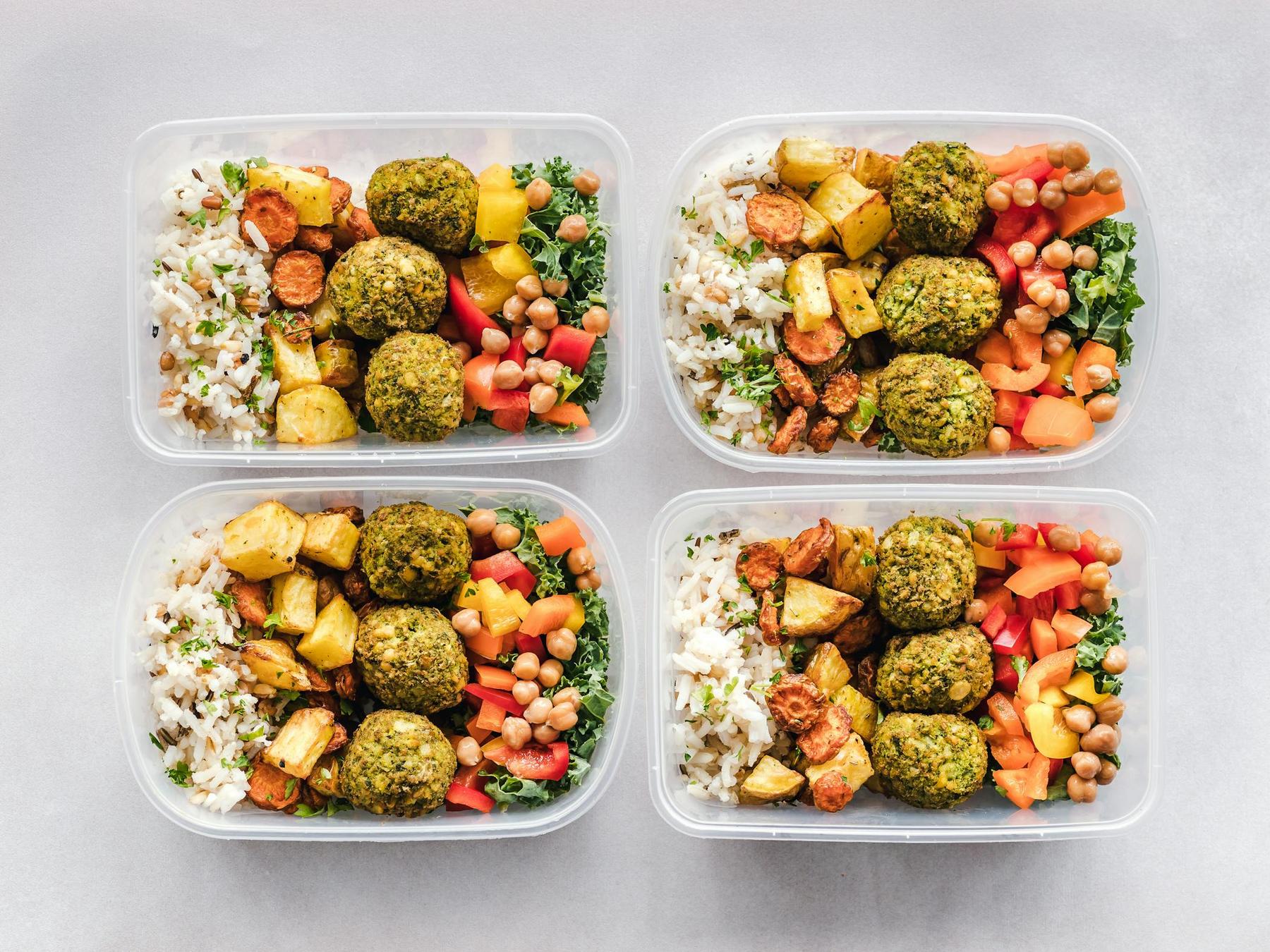
The evening rush begins at 6 PM when you arrive home exhausted, hungry, and facing the inevitable question: “What’s for dinner?” The cycle repeats daily—scanning an empty fridge, ordering expensive takeaway, or preparing something quick but nutritionally inadequate. This pattern contributes to a concerning reality: only 5% of Australians consume the recommended daily amounts of both fruit and vegetables, whilst up to 40% of the average Australian diet consists of ultra-processed foods. Meal prepping offers a clinical solution to this modern dietary challenge, transforming chaotic weeknight eating into structured, nutritionally balanced consumption patterns.
What Are the Evidence-Based Benefits of Meal Prepping?
Meal prepping extends beyond convenience—it represents a strategic intervention with measurable health outcomes. Research from the NutriNet-Santé study involving 40,554 participants demonstrates that women who plan meals are significantly less likely to be overweight (odds ratio = 0.92) or obese (odds ratio = 0.79) compared to non-planners. Men planning meals showed a significant reduction in obesity risk (odds ratio = 0.81).
The mechanism behind these outcomes relates to portion control and nutritional adherence. A 12-week weight loss study found participants receiving pre-portioned meals lost 8.2% of body weight compared to 6% in the control group selecting their own foods. The pre-portioned meal group also demonstrated lower LDL cholesterol and triglycerides.
Beyond weight management, meal prepping addresses decision fatigue—a psychological phenomenon that depletes mental energy through repetitive daily choices. Research published in the Journal of Nutrition Education and Behavior found meal planning increased self-esteem and sense of control. Eliminating the daily “what’s for dinner” stress reduces cortisol whilst improving mental clarity.
Financial benefits prove substantial. Home-prepared meals cost approximately 60% less than restaurant or takeaway equivalents. For a family of four, potential annual savings reach $2,400. Shopping with a prepared list reduces impulse purchases, whilst frozen and bulk ingredients reduce costs whilst maintaining nutritional value.
How Do Australian Dietary Guidelines Inform Meal Prep Strategy?
The National Health and Medical Research Council’s Australian Dietary Guidelines provide the foundational framework for nutritionally adequate meal preparation. Understanding these guidelines transforms arbitrary cooking into evidence-based nutrition.
The five core food groups require daily consumption:
- Vegetables and legumes/beans: At least 5 serves daily
- Fruit: 2 serves daily
- Grain (cereal) foods (mostly wholegrain): 4-6 serves daily
- Lean meats, poultry, fish, eggs, tofu, nuts, seeds, and legumes: 2.5-3 serves daily
- Milk, yoghurt, cheese and alternatives (mostly reduced fat): 2.5-4 serves daily
Understanding standard serve sizes enables accurate meal portioning:
| Food Group | Standard Serve | Meal Prep Example |
|---|---|---|
| Vegetables | 75g cooked = ½ cup | 150g per main meal container |
| Protein (meat) | 65g cooked lean meat | 80-100g per container |
| Protein (fish) | 100g cooked fillet | 100-120g per container |
| Legumes | 150g cooked/canned | 1 cup per vegetarian meal |
| Whole grains | 75-120g cooked | ½ cup rice/quinoa per meal |
| Dairy | 250ml milk or 200g yoghurt | 1 container breakfast prep |
For optimal satiety and nutrition, construct meals using the plate method: half plate (50%) non-starchy vegetables with three or more colours, quarter plate (25%) protein source (lean meat, fish, legumes, eggs, tofu), quarter plate (25%) complex carbohydrates (wholegrain rice, quinoa, sweet potato), plus a small serving of heart-healthy fats (olive oil, nuts, avocado).
Research demonstrates that higher dietary quality following these guidelines leads to 10-20% reduction in disease morbidity, with decreased risk of heart disease, type 2 diabetes, certain cancers, and obesity.
What Practical Systems Work for Time-Poor Professionals?
Successful meal prepping requires a systematic approach rather than culinary expertise. The most sustainable method involves component-based preparation—the “buffet prep” approach—rather than complete assembled meals.
Weekly Planning Framework (30-60 minutes investment):
Step 1: Select 2-3 Base Proteins Batch cook proteins with minimal seasoning to allow flavour flexibility throughout the week. Options include grilled chicken breast, ground turkey, salmon fillets, or chickpeas. Prepare 1-2 weeks’ worth simultaneously using sheet pans or slow cookers to maximise efficiency.
Step 2: Prepare Multiple Vegetables (2-3 types) Sheet-pan roasting accelerates preparation of vegetables like sweet potatoes, broccoli, capsicum, and carrots. These can be seasoned differently throughout the week, preventing monotony whilst maintaining nutritional value.
Step 3: Cook Staple Grains (1-2 types) Brown rice, quinoa, farro, or barley form the carbohydrate foundation. Rice cookers provide set-and-forget convenience. Store in separate containers for mix-and-match flexibility.
Step 4: Create Flavour Profiles Prepare 3-4 distinct flavour combinations using different sauces and seasonings:
- Mediterranean: olive oil + lemon + herbs
- Asian-inspired: tamari + ginger + sesame oil
- Mexican: salsa + lime + coriander
- Italian: tomato-based sauce + basil + garlic
This component-based approach means identical base ingredients taste completely different daily through strategic combination with varied proteins, vegetables, and seasonings.
Time-Saving Equipment:
- Slow cookers/Instant Pots: minimal hands-on time for large-batch proteins
- Sheet pans: simultaneous cooking of proteins and vegetables
- Rice cookers: automated grain preparation
- Food processors: rapid vegetable chopping
Invest in glass containers (microwave-safe, maintain food quality, environmentally friendly) or BPA-free plastic (lightweight, stackable). Ensure all containers are microwave, dishwasher, and freezer-safe with airtight seals to prevent spoilage.
What Simple Recipes Support Nutritional Adequacy?
Evidence-based meal prep recipes prioritise protein adequacy (supporting satiety), vegetable abundance (addressing the 95% of Australians not meeting recommendations), and whole food ingredients (reducing ultra-processed food consumption).
Breakfast Foundation: Overnight Oats (5 servings)
- 60g rolled oats per serve
- 185g Greek yoghurt
- 125ml almond milk
- 1 tablespoon chia seeds
- 80g fresh or frozen berries
- Top with 30g nuts/seeds
Nutritional profile: 15-18g protein per serving, high fibre, provides calcium and omega-3 fatty acids.
Lunch Template: Chicken & Vegetable Bowl
- 80g grilled chicken breast
- 75g cooked brown rice or quinoa
- 150g roasted mixed vegetables (aim for 3+ colours)
- ½ avocado (40g)
- Dress with lemon juice + olive oil
Nutritional profile: 28-30g protein per serving, meets 2 vegetable serves, provides heart-healthy fats.
Dinner Option: Ground Turkey Preparation
- 100g ground turkey cooked with spices
- Can be served over lettuce, with wholegrain tortilla, or over cauliflower rice
- Top with salsa, Greek yoghurt, tomatoes, capsicum
Nutritional profile: 25g protein per serving, versatile base for multiple flavour profiles.
High-Protein Snacks for Satiety:
- Hard boiled eggs (2 eggs = 1 serve protein, 12g)
- Greek yoghurt with berries (15g protein per 200g)
- Cottage cheese with fruit (12g protein per 100g)
- Mixed nuts and seeds (30g serve, 6-8g protein)
Plant-Based Alternatives: Chickpea curries, lentil-based bolognese, bean and vegetable chilis, and tofu stir-fries provide similar protein yields with added fibre benefits. Research demonstrates plant-based proteins effectively support weight management and metabolic health when portioned appropriately.
How Do Food Safety Protocols Protect Health?
Clinical food safety practices prevent foodborne illness whilst maximising ingredient utilisation. Bacteria multiply rapidly between 5°C and 60°C—the danger zone requiring strict temperature control.
Refrigeration Guidelines (at 5°C or below):
- Cooked ground poultry/beef: 1-2 days
- Cooked whole meats, fish, poultry; soups and stews: 3-4 days
- Cooked beans: 5 days
- Hard boiled eggs; chopped vegetables: 1 week
- Soft cheese (opened): 2 weeks
- Hard cheese (opened): 5-6 weeks
Freezing Guidelines (at -18°C):
- Soups and stews; cooked beans: 2-3 months
- Cooked/ground meat and poultry: 3-6 months
- Berries and chopped fruit: 6-8 months
- Vegetables (blanched 3-5 minutes first): 8-12 months
Critical Safety Practices:
- Maintain raw and cooked food separation; store raw foods below cooked foods in refrigerator
- Cool cooked food rapidly by dividing into small portions
- Never refreeze thawed food; freeze only once
- Label all containers with preparation date
- Thaw frozen food in refrigerator, never at room temperature
- Reheat leftovers to minimum 75°C internal temperature before consuming
What Behavioural Strategies Ensure Long-Term Adherence?
Clinical research demonstrates behaviour change sustainability requires incremental implementation rather than drastic lifestyle overhaul. Starting small proves critical for long-term success.
Progressive Implementation Framework: Begin by prepping 2-3 days’ worth of meals rather than attempting a full week initially. Select one meal to prep consistently (commonly lunch, as workplace eating presents greatest nutritional challenges). Gradually increase preparation volume as habits solidify. Success rates prove highest when changes occur incrementally rather than drastically.
Integration with Professional Healthcare: For individuals working with healthcare professionals on weight management, meal prepping supports clinical interventions through:
- Portion control via pre-portioned containers
- Reduced temptation for high-calorie takeaway and processed foods
- Consistent nutrient intake aligned with personalised health plans
- Enhanced treatment adherence through structured meal preparation
Medical weight management programmes benefit significantly from structured meal planning. When combined with professional healthcare support, patients can achieve substantial weight reduction through comprehensive care including evidence-based nutrition planning.
Sustainability Considerations: Strategic meal planning reduces household food waste by approximately 40%. Purchasing ingredients specifically for planned meals eliminates spoilage, whilst leftover ingredients can be repurposed across multiple meal preparations. This environmental benefit complements health and financial advantages.
Preventing Monotony: Flavour fatigue represents the primary challenge to sustained meal prep adherence. Combat this through:
- Varying seasoning profiles weekly
- Introducing one new recipe monthly
- Alternating between different protein sources
- Incorporating seasonal produce for natural variety
- Using different cooking methods (roasting, grilling, steaming)
Building Sustainable Weekly Nutrition Patterns
Meal prepping transcends temporary dietary intervention—it represents a clinical approach to sustainable nutrition management. The evidence demonstrates clear associations between meal planning and improved weight status, with women who plan meals showing 21% lower obesity risk. The structured approach addresses multiple health determinants simultaneously: it reduces decision fatigue (supporting mental health), decreases ultra-processed food consumption (addressing the 40% of Australian diets comprised of such foods), and enables adherence to Australian Dietary Guidelines (which only 5% of Australians currently achieve for fruit and vegetable intake).
The clinical framework remains straightforward: dedicate 30-60 minutes weekly to component-based preparation, store foods according to evidence-based safety protocols, construct meals using the plate method, and implement changes progressively. This systematic approach transforms chaotic eating patterns into structured nutritional intake, supporting both immediate health outcomes and long-term dietary sustainability.
For individuals managing weight or metabolic health conditions, meal prepping provides the foundational structure that enables treatment adherence. When combined with professional healthcare guidance, structured meal preparation amplifies clinical outcomes through consistent nutritional intake and portion control.
The 75% of Australians aged 65-74 who are overweight or obese face significant health risks that proper nutrition can address. Starting meal prep practices earlier in life establishes protective dietary patterns that compound over decades. The investment of one hour weekly yields returns across physical health, mental wellbeing, financial savings, and environmental sustainability.
How long do meal prepped foods safely last in the refrigerator?
Cooked proteins (chicken, beef, fish) remain safe for 3-4 days when refrigerated at 5°C or below. Cooked beans extend to 5 days, whilst chopped raw vegetables last one week. Always label containers with preparation dates and discard foods showing signs of spoilage (off odours, colour changes, or texture deterioration). For meals beyond the 4-day window, freeze immediately after preparation at -18°C, where they remain safe for 2-3 months.
Can meal prepping support weight management goals effectively?
Research demonstrates meal prepping significantly supports weight management through multiple mechanisms. Pre-portioned meals prevent overeating—people typically underestimate portion sizes by 25-40%. A clinical study found participants using pre-portioned meals lost 8.2% of body weight compared to 6% in control groups selecting their own foods. Meal planning also reduces impulsive high-calorie food choices and enables consistent adherence to nutritional targets set by healthcare professionals.
What initial equipment investment does meal prepping require?
Essential equipment remains minimal: 8-10 airtight containers (glass or BPA-free plastic), a sharp knife, cutting board, and existing cookware. Optional investments that improve efficiency include a slow cooker (£40-£100), rice cooker (£30-£80), and additional sheet pans (£15-£25 each). The financial return proves rapid—home-prepared meals cost approximately 60% less than takeaway equivalents, with potential annual savings reaching $2,400 for a family of four.
How can vegetarians and vegans implement meal prep effectively?
Plant-based meal prep follows identical principles with protein source substitutions. Batch cook legumes (chickpeas, lentils, black beans), tofu, or tempeh as protein foundations. A 150g serve of cooked legumes provides approximately 9g protein and substantial fibre. Combine with whole grains (quinoa, brown rice, farro) and abundant vegetables using varied flavour profiles. Plant-based preparations often prove more economical whilst meeting all nutritional requirements when planned according to Australian Dietary Guidelines.
Should meals be completely assembled or stored as separate components?
Component-based storage (the ‘buffet prep’ approach) offers superior flexibility and prevents flavour fatigue. Store proteins, vegetables, grains, and sauces separately, then combine different elements daily for varied meals. This method maintains food quality longer, as vegetables don’t become soggy from sauces, and allows customisation based on daily preferences or schedule changes. Complete assembled meals suit individuals preferring grab-and-go convenience, though component storage provides greater versatility across the week.