


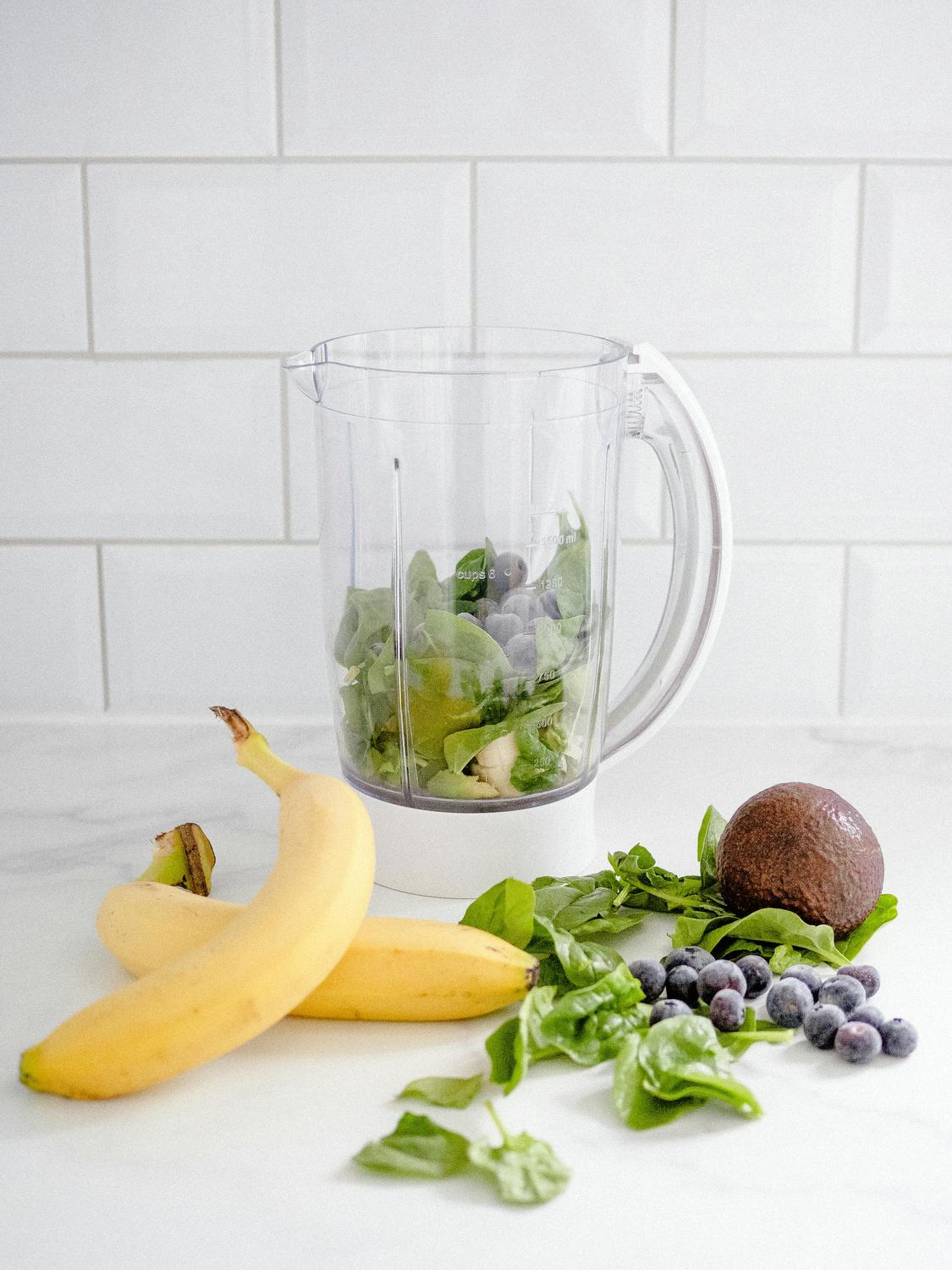
With two in three Australian adults classified as overweight or obese according to the Department of Health, the search for effective, sustainable weight management strategies has never been more critical. Time-poor individuals often struggle to maintain nutritious eating patterns amidst demanding schedules, leading to poor dietary choices that sabotage weight management efforts. The question many Australians face isn’t whether healthy eating matters—it’s how to make it realistic within the constraints of modern life.
Enter the strategic use of nutrient-dense smoothies: a scientifically-supported approach that combines convenience with clinical evidence for weight management. Unlike fad diets promising unrealistic outcomes, properly formulated smoothies offer a practical tool backed by peer-reviewed research, providing measured nutrition in mere minutes whilst supporting satiety and metabolic function.
Do Smoothies Actually Support Weight Loss?
The clinical evidence supporting smoothie consumption for weight management is substantial and growing. Research published in the American Journal of Health Promotion in 2024 examined regular smoothie consumers (those consuming one to two servings weekly for at least two months) and found significant health advantages. These individuals demonstrated notably higher physical activity levels (p=0.025), increased fruit and vegetable intake meeting nutritional recommendations, reduced meat consumption (p=0.013), decreased processed food intake (p=0.013), and – most importantly – a higher incidence of weight reduction compared to weight gain.
Meal replacement research provides even more compelling evidence. A 2024 randomised controlled trial demonstrated that participants using meal replacement products achieved 4.44 kg weight loss at 45 days compared to 2.62 kg in the diet control group. By 90 days, the meal replacement group had lost 7.38 kg versus 4.08 kg in the control group, with body fat percentage decreasing by 3.67% compared to just 1.52%. Perhaps most significantly, 93% of meal replacement participants lost at least 5% of their initial weight at 16 weeks, compared to only 55% in the food-based diet group.
A meta-analysis of 22 randomised controlled trials involving 1,982 overweight or obese participants confirmed that meal replacement-based low-energy diets produced a statistically significant effect favouring weight loss. Diets where meal replacements comprised at least 60% of total daily energy intake showed a medium effect size favouring weight loss.
The Australian Dietary Guidelines context: Smoothies align well with National Health and Medical Research Council recommendations when properly formulated. The guidelines emphasise achieving and maintaining healthy weight through physical activity and choosing nutritious foods to meet energy needs, enjoying variety from five food groups, and limiting foods with saturated fat, added salt, and added sugars.
What Makes a Weight Loss Smoothie Effective?
The efficacy of smoothies for weight management hinges on three scientifically-validated mechanisms: protein-induced satiety, fibre content, and portion control.
Protein and satiety: Research in The American Journal of Clinical Nutrition confirms that high-protein meals increase satiety and preserve lean muscle mass during weight loss. Breakfast meals containing at least 30 grams of protein and 350 kilocalories significantly increased appetite and satiety responses compared to breakfast skipping. Whey protein specifically has been shown to increase satiety, support blood glucose control, and preserve lean body mass in individuals following low-calorie diets.
Fibre’s role in fullness: The Institute of Medicine recommends 25–38 grams of daily fibre, yet less than 5% of the population meets this level. Research published in Obesity found that increased fibre intake led to greater weight loss when combined with a calorie-controlled diet. The POUNDS Lost study confirmed that fibre intake predicted both weight loss and dietary adherence in adults consuming calorie-restricted diets.
Portion control advantage: Unlike unmeasured meals where portions often exceed intended amounts, smoothies prepared with measured ingredients provide automatic portion control. This eliminates guesswork whilst delivering nutrient density—essential vitamins, minerals, and phytonutrients—within a controlled energy framework.
Which Ingredients Should You Include in 5-Minute Weight Loss Smoothies?
Evidence-based ingredient selection determines whether a smoothie supports or undermines weight management goals.
Protein Foundations
| Protein Source | Protein Content (per serving) | Additional Benefits |
|---|---|---|
| Plain low-fat Greek yogurt | 15-20g per 170g | Probiotics, calcium, complete amino acid profile |
| Whey protein powder | 20-25g per 30g | Complete protein, rapid absorption, muscle preservation |
| Plant-based protein (pea, soy) | 15-20g per 30g | Suitable for dairy-free diets, complete amino acids |
| Natural nut butter | 4-8g per tablespoon | Healthy fats, sustained satiety, vitamin E |
Fibre-Rich Components
High-fibre fruits scientifically support weight management:
- Raspberries deliver approximately 8 grams of fibre per cup
- Blackberries rank among the highest fibre-containing fruits with both soluble and insoluble fibre
- Apples with skin provide about 5 grams of fibre per medium fruit
- Pears naturally contain high levels of pectin and polyphenols
Leafy greens such as spinach and kale offer low calories, high nutrients, and approximately 1 gram of fibre per cup raw. These greens provide iron, antioxidants, and minimal carbohydrates, though Medical consultation is recommended regarding optimal quantities due to oxalic acid content for those with kidney concerns.
Metabolic Support Ingredients
Green tea and EGCG: Clinical research demonstrates green tea’s catechins, particularly epigallocatechin gallate (EGCG), support weight management. A randomised, double-blind, placebo-controlled trial of 102 women with central obesity (BMI ≥ 27 kg/m²) receiving 856.8 mg daily EGCG for 12 weeks showed significant weight loss (76.8 kg to 75.7 kg, p = 0.025), decreased BMI (p = 0.018), and reduced waist circumference (p = 0.023). EGCG inhibits catechol-O-methyltransferase, increasing norepinephrine levels, which promotes fat breakdown and fat oxidation.
Thermogenic compounds backed by research include:
- Cinnamon: Reduces fasting blood glucose levels in some individuals
- Turmeric (curcumin): Meta-analysis showed reduced blood glucose and insulin levels in individuals with diabetes
- Ginger: Reduces inflammation, improves gastrointestinal function
- Cayenne pepper (capsaicin): Increases oxygen consumption and body temperature, boosting calorie expenditure
Healthy fats: Avocado and nut butters trigger leptin release (the satiety hormone), support absorption of fat-soluble vitamins, and provide monounsaturated fats for cardiovascular health.
How Do You Build a Balanced Smoothie Recipe for Weight Management?
Constructing an effective 5-minute smoothie requires strategic layering of macronutrients and micronutrients whilst managing total energy intake.
The clinical formula:
- Liquid base (250-375 mL): Unsweetened almond milk, coconut water, brewed green tea (cooled), or water
- Protein source (20-30g protein): Greek yogurt, protein powder, or combination
- Fibre-rich carbohydrates (0.5-1 cup): Frozen berries, leafy greens (1-2 cups), small amounts of other fruits
- Healthy fats (1 tablespoon): Avocado, almond butter, chia seeds, or ground flaxseed
- Metabolism-supporting additions: Cinnamon, ginger, turmeric, or matcha powder
- Optional thickeners: Ice cubes, frozen cauliflower (adds volume without significant calories)
Blood sugar management: To prevent glucose spikes, limit fruit servings, choose lower glycemic options (berries, kiwi, peaches), always include protein and healthy fats, avoid adding honey or syrups, and consume smoothies fresh to preserve nutrient integrity.
What Are the Best 5-Minute Smoothie Recipes for Weight Loss?
Recipe 1: Berry Protein Powerhouse
- 250 mL unsweetened almond milk
- 170g plain low-fat Greek yogurt
- 150g mixed frozen berries (raspberries, blackberries, blueberries)
- 1 tablespoon ground flaxseed
- 1 cup fresh spinach
- ½ teaspoon cinnamon
- 3-4 ice cubes
Nutritional profile: Approximately 250-280 calories, 22-25g protein, 8-10g fibre
Recipe 2: Green Tea Metabolic Blend
- 250 mL cooled brewed green tea
- 1 scoop vanilla protein powder (25g protein)
- ½ medium avocado
- 1 cup kale
- ½ green apple
- ½ teaspoon fresh grated ginger
- Ice as needed
Nutritional profile: Approximately 300-330 calories, 27-30g protein, 9-11g fibre
Recipe 3: Tropical Turmeric Smoothie
- 300 mL unsweetened coconut milk
- 170g plain Greek yogurt
- ½ cup frozen mango
- ½ cup frozen pineapple
- 1 tablespoon almond butter
- ½ teaspoon turmeric
- Pinch of black pepper (enhances curcumin absorption)
- 1 cup spinach
Nutritional profile: Approximately 320-350 calories, 20-23g protein, 7-9g fibre
Recipe 4: Chocolate Nut Butter Delight
- 250 mL unsweetened almond milk
- 1 scoop chocolate protein powder
- 1 tablespoon natural peanut butter
- 1 tablespoon cocoa powder (unsweetened)
- ½ frozen banana
- 1 tablespoon chia seeds
- 1 cup baby spinach
- Ice
Nutritional profile: Approximately 310-340 calories, 28-32g protein, 10-12g fibre
Recipe 5: Cinnamon Apple Pie Smoothie
- 250 mL unsweetened almond milk
- 170g plain low-fat Greek yogurt
- 1 small apple (chopped, with skin)
- 30g rolled oats
- 1 tablespoon almond butter
- 1 teaspoon cinnamon
- ¼ teaspoon vanilla extract
- Ice cubes
Nutritional profile: Approximately 320-350 calories, 21-24g protein, 8-10g fibre
Are There Any Risks or Considerations with Weight Loss Smoothies?
Whilst smoothies offer evidence-based benefits for weight management, several clinical considerations warrant attention.
Fibre tolerance: Rapidly increasing fibre intake through smoothies can cause digestive discomfort, including gas, bloating, and cramping. Gradual increases with adequate water intake (the Australian Dietary Guidelines emphasise drinking plenty of water) support digestive adaptation.
Blending and nutrient integrity: Contrary to common misconception, blending does not destroy dietary fibre. Research confirms that whilst blending changes fibre’s physical structure (similar to chewing), it does not reduce total fibre content. Smoothies retain the beneficial fibre found in whole fruits and vegetables.
Satiety differences: Research suggests liquid calories may be less satiating than solid foods for some individuals. The British Dietetic Association emphasises not skipping breakfast entirely, as this could result in reduced activity and increased weight gain risk. Combining smoothies with whole foods throughout the day optimises satiety and dietary adherence.
Individual variation: Not all individuals respond identically to smoothie-based weight management approaches. Factors including metabolic rate, activity level, overall dietary quality, medical conditions, and medications influence outcomes. Medical consultation before implementing significant dietary changes is recommended, particularly for individuals with diabetes, kidney conditions, or those taking medications affected by vitamin K, oxalates, or other dietary components.
Comprehensive approach necessity: Smoothies function optimally as one component within a broader evidence-based weight management strategy. Research demonstrates that sustainable weight management requires integration of nutritious eating patterns, regular physical activity, adequate sleep, stress management, and appropriate medical support when indicated.
Making Smoothies Work Within Your Weight Management Journey
The clinical evidence supporting strategic smoothie use for weight management is robust, with research demonstrating benefits for satiety, nutrient intake, metabolic support, and adherence to calorie-controlled diets. These 5-minute recipes provide practical, evidence-based options that align with Australian Dietary Guidelines whilst accommodating time-constrained lifestyles.
However, individual dietary needs vary considerably based on metabolic health, activity levels, medical conditions, and personal preferences. What proves effective for one person may require modification for another. The key lies in approaching smoothies as a tool—not a complete solution—within a comprehensive, medically-informed weight management strategy.
For those seeking structured, professional support beyond dietary modifications alone, integrated medical approaches combining nutrition guidance with clinical oversight offer evidence-based pathways to significant weight reduction. The research is clear: comprehensive programmes yield superior outcomes compared to dietary changes in isolation.
Skip the struggles. Our patients achieve up to 20.2% weight reduction with medical weight loss treatments delivered straight to their door. No clinics. No waiting. Just results. See if you’re eligible for our medical weight loss treatments – take our quiz.
Can I drink smoothies every day for weight loss?
Daily smoothie consumption can support weight management when smoothies are properly formulated with adequate protein (20-30g), fibre, and healthy fats whilst maintaining appropriate total energy intake. However, smoothies should complement—not completely replace—whole food meals to ensure dietary variety and optimal satiety. Individual tolerance varies, so monitoring digestive response and energy levels when incorporating daily smoothies is recommended.
Should I use smoothies as meal replacements or snacks?
Meal replacement research demonstrates superior weight loss outcomes when smoothies constitute at least 60% of total daily energy intake, with properly formulated smoothies containing 300-400 calories, 20-30g protein, and adequate fibre functioning effectively as meal replacements. For snacks, smaller portions (200-250 calories) may suffice. The optimal approach depends on individual energy requirements and overall dietary structure. Consulting a medical or dietetic professional can help determine the most appropriate usage.
Will blending fruit increase its sugar content or destroy nutrients?
Blending does not increase fruit’s sugar content or destroy fibre. While blending changes the physical structure of fibre, the total fibre content remains unchanged, and the beneficial nutrients of whole fruits are retained. However, it may lead to a faster rate of sugar absorption compared to eating whole fruit. To minimise the impact on blood sugar, limit fruit portions, choose lower glycemic options like berries, and include protein and healthy fats in your smoothie.
How much weight can I realistically expect to lose with smoothie-based approaches?
Weight loss results with smoothie-based approaches can vary. Research shows that meal replacement strategies can lead to significant weight loss (for example, 4.44 kg at 45 days and 7.38 kg at 90 days in controlled trials), but individual outcomes depend on factors like baseline weight, overall diet quality, activity levels, and metabolic health. Sustainable changes often occur gradually, so realistic expectations and long-term lifestyle adjustments are key.
Are there any medical conditions that contraindicate smoothie consumption?
While smoothies offer many nutritional benefits, individuals with certain conditions—such as chronic kidney disease, diabetes, disorders of digestion, or those on medications sensitive to vitamin K—should exercise caution. It is important to consult a medical professional before making significant dietary changes, especially if you have specific health concerns or are managing chronic conditions.