


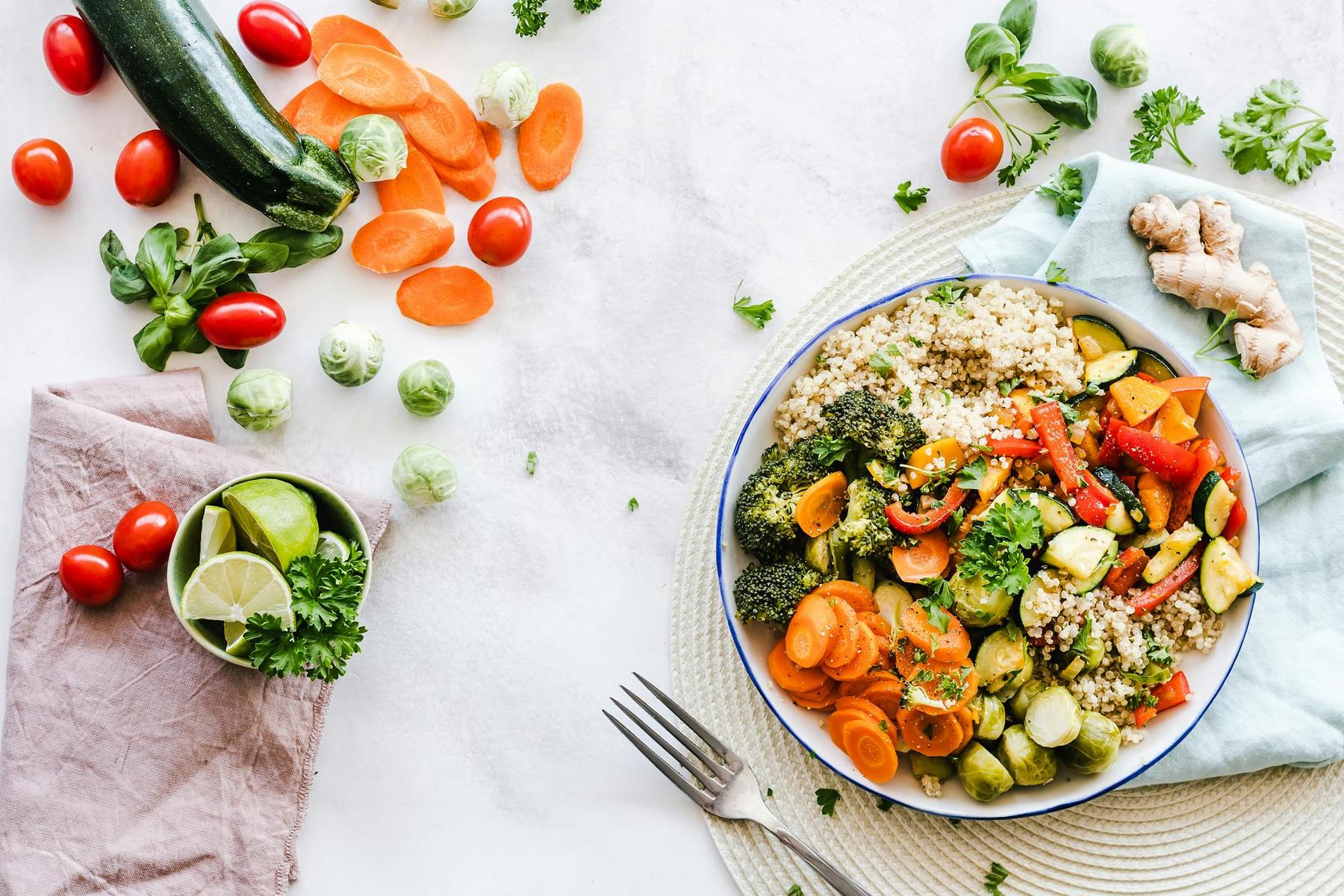
The weekly grocery shop. The mental arithmetic at the checkout. The sinking realisation that eating healthily might mean choosing between your weight loss goals and your household budget. If this sounds familiar, you’re not alone. With 65.8% of Australian adults living with overweight or obesity, and grocery costs continuing to rise, many Australians face a frustrating dilemma: how to prioritise health when funds are limited.
Here’s what the evidence tells us: budget-friendly dinners that support weight loss aren’t just possible—they’re often more effective than expensive alternatives. Home-cooked meals typically cost 75-80% less than dining out, and the most affordable ingredients—legumes, eggs, frozen vegetables—are precisely the nutrient-dense foods that clinical research identifies as weight loss champions. The key isn’t spending more; it’s understanding the science of sustainable weight management and applying it strategically to your evening meal.
Why Do Budget-Friendly Dinners Matter for Weight Loss Success?
The relationship between dinner choices and weight management extends beyond simple calorie counting. According to research published in the Journal of Obesity & Metabolic Syndrome, an energy deficit remains the most important factor for weight loss regardless of macronutrient composition. However, the sustainability of that deficit—your ability to maintain it over time—depends largely on affordability and practical meal planning.
Australian data reveals a concerning trend: overweight and obesity now represents the leading risk factor for burden of disease in Australia, surpassing tobacco use (8.3% versus 7.6%). With 6.3 million Australians living with obesity as of 2022—a 60% increase from 3.9 million in 2011-12—the need for accessible, sustainable weight management strategies has never been more critical.
Budget-friendly dinners address three fundamental challenges simultaneously. First, they remove the financial barrier that prevents many Australians from pursuing weight loss. Second, they emphasise whole foods and home cooking, which naturally reduces calorie density whilst increasing nutrient intake. Third, they support long-term adherence—the true determinant of weight loss success—by creating sustainable eating patterns rather than temporary restrictions.
The Australian Dietary Guidelines explicitly recommend achieving and maintaining healthy weight by choosing amounts of nutritious food to meet energy needs. Importantly, an optimum dietary pattern is one where nutrient requirements are met and total energy intake doesn’t exceed total energy expenditure—a principle that budget-conscious meal planning naturally supports through portion awareness and ingredient mindfulness.
What Makes a Dinner Both Affordable and Effective for Weight Loss?
Evidence-based weight loss requires a calorie deficit of 500-750 calories per day, equating to approximately 0.5 kg loss per week. For dinner specifically, this translates to a 400-600 calorie meal within a typical 1,500 calorie daily intake—but not all 400-600 calorie dinners are created equal.
Clinical research identifies several nutritional characteristics that make budget-friendly dinners effective for weight loss:
- Protein content: Should comprise 25-30% of dinner calories. High-protein diets increase satiety and the thermic effect of protein further supports weight management. Affordable protein sources include eggs, canned tuna, legumes, lentils, and bulk-purchased ground turkey.
- Fibre content: A minimum of 5g per meal slows digestion, maintains fullness longer, and stabilises blood sugar. Budget-friendly fibre sources include frozen vegetables, dried legumes, and bulk whole grains.
- Volume versus calorie density: Vegetables add substantial volume with minimal calories, creating the psychological satisfaction of a “full plate” without excessive energy intake.
Budget-Friendly Dinner Components Comparison
| Food Category | Budget-Friendly Options | Cost Per Serve (Approx.) | Nutritional Benefits | Weight Loss Support |
|---|---|---|---|---|
| Protein | Eggs, canned tuna, dried lentils, beans | $0.80–$1.50 | High protein, complete amino acids, sustained satiety | Preserves lean muscle, increases thermic effect |
| Vegetables | Frozen mixed vegetables, seasonal produce, cabbage | $0.50–$1.00 | High fibre, vitamins, minerals, low calorie | High volume/low energy, increases fullness |
| Whole Grains | Brown rice (bulk), oats, whole wheat pasta | $0.40–$0.80 | Complex carbohydrates, B vitamins, fibre | Sustained energy, blood sugar stability |
| Healthy Fats | Olive oil (large bottle), avocado (seasonal) | $0.30–$0.60 | Monounsaturated fats, fat-soluble vitamins | Enhances satiety, supports hormone function |
Which Budget-Friendly Protein Sources Support Weight Loss Best?
Protein deserves particular attention in budget-friendly dinners. Research shows high-protein diets improve satiety, preserve lean muscle mass during weight loss, and support maintenance more effectively than lower-protein approaches.
Eggs are the most economical complete protein source. Buying in bulk reduces per-serve cost, and a vegetable omelette with two eggs provides roughly 12g protein for under $1.50.
Legumes and lentils purchased in bulk cost approximately $0.80–$1.20 per serve and provide both protein and fibre, making dishes like red lentil curry or bean-based chilli nutritionally complete and cost-effective.
Canned fish in water provides lean protein with beneficial omega-3 fatty acids and is ideal for those with limited cooking time.
Ground turkey or chicken purchased in bulk offers high protein at a lower cost per serving, making these ideal for dishes like taco skillet or chilli.
How Can You Plan Budget-Friendly Weight Loss Dinners Effectively?
Meal planning improves dietary adherence and weight loss outcomes. The following strategies help combine budget constraints with nutritional needs:
- Shopping Strategies: Creating a detailed shopping list, purchasing seasonal produce, and buying in bulk can significantly reduce costs.
- Batch Cooking: Preparing multiple portions in one go helps reduce decision fatigue and ensures consistent, healthy meals throughout the week.
- Following Dietary Guidelines: Using the Australian Dietary Guidelines as a framework ensures that dinners are balanced and cost-effective.
- Utilising Leftovers: Cooking once and eating twice minimizes waste and further reduces grocery costs.
What Are the Most Cost-Effective Dinner Ideas for Weight Loss?
Meal examples that meet nutritional and cost requirements include:
- Lentil-based Dinners: Such as red lentil curry with brown rice and frozen mixed vegetables.
- Bean-based Meals: Including black bean chilli with ground turkey or bean burrito bowls.
- Egg-based Dinners: Like vegetable frittatas or shakshuka, which are both affordable and nutritionally balanced.
- Ground Meat Dinners: Such as ground turkey taco skillet or lean turkey chilli that maximize protein content whilst minimising costs.
- Vegetable-Heavy Meals and One-Pot Dinners: Emphasising high-volume, low-calorie vegetables to create filling meals.
How Do You Maintain Weight Loss Results on a Budget Long-Term?
Sustained weight loss requires behavioural changes that are both affordable and practical. Strategies include portion control, hydration, meal timing adjustments, and consistent meal planning. These methods, combined with the flexibility of budget-friendly ingredients and the principles of clinical weight loss, contribute to long-term success.
Making Budget-Friendly Weight Loss Sustainable
Budget-friendly dinners aren’t merely a temporary solution; they offer a sustainable strategy for long-term health management. Affordable, nutrient-dense ingredients are at the heart of maintaining the energy deficit required for weight loss without compromising overall nutrition. This approach not only addresses immediate budget concerns but also lays the groundwork for enduring healthy eating habits.
For Australians seeking additional support, evidence-based medical weight management programmes provide structured guidance, integrating clinical expertise with practical nutrition strategies to ensure lasting weight loss success.
Can you genuinely lose weight eating budget-friendly dinners?
Yes, weight loss depends on creating a consistent calorie deficit. Research confirms that a deficit of 500-750 calories per day can lead to approximately 0.5 kg weight loss per week, regardless of whether meals are expensive or economical. Budget-friendly ingredients such as legumes, frozen vegetables, and eggs provide the necessary nutrients while keeping costs low.
How much should you realistically spend on dinners for weight loss?
Budget-friendly dinners typically cost between $2-4 per serve. With strategies like bulk purchasing, seasonal produce, and avoiding processed snacks, a weekly dinner budget of $40-60 per person can provide nutritionally balanced meals that support consistent weight loss.
Are frozen vegetables as effective as fresh for weight loss?
Yes, frozen vegetables are nutritionally comparable to fresh ones and are often more cost-effective. They provide similar fibre content, volume, and vitamins, and often reduce food waste due to their longer shelf life.
What’s the cheapest high-protein food for weight loss in Australia?
Eggs are one of the most economical sources of complete protein, costing approximately $0.40-0.60 per serve. In addition, bulk-purchased legumes, lentils, and canned tuna offer affordable protein options that can be combined to create nutritionally complete meals.
How many calories should dinner contain for weight loss?
For a typical 1,500 calorie daily intake, dinner should contain approximately 400-600 calories. This range helps ensure that you maintain an adequate calorie deficit while providing balanced nutrition in terms of protein, carbohydrates, and healthy fats.