


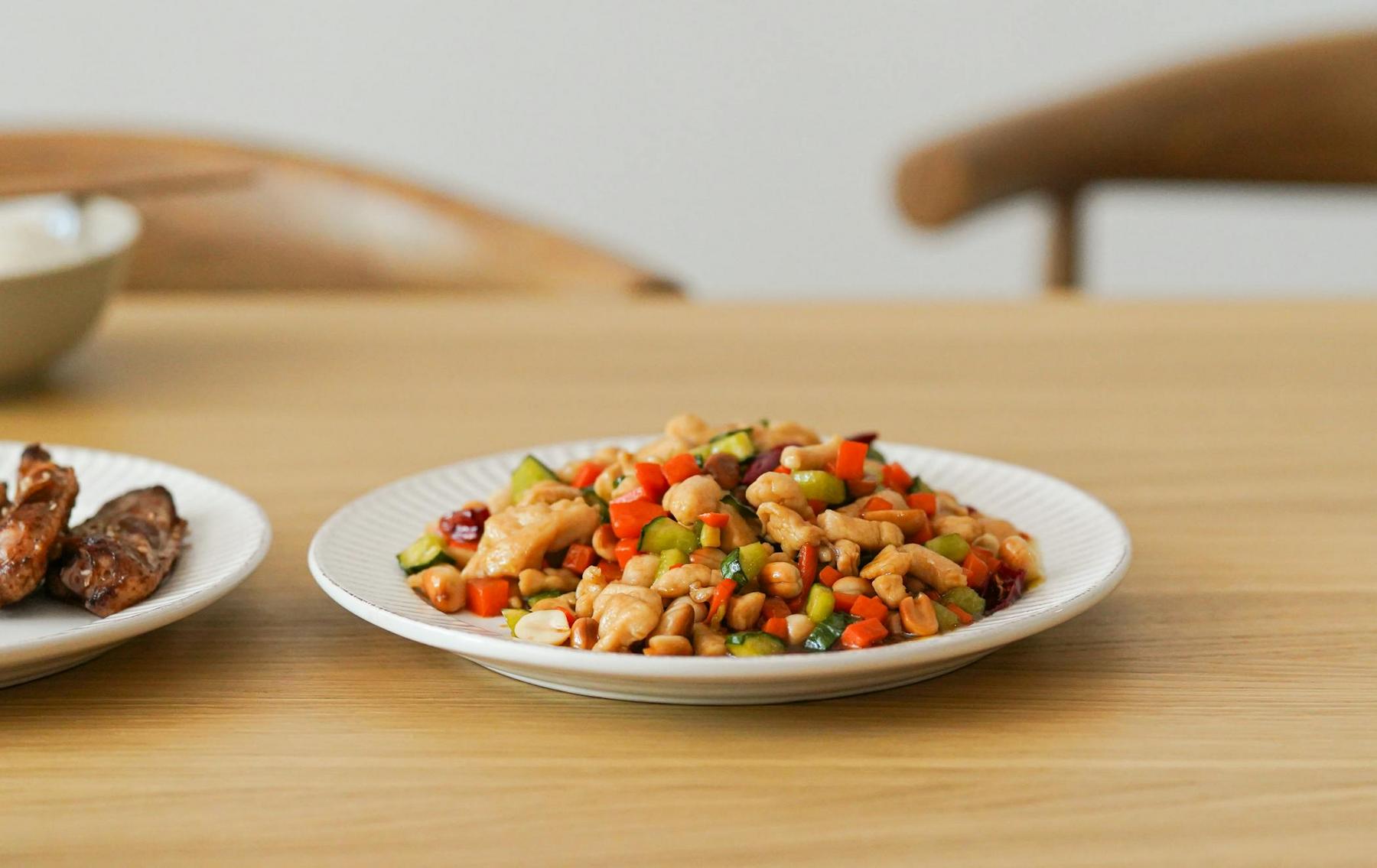
The struggle with sustainable weight management often centres on a single challenge: finding meals that satisfy hunger without exceeding calorie targets. Many Australians attempting to reduce their weight report feeling perpetually hungry between meals, leading to abandoned dietary efforts and frustration. The solution lies not in eating less, but in choosing foods that work with your body’s natural satiety mechanisms.
Stir-fry cooking offers a scientifically-supported approach to this challenge. By combining lean proteins with high-volume vegetables in a quick-cooking method, you can create meals that deliver substantial portions whilst maintaining calorie control. The technique aligns with Australian Dietary Guidelines and leverages protein’s unique metabolic properties to support weight management goals. For individuals with a BMI of 27 or above seeking evidence-based nutritional strategies, understanding these combinations becomes essential.
What Makes Lean Protein Essential for Weight Management?
Lean protein represents the cornerstone of effective weight management due to its unique physiological effects on hunger regulation and metabolism. Unlike fats and carbohydrates, protein triggers the release of multiple satiety hormones—including glucagon-like peptide-1 (GLP-1), peptide YY (PYY), and cholecystokinin (CCK)—which signal fullness to the brain whilst simultaneously suppressing ghrelin, the hunger hormone.
Research demonstrates that individuals consuming protein-rich meals experience measurably less hunger three to five hours after eating compared to those consuming similar-calorie meals with lower protein content. This extended satiety period reduces overall calorie intake throughout the day without requiring conscious restriction.
The thermal effect of food (TEF) provides additional metabolic advantages. Protein requires 20-30% of its caloric content for digestion and processing, compared to just 5-10% for carbohydrates and 0-3% for fats. This means your body expends significantly more energy processing protein-rich meals, effectively reducing the net caloric impact of the food consumed.
According to Australian Dietary Guidelines, adult women aged 19-70 years require 0.75g of protein per kilogram of body weight daily, whilst men in the same age range need 0.84g per kilogram. Adults over 70 years require higher intake at 1g per kilogram to preserve muscle mass and maintain physical function. These requirements translate to 2.5 serves daily for women and 3 serves daily for men from the lean meat, poultry, fish, eggs, tofu, nuts, seeds, and legumes food group.
During weight loss, maintaining adequate protein intake becomes crucial for preserving lean muscle mass. When calorie intake decreases, the body can break down muscle tissue for energy unless sufficient protein signals the preservation of this metabolically active tissue. Maintaining muscle mass supports ongoing weight management by sustaining your metabolic rate.
Which Lean Proteins Work Best in Stir-Fry Cooking?
The selection of appropriate lean proteins for stir-fry depends on nutritional profile, cooking characteristics, and individual dietary preferences. Both animal-based and plant-based options provide complete or complementary amino acid profiles necessary for optimal health.
Comparing Top Lean Protein Sources
| Protein Source | Protein per 100g | Fat per 100g | Calories per 100g | Key Benefits |
|---|---|---|---|---|
| Skinless Chicken Breast | 31g | 3.6g | 165 | Complete amino acids, cost-effective, versatile |
| Shrimp (Prawns) | 24g | <3g | ~100 | Quick-cooking, complete protein, minimal fat |
| White Fish (Cod, Halibut) | 20-25g | <3g | ~90-110 | Omega-3 fatty acids, enhanced satiety response |
| Salmon | 20g | 13g | ~200 | Heart-healthy fats, vitamin D, complete protein |
| Skinless Turkey | 29g | <5g | ~140 | Similar to chicken, excellent iron and zinc |
| Lean Beef (Top Round) | 22-24g | <4.5g | ~150 | Highly bioavailable iron, B vitamins, zinc |
| Firm Tofu | 8-9g | 3.5g | ~70 | Complete plant protein, flavour-absorbent |
Skinless chicken breast remains the most practical choice for regular stir-fry preparation. With 31g of protein per 100g and only 3.6g of fat, it provides exceptional protein density whilst cooking quickly over high heat. One standard serve of 80g cooked chicken (approximately 100g raw) delivers roughly 25g of protein, representing a substantial portion of daily requirements.
Fish offers unique advantages beyond basic nutrition. Comparative research published in the Journal of Nutrition demonstrated significantly greater satiety following fish consumption compared to equivalent portions of beef or chicken. This enhanced fullness response correlates with fish protein’s amino acid profile, particularly higher tryptophan ratios that influence serotonergic activity and slower plasma amino acid peak times indicating extended digestion periods.
For plant-based approaches, firm tofu provides complete protein containing all nine essential amino acids. At approximately 8-9g of protein per 100g, a 170g serve delivers around 14-15g of protein. When combined with edamame, which also provides substantial plant protein, a single stir-fry can meet significant protein requirements without animal products. The texture of firm tofu withstands high-heat cooking whilst absorbing surrounding flavours from sauces and aromatics.
Lean beef cuts, particularly top round and tenderloin sliced thinly for quick cooking, offer highly bioavailable iron and zinc alongside quality protein. The requirement for lean beef classification—≤10g total fat and ≤4.5g saturated fat per 100g—ensures these cuts support rather than hinder weight management goals.
How Does Stir-Frying Preserve Nutritional Value Whilst Supporting Weight Loss?
The stir-fry cooking method provides distinct advantages for weight management through both nutritional preservation and practical meal construction. High-heat, quick-cooking techniques retain water-soluble vitamins that longer cooking methods diminish, particularly vitamin C and B vitamins present in both proteins and vegetables.
Oil control represents the primary mechanism through which stir-frying supports calorie management. Using a spray bottle for oil application delivers approximately 2g (18 calories) compared to free-pouring which typically results in 20g (180 calories) per cooking session. This single modification saves over 160 calories per meal without compromising cooking effectiveness or taste.
The three fundamental rules of effective stir-frying ensure both nutritional quality and practical success:
- Complete preparation before heating: All ingredients must be chopped, measured, and arranged before applying heat. This mise en place approach prevents overcooking and ensures even doneness.
- High-heat cooking: Proper temperature creates quick searing that locks in moisture and maintains crisp vegetable texture whilst thoroughly cooking proteins.
- Staged cooking sequence: Cooking proteins separately from vegetables, then combining with sauce, prevents overcooking of either component and allows precise control over final texture.
Well-constructed stir-fry meals typically deliver 550-650 calories per serving whilst providing 40-55g of protein—representing nearly an entire day’s protein requirement for many women and substantial portions for men. This protein density in a moderate-calorie meal creates the satiety response essential for reducing overall daily intake.
The technique’s efficiency supports behavioural adherence to dietary approaches. Fifteen to thirty minutes from preparation to plated meal reduces the likelihood of choosing convenient, processed alternatives when time-limited. This practical consideration often determines long-term success more than theoretical nutritional knowledge.
Frozen vegetables work exceptionally well in stir-fry applications whilst offering nutritional equivalence to fresh produce. Picked at peak ripeness and immediately frozen, these vegetables retain nutrients effectively whilst providing pre-cut convenience that accelerates preparation. Cost benefits and year-round availability regardless of season support sustained use of this cooking method.
What Vegetable Combinations Maximise Nutrition in Stir-Fry Meals?
Non-starchy vegetables form the foundation of nutritionally optimised stir-fry, providing substantial volume and micronutrients with minimal caloric density. Research demonstrates a clear connection between increased vegetable intake and enhanced weight loss outcomes, attributed to both high fibre content and the physical volume these foods provide.
Broccoli, including the often-discarded stems, delivers exceptional nutritional value. High in vitamin C, potassium, and dietary fibre, broccoli maintains its structure during high-heat cooking whilst contributing substantial volume. A 400g serving of mixed vegetables including broccoli provides only 100-150 calories yet doubles or triples the perceived portion size of a meal.
Bell peppers offer vitamin C content that exceeds citrus fruits, with red, yellow, and orange varieties containing higher concentrations than green. The slight sweetness these peppers develop during cooking balances savoury sauce profiles whilst providing antioxidant compounds including carotenoids. Snow peas and snap peas contribute both colour variation and satisfying textural crunch alongside moderate fibre content.
Mushrooms—particularly shiitake and portobello varieties—provide umami depth that enhances overall flavour satisfaction without additional calories. This flavour enhancement supports meal satisfaction, a critical but often overlooked component of sustainable dietary approaches. Participants in satiety research reported 31% greater fullness from pulse-containing meals compared to equivalent-calorie meals without pulses, demonstrating how specific food choices influence satisfaction beyond simple caloric content.
Cruciferous vegetables including cabbage, both green and red varieties, offer extraordinary volume-to-calorie ratios. Red cabbage provides additional anthocyanins, the pigmented antioxidants linked to various health benefits. Leafy greens such as bok choy, baby spinach, and Swiss chard wilt quickly during cooking, allowing large quantities to be incorporated without overwhelming the dish’s structure.
The Australian Dietary Guidelines recommend filling half your plate with non-starchy vegetables at each meal. Stir-fry naturally achieves this proportion, typically providing 2-3 serves of vegetables per meal and contributing substantially toward the recommended 5+ serves daily. Varied vegetable colours ensure diverse micronutrient profiles—orange and red vegetables provide beta-carotene, dark leafy greens supply folate and iron, whilst white and brown mushrooms offer B vitamins and minerals.
How Can You Build Balanced Stir-Fry Combinations for Sustainable Results?
Constructing nutritionally complete stir-fry meals follows a systematic framework that ensures adequate protein, substantial vegetable volume, and appropriate carbohydrate portions whilst maintaining calorie control.
The protein-first planning approach allocates 150-200g of lean protein per serving. For chicken breast, this translates to approximately 45-60g of protein. For fish or tofu, adjust quantities to achieve similar protein targets—200g of firm tofu or 150g of white fish. This prioritisation ensures satiety whilst supporting muscle preservation during weight loss.
Vegetable allocation should target 100-150 calories worth, representing 300-400g of mixed non-starchy vegetables. This substantial volume provides both physical fullness and prolonged satiety through fibre content. Select 3-5 different vegetables to ensure colour variety and comprehensive micronutrient coverage:
- Classic Chicken and Broccoli: 150g skinless chicken breast with broccoli florets and stems, bell peppers, and onions in ginger-garlic sauce over brown rice. Delivers 35-40g protein with high vitamin C and potassium.
- Asian Prawn and Snow Peas: 180g prawns with snow peas, carrots, mushrooms, and spring onions in coconut aminos sauce. Provides 40+ g protein with omega-3 fatty acids and minimal saturated fat.
- Plant-Based Tofu Bowl: 200g firm tofu with bok choy, bell peppers, mushrooms, broccoli, and edamame in tamari-ginger sauce over quinoa. Complete plant-based protein with substantial fibre.
- Lean Beef and Mixed Vegetables: 150g top round beef with carrots, broccoli, onions, and bell peppers in honey-ginger sauce. High bioavailable iron, B vitamins, and 30-35g protein.
- Turkey and Rainbow Vegetables: 150g ground turkey with frozen stir-fry blend (broccoli, cauliflower, carrots, cabbage) in low-sodium teriyaki sauce. Diverse micronutrients from varied vegetable colours.
Carbohydrate selection depends on individual preferences and dietary approaches. Brown rice provides 200-250 calories per serve (approximately 150g cooked) with additional fibre compared to white rice. Rice noodles offer similar calories with different textural qualities. Lower-carbohydrate alternatives include cauliflower rice, shirataki noodles, or spiralised zucchini for those requiring stricter carbohydrate control.
Sauce construction significantly influences both sodium content and caloric density. Homemade sauces using low-sodium soy sauce or tamari, fresh ginger and garlic, rice vinegar, and minimal honey provide flavour complexity whilst maintaining sodium control. A cornstarch slurry—1-2 teaspoons cornstarch mixed with equal parts water—creates desirable sauce consistency with negligible caloric addition. Coconut aminos offer a soy-free, lower-sodium alternative suitable for those with soy sensitivities or sodium restrictions.
The complete meal framework targets: • Protein: 40-55g • Vegetables: 3-5 serves • Carbohydrates: 200-250 calories • Oils/fats: 10-20g • Total calories: 550-650 per serving
This structure aligns with Australian Dietary Guidelines whilst leveraging protein’s satiety effects and vegetables’ volume-to-calorie advantages.
Practical Implementation for Long-Term Success
Meal preparation strategies determine whether stir-fry becomes a sustainable dietary approach or merely temporary enthusiasm. Preparing 2-3 meals simultaneously for the week provides convenient, portion-controlled options that reduce decision fatigue during time-pressured moments.
Store components in airtight glass containers, refrigerated for up to four days or frozen for up to three months. For optimal texture retention, particularly with rice or noodles, consider storing these base carbohydrates separately from the protein-vegetable mixture. Reheating via stovetop or microwave until thoroughly heated maintains palatability.
Alternatively, prepare vegetables and proteins in advance, storing them separately and assembling stir-fry immediately before consumption. This approach requires only 10-15 minutes from refrigerator to table whilst maintaining optimal texture and flavour. Pre-cut vegetables, marinated proteins, and pre-mixed sauces in the refrigerator eliminate the primary time barrier to home-cooked meals.
Budget considerations support long-term adherence. Chicken breast frequently appears on sale, making it economical for regular use. Canned fish provides nutritional equivalence to fresh at significantly lower cost. Legumes represent the most affordable protein source, particularly when purchased dried rather than canned. Frozen vegetables often cost less than fresh equivalents whilst eliminating waste through precise portion use.
The accessibility of stir-fry cooking requires minimal specialised equipment. Whilst traditional woks offer advantages, a large non-stick skillet or deep frying pan achieves identical results. This equipment flexibility ensures the technique remains available regardless of kitchen resources.
Building Sustainable Dietary Patterns
The evidence supporting lean protein stir-fry combinations extends beyond individual meal nutrition to encompass broader dietary patterns associated with reduced disease risk and improved health outcomes. Research demonstrates that diets consistent with Australian Dietary Guidelines show 10-20% reductions in morbidity alongside superior nutritional status and quality of life measures.
Stir-fry naturally incorporates multiple food groups from the Australian Dietary Guidelines. Each meal typically provides one complete serve from the lean meat, poultry, fish, eggs, tofu, nuts, seeds, and legumes group, 2-3 serves from the vegetables group, and 1-2 serves from the grains group when including rice or noodles. This multi-group representation supports comprehensive nutrition rather than isolated nutrient focus.
The versatility of stir-fry prevents the dietary boredom that often undermines sustained behavioural change. Rotating between different protein sources—chicken on Monday, tofu on Wednesday, prawns on Friday—maintains interest whilst ensuring varied nutrient intake. Similarly, seasonal vegetable rotation or experimenting with different sauce profiles provides novelty without requiring entirely new cooking techniques or meal planning approaches.
For individuals over 70 years, the higher protein recommendations of 1g per kilogram of body weight specifically address age-related muscle loss (sarcopenia). Combined with appropriate physical activity, higher protein intake moderates this natural decline, supporting physical function and reducing fall-related injury risk. Stir-fry’s ease of preparation becomes particularly relevant for older adults who may find extensive meal preparation physically demanding.
The method’s compatibility with various dietary preferences—from omnivorous to plant-based approaches—ensures its applicability across diverse populations. Whether choosing animal proteins, plant proteins, or combinations thereof, the fundamental nutritional benefits remain accessible.