


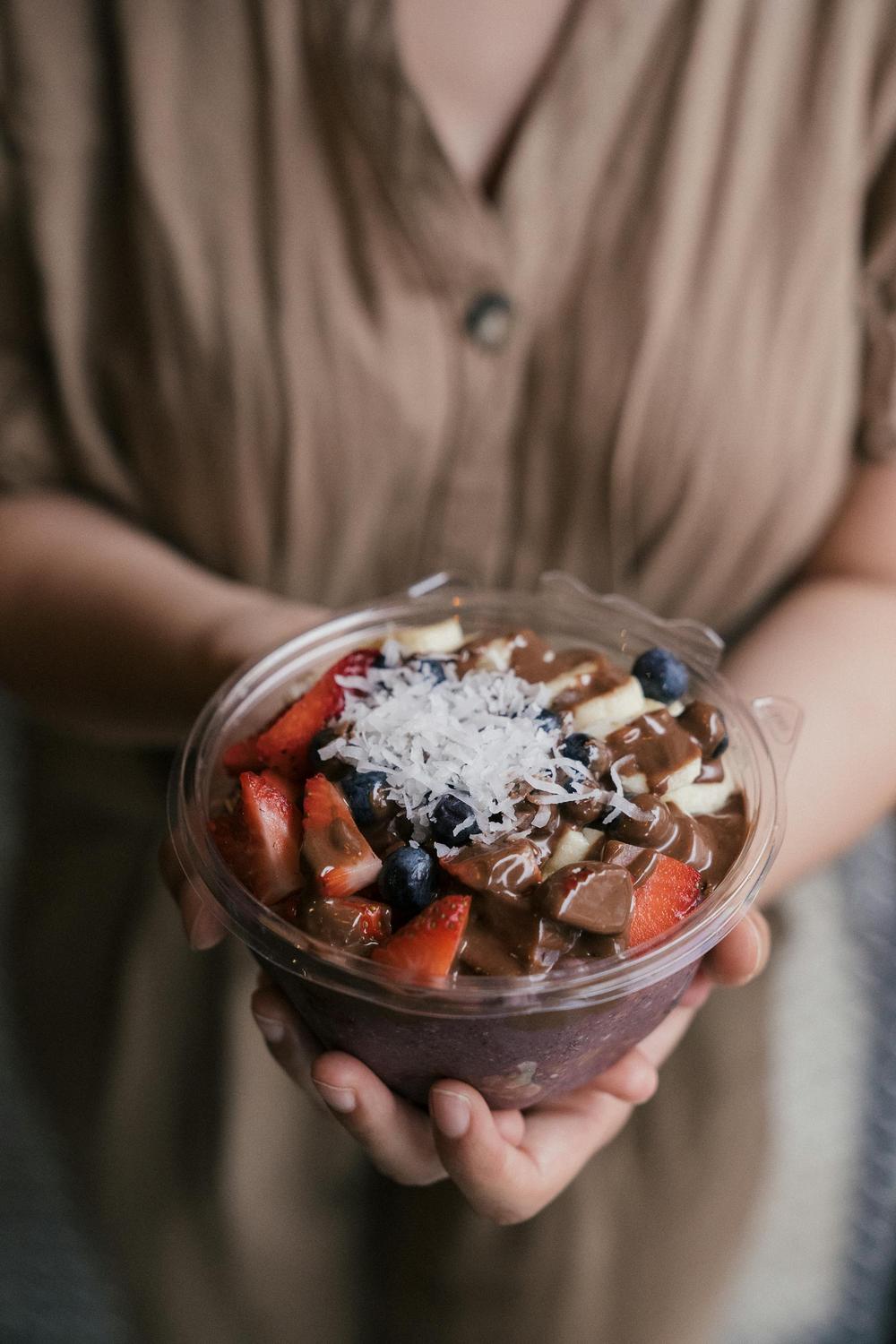
The morning meal presents a persistent challenge for many Australians. Between rushed schedules, limited appetite upon waking, and the ongoing struggle to meet nutritional requirements, breakfast often becomes either neglected entirely or reduced to convenience foods lacking substantive nutrition. According to Better Health Victoria, people who skip breakfast frequently fail to meet their recommended daily intakes of fibre, vitamins, and minerals—setting a nutritional deficit that compounds throughout the day.
This nutritional shortfall carries tangible consequences. Research demonstrates that breakfast eaters show increased physical activity in morning hours and maintain more stable blood glucose levels, whilst those who delay eating face larger fluctuations in appetite control. The question, therefore, isn’t whether breakfast matters—the evidence confirms it does—but rather how to construct morning nutrition that’s simultaneously practical, nutrient-dense, and sustainable within modern lifestyles.
DIY smoothie bowls represent a clinically sound solution to this morning nutrition dilemma, offering controlled portions, customisable macronutrient profiles, and the flexibility to align with Australian Dietary Guidelines whilst accommodating individual metabolic requirements.
Why Are Smoothie Bowls More Effective Than Traditional Smoothies for Breakfast?
The structural difference between consuming liquid nutrition through a straw versus eating with a spoon fundamentally alters the eating experience and its metabolic consequences. Cleveland Clinic registered dietitian Julia Zumpano notes that smoothie bowls encourage mindful eating practices because they must be consumed slowly with a spoon, promoting better satiety recognition and preventing the rapid consumption patterns associated with drinkable smoothies.
This eating format delivers three distinct advantages. First, the slower consumption rate allows satiety hormones adequate time to signal fullness to the brain, reducing the likelihood of overconsumption. Second, the bowl format permits both blended and unblended ingredients, providing texture variety that enhances sensory satisfaction and digestive engagement. Third, the visual presentation of a thoughtfully arranged bowl activates psychological satisfaction cues that liquid smoothies cannot replicate.
From a digestive perspective, the combination of blended base ingredients with whole food toppings maintains the fibrous integrity of certain components. Whilst blending breaks down some fibre in fruits and vegetables within the base, the whole fruits, nuts, and seeds added as toppings preserve their structural fibre, keeping digestive systems engaged and promoting sustained satiety throughout the morning hours.
The clinical significance extends beyond digestion. Research from Better Health Victoria indicates that breakfast eaters demonstrate lower rates of obesity and type 2 diabetes compared with those who skip morning meals. This protective effect stems partly from breakfast’s role in preventing large fluctuations in blood glucose levels, which subsequently helps control appetite and reduces the likelihood of consuming high-energy, high-fat foods later in the day.
What Makes a Smoothie Bowl Genuinely Nutrient-Dense?
Nutrient density refers to the concentration of essential nutrients relative to caloric content—a critical consideration given that smoothie bowls can easily become high-calorie meals if improperly constructed. The Cleveland Clinic emphasises that without adequate protein, smoothie bowls become excessively high in carbohydrates and fats, leaving individuals hungry quickly and prompting counterproductive snacking behaviours.
A genuinely nutrient-dense smoothie bowl balances three macronutrient categories: protein for blood sugar management and tissue building, fibre for digestive health and satiety, and healthy fats for nutrient absorption and sustained energy. The protein-fibre combination specifically prevents the intense blood sugar spikes that lead to energy crashes, maintaining steady glucose levels throughout morning hours.
The micronutrient profile warrants equal attention. Fruits and vegetables provide essential vitamins including vitamin C, folate, and B vitamins, alongside minerals such as potassium, magnesium, iron, and calcium. According to Nutrition Australia, chia seeds alone deliver omega-3 fatty acids, fibre, antioxidants, iron, and calcium in concentrated form. Different coloured fruits and vegetables offer distinct phytonutrient profiles—red and pink varieties provide anthocyanins, orange and yellow deliver beta-carotene, green options supply folate and iron, whilst purple and blue ingredients concentrate antioxidants.
The Australian Dietary Guidelines recommend consuming at least five serves of vegetables and two serves of fruit daily, alongside adequate wholegrains, protein sources, and dairy or alternatives. A properly constructed smoothie bowl can contribute substantially toward these targets within a single meal, providing 1-2 fruit serves through the base and toppings, vegetable serves through leafy greens, wholegrain serves through oats or quinoa toppings, and protein serves through Greek yoghurt or protein powder.
How Do You Build a DIY Smoothie Bowl That Supports Weight Management?
Constructing a weight management-focused smoothie bowl requires precision in both ingredient selection and portion control. Better Health Victoria reports that breakfast eaters show lower obesity rates partly because morning meals prevent the extreme hunger that drives poor food choices later. However, this protective effect depends on breakfast composition—specifically, the meal must provide adequate satiety without excessive calories.
The foundational structure begins with liquid base selection. Using 120-180ml (½ to ¾ cup) of unsweetened milk provides necessary blending consistency without adding surplus sugars. Options include almond milk, coconut milk, soy milk, oat milk, or cow’s milk, each offering distinct nutritional profiles. Almond milk delivers lower calories, cow’s milk provides additional protein, and fortified plant milks supply comparable calcium content.
Thickening agents establish the signature soft-serve consistency whilst contributing nutritional value. Two to three tablespoons of avocado, chia seeds, ground flaxseeds, or frozen banana create appropriate texture. Frozen fruit serves dual purposes—providing thickness and natural sweetness without requiring added sugars. One cup of frozen mixed berries or banana per bowl delivers adequate sweetness whilst controlling portion sizes.
Protein inclusion represents the most critical component for weight management. The Cleveland Clinic specifies that smoothie bowls require ½ to ¾ cup of protein sources to maintain satiety and blood sugar stability. Options include plain Greek yoghurt, silken tofu, ricotta or cottage cheese, egg whites, or protein powders such as whey, pea protein, or plant-based varieties. The key specification: protein sources should contain minimal added sugars and rely on natural sweeteners when flavoured.
| Component | Recommended Quantity | Primary Nutritional Function |
|---|---|---|
| Liquid Base | 120-180ml (½ to ¾ cup) | Hydration, blending consistency |
| Frozen Fruit | 1 cup | Natural sweetness, vitamins, thickness |
| Protein Source | ½ to ¾ cup | Satiety, blood sugar control, tissue maintenance |
| Leafy Greens | 1-2 cups | Micronutrients, fibre, minimal calories |
| Thickening Agent | 2-3 tablespoons | Texture, healthy fats, additional fibre |
| Toppings (each) | 1 tablespoon | Texture variety, nutrient diversity |
Leafy greens deserve particular emphasis. Adding 1-2 cups of spinach or kale introduces substantial micronutrients and fibre whilst contributing minimal calories—a favourable exchange for weight management objectives. The blending process neutralises their flavour when combined with sweeter fruits, making them palatably invisible whilst nutritionally significant.
Which Toppings Transform a Simple Bowl Into a Nutritional Powerhouse?
Toppings represent both the visual appeal and the nutritional complexity of smoothie bowls, yet they also constitute the primary source of excess calories when portions aren’t controlled. The Cleveland Clinic specifically warns that toppings can rapidly elevate calorie content, recommending measuring cups and spoons to limit each topping to approximately one tablespoon.
Nuts and seeds provide concentrated nutrition—healthy fats, plant-based protein, vitamins, and minerals—within small volumes. Walnuts, almonds, hazelnuts, Brazil nuts, and cashews each offer distinct nutritional profiles. Seeds including chia, ground flaxseeds, hemp hearts, sunflower seeds, and pumpkin seeds deliver omega-3 fatty acids, fibre, and minerals. Pomegranate seeds contribute antioxidants alongside visual appeal.
Nut butters require particular attention to portion control. One tablespoon of unsweetened peanut butter, almond butter, or mixed nut butters provides satisfying richness and additional protein, but exceeding this quantity rapidly increases caloric density without proportional satiety benefits. Selecting varieties without added sugars or oils maintains nutritional integrity.
Wholegrain toppings contribute both texture and additional fibre. Low-sugar granola, quinoa puffs, toasted oats, or muesli provide satisfying crunch whilst supporting the Australian Dietary Guidelines’ recommendation for 4-6 serves of grain foods daily, preferably wholegrain varieties. Again, one tablespoon portions prevent excessive caloric contribution whilst delivering substantive textural contrast.
Fresh fruit toppings introduce additional vitamins, antioxidants, and visual appeal. Strawberries, blueberries, raspberries, sliced kiwi, and fresh mango provide nutrient diversity and photogenic presentation. Unlike the blended base, these whole fruit pieces maintain full fibre structure and require chewing, further supporting satiety mechanisms.
Flavour enhancers including cinnamon, ginger, cocoa powder, vanilla extract, turmeric, matcha powder, and cacao nibs introduce powerful antioxidants and anti-inflammatory compounds without contributing substantial calories. These ingredients elevate both flavour complexity and nutritional value, supporting diverse taste preferences whilst maintaining nutrient density.
Can Smoothie Bowls Meet Australian Dietary Guidelines?
The Australian Dietary Guidelines emphasise variety across five food groups: vegetables, fruits, grains, protein sources, and dairy or alternatives. Nutrition Australia recommends that breakfast specifically includes a protein source, wholegrains, fruit and/or vegetables, and healthy fats. Smoothie bowls can simultaneously satisfy all these requirements when thoughtfully constructed.
A standard nutrient-dense smoothie bowl provides:
- Fruit serves: 1-2 serves through base ingredients and fresh toppings (meeting the 2 daily serves recommendation)
- Vegetable serves: 1 serve through incorporated leafy greens (contributing toward the 5 daily serves target)
- Grain serves: 0.5-1 serve through wholegrain toppings like oats or granola (supporting the 4-6 daily serves goal)
- Protein serves: 0.5-1 serve through Greek yoghurt, protein powder, or tofu (contributing toward the 2.5-3 daily serves requirement)
- Dairy serves: 0.5-1 serve through milk base and yoghurt (supporting the 2.5-4 daily serves target)
The nutritional profile of properly portioned smoothie bowls typically ranges from 280-400 calories per 450ml serving, with 4-15 grams of protein, 43-95 grams of carbohydrates, 7-18 grams of fibre, and 6-21 grams of fat. This macronutrient distribution aligns with morning metabolic requirements—providing adequate energy for morning activities whilst maintaining blood sugar stability until midday meals.
Customisation capacity allows smoothie bowls to accommodate various dietary requirements. Vegan approaches utilise plant-based protein powders, tofu, and plant milks. Dairy-free versions substitute non-dairy yoghurt alternatives. Gluten-free preparations select certified gluten-free oats and granola. Low-sugar variants minimise dried fruits and syrups whilst emphasising whole fruits. High-protein versions increase Greek yoghurt or protein powder ratios. Each adaptation maintains core nutritional principles whilst respecting individual dietary constraints.
The preparation efficiency supports sustainable habit formation. Smoothie bowls require approximately five minutes from blending to serving—a minimal time investment for substantive nutritional return. For individuals facing morning time constraints, smoothie packs can be prepared in advance by freezing blended ingredients in portions, then adding liquid and blending when ready to consume.
Building Sustainable Morning Nutrition Habits
The clinical evidence supporting breakfast consumption extends beyond immediate satiety. Better Health Victoria reports that children and adolescents who regularly eat breakfast demonstrate superior academic performance and greater connectedness with educational environments. For adults, consistent breakfast consumption correlates with lower obesity rates, reduced type 2 diabetes risk, and some evidence suggesting decreased cardiovascular disease risk.
These long-term health outcomes stem from breakfast’s metabolic effects. Regular morning meals prevent extreme blood glucose fluctuations, establish stable energy patterns, and reduce the likelihood of consuming high-calorie foods during vulnerable afternoon hours. The key factor isn’t merely eating breakfast, but rather consuming nutrient-dense breakfasts that support sustained satiety and metabolic stability.
DIY smoothie bowls offer practical advantages that support habit sustainability. The preparation simplicity removes common breakfast barriers—limited cooking skills, morning time constraints, and cleanup demands. The ingredient flexibility accommodates seasonal availability and budget considerations, with frozen fruits often proving more economical than fresh varieties whilst maintaining nutritional value. The customisation capacity allows continuous variation, preventing the taste fatigue that undermines dietary adherence.
Importantly, smoothie bowls align with contemporary eating patterns favouring visual appeal and ingredient transparency. The bowl format permits complete visibility of ingredients and portions, supporting mindful consumption and informed nutritional choices. This transparency contrasts with convenience breakfast options containing hidden sugars, excessive sodium, and questionable ingredient quality.
For individuals managing weight, the precision inherent in smoothie bowl construction provides valuable control. Each component can be measured, adjusted, and optimised based on individual metabolic responses. This level of customisation supports both immediate goals and long-term metabolic health, creating morning nutrition that serves multiple objectives simultaneously.
How many calories should a nutrient-dense smoothie bowl contain?
A properly balanced smoothie bowl typically contains 280-400 calories per 450ml serving, though individual requirements vary based on total daily energy needs, activity levels, and metabolic goals. For weight management purposes, breakfast should provide approximately 20-25% of total daily calories, suggesting a 400-500 calorie target for individuals consuming 2000 calories daily. The key consideration isn’t merely calorie quantity but rather macronutrient balance—adequate protein (10-15 grams minimum), substantial fibre (7+ grams), and controlled carbohydrates from whole food sources.
What’s the ideal protein content for a breakfast smoothie bowl?
Clinical recommendations suggest 10-20 grams of protein per breakfast serving to support sustained satiety and blood sugar stability. The Cleveland Clinic emphasises that without adequate protein, smoothie bowls leave individuals hungry quickly. Achieving this target requires ½ to ¾ cup of protein-rich ingredients such as Greek yoghurt, protein powder, or silken tofu. Combining multiple protein sources can also provide both the necessary quantity and amino acid diversity.
Are frozen fruits as nutritious as fresh for smoothie bowls?
Yes, frozen fruits maintain comparable nutritional value to fresh varieties, and in some cases, they can preserve vitamins, antioxidants, and phytonutrients better than fresh fruits that have experienced extended storage. For example, frozen mixed berries provide year-round access to nutrient-dense fruits regardless of seasonal availability and often at a lower cost.
How can I prevent my smoothie bowl from becoming too high in sugar?
To manage sugar content, limit total fruit usage to approximately 1-1.5 cups between the base and toppings, prioritise lower-sugar fruits such as berries over tropical fruits, and avoid added sweeteners like honey or maple syrup. Using unsweetened milk alternatives and plain Greek yoghurt helps, as does incorporating leafy greens which add volume without significantly contributing sugars.
Do smoothie bowls actually keep you full until lunch?
When properly constructed with sufficient protein (10-20 grams), substantial fibre (7+ grams), and healthy fats from nuts or seeds, smoothie bowls can provide satiety comparable to traditional breakfasts. The spoon-eating format also promotes slower consumption and better satiety recognition, typically keeping you full for 3-4 hours, though individual responses may vary.