


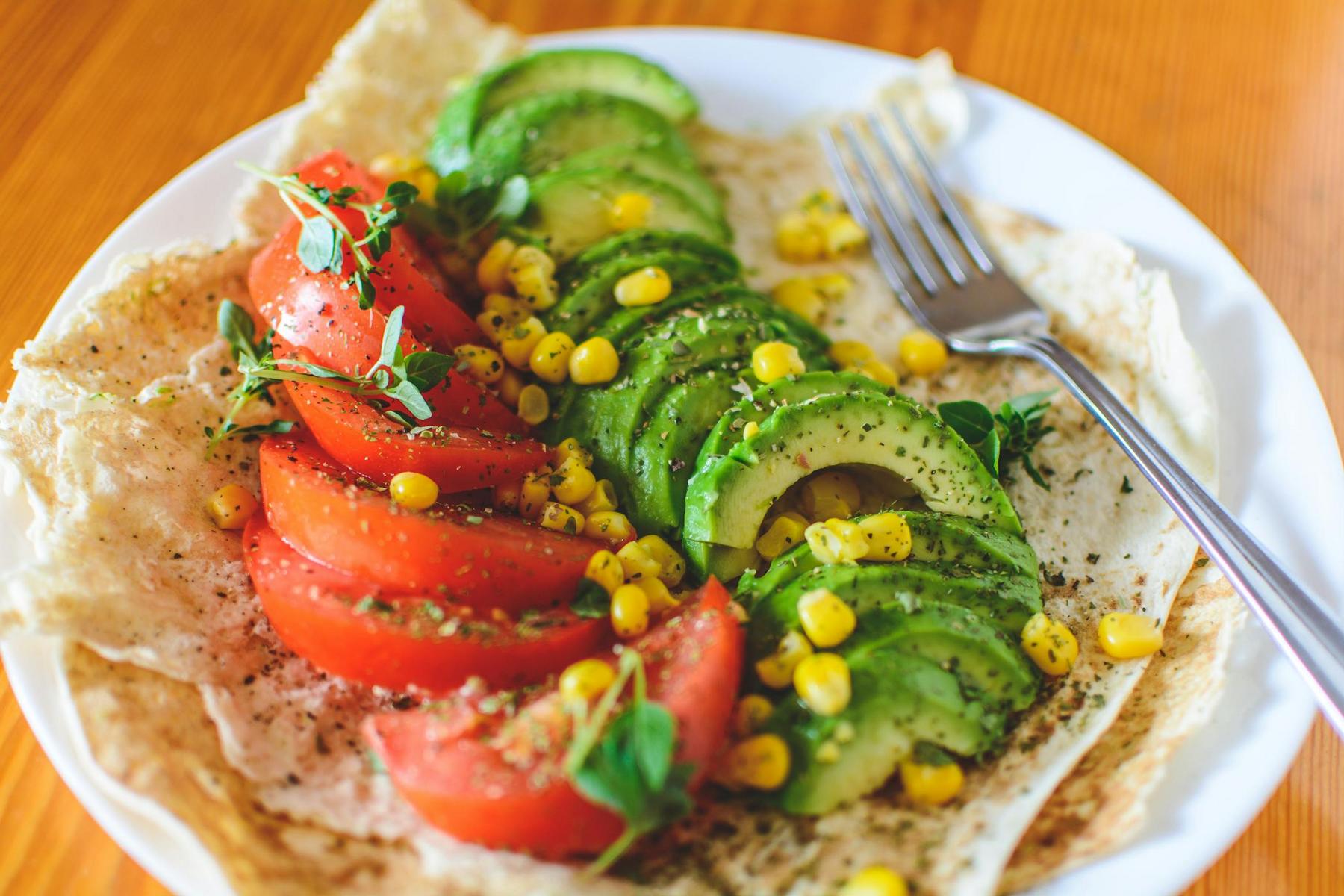
The Australian summer heat can transform meal planning from a simple task into a daily challenge. When temperatures soar above 30°C, heavy meals feel oppressive, appetite diminishes, yet the body’s nutritional needs remain constant—or even increase due to higher activity levels and fluid loss. For individuals managing their weight, summer presents both opportunities and obstacles: whilst seasonal produce offers exceptional nutritional value at peak affordability, maintaining consistent healthy eating patterns when motivation wanes can prove difficult. Understanding how to leverage summer’s natural bounty through light and fresh recipe ideas provides a scientifically-grounded approach to nutrition that supports both immediate wellbeing and longer-term health objectives.
What Makes Summer Recipes Ideal for Weight Management?
Light and fresh summer recipes offer distinct physiological advantages that align with evidence-based weight management principles. The science centres on three interconnected mechanisms: energy density, hydration, and satiety.
Research from Pennsylvania State University demonstrates that foods with high water and fibre content provide larger meal volumes with minimal calories, promoting fullness without excess energy intake. This concept—known as volumetrics—forms the foundation of sustainable weight management strategies.
Australian summer produce naturally optimises these parameters. Cucumbers contain 96-97% water whilst providing only 16 calories per cup. Tomatoes deliver 94-95% water content at 22 calories per medium fruit. Zucchini, at 93-94% water, offers merely 21 calories per cup. This exceptional water content serves dual purposes: it contributes to daily hydration requirements whilst creating satisfying meal portions with minimal caloric impact.
According to Harvard Health research, consuming just two servings of fruits and three servings of vegetables daily provides an extra 450 millilitres of fluid intake. The National Academy of Medicine recommends approximately 3.7 litres daily for men and 2.7 litres for women, with research indicating that 20-30% of this intake can originate from food sources. During Australian summer, when fluid requirements increase due to heat and perspiration, water-rich produce becomes particularly valuable.
Beyond hydration, fibre content significantly influences satiety and subsequent eating behaviour. The Mayo Clinic specifies that women aged 50 or younger require 25 grams of fibre daily, whilst men in the same age bracket need 38 grams. Studies published by the National Institutes of Health demonstrate that high-fibre meals increase fullness ratings by 25-30% and reduce subsequent calorie intake by 10-15%. Soluble fibre forms a gel-like substance during digestion, slowing gastric emptying and extending the sensation of fullness—a critical mechanism for individuals working to maintain a caloric deficit.
Summer vegetables excel in fibre content: artichokes provide 9.6 grams per cooked cup, whilst Brussels sprouts deliver 6.4 grams. Among fruits, raspberries lead with 8 grams per cup, followed by blackberries at 5.3 grams. When incorporated into light summer recipes, these ingredients create meals that satisfy hunger whilst supporting nutritional goals.
Which Australian Seasonal Produce Should Feature in Summer Recipes?
Understanding Australia’s seasonal produce calendar enables strategic meal planning that maximises nutritional value, flavour, and cost-effectiveness. The Australian summer season, spanning December through February, offers exceptional variety.
Summer Fruits Available in Australia: Mangoes reach peak availability and sweetness during these months, alongside stone fruits including apricots, nectarines, peaches, and plums. Berry varieties—strawberries, raspberries, blackberries, blueberries, and boysenberries—flourish in summer conditions. Melons including watermelon, rockmelon, and honeydew provide hydrating options, whilst tropical selections such as lychee, passionfruit, pineapple, and rambutan add diversity.
Summer Vegetables Available in Australia: Capsicum (bell peppers), tomatoes, cucumbers, zucchini, and eggplant represent staple summer vegetables. Leafy varieties including lettuce and asparagus thrive during warmer months. Legumes such as beans and peas, alongside corn, onions, and radishes complete the seasonal selection.
According to the Australian Dietary Guidelines established by the National Health and Medical Research Council, adults should consume 5-6 serves of vegetables daily (minimum 5 for women, 6 for men) alongside 2 serves of fruit. One standard vegetable serve equals half a cup of cooked vegetables or one cup of raw salad vegetables. Summer’s abundant produce makes achieving these recommendations both practical and economical.
The nutritional advantages extend beyond mere availability. Research from VegKit Australia indicates that seasonal produce contains higher levels of vitamins, minerals, and phytonutrients because it ripens naturally without requiring extended storage or long-distance transportation. Sydney Markets data confirms that seasonal produce costs significantly less during peak supply periods, making nutritious eating more accessible to Australian households.
| Ingredient | Serving Size | Calories | Protein (g) | Fibre (g) | Water % | Key Nutrient |
|---|---|---|---|---|---|---|
| Cucumber | 1 cup raw | 16 | 1 | 1 | 96 | Vitamin K |
| Tomato | 1 medium | 22 | 1 | 1.5 | 95 | Lycopene |
| Zucchini | 1 cup chopped | 21 | 1.5 | 1 | 94 | Vitamin C |
| Strawberry | ½ cup | 25 | 0.5 | 1 | 91 | Vitamin C |
| Watermelon | 1 cup diced | 46 | 0.9 | 0.6 | 92 | Hydration |
| Bell Pepper | 1 medium | 30 | 1 | 1.5 | 92 | Vitamin C |
| Chickpea | ½ cup cooked | 135 | 7 | 6 | 60 | Protein/Fibre |
| Quinoa | 1 cup cooked | 222 | 8 | 4 | 71 | Complete Protein |
What Recipe Categories Best Suit Light Summer Eating?
Light and fresh summer recipe ideas naturally divide into distinct categories, each offering specific advantages for warm-weather nutrition and weight management.
Fresh Salads with High Nutrient Density
Salads represent the quintessential summer dish, combining raw vegetables at peak freshness with minimal preparation. Caprese variations—featuring tomato, fresh mozzarella, basil, olive oil, and balsamic vinegar—deliver lycopene from tomatoes and calcium from cheese whilst remaining within 80-120 calories per serving. The Mediterranean influence in such preparations provides heart-healthy fats and anti-inflammatory compounds.
Watermelon-based salads combine the fruit’s 92% water content with complementary ingredients such as feta cheese and fresh mint. This combination provides hydration alongside flavour complexity, typically containing only 50-80 calories per cup. The addition of cucumber further enhances the hydrating properties whilst maintaining extremely low energy density.
Protein-rich salad variations incorporating chickpeas, tuna, grilled chicken, or prawns elevate nutritional completeness. Greek salads with added chickpeas or grilled chicken breast deliver 30-35 grams of protein per serving at approximately 200-250 calories, creating a satisfying meal that supports muscle maintenance during weight management.
Grilled Preparations Requiring Minimal Cooking
Grilling enhances natural flavours whilst requiring brief exposure to heat—ideal for maintaining cool kitchens during summer. Lemon herb grilled chicken provides approximately 180 calories and 35 grams of protein per 115-gram serving. Grilled prawns offer exceptional protein density at merely 100 calories per 85 grams.
Light marinades featuring lemon, garlic, and fresh herbs (parsley, basil, thyme) add negligible calories—less than 5 per tablespoon—whilst dramatically improving palatability. Alternative citrus-based combinations using lime, coriander, and jalapeño create bright, refreshing flavours particularly suited to seafood preparations.
Vegetarian options including grilled zucchini, eggplant, capsicum, and mushrooms provide satisfying texture and flavour whilst contributing minimal calories. When combined with grains such as quinoa or wholegrain couscous, these preparations create nutritionally complete meals aligned with Australian Dietary Guidelines.
Chilled Soups for Hydration and Refreshment
Traditional gazpacho—a Spanish tomato-based chilled soup—exemplifies how light summer recipes can deliver nutrition through liquid form. At 80-120 calories per serving, gazpacho provides concentrated vegetable nutrition including lycopene, vitamin C, and antioxidants whilst contributing significantly to daily fluid intake.
Green gazpacho variations featuring cucumber, fresh herbs, and tomatillos offer even lower caloric density. Chilled cucumber soup, combining cucumber with Greek yoghurt, dill, and lemon, delivers approximately 100 calories alongside high protein content from yoghurt and exceptional hydration from cucumber’s 96% water content.
These preparations can be prepared in advance and stored refrigerated for several days, making them practical for meal planning despite requiring blending equipment.
Spiralised Vegetable Alternatives
Zucchini noodles—commonly termed “zoodles”—represent a strategic substitution that dramatically reduces caloric intake whilst maintaining meal volume. At 20 calories per cup compared to traditional pasta’s 200+ calories, spiralised zucchini provides approximately 90% calorie reduction for similar serving sizes. When topped with light tomato sauce enriched with fresh basil and garlic, the resulting dish satisfies pasta cravings whilst supporting caloric deficit requirements.
No-Cook Assembly Meals
During peak summer heat, avoiding cooking altogether becomes appealing. Fresh vegetable wraps using lettuce leaves instead of traditional flour tortillas create satisfying hand-held meals. Filled with colourful vegetables and protein sources such as grilled chicken, tofu, or chickpeas, these preparations typically contain 150-200 calories whilst providing high water content and satisfying crunch.
Chilled grain bowls featuring pre-cooked quinoa or brown rice, combined with raw summer vegetables and protein, offer convenience alongside nutrition. These can be prepared in bulk and refrigerated, providing readily available meals throughout busy weeks.
How Can Fresh Herbs and Flavour Profiles Enhance Summer Recipes?
The strategic incorporation of fresh herbs transforms simple ingredients into memorable dishes whilst adding virtually zero calories. Summer’s warmth intensifies herb growth, making basil, coriander, mint, parsley, and dill particularly abundant and affordable at Australian markets.
Basil contains anti-inflammatory compounds and pairs naturally with tomatoes, a combination fundamental to Mediterranean cuisine. The polyphenols in fresh basil contribute to the overall antioxidant capacity of meals. Coriander aids digestion whilst providing distinctive flavour particularly suited to Latin American and Asian-inspired preparations. Mint offers a cooling sensation especially welcome in hot weather, making it ideal for fruit salads, beverages, and Middle Eastern-inspired dishes.
Mediterranean flavour profiles—combining tomato, basil, olive oil, and lemon—create heart-healthy dishes supported by extensive research. The anti-inflammatory properties of olive oil’s monounsaturated fats, combined with lycopene from tomatoes and vitamin C from lemon, provide cardiovascular benefits alongside exceptional taste.
Citrus and acid brightness enhance perceived flavour without adding calories. Lemon juice provides vitamin C whilst its acidity balances richness and enhances other flavours in dishes. Lime juice offers similar benefits with distinctive tropical notes. Balsamic vinegar contributes antioxidants alongside its characteristic sweet-tart profile. These ingredients allow for dramatic flavour development using minimal added fats or sodium.
What Practical Strategies Support Consistent Summer Recipe Implementation?
Theoretical knowledge requires practical application strategies to create lasting dietary changes. Several evidence-based approaches facilitate consistent incorporation of light and fresh summer recipe ideas.
Strategic Shopping at farmers’ markets
Australia hosts over 80 farmers’ markets throughout major cities, providing direct access to locally-grown seasonal produce. The Australian Farmers’ Markets Association emphasises multiple benefits: direct interaction with growers enables learning about optimal storage and preparation methods; peak freshness from recent harvest maximises both flavour and nutrition; cost savings during peak season make healthy eating more economical; and supporting local agriculture strengthens regional food systems.
Visiting markets early ensures best selection, whilst building relationships with regular vendors often leads to recipe suggestions and advance notice of upcoming seasonal items.
Structured Meal Planning Aligned with Dietary Guidelines
The Australian Guide to Healthy Eating provides practical plate composition guidance. A balanced meal should comprise approximately one-third non-starchy vegetables (lettuce, cucumber, tomato, zucchini), one-quarter protein (grilled fish, chicken, legumes), one-quarter whole grains or starchy vegetables (corn, sweet potato, quinoa), with fresh fruit as dessert or snack. This composition naturally aligns with light summer recipes whilst ensuring nutritional completeness.
Preparing vegetables in advance—washing, chopping, and storing in airtight containers with paper towels to absorb excess moisture—reduces meal preparation time throughout the week. According to research from Refresh-Eco, most summer vegetables maintain optimal quality for 3-5 days when properly stored. Frozen berries retain over 90% of nutritional value, providing convenient options for smoothies and desserts.
Gradual Fibre Increase Protocol
Mayo Clinic and gastrointestinal specialists recommend gradually increasing fibre intake over several weeks to avoid digestive discomfort including bloating, cramping, and gas. When transitioning to summer recipes naturally higher in fibre, begin with moderate portions and systematically increase serving sizes. Pair increased fibre consumption with adequate hydration—minimum 2 litres daily—to facilitate proper digestive function.
Moving Forward with Summer Nutrition
Light and fresh summer recipe ideas represent more than seasonal eating trends—they embody evidence-based nutritional principles that support both immediate wellbeing and longer-term health objectives. The convergence of peak produce availability, optimal nutrient density, natural hydration support, and inherent palatability creates ideal conditions for sustainable dietary improvements.
Australian summer’s abundant vegetable and fruit varieties enable practical achievement of national dietary guidelines whilst naturally supporting weight management through high-volume, low-calorie-density meals. The scientific mechanisms—enhanced satiety from fibre, hydration from water-rich produce, and metabolic support from micronutrients—work synergistically to facilitate health improvements.
The simplicity of summer recipes reduces barriers to implementation. Many preparations require minimal cooking, limited ingredients, and brief preparation time, making them accessible regardless of culinary expertise. The economic advantages of seasonal shopping further support long-term adherence, whilst the environmental benefits of local, seasonal eating align with broader sustainability values.
For individuals committed to weight management, incorporating these principles creates a foundation for lasting change. The combination of nutritional optimisation, practical simplicity, and exceptional flavour supports consistent behaviour patterns essential for achieving health objectives.
What are the easiest light and fresh summer recipe ideas for beginners?
Begin with simple preparations requiring minimal cooking: caprese salad (sliced tomatoes with mozzarella and basil), watermelon feta salad with mint, cucumber slices with hummus, or mixed green salads with grilled chicken. These recipes require basic knife skills and no cooking, making them ideal starting points. As confidence develops, progress to chilled soups, grilled vegetables, or spiralised vegetable dishes.
How can I ensure light summer recipes provide adequate protein for weight management?
Incorporate lean protein sources into each meal: grilled chicken breast (35g protein per 115g serving), prawns (20g protein per 85g), tinned tuna in springwater, Greek yoghurt (10g per 100g), chickpeas (7g per half cup cooked), or quinoa (8g per cup cooked). Distributing protein across meals enhances satiety and supports muscle maintenance during weight loss.
Are light and fresh summer recipes suitable for meal preparation and storage?
Many summer recipes excel for meal preparation. Grain-based salads with quinoa or brown rice can be stored refrigerated for 3-4 days, chilled soups maintain quality for up to five days when properly stored, pre-chopped vegetables in airtight containers last 3-5 days, and grilled proteins can be prepared in bulk and refrigerated for use throughout the week. However, dressed salads should be assembled just before consumption to maintain texture.
How do I incorporate Australian Dietary Guidelines into light summer recipes?
Structure meals to include five vegetable serves daily—with one serve equal to half a cup of cooked vegetables or one cup of raw salad vegetables—and two serves of fruit. For example, a summer lunch might include a large salad with mixed leaves, cherry tomatoes, cucumber, and capsicum alongside grilled chicken and quinoa, with fresh berries or melon for dessert.
Can light and fresh summer recipes support significant weight management goals?
Light summer recipes provide foundational nutritional support for weight management through high-volume, nutrient-dense, low-calorie meals. The high water and fibre content enhances satiety whilst supporting a caloric deficit. However, significant weight management often benefits from comprehensive medical support, and some programs report notable results with structured medical weight loss treatments.