


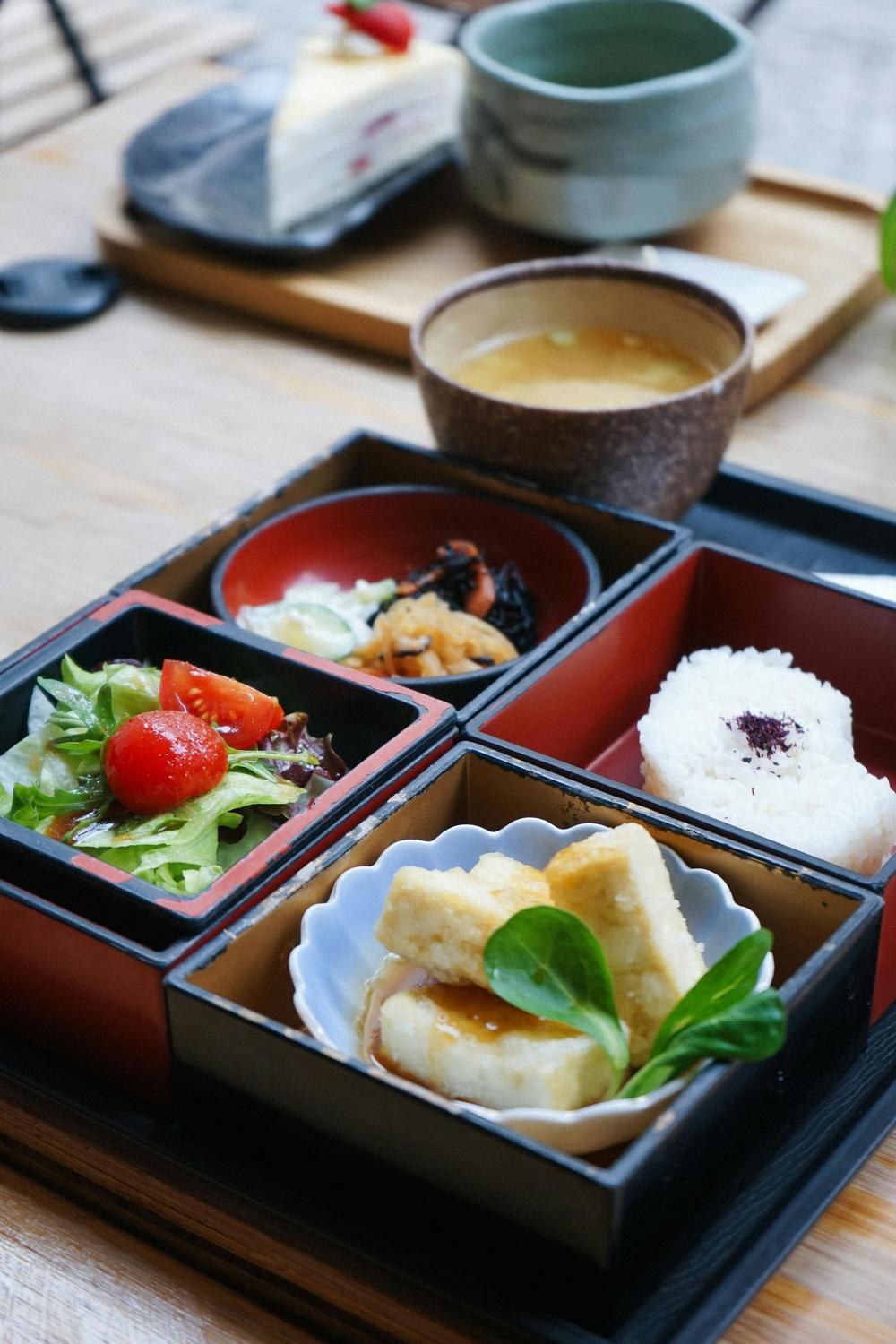
Picture this: it’s 2:30 PM on a Tuesday afternoon. You’re staring at your computer screen, fighting to concentrate as your stomach growls and your energy plummets. The café queue is too long, your wallet is protesting yesterday’s $18 salad, and you’re already dreading the regret that comes with another greasy meal deal. This scenario plays out across Australian workplaces and university campuses daily, yet the solution sits unused in most kitchen cupboards: a proper lunchbox.
The statistics paint a sobering picture of Australian lunch habits. Only 4% of working Australians take lunch from home each day, whilst almost 60% admit to sometimes skipping lunch altogether, with one in six doing so frequently. The average full-time worker spends $1,400 annually on lunches, with 10% exceeding $3,000. Meanwhile, 28% eat at their desk despite research showing detrimental health effects of prolonged sitting combined with poor nutrition.
Lunch functions as your midday fuel stop, essential for maintaining energy and cognitive function throughout afternoon hours. When you skip lunch or consume inadequate nutrition, your body experiences energy dips and intensified food cravings later in the day, frequently resulting in overeating at dinner and poor evening snacking choices.
Research from the Household, Income and Labour Dynamics in Australia (HILDA) Survey reveals that greater work hours correlate directly with higher out-of-home food purchasing and fewer daily servings of fruits and vegetables. Those working 40 hours weekly purchase food out more than three times per week. Longer work hours and commute times inversely associate with fruit and vegetable consumption, creating a cycle where busy professionals and students sacrifice nutrition for convenience.
The hybrid work environment introduces additional challenges. Whilst 53% of Australians report cooking more balanced meals at home, 30% of Gen Z Australians increasingly choose meal delivery services for work-from-home meals, and 34% consume more snack foods when working remotely. Younger generations particularly rely on convenience options that often fall short of nutritional requirements.
Harvard research demonstrates that following healthy eating patterns associates with 40% lower cardiovascular disease risk in men and 30% lower risk in women. A British civil servants study tracking participants over 18 years found 25% lower mortality risk amongst those maintaining balanced diets. These outcomes stem significantly from consistent, nutritious midday meals that stabilise blood sugar, provide essential nutrients, and prevent the afternoon energy crashes that derail healthy eating intentions.
The Australian Dietary Guidelines established by the National Health and Medical Research Council (NHMRC) provide the framework for nutritious lunchbox composition. Understanding the five core food groups enables you to construct meals meeting your body’s nutritional requirements whilst supporting sustained energy and concentration.
A balanced nutritious lunchbox should contain four essential components working synergistically:
Protein (25% of your meal): Protein serves as the most satiating macronutrient, slowing gastric emptying and nutrient absorption whilst supporting muscle maintenance. Aim for 20-40 grams per meal. Sources include grilled chicken, fish (particularly fatty varieties like salmon and mackerel), eggs, lean beef, cottage cheese, Greek yoghurt, legumes, tofu, nuts, and seeds.
Complex Carbohydrates (25% of your meal): Whole grains and complex carbohydrates prevent blood sugar spikes and crashes that impair afternoon productivity. Choose brown rice, quinoa, whole grain bread, sweet potatoes, oats, whole wheat pasta, or legumes. These provide sustained energy through slower glucose release compared to refined carbohydrates.
Vegetables and Fruits (50% of your meal): This represents the most critical component yet remains most neglected. Vegetables should dominate your lunchbox, providing essential vitamins, minerals, fibre, and antioxidants. Different colours offer distinct micronutrients: orange vegetables provide beta-carotene and vitamin C, green vegetables supply iron and folate, whilst red and purple varieties contain anthocyanins acting as powerful antioxidants.
Healthy Fats (integrated throughout): Essential fatty acids cannot be synthesised by your body and must come from dietary sources. Include olive oil, avocado, nuts, seeds, or fatty fish. These fats support nutrient absorption, hormone production, and provide satiety. Keep portions moderate—approximately thumb-sized.
Nutritious Lunchbox Component Comparison
| Component | Serving Size | Australian Guideline | Key Benefits | Examples |
|---|---|---|---|---|
| Protein | Palm-sized (20-40g) | 2.5-3 serves daily | Satiety, muscle maintenance, sustained energy | Chicken, fish, eggs, tofu, legumes, Greek yoghurt |
| Complex Carbs | Cupped-hand sized | 4-6 serves daily | Sustained energy, blood sugar control, fibre | Brown rice, quinoa, wholegrain bread, sweet potato |
| Vegetables | 1-2 fist-sized | 5+ serves daily | Micronutrients, fibre, disease prevention | Leafy greens, capsicum, tomatoes, carrots, broccoli |
| Fruit | Tennis ball sized | 2 serves daily | Vitamins, fibre, natural energy | Apples, berries, oranges, bananas |
| Healthy Fats | Thumb-sized | Moderate amounts | Nutrient absorption, hormone production, satiety | Olive oil, avocado, nuts, seeds |
How Can You Prepare Efficient Lunchboxes with Meal Prep?
Strategic meal preparation transforms nutritious lunchbox assembly from overwhelming to effortless. Research demonstrates that home-prepared options consistently contain higher protein, more vegetables, healthier fats, and lower sodium compared to shop-bought alternatives. Additionally, you’ll save approximately $1,400 annually whilst reducing food waste through better planning.
Weekend batch cooking delivers maximum efficiency. Investing 2-3 hours yields five days of lunchbox components requiring only 5-10 minutes morning assembly. This approach eliminates decision fatigue whilst ensuring consistent nutrition throughout your week.
Protein preparation: Cook proteins in batches lasting 3-5 days refrigerated. Hard-boil eggs (lasting up to seven days), grill chicken breasts, bake salmon portions, prepare tuna or chicken salad, cook lean mince, roast chickpeas, or marinate tofu. Portion these into individual containers immediately after cooking.
Grain and carbohydrate cooking: Prepare brown rice, quinoa, pasta, or roast sweet potatoes. These store up to four days in airtight containers. Cook double portions with dinner to automatically create next-day lunch components.
Vegetable preparation: Roast mixed vegetables (broccoli, carrots, capsicum, zucchini, sweet potato) in large batches. Prepare raw vegetable sticks (carrots, celery, cucumber) and store in water-filled containers. Wash and portion salad greens. Pre-cut cherry tomatoes. Each preparation step eliminates morning rush decisions.
Dressings and sauces: Prepare vinaigrettes, hummus, Greek yoghurt-based dips, or pesto in advance. Store dressings separately from salads to prevent sogginess, adding just before eating.
Storage considerations significantly impact food safety and quality. Glass or stainless-steel containers prove superior to plastic, reducing toxin exposure whilst keeping food fresher. Compartmentalised containers prevent ingredient mixing and maintain texture. Pack perishables with ice packs or frozen water bottles, ensuring items remain below 5°C until consumption. If your workplace lacks refrigeration, invest in an insulated cooler bag available at supermarkets.
What Are Practical Nutritious Lunchbox Ideas You Can Pack Today?
Applying the balanced meal formula—protein plus carbohydrates plus fibre plus healthy fats—creates endless nutritious lunchbox variations. These examples demonstrate practical combinations suitable for diverse preferences and dietary requirements.
Mediterranean Grain Bowl: Construct your bowl with 100 grams grilled chicken, ½ cup cooked quinoa, mixed leafy greens, cherry tomatoes, cucumber, capsicum, 2 tablespoons hummus, and olive oil dressing. Include seasonal fruit. This combination provides approximately 25 grams protein, substantial fibre, healthy fats, and abundant micronutrients supporting afternoon concentration.
Protein-Packed Salad: Combine 100 grams salmon or chickpeas with mixed greens, roasted sweet potato, avocado slices, sunflower seeds, and tahini dressing. Add wholegrain crackers separately. This option delivers omega-3 fatty acids essential for brain function alongside complete macronutrient balance.
Wholegrain Sandwich Construction: Layer 80 grams turkey or tuna on wholegrain bread with lettuce, tomato, cucumber, and avocado. Include carrot sticks, an apple, and a small handful of unsalted nuts. This familiar format provides comfort whilst meeting nutritional requirements through quality ingredients.
Asian-Inspired Rice Bowl: Combine ½ cup brown rice with 100 grams tofu, steamed broccoli, snap peas, shredded carrot, edamame, and sesame oil dressing. Pack mandarin segments separately. This plant-based option demonstrates that nutritious lunchboxes accommodate vegetarian and vegan requirements effectively.
Snack-Style Lunchbox: Sometimes called “adult lunchables,” arrange cheese cubes, hard-boiled eggs, wholegrain crackers, cherry tomatoes, cucumber rounds, capsicum strips, hummus, grapes, and dark chocolate squares in compartments. This assembly-free option suits rushed mornings whilst providing balanced nutrition and variety preventing monotony.
Leftover Transformation: Repurpose previous evening’s dinner components into fresh lunchbox arrangements. Roast chicken becomes chicken salad wraps. Grilled vegetables pair with freshly cooked quinoa. Beef stir-fry transforms into rice bowl lunches. This strategy maximises cooking efficiency whilst minimising food waste.
Each nutritious lunchbox should accompany adequate hydration. Pack a refillable water bottle—freezing overnight provides cold water throughout your day. Water contains no kilojoules, sugar, caffeine, or additives, supporting optimal hydration essential for cognitive function and metabolism.
How Does Portion Control Support Your Health Goals?
Understanding appropriate portions transforms good ingredients into balanced nutrition supporting weight management and sustained energy. Australian Dietary Guidelines specify serving sizes, yet visual cues provide practical everyday guidance for nutritious lunchbox assembly.
The hand-based portion guide offers simple, portable measurements requiring no scales or measuring cups. Your protein portion should approximate your palm size (20-40 grams). Complex carbohydrates should fill your cupped hand. Vegetables require one to two fist-sized portions. Healthy fats measure roughly your thumb size. These intuitive measurements adjust naturally to individual body sizes and requirements.
Research demonstrates that portion-controlled meals reduce daily energy intake whilst maintaining satiety. Using smaller dinnerware creates the optical illusion of larger portions, satisfying psychological fullness cues. Compartmentalised containers provide automatic portion control through physical boundaries, preventing unconscious overeating whilst ensuring balanced macronutrient distribution.
For individuals pursuing weight management with BMI 27 or above, nutritious lunchbox composition proves crucial for supporting medical programmes. Adequate protein (20-40 grams) combined with high fibre intake (aiming for 25-30 grams daily) promotes satiety throughout afternoon hours, preventing energy crashes that trigger poor snacking decisions. Balanced lunches maintain consistent kilojoule intake whilst providing nutrients essential for metabolism and overall health.
Strategic portion control extends beyond main meals. Pre-portion snacks into single servings immediately after shopping. This prevents eating directly from containers, a behaviour strongly associated with overconsumption. Include planned snacks in your nutritious lunchbox—Greek yoghurt, fruit, raw vegetables with hummus, or small handfuls of unsalted nuts—to prevent vending machine temptations when afternoon hunger strikes.
Eating slowly enables the 20-minute window required for your brain to register fullness accurately. Drinking water before meals may reduce overall intake. These behavioural strategies complement portion control, creating comprehensive approaches supporting health goals without requiring calorie counting or restrictive eating patterns that prove unsustainable long-term.
Transforming Your Lunch Habits: The Path Forward
The evidence unequivocally demonstrates that nutritious lunchboxes represent far more than midday sustenance. They function as strategic health investments delivering measurable returns: enhanced productivity, reduced sick leave, improved chronic disease markers, substantial cost savings, and sustained energy supporting personal and professional goals.
Implementing nutritious lunchbox habits requires initial effort—learning portion sizes, establishing meal prep routines, acquiring proper containers, and building new shopping patterns. However, these investments compound rapidly. Within weeks, preparation becomes automatic. Within months, your body adapts to consistent nutrition, energy stabilises, and previous afternoon slumps become distant memories.
Begin with manageable changes. Select one or two nutritious lunchbox formulas this week. Gradually expand your repertoire as confidence builds. Prioritise weekend preparation sessions, recognising that 2-3 hours invested yields five days of simplified mornings and consistent nutrition. Focus on variety—rotating proteins, trying seasonal vegetables, exploring different cuisines and flavour profiles—to prevent monotony whilst maximising micronutrient diversity.
For professionals and students balancing demanding schedules with health goals, nutritious lunchboxes provide the consistent, controlled nutrition foundation necessary for success. The 25% productivity improvement documented amongst workers eating healthy diets translates directly to career advancement, academic achievement, and improved quality of life. The financial savings—over $1,400 annually—fund other health investments or simply reduce financial stress.
Your lunchbox represents three critical elements: nourishment for immediate performance, investment in long-term health, and demonstration of self-respect through prioritising your wellbeing. The choice between another expensive, nutritionally deficient takeaway meal and a thoughtfully prepared nutritious lunchbox ultimately determines not just afternoon energy, but cumulative health outcomes over years and decades.
How long do meal-prepped lunchbox components stay fresh?
Most cooked proteins remain safe 3-5 days when refrigerated properly below 5°C. Hard-boiled eggs last up to seven days. Cooked grains and pasta stay fresh up to four days in airtight containers. Raw vegetables cut into sticks last 3-5 days when stored in water-filled containers. Leafy salad greens maintain quality 3-4 days when washed, thoroughly dried, and stored with paper towels absorbing excess moisture. Always smell and visually inspect food before consuming. When in doubt, discard items. Using glass or stainless-steel containers rather than plastic extends freshness whilst reducing chemical exposure.
What are the best nutritious lunchbox options without workplace refrigeration?
Numerous nutritious lunchbox options remain safe at room temperature for several hours. Pack sandwiches with stable proteins like peanut butter, hummus, or hard cheeses rather than deli meats that require refrigeration. Include shelf-stable items: wholegrain crackers, nuts, seeds, dried fruit, fresh whole fruits, and raw vegetables. Use insulated lunch bags with frozen water bottles or ice packs to maintain cool temperatures for 4-6 hours. Thermoses can keep soups, stews, or curries hot until lunch. Some even opt for a small desktop fridge if the workplace completely lacks refrigeration.
How can I make nutritious lunchboxes more interesting and prevent boredom?
Rotate your protein sources weekly—chicken one week, fish another, then legumes or tofu. Experiment with international cuisines like Mediterranean, Asian, Mexican, or Middle Eastern, each offering distinct flavour profiles using familiar ingredients. Change vegetables seasonally to take advantage of peak freshness and lower prices. Vary your grain base by alternating between options such as quinoa, brown rice, farro, bulgur, and whole wheat pasta. Prepare a few different dressings or sauces weekly to dramatically alter the flavour profile of similar ingredients. Themed days like ‘Mediterranean Monday’ or ‘Taco Tuesday’ can also keep meals exciting.
Are nutritious lunchboxes suitable for weight management programmes?
Absolutely. Nutritious lunchboxes are essential for successful weight management by providing controlled portions, balanced macronutrients, and consistent kilojoule intake. Emphasising vegetables (filling half your container), adequate protein (20-40 grams for satiety), and whole grains (for sustained energy) can help prevent the afternoon energy crashes that trigger overeating. For those on structured weight management programmes, lunchboxes ensure alignment between medical recommendations and daily eating practices, supporting sustained progress.
What should I include in a nutritious lunchbox for high-intensity work or study days?
High-demand days require strategic nutrition to support sustained cognitive function and energy. Prioritise complex carbohydrates that provide slow-release energy—brown rice, quinoa, sweet potatoes, or wholegrain bread. Increase protein slightly to 30-40 grams to maintain concentration and stave off hunger. Incorporate omega-3 rich foods such as salmon, walnuts, or chia seeds for brain support. Ensure the inclusion of ample vegetables and fruits for micronutrients, fibre, and hydration. Adding planned snacks like Greek yoghurt, fruit, or raw vegetables with hummus can prevent energy dips between meals, while adequate hydration (aim for 2-3 litres of water daily) is crucial.