


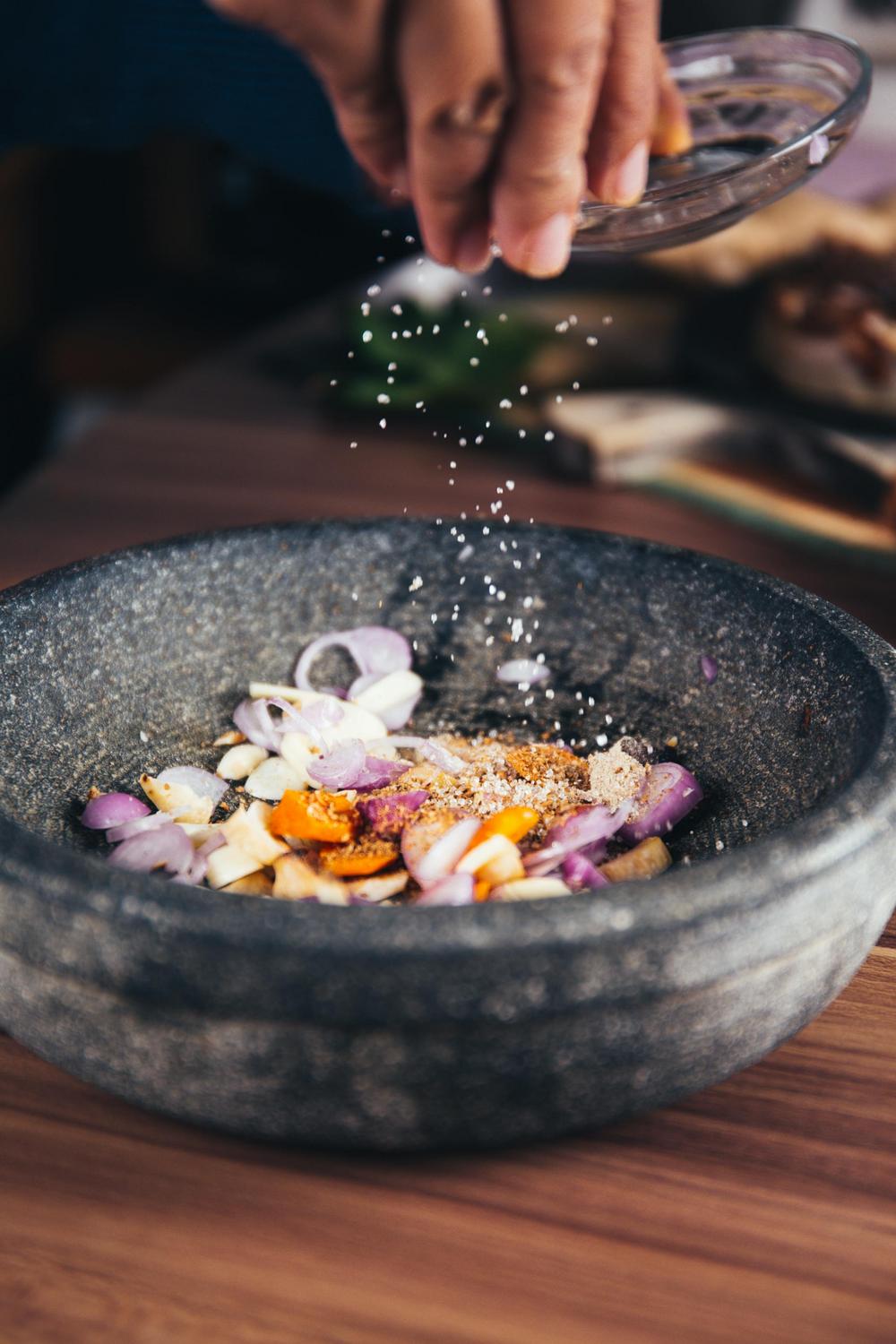
Australians consume nearly double the recommended daily salt intake—approximately 8-9 grams compared to the recommended 5 grams. This excess sodium contributes to an estimated 3,400 preventable deaths annually from cardiovascular disease. For those managing weight or addressing blood pressure concerns, reducing sodium presents a common challenge: food suddenly tastes bland, unsatisfying, and frankly disappointing. The concern that low-salt cooking means flavourless meals stops many people from making necessary dietary changes.
However, research demonstrates that satisfying, deeply flavoured meals are entirely achievable without relying on sodium. The solution lies not in accepting diminished taste, but in understanding how to build complex flavour through strategic use of herbs, spices, acids, umami-rich ingredients, and proper cooking techniques. Within 2-3 weeks, taste buds adapt to lower sodium levels, and most people report they no longer miss the salt—finding that their previous high-sodium favourites now taste overwhelmingly salty.
This article examines evidence-based approaches to boosting flavour in low-salt recipes, providing practical strategies supported by Australian health agencies, international research, and nutritional science.
Why Does Salt Make Food Taste Better (And What Replaces It)?
Salt functions as a flavour enhancer by bringing out the natural brightness of foods and masking undesirable tastes. Chemically, sodium chloride acts to “meld flavours together,” creating the satisfying mouthfeel and taste complexity we associate with well-seasoned food.
When reducing sodium, the challenge involves replacing salt’s multifunctional role. Fortunately, several categories of ingredients accomplish this through different mechanisms:
- Herbs and spices contain essential oils and aromatic compounds that provide intense flavour without any sodium. These phytonutrient-rich ingredients offer health benefits alongside taste—for example, turmeric provides anti-inflammatory properties, while black pepper may enhance nutrient absorption.
- Acidic ingredients brighten dishes and make flavours “pop” in ways remarkably similar to salt. A squeeze of lemon juice or a splash of vinegar creates satisfying complexity while highlighting natural food tastes.
- Umami-rich foods deliver the deep, savoury satisfaction that makes meals feel complete. Natural glutamates in mushrooms, tomato paste, and nutritional yeast provide richness without sodium.
- Cooking techniques themselves generate flavour through caramelisation, charring, and layering. High-heat methods like roasting and grilling create depth that transcends simple seasoning.
Research shows that 75-80% of dietary sodium comes from processed foods, with only 15% added during cooking or at the table. This means that fresh ingredient cooking—the foundation of low-salt preparation—inherently reduces sodium whilst maximising flavour potential.
How Can Herbs and Spices Transform Low-Salt Cooking?
Herbs and spices represent the primary solution for boosting flavour in low-salt recipes. These ingredients contain concentrated aromatic compounds that deliver intense taste without contributing any sodium.
Fresh Versus Dried Herbs
Fresh herbs provide bright, vibrant flavours best added near the end of cooking. Use approximately three times more fresh herbs than dried equivalents. Basil, coriander, dill, parsley, and mint excel in raw applications like salads, garnishes, and finishing touches.
Dried herbs and spices offer concentrated potency suitable for longer cooking. One teaspoon of dried herbs equals roughly one tablespoon of fresh. Oregano, thyme, rosemary, bay leaves, and dried spices should be added early in the cooking process to release essential oils.
Most Effective Seasonings for Salt Replacement
Garlic and onion powders provide deep, savoury satisfaction that directly addresses the umami gap left by removed salt. These aromatics form the foundation of most successful low-sodium cooking.
Paprika (particularly smoked varieties) adds colour, mild sweetness, and depth without heat. This versatile spice works across protein types and vegetables.
Cumin delivers earthy, smoky notes that enhance curries, soups, roasted vegetables, and grain dishes. Its robust flavour compensates for missing salt in bean-based meals.
Black pepper (freshly ground) provides pungency and slight heat. Research indicates pepper may help the body absorb nutrients more effectively whilst supporting brain health.
Oregano demonstrates particular effectiveness in reducing salt cravings when added to dishes. This Mediterranean herb contains antioxidants supporting immune function.
Creating Effective Spice Blends
Homemade seasoning blends offer cost-effective alternatives to commercial varieties whilst eliminating hidden sodium. Essential combinations include:
- All-Purpose Garlic & Herb Blend: Dried onion, garlic powder, paprika, thyme, black pepper
- Lemon Pepper Seasoning: Coarsely ground black pepper, dried lemon peel, oregano, thyme
- Mexican Taco Seasoning: Chilli powder, cumin, paprika, oregano, garlic powder, onion powder
- Mediterranean Mix: Oregano, basil, rosemary, thyme, garlic powder
Store spice blends in cool, dry locations and replace every 6-12 months for maximum potency. Dried herbs don’t expire per se but lose flavour intensity over time.
What Role Does Acidity Play in Enhancing Flavour?
Acidic ingredients function similarly to salt by brightening dishes and melding flavours together. The key difference: acids create satisfying taste complexity without contributing sodium.
Citrus Applications
Lemon, lime, orange, and grapefruit provide both juice and zest—two distinct flavour components. Juice delivers bright acidity, whilst zest contains aromatic oils adding complexity. These ingredients particularly enhance fish, poultry, roasted vegetables, and cream-based dishes whilst providing vitamin C.
Adding citrus near the end of cooking preserves fresh brightness. For marinades, citrus juice tenderises proteins whilst infusing flavour over 3-24 hours of refrigeration.
Vinegar Varieties
Each vinegar type offers unique flavour profiles suitable for different applications:
- Balsamic vinegar: Provides rich, slightly sweet notes ideal for roasted vegetables and reduction sauces.
- Apple cider vinegar: Delivers fruity sweetness working well in dressings and marinades.
- Rice vinegar: Offers mild, delicate acidity perfect for Asian-inspired dishes.
- Red wine vinegar: Provides robust tang suitable for heartier preparations.
Use vinegars in salad dressings, marinades, sauces, and soups. A tablespoon of vinegar added to slow-cooked dishes during final minutes brightens overall flavour.
Fermented and Tomato-Based Acids
Sun-dried tomatoes and tomato paste combine acidity with natural umami, providing dual flavour enhancement. Tamarind paste offers sour-sweet complexity in Asian cooking. Fermented foods like sauerkraut provide acidity, though sodium content requires verification.
How Does Umami Replace the Satisfaction That Salt Provides?
Umami—the fifth taste alongside sweet, salty, sour, and bitter—means “pleasant savoury taste” in Japanese. This flavour dimension, created by naturally occurring glutamates, provides the deep satisfaction that makes meals feel complete.
Umami-Rich Ingredients for Low-Salt Cooking
Mushrooms, particularly shiitake and porcini varieties, deliver concentrated umami. Roasting mushrooms intensifies this savoury quality. Mushroom powder offers concentrated seasoning suitable for sprinkling on finished dishes or incorporating into cooking.
Tomato paste provides umami density from concentrated tomatoes. One tablespoon adds substantial savoury depth to sauces, soups, and braises without overwhelming other flavours.
Nutritional yeast delivers cheesy, savoury taste without dairy or sodium whilst providing plant-based vitamin B12. This ingredient works particularly well in vegetarian preparations.
Caramelised onions develop through slow cooking over medium-high heat. The transformation from sharp to sweet-savoury creates rich base flavours for soups, sauces, and grain dishes.
Unsalted broths made from meat, poultry, or seafood provide umami-rich liquid bases. Making stock from scratch ensures sodium control whilst maximising flavour extraction.
Layering Umami for Maximum Impact
Combining multiple umami sources creates synergistic effects exceeding individual components. A tomato-based sauce incorporating mushrooms, caramelised onions, and herbs delivers complex satisfaction without any added salt. This layering principle represents a foundational technique in boosting flavour in low-salt recipes.
Which Cooking Methods Intensify Natural Flavours?
Proper cooking technique generates flavour through chemical reactions independent of seasoning. These methods create the complexity and satisfaction often attributed to salt.
High-Heat Applications
Roasting vegetables at 200-220°C creates caramelisation—the browning of natural sugars producing sweet, complex flavours. This transformation turns bland vegetables into satisfying components.
Grilling and charring develop smoky depth through direct high-heat exposure. The Maillard reaction between proteins and sugars creates hundreds of flavour compounds.
Searing proteins builds foundational flavour in the pan. Brown crusts contain concentrated taste that subsequently flavours sauces through deglazing.
Building Layered Flavour Profiles
Effective low-salt cooking involves sequential flavour development:
- Start with aromatics: Sauté onion, garlic, ginger, celery, carrot, or capsicum to create flavourful bases.
- Bloom spices early: Fry whole spices in dry pans or oil to release essential oils.
- Add acids mid-cooking: Allow balance to develop as dishes simmer.
- Finish with fresh herbs: Add brightness at completion to preserve delicate flavours.
- Deglaze pans: Reintroduce concentrated pan juices into final dishes.
This methodical approach creates complexity that salt merely enhances—when properly executed, sodium becomes unnecessary.
Marinades and Slow Cooking
Marinades combining acid (lemon, vinegar), herbs, spices, and oil infuse proteins over 3-24 hours, allowing deep flavour penetration. Slow cooking in casseroles, stews, and braises develops natural ingredient flavours through extended gentle heat, where time replaces salt as the primary flavour developer.
Comparing Flavour Enhancement Strategies for Low-Salt Cooking
| Method | Primary Benefit | Best Applications | Implementation Difficulty | Cost Impact |
|---|---|---|---|---|
| Fresh Herbs | Bright, vibrant flavour | Salads, garnishes, finishing | Low | Moderate (can grow at home) |
| Dried Spices | Concentrated, long-lasting taste | Base seasonings, rubs, blends | Very Low | Low (bulk buying economical) |
| Citrus (juice/zest) | Brightness and acidity | Fish, poultry, vegetables | Very Low | Low |
| Vinegars | Flavour complexity and acid balance | Dressings, marinades, deglazing | Low | Low |
| Umami Ingredients | Savoury depth and satisfaction | Sauces, soups, bases | Low-Moderate | Moderate |
| High-Heat Cooking | Caramelisation and Maillard reactions | Vegetables, proteins | Moderate | None (technique-based) |
| Aromatics | Foundation flavour building | All savoury cooking | Low | Low |
| Homemade Blends | Customised, sodium-free seasoning | Universal application | Low | Very Low |
How Long Does Taste Adaptation Take When Reducing Salt?
Research demonstrates that taste buds adapt to lower sodium levels within 2-3 weeks. During this initial period, foods may taste less satisfying. However, this adjustment represents temporary physiological adaptation rather than a permanent flavour compromise.
The Science of Salt Adaptation
The human body contains sodium receptors on taste buds specifically calibrated to dietary sodium levels. High-sodium diets desensitise these receptors, requiring increasingly more salt to register taste. Conversely, reducing sodium intake recalibrates receptor sensitivity. After the 2-3 week adaptation period, most people report they no longer miss salt—indicating a genuine preference shift rather than mere tolerance.
Practical Transition Strategies
Rather than eliminating salt completely overnight, a gradual reduction over several weeks supports sustainable change. Each week, decrease salt usage by approximately 25%, allowing taste buds to adjust progressively. During this transition, focus on discovering new herb and spice combinations. This exploratory approach transforms potential deprivation into a culinary adventure. Many find that low-salt cooking becomes more interesting than previous salt-dependent methods as subtle flavour nuances emerge.
The Australian average intake of 8-9 grams daily far exceeds the body’s functional needs of only 460-920 milligrams, highlighting the potential for significant reduction while maintaining health.
Practical Implementation for Australian Kitchens
Essential Pantry Items
Building a low-sodium pantry requires strategic ingredient selection:
- Core dried spices: Garlic powder, onion powder, black pepper, paprika (including smoked), cumin, turmeric, cinnamon
- Essential dried herbs: Basil, oregano, thyme, rosemary
- Acids: Lemon juice, various vinegars, lime juice
- Umami sources: Tomato paste, mushroom varieties, nutritional yeast, unsalted broths
Purchasing from bulk stores or international food aisles can be cost-effective. Growing fresh herbs on windowsills also provides a continuous supply at minimal expense.
Reading Australian Food Labels
Australian food labels display sodium per 100 grams, allowing for direct product comparison. Foods with less than 120mg sodium per 100g qualify as “low salt.” Watch for claims such as “salt-reduced” or “no added salt.” Processed foods like bread, cereals, cheese, and combination dishes are often higher in sodium, though techniques such as draining canned vegetables can reduce sodium content by 10-20%.
Restaurant Considerations
When dining out, request dishes prepared without added salt, and ask for sauces and dressings on the side. Avoid terms like “pickled,” “cured,” “smoked,” “teriyaki,” and “au jus,” which may indicate higher sodium preparations.
Evidence-Based Health Outcomes
Reducing salt intake to the recommended 5 grams daily could prevent approximately 3,400 deaths annually in Australia from cardiovascular disease. Research applying WHO reformulation benchmarks to Australian packaged foods projects that a 12% daily sodium reduction could prevent 1,770 deaths and over 4,000 new cardiovascular disease cases each year.
The United Kingdom’s comprehensive salt reduction strategies (2003-2013) achieved a 15% reduction in population sodium intake, saving an estimated 9,000 lives annually. For individuals managing their weight, low-sodium cooking supports broader health goals by shifting reliance away from high-calorie processed foods. Reduced fluid retention from lower sodium intake may also decrease water weight by 0.5-1.5 kilograms, with long-term benefits centering on cardiovascular and kidney health rather than fat loss.
The DASH (Dietary Approaches to Stop Hypertension) eating plan—emphasizing fruits, vegetables, whole grains, lean proteins, and limited sodium—demonstrates a proven reduction in blood pressure, aligning with the principles of flavourful, low-salt cooking.
Creating Sustainable Low-Salt Cooking Habits
Successful long-term sodium reduction requires a systematic approach. Batch-preparing spice blends, herb-infused oils, and unsalted broths creates convenient flavour bases for everyday cooking. Freezing fresh herbs in ice cube trays with water or oil preserves seasonal freshness and maintains accessibility.
Experimenting with diverse global cuisines naturally diversifies flavour profiles. Whether it’s the complex spice layering of Indian dishes, the herb-forward approach of Mediterranean recipes, or the umami-rich preparations of Asian cuisine, these techniques reduce salt dependence while maximizing taste satisfaction.
Most importantly, viewing the transition as an opportunity for flavour expansion rather than restriction supports sustainable adoption. Each new herb combination, acid application, or cooking technique introduces a culinary advancement that outshines traditional salt-dependent methods.
Skip the struggles. Our patients achieve <20.2% weight reduction with medical weight loss treatments delivered straight to their door. No clinics. No waiting. Just results. See if you’re eligible for our medical weight loss treatments – take our quiz.
Can I use salt substitutes when boosting flavour in low-salt recipes?
Salt substitutes typically contain potassium chloride rather than sodium chloride. While they can be useful, they may not be suitable for everyone—especially those with kidney issues or on medications affecting potassium. Safer alternatives include using herbs, spices, acids, and umami-rich ingredients. Always consult with a healthcare provider before using potassium-based substitutes.
How much does reducing salt actually affect blood pressure?
Reducing dietary sodium consistently lowers blood pressure across different populations. Studies show that even a 3-gram daily reduction in salt can significantly decrease the risk of cardiovascular disease. Individuals with hypertension may experience more pronounced benefits, although improvements typically develop progressively after an initial 2-3 week adaptation period.
Does low-salt cooking require expensive ingredients?
Not at all. Boosting flavour in low-salt recipes mainly relies on cooking techniques and common, budget-friendly ingredients such as dried spices, fresh herbs, citrus, and vinegars. The focus is on enhancing natural flavours rather than relying on costly specialty items.
Will my family accept low-salt meals if they’re used to regular sodium levels?
A gradual transition tends to ease the adjustment. Instead of an abrupt change, slowly incorporate more herbs, spices, and flavour-enhancing techniques while reducing salt over time. Most families adapt within 2-3 weeks, often finding the new flavors surprisingly satisfying without a conscious focus on the health aspect.
Should I worry about iodine intake when reducing salt?
In Australia, many common foods like bread use iodised salt, which helps maintain adequate iodine levels. However, if you significantly reduce your salt intake, it’s important to ensure you’re getting enough iodine from other sources such as seafood, dairy, eggs, or seaweed. If in doubt, consult with a healthcare provider regarding supplementation.