


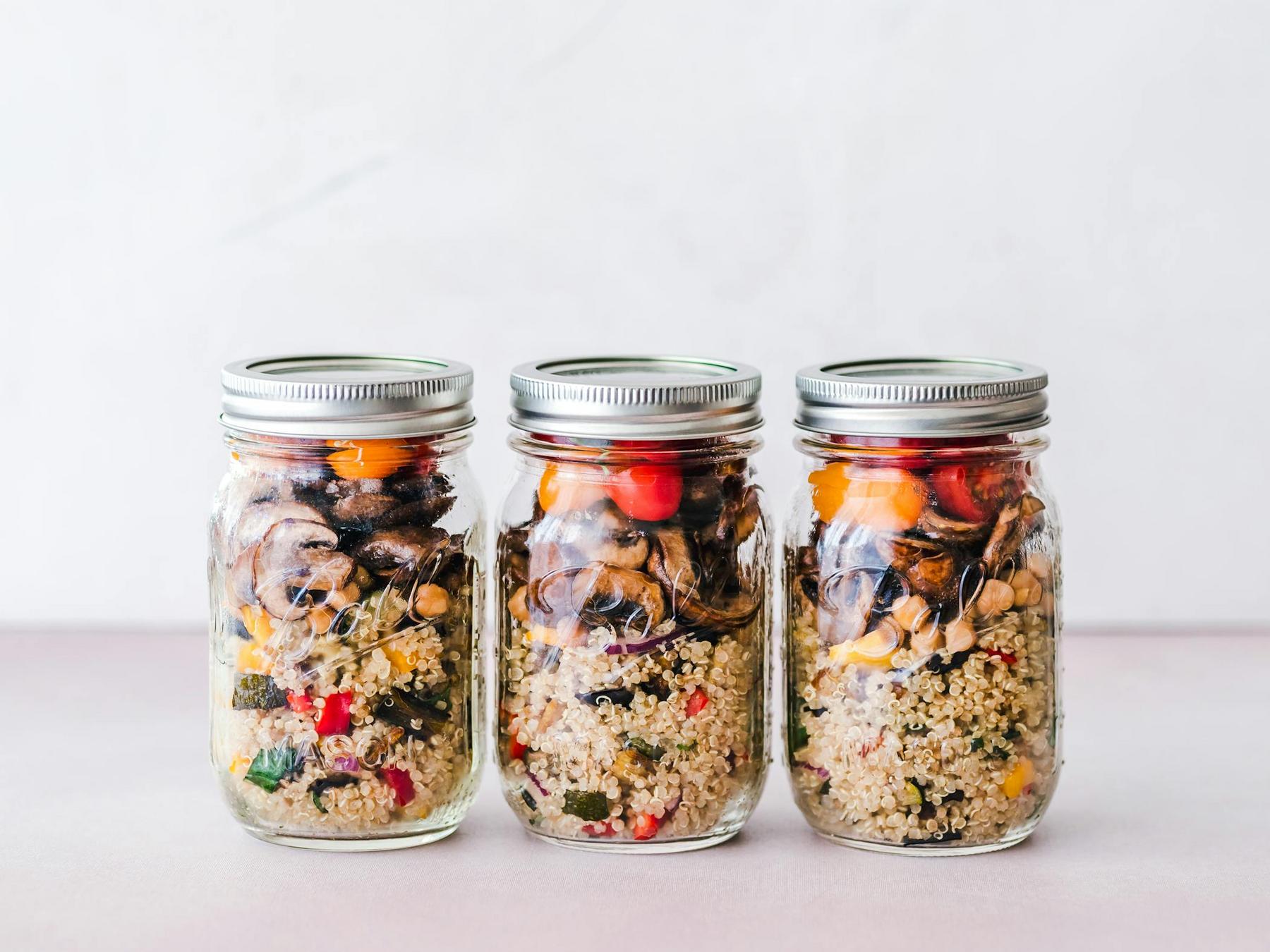
The morning rush intensifies. You’re already late, and the question emerges again: “What will I eat for lunch?” This daily dilemma leads many Australians down a familiar path—fast food chains, expensive café meals, or skipped meals entirely. Research reveals that 93.5% of Australians fail to meet the recommended vegetable intake of five serves daily, with current consumption averaging just 2.7 serves. The consequences extend beyond immediate nutrition concerns, contributing to increased disease risk and weight management challenges. Salad in a jar represents an evidence-based solution to this pervasive problem, combining clinical nutritional principles with practical convenience.
Mason jar salads address three critical barriers simultaneously: time constraints, decision fatigue, and the temptation to choose nutrient-poor alternatives. When properly prepared, these portable meals maintain freshness for 4-5 days, cost approximately AU$4-7 per serving compared to AU$12-18 for purchased options, and deliver measurable health benefits supported by peer-reviewed research.
Why Is Salad in a Jar an Effective Meal Preparation Strategy?
The efficacy of salad in a jar extends beyond simple convenience. This approach fundamentally restructures the relationship between time investment and nutritional outcomes. Rather than facing daily meal preparation decisions during moments of low willpower or high stress, individuals concentrate their efforts into a single 2-3 hour preparation session.
Research demonstrates that structured meal planning correlates directly with weight management success. Studies examining behavioural weight loss interventions show that consistent meal planners achieve 11-40% better weight loss results compared to sporadic planners. This statistical advantage stems from eliminating decision fatigue—the phenomenon where repeated daily choices deplete cognitive resources and increase vulnerability to impulsive decisions.
The financial implications further support adoption. Australian households switching from daily purchased salads to homemade meal preparation save approximately AU$3.40 per day, translating to annual savings of AU$2,475 for two people. These savings result from bulk ingredient purchasing, reduced food waste, and elimination of restaurant markup.
How Long Do Salads in Jars Stay Fresh and Safe to Eat?
Food safety considerations determine the viability of any meal preparation strategy. Properly layered vegetarian salads in jars maintain freshness for 4-5 days when stored at 5°C or below, according to guidelines from Harvard School of Public Health and Cleveland Clinic. This timeframe assumes correct layering technique and consistent refrigeration.
Salads containing cooked animal proteins require adjusted timelines:
| Protein Type | Maximum Storage Duration | Storage Temperature |
|---|---|---|
| Cooked chicken, fish, poultry | 2-3 days | 5°C (40°F) or below |
| Hard-boiled eggs | 7 days | 5°C (40°F) or below |
| Cooked beans and legumes | 5 days | 5°C (40°F) or below |
| Canned tuna (once opened) | 3-4 days | 5°C (40°F) or below |
The critical factor determining shelf life involves the initial layering sequence. Placing dressing at the bottom creates a moisture barrier that prevents premature wilting of leafy greens positioned at the top. This strategic arrangement maintains textural integrity throughout the storage period.
Cross-contamination prevention requires attention to preparation hygiene. Wash all fresh vegetables under running water, use separate cutting boards for raw and cooked foods, and allow hot foods to cool for 30 minutes with lids removed before sealing jars. This cooling period minimises condensation that accelerates bacterial growth.
What Nutritional Benefits Support Health and Weight Management Goals?
The health implications of consistent vegetable consumption extend across multiple physiological systems. Cardiovascular disease risk decreases by approximately 20% with regular vegetable intake, according to Heart Foundation Australia. Stroke prevention demonstrates even more pronounced effects, with 5+ daily servings of fruits and vegetables reducing stroke risk by 21% compared to lowest intake levels.
Type 2 diabetes prevention shows specific benefits from leafy green vegetables. Meta-analyses cited by World Health Organisation commentary indicate that each 0.2 serving per day increment of green leafy vegetables correlates with 13% lower diabetes risk. These protective effects result from multiple mechanisms including fibre content, antioxidant compounds, and low energy density.
Weight Management Mechanisms
Salad in a jar supports weight management through several evidence-based pathways. Low energy-density vegetables with high water and fibre content promote satiety disproportionate to their caloric contribution. Research from Pennsylvania State University demonstrates that consuming fixed-amount low-energy-dense salad before main courses reduces overall meal energy intake by 11%.
The pre-portioning aspect eliminates guesswork around serving sizes. Visual boundaries created by jar capacity provide concrete limits that support appetite regulation. When combined with appropriate protein inclusion (½ cup serving providing 10-15g protein), these meals preserve lean muscle mass during weight reduction—a critical factor for maintaining metabolic rate.
Dark leafy greens deliver exceptional nutrient density. Romaine lettuce contains more than double the daily recommended vitamin A in a 100g serving. Spinach, kale, and rocket provide vitamins A, C, and K alongside antioxidants including lutein and zeaxanthin, which support eye and cognitive health.
Cruciferous vegetables—broccoli, cauliflower, cabbage, Brussels sprouts—demonstrate superior biomarker effects in intervention studies. These vegetables contain glucobrassicin and indole-3-carbinol, compounds associated with protective cellular mechanisms.
How Do You Properly Layer a Salad in a Jar for Maximum Freshness?
Layering technique determines whether salads remain crisp or become soggy disappointments. The sequence follows specific logic based on moisture resistance and optimal serving order. Wide-mouth 1-litre mason jars provide ideal capacity for meal-sized portions, whilst 500ml jars suit smaller servings.
Optimal Layering Sequence (Bottom to Top)
Layer 1: Dressing (2 tablespoons)
Oil-based dressings work best, creating an effective moisture barrier. Placing dressing first ensures it doesn’t prematurely wilt delicate greens.
Layer 2: Hardy Vegetables (½ cup)
Cucumbers, cherry tomatoes, carrots, capsicum, celery, broccoli, mushrooms, and radishes withstand moisture exposure. These vegetables maintain structural integrity when in contact with dressing.
Layer 3: Protein and Cheese (½ cup)
Cooked chicken, canned tuna, hard-boiled eggs, chickpeas, lentils, tofu, or cheese varieties form the protein foundation. This placement keeps proteins away from moisture-generating greens above.
Layer 4: Grains (¼ cup, optional)
Quinoa, brown rice, farro, or barley add complex carbohydrates. Ensure grains cool completely before adding to prevent condensation formation.
Layer 5: Toppings (2 tablespoons)
Nuts, seeds, and dried fruit provide textural contrast and healthy fats. Keep particularly delicate toppings separate until serving.
Layer 6: Leafy Greens (1-2 cups, tightly packed)
Spinach, kale, rocket, romaine lettuce, or mixed greens occupy the top position, protected from moisture below.
When ready to eat, shake the sealed jar vigorously to distribute dressing, or pour contents into a bowl. The inversion process coats vegetables evenly whilst maintaining the fresh texture preserved through proper layering.
Which Ingredients Work Best for Mason Jar Salads?
Ingredient selection determines both nutritional value and practical success. Hardy vegetables that maintain texture throughout storage include cherry tomatoes, cucumber, carrots, capsicum, celery, broccoli, mushrooms, radishes, purple cabbage, green beans, and sugar snap peas. These options withstand refrigeration without significant textural degradation.
Protein Options by Standard Australian Serves
- Grilled chicken: 80g cooked
- Canned tuna: 100g cooked
- Hard-boiled eggs: 2 large eggs
- Chickpeas, lentils, beans: 150g cooked
- Firm tofu: 170g
- Greek yoghurt: For dressings and protein addition
Healthy fats enhance nutrient absorption. Fat-soluble vitamins (A, D, E, K) and carotenoids require dietary fat for optimal bioavailability. Include olive oil-based dressings, avocado (added fresh), nuts, or seeds to facilitate absorption of these protective compounds.
Mediterranean-Inspired Combination
This variation demonstrates balanced nutritional composition:
- Base: Romaine lettuce and spinach (vitamins A, C, K)
- Vegetables: Cucumber, cherry tomatoes, red onion, capsicum (antioxidants, vitamin C)
- Protein: Chickpeas or feta cheese (plant-based or dairy protein)
- Grain: Quinoa or farro (complete protein, B vitamins)
- Toppings: Kalamata olives, pine nuts (healthy fats, vitamin E)
- Dressing: Lemon herb vinaigrette (monounsaturated fats)
This single meal contributes 2-3 vegetable serves towards the recommended five daily serves, alongside adequate protein, healthy fats, and optional complex carbohydrates.
Does Meal Prepping Actually Support Long-Term Dietary Success?
The psychological mechanisms underlying meal preparation’s effectiveness warrant examination. Decision fatigue represents a significant barrier to consistent healthy eating. Each daily food choice depletes cognitive resources, particularly during periods of stress or reduced willpower. Pre-prepared meals eliminate these decision points during vulnerable moments.
Research examining meal planning frequency reveals dose-response relationships. Higher meal planning consistency correlates with greater weight loss outcomes across multiple intervention studies. The mechanism involves reduced exposure to environmental food cues that trigger impulsive eating decisions.
Structured eating patterns support metabolic regulation. Consistent meal timing aligns with circadian rhythm patterns, potentially influencing appetite hormone secretion and energy expenditure. Whilst individual responses vary, regularity in eating patterns demonstrates associations with improved metabolic markers.
The visible accountability factor merits consideration. Clear glass containers provide constant visual reminder of meal preparation commitment. This environmental cue reinforces identity alignment with health-focused behaviour patterns.
Stress reduction emerges as an underappreciated benefit. Eliminating last-minute cooking decisions during busy weekdays decreases cortisol-inducing time pressure. The sense of control and accomplishment from completed meal preparation generates positive psychological reinforcement that supports continued adherence.
Supporting Your Health Journey Through Strategic Nutrition
Salad in a jar represents more than convenient lunch solutions—it embodies evidence-based nutritional strategy addressing demonstrable gaps in Australian dietary patterns. With 93.5% of the population failing to meet vegetable recommendations, practical approaches that reduce barriers to healthy eating warrant serious consideration.
The convergence of clinical evidence supporting vegetable consumption with practical meal preparation methodology creates a synergistic effect. Cardiovascular protection, diabetes risk reduction, and all-cause mortality improvements documented in research translate from theoretical benefits to practical outcomes through consistent implementation.
The financial, temporal, and psychological advantages strengthen long-term adherence potential. Annual savings approaching AU$2,475 for couples, elimination of daily decision fatigue, and pre-portioned serving control collectively address the multifaceted challenges underlying dietary adherence difficulties.
Australian adults seeking structured approaches to weight management find particular value in meal preparation strategies. The correlation between consistent meal planning and superior weight loss outcomes demonstrates statistical significance across multiple research contexts. When combined with comprehensive medical weight management approaches, strategic nutrition planning amplifies treatment effectiveness.
Skip the struggles. Our patients achieve up to 20.2% weight reduction with medical weight loss treatments delivered straight to their door. No clinics. No waiting. Just results. See if you’re eligible for our medical weight loss treatments – take our quiz.
Can salad in a jar help with portion control during weight management?
Pre-portioned salads in jars provide concrete visual boundaries that support appetite regulation. The fixed capacity eliminates guesswork around serving sizes, whilst the transparent container creates accountability. Research demonstrates that visible portion control mechanisms enhance dietary adherence, particularly when combined with adequate protein (10-15g per serving) to promote satiety.
What’s the most common mistake people make when preparing mason jar salads?
Incorrect layering sequence represents the primary error. Placing leafy greens near dressing or adding warm grains before cooling creates moisture that causes premature wilting. Additionally, combining salads with cooked proteins beyond safe storage durations (2-3 days) poses food safety risks. Maintaining refrigerator temperatures at 5°C or below and consuming protein-containing salads earlier in the week prevents bacterial growth.
How do salads in jars compare nutritionally to purchased café salads?
Homemade salad in a jar preparations typically deliver superior nutritional profiles with controlled sodium content, healthier fat sources, and higher vegetable quantities. Café salads often contain 800-1200mg sodium and calorie-dense dressings that obscure nutritional benefits. Homemade versions cost AU$4-7 versus AU$12-18 for purchased options whilst providing 2-3 vegetable serves towards daily recommendations. The financial and nutritional advantages compound over time.
Do I need to add grains to mason jar salads for balanced nutrition?
Grains remain optional depending on individual energy requirements and dietary approaches. Salads containing adequate protein (½ cup serving), healthy fats from dressing or nuts, and diverse vegetables provide complete nutrition without grains. Active individuals or those with higher energy needs may benefit from adding ¼ cup quinoa, brown rice, or farro. The key determinant involves overall dietary context and daily energy expenditure.
What temperature should I store prepared salads to maintain food safety?
Refrigerator temperature must remain at 5°C (40°F) or below consistently. This temperature range inhibits bacterial growth that causes foodborne illness. Use a refrigerator thermometer to verify accurate temperature, particularly on bottom shelves where proteins should be stored. Allow hot foods to cool for 30 minutes with lids removed before sealing to minimise condensation that accelerates spoilage.