


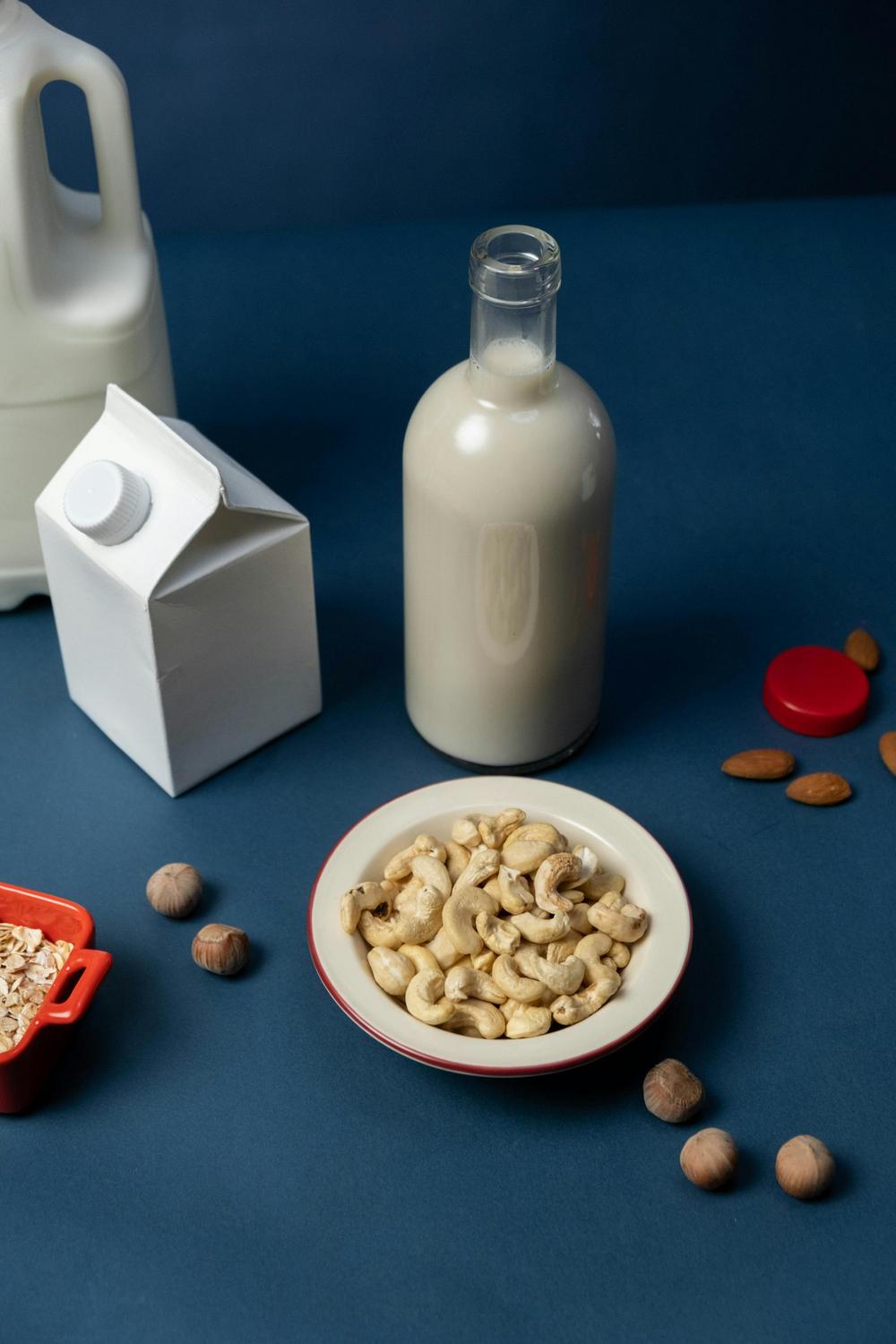
The kitchen has become a battleground for dietary decisions. Whether you’re managing lactose intolerance, navigating food allergies, or pursuing weight management goals, the dairy aisle presents a complex maze of choices. For Australians seeking to reduce saturated fat intake whilst maintaining nutritional adequacy, understanding dairy alternatives for cooking and baking isn’t merely about swapping milk—it’s about preserving texture, flavour, and most critically, nutritional integrity.
Plant-based milk alternatives now comprise 15% of retail milk sales globally, with consumption surging 20% in 2020 alone. Yet this proliferation creates confusion: Can oat milk replace cream in a custard? Will almond milk compromise your calcium intake? Does choosing soy over dairy genuinely support weight management objectives? The answers require examining both culinary performance and nutritional composition through an evidence-based lens.
What Are the Main Types of Dairy Alternatives Available for Cooking?
Dairy alternatives for cooking and baking fall into distinct categories based on their plant source, each offering unique nutritional profiles and functional properties.
Legume-Based Options
Soy milk remains the gold standard amongst plant-based alternatives, containing 7-8g protein per 250ml serving—matching dairy milk’s protein content. Fortified soy milk is the only plant-based option included in dietary guidelines’ dairy group due to its comparable nutritional profile. Its neutral flavour and viscosity that matches traditional milk make it superior for maintaining baking structure, particularly in yeast breads and custards.
Pea milk delivers approximately 8g protein per serving with a lower environmental footprint than dairy. This emerging alternative provides protein levels comparable to both soy and dairy milk whilst offering a neutral taste profile suitable for diverse applications.
Grain-Based Alternatives
Oat milk has gained prominence in Australian kitchens, containing 1-3g protein per serving. Its naturally thick texture proves ideal for baking applications requiring creaminess without added fat. Environmental impact studies demonstrate oat milk produces 62-78% lower greenhouse gas emissions than cow’s milk, positioning it as both a functional and sustainable choice.
Rice milk offers the most hypoallergenic option but contains minimal protein (<1g per serving) and the highest carbohydrate content at 22g per 250ml. The FDA recommends limiting rice milk for infants and young children due to arsenic content considerations.
Nut-Based Varieties
Almond milk presents the lowest calorie option at 30-60 calories per cup but contains only 1-2g protein per serving. Its minimal fat content can affect baking texture, though it remains the most affordable nut milk alternative.
Cashew milk offers a richer texture than almond milk due to higher fat content (4.5g per serving), though protein remains low at <1g per serving.
Coconut milk requires distinction between beverage and canned forms. Refrigerated coconut milk beverage contains 0g protein and 5g fat per serving, recommended for baking applications. Full-fat canned coconut milk serves cooking purposes and can be whipped into stiff peaks resembling dairy cream.
Seed-Based Options
Hemp milk provides 2g protein per serving with a unique amino acid profile. Flax milk offers low protein content but delivers omega-3 fatty acids. These alternatives suit specific dietary requirements but perform variably in cooking applications.
How Do Dairy Alternatives Compare Nutritionally to Traditional Dairy?
Understanding nutritional variance between dairy alternatives proves essential for maintaining adequate nutrient intake, particularly when managing weight through calorie restriction.
Nutritional Comparison Per 250ml Serving
| Milk Type | Calories | Protein (g) | Fat (g) | Calcium (mg) | Fortification |
|---|---|---|---|---|---|
| Whole Cow’s Milk | 150 | 8 | 8 | 293 | Naturally present |
| 1% Cow’s Milk | 110 | 8 | 2.4 | 293 | Naturally present |
| Soy Milk (unsweetened) | 80-100 | 7-8 | 4-4.5 | 300-450* | Variable |
| Pea Milk | 70 | 8 | 4.5 | 465* | Variable |
| Oat Milk | 120 | 3 | 5 | 250-300* | Variable |
| Rice Milk | 120 | <1 | 2.5 | 20-120* | Variable |
| Almond Milk | 60 | 1 | 2.5 | 450* | Variable |
| Coconut Milk Beverage | 50 | 0 | 4.5 | 62 | Minimal |
*Fortified amounts (Source: FDA 2023; Healthline 2023)
Critical Nutritional Considerations
Only 11.2% of plant-based milk alternatives meet proposed nutrient standards for protein (2.2g per 100g), calcium, and vitamins A and D fortification. Whilst 70% of plant-based milk alternatives available are fortified with both calcium and vitamin D, unfortified varieties contain negligible amounts of these essential nutrients compared to cow’s milk.
Studies demonstrate that replacing dairy with plant-based drinks in a balanced diet decreases saturated fat by 9-12% whilst increasing vitamin D intake by 85%. However, protein content varies dramatically across alternatives, potentially affecting satiety—a critical factor for individuals pursuing weight management.
Bodies absorb naturally occurring nutrients more efficiently than fortified additions, necessitating attention to total dietary intake when substituting dairy alternatives for traditional milk products.
Which Dairy Alternatives Work Best for Specific Baking Applications?
Performance of dairy alternatives for cooking and baking varies significantly based on application type, protein content, and functional properties.
Yeast Bread Baking
Soy milk yields bread most similar to dairy milk versions due to protein content providing stable structure. Other non-dairy alternatives produce higher rise but become prone to crumbling if over-risen due to lower protein levels.
Quick Breads, Muffins, and Cakes
Testing demonstrates all plant-based alternatives—soy, pea, almond, oat, coconut, and cashew—prove seamless substitutes with comparable rise, texture, mouthfeel, flavour, and browning. Pea and soy milk yield slightly finer texture, whilst oat milk provides marginally more browning. Rise, mouthfeel, and flavour show no noticeable differences amongst alternatives.
Cream Pie Fillings and Pastry Cream
Soy milk emerges as the only option yielding custard nearly as thick and sliceable as dairy milk versions. Oat milk performs adequately as a second choice, with custard holding shape though not achieving sliceability.
Other non-dairy alternatives range from firm to pudding-like to completely liquid consistency. Some thicken initially then separate upon cooling; others never achieve proper thickness. Solution: double thickener amounts or extend cooking time when using alternatives other than soy or oat milk.
Heavy Cream Substitutions
Full-fat canned coconut milk or coconut cream can be whipped into stiff peaks resembling dairy cream. Coconut cream derives from chilling full-fat coconut milk and skimming the thickened top layer.
Alternative approach: blend 2/3 cup non-dairy milk with 1/3 cup vegetable oil, though this mixture won’t whip. For desserts requiring richness, blend 1 cup silken tofu with 1 cup non-dairy milk.
Buttermilk Replacements
Create dairy-free buttermilk by stirring 1 tablespoon lemon juice or white vinegar into 1 cup non-dairy milk, allowing 15 minutes rest. This technique works effectively with any plant-based alternative.
General Substitution Guidelines
Most dairy-free milks substitute for traditional milk at 1:1 ratio. However, consider viscosity differences: thin alternatives (almond, rice) may require texture adjustments, whilst thick alternatives (oat, coconut) may necessitate liquid modification. Always shake plant-based alternatives before use as separation occurs during storage.
How Do Dairy Alternatives Support Weight Management Goals?
Dairy consumption demonstrates complex relationships with weight management. Research indicates modest reduction in body fat (0.45kg) in short-term, energy-restricted studies, yet marginal weight gain in long-term studies without energy restriction.
Caloric and Macronutrient Considerations
Plant-based milk alternatives generally contain lower saturated fat than full-fat dairy, supporting reduced calorie intake when incorporated into cooking and baking. However, protein content variability affects satiety—a crucial factor for adherence to weight management programmes.
Almond milk offers the lowest calorie option at 30-60 calories per cup compared to whole milk’s 150 calories per cup. Yet its minimal protein content (1-2g versus dairy’s 8g) may compromise satiety between meals.
Soy and pea milk provide protein levels comparable to dairy milk whilst reducing saturated fat intake, potentially supporting sustained satiety within calorie-controlled dietary patterns.
Fortification and Nutrient Adequacy
When pursuing weight management through calorie restriction, nutrient adequacy becomes paramount. Substituting dairy alternatives for cooking and baking requires attention to calcium, vitamin D, and vitamin B12 intake from other dietary sources.
Australian research indicates only 7.7% of dairy-avoidance diets met Australian Dietary Guidelines recommendations without dairy alternatives, with merely 22% meeting calcium intake recommendations. This underscores the importance of selecting fortified options and diversifying calcium sources.
Dietary Pattern Context
Weight management success depends upon comprehensive dietary patterns rather than isolated substitutions. Incorporating dairy alternatives for cooking and baking within structured, calorie-controlled programmes—such as those utilising medical weight management approaches—can support sustainable outcomes without compromising nutritional adequacy.
What Should Australians Consider When Selecting Dairy Alternatives?
Australian Dietary Guidelines recommend 2.5 serves daily for adults aged 19-70 years, with one serve equalling 1 cup (250ml) fresh milk or 1 cup plant-based drink with minimum 100mg calcium per 100ml.
Fortification Requirements
Food Standards Australia New Zealand (FSANZ) allows plant-based milks if fortified with minimum 100mg calcium per 100ml. Products must declare plant source clearly. When selecting dairy alternatives for cooking and baking, prioritise:
- Fortified options containing calcium, vitamin D, and vitamin B12
- Unsweetened varieties to control added sugar intake
- Protein content appropriate to application and dietary requirements
- Clear labelling indicating plant source and fortification status
Age-Specific Considerations
Infants (0-12 months): No cow’s milk or plant-based alternatives should serve as main drink. Breast milk or commercial infant formula only. Cow’s milk in cooked foods remains acceptable from 6 months.
Toddlers (12-24 months): Whole or fortified unsweetened soy milk recommended. Full-fat varieties provide necessary nutrients and calories. Cow’s milk preferred over other plant-based options unless allergy or intolerance present.
Children (2-18 years): Low or reduced-fat milk options appropriate. If avoiding dairy, fortified soy, pea, or soy-pea blends offer best alternatives. Ensure adequate calcium, vitamin D, B12, and protein from other sources.
Environmental Considerations
Plant-based milk alternatives produce 62-78% lower greenhouse gas emissions per litre than cow’s milk. Consuming soy or oat drink instead of dairy milk reduces dietary greenhouse gas emissions by 9-12% respectively.
However, CSIRO research demonstrates that amongst healthier diets with lower greenhouse gas emissions, 90% included dairy foods. Environmental goals must balance with nutritional adequacy.
Cost and Accessibility
Plant-based alternatives generally cost more than dairy milk. Almond and rice milk rank amongst the most affordable plant-based options. Lactose-free dairy milk may cost 50% more than regular milk. Budget considerations influence long-term adherence to dietary modifications.
Making Informed Choices for Your Kitchen
Dairy alternatives for cooking and baking offer viable options for Australians managing lactose intolerance, allergies, or pursuing specific dietary patterns. Success requires understanding both culinary performance and nutritional composition.
Soy milk emerges as the most nutritionally comparable alternative to dairy milk, performing exceptionally in demanding applications like yeast breads and custards. Oat milk provides excellent functionality in most baking contexts whilst offering environmental advantages. Nut-based alternatives suit specific applications but require attention to protein and calcium intake from other sources.
Weight management through dietary modification succeeds when nutritional adequacy meets sustainable adherence. Selecting fortified, unsweetened varieties of dairy alternatives for cooking and baking within structured programmes supports both immediate culinary needs and long-term health objectives.
Can I use any plant-based milk for any recipe?
While most dairy alternatives can be substituted on a 1:1 basis, performance may vary by application. Soy milk, for instance, excels in yeast breads and custards, whereas other alternatives might require adjustments like extra thickening or modified cooking times.
Do dairy alternatives provide the same calcium as regular milk?
Fortified plant-based milk alternatives can offer calcium levels comparable to dairy milk, but unfortified varieties often provide negligible amounts. Always check product labels for fortification details.
Which dairy alternative is best for weight management?
No single dairy alternative is universally best. Almond milk is low in calories but has minimal protein, while soy and pea milk offer protein levels similar to dairy milk. The right choice depends on your overall dietary goals and nutritional needs.
Are dairy alternatives suitable for children?
Suitability varies by age. Infants should rely on breast milk or formula, toddlers may benefit from fortified options like unsweetened soy milk, and older children can use fortified plant-based alternatives—ensuring overall nutrient intake meets dietary requirements.
How do I prevent curdling when cooking with plant-based milk?
To prevent curdling, add plant-based milk gradually to hot dishes, temper the milk by bringing it to room temperature, and incorporate acidic ingredients slowly while stirring constantly.