


Losing weight represents only half the challenge. The other half—maintaining that loss over months and years—proves far more difficult for most individuals. Research reveals a sobering reality: following behavioural weight management programmes, participants regain approximately 30-35% of lost weight within just one year. After five years, weight regain rates can reach between 26-121% of the original loss, depending on the intervention method used.
This pattern of initial success followed by gradual regain isn’t a reflection of personal failure. Rather, it stems from biological responses—increased hunger hormones, metabolic changes, and the brain’s resistance to maintaining a lower body weight. These physiological adaptations explain why temporary dietary changes prove insufficient. Sustained weight management requires ongoing behavioural strategies, with self-monitoring emerging as the cornerstone approach supported by decades of clinical research.
For Australians seeking to maintain their weight loss achievements, understanding and implementing evidence-based self-monitoring techniques offers the most reliable path forward. This comprehensive examination explores the research-validated methods that distinguish long-term success from the cycle of loss and regain.
Why Do Most People Experience Weight Regain After Successful Weight Loss?
The trajectory following initial weight loss follows a predictable pattern. At one year post-intervention, approximately 25% of participants maintain weight loss of 10% or more below baseline, another 25% maintain 5-9.9% loss, and nearly 40% maintain only 4.9% or less below their starting weight. These statistics reveal that significant long-term maintenance remains the exception rather than the rule.
The Biological Resistance to Weight Loss Maintenance
Weight loss triggers substantial physiological changes that actively oppose maintenance efforts. The body increases production of ghrelin, the primary hunger hormone, making it considerably more difficult to resist overeating. Simultaneously, metabolic rate may decrease following weight loss, meaning fewer kilojoules are burned at rest compared to before the weight reduction. These aren’t temporary adjustments—research shows these adaptations persist for years after weight loss, creating a constant biological pressure toward regain.
This physiological resistance doesn’t occur because the body is “broken” or malfunctioning. Rather, it reflects an evolutionary adaptation designed to protect against perceived starvation. The brain interprets significant weight loss as a threat to survival and activates multiple systems to restore body weight to its previous set point.
The Critical Distinction Between Lapse and Relapse
Understanding the difference between temporary lapses and full relapse proves essential for long-term success. A lapse represents a temporary deviation—overeating at a single social gathering, missing exercise for several days, or abandoning food tracking for a week. Research indicates lapses occur in approximately 99.9% of individuals attempting weight maintenance, making them virtually universal.
Relapse, conversely, represents a sustained return to pre-weight loss behaviours, typically resulting in significant weight regain. The crucial factor isn’t whether lapses occur—they will—but rather how quickly an individual recognises and responds to them. The psychological response to lapses often determines whether they progress to full relapse. Those who view a lapse as complete failure (“there’s no point continuing”) typically abandon their maintenance efforts entirely, whilst those who view lapses as normal, manageable events can quickly re-engage with their self-monitoring strategies.
Research on weight-loss maintainers in the WW Success Registry identified that successful individuals initiated weight loss efforts after gaining only 2.3 kg, compared to less successful individuals who waited until regaining 4.5 kg or more. This early intervention window—catching weight regain quickly rather than allowing substantial increases—represents a critical factor in preventing full relapse.
Triggers That Precipitate Slipping Back
A longitudinal study measuring triggers at nine months for weight outcomes at twelve months identified several key risk factors. For dietary adherence, negative emotional states emerged as the strongest predictor (Beta=.11, p=.02), making emotional eating the most common cause of dietary lapses. Urges and temptations similarly predicted dietary non-adherence (Beta=.14, p=.01), with participants reporting intense food cravings as particularly difficult to manage.
Interestingly, social situations showed a counterintuitive relationship with weight outcomes (Beta=−.09, p=.02). Participants who reported difficulties in social situations actually achieved greater weight loss, possibly because these challenges promoted active learning and behaviour correction rather than passive avoidance.
Common high-risk scenarios identified across research include positive occasions (holidays, weddings, celebrations), negative circumstances (work stress, relationship conflicts, emotional distress), environmental factors (presence of tempting foods, social gatherings centred on eating), and life transitions (changes in daily routine, major life events). Each of these situations increases the likelihood of lapses, making proactive planning essential for maintenance success.
What Are the Most Effective Self-Monitoring Techniques for Weight Maintenance?
Systematic reviews consistently demonstrate the critical importance of self-monitoring across three primary domains: dietary intake, body weight, and physical activity. A comprehensive review of 22 studies spanning 1993-2009 found “ample evidence for the consistent and significant positive relationship between self-monitoring diet, physical activity or weight and successful outcomes related to weight management.”
The effectiveness of self-monitoring isn’t merely correlational. Longitudinal studies demonstrate that self-monitoring frequency during extended-care periods significantly mediates the relationship between treatment attendance and weight change outcomes. In practical terms, this means self-monitoring functions as the primary mechanism through which continued engagement translates into sustained weight management.
Dietary Self-Monitoring Methods and Their Effectiveness
Food logging represents the most extensively studied self-monitoring technique. Traditional paper-based food logs require recording the type, amount, and kilojoule content of all foods and beverages consumed. The essential principle—”if you bite it, you write it”—emphasises recording at the time of consumption rather than retrospectively, as real-time tracking significantly improves accuracy.
Beyond kilojoule counting, comprehensive food logs can track additional variables: timing of eating episodes, macronutrient composition (fat, carbohydrate, protein content), emotional state during eating, location of consumption, and specific triggers that preceded eating. This detailed information enables pattern recognition, allowing individuals to identify their personal high-risk situations and emotional triggers.
Digital and online food tracking platforms have demonstrated superior adherence compared to paper-based methods. In one trial, personal digital assistant (PDA) groups showed 90% adherence compared to 55% for paper diary groups—a substantial difference attributable to the reduced burden and increased convenience of digital tracking. Popular Australian platforms include MyFitnessPal, SparkPeople, and FatSecret, each offering databases exceeding 50,000 foods with readily accessible nutritional information.
The University of Florida research (2024) established that self-monitoring at least three days per week provides benefit for weight loss maintenance, with greater benefit observed at five to six days weekly. This finding offers important flexibility for individuals who struggle with daily tracking, demonstrating that “perfect” adherence isn’t necessary for success. However, frequency alone proves insufficient—consistency matters critically.
The interaction between frequency and consistency reveals that high-frequency self-monitoring provides minimal benefit when individuals track inconsistently. Conversely, women who self-monitored consistently (50% or more of days throughout the extended-care year) achieved continued weight loss (−0.98±6.67%), whilst less consistent participants experienced weight gain (5.1±6.59%). This pattern suggests that sporadic tracking—even if frequent during those periods—cannot compensate for extended gaps in monitoring.
Weight Self-Monitoring Strategies and Frequency Recommendations
Self-weighing represents perhaps the simplest yet most psychologically complex monitoring technique. Research consistently demonstrates that weighing at least weekly provides benefit for weight maintenance, with daily self-weighing showing even stronger associations with lower risk of weight regain in 17-18 month trials.
However, adherence to self-weighing naturally declines over time. In one intervention, adherence to weekly weighing decreased from 82-84% initially to 56-55% at eighteen months. This decline occurs despite self-weighing requiring minimal time or effort, highlighting the psychological barriers that develop over time.
Several factors contribute to reduced self-weighing: day-to-day weight fluctuations can prove discouraging, particularly when increases occur despite adherence to dietary and activity goals. Natural variations due to hydration status, sodium intake, hormonal cycles, and digestive timing can obscure true fat loss or gain, creating frustration. Additionally, discomfort with viewing results—particularly when weight increases—leads many individuals to avoid the scale entirely.
When self-weighing becomes problematic, effective alternatives include monitoring clothing fit (noticing whether clothes feel looser or tighter), appearance tracking through mirrors and photographs, and waist circumference measurement. For Australian adults, healthy waist circumference measurements are less than 94 cm for men and less than 80 cm for women according to Australian Health Guidelines.
Interestingly, research reveals that participants greatly value external monitoring—being weighed by healthcare professionals—even when they don’t consistently self-weigh at home. Many weight-loss maintainers continued attending group meetings specifically for the accountability provided by external weigh-ins and the motivational support from healthcare providers. This finding suggests that telehealth services incorporating regular professional monitoring may enhance long-term adherence even among individuals who struggle with independent self-weighing.
Physical Activity Monitoring Tools and Approaches
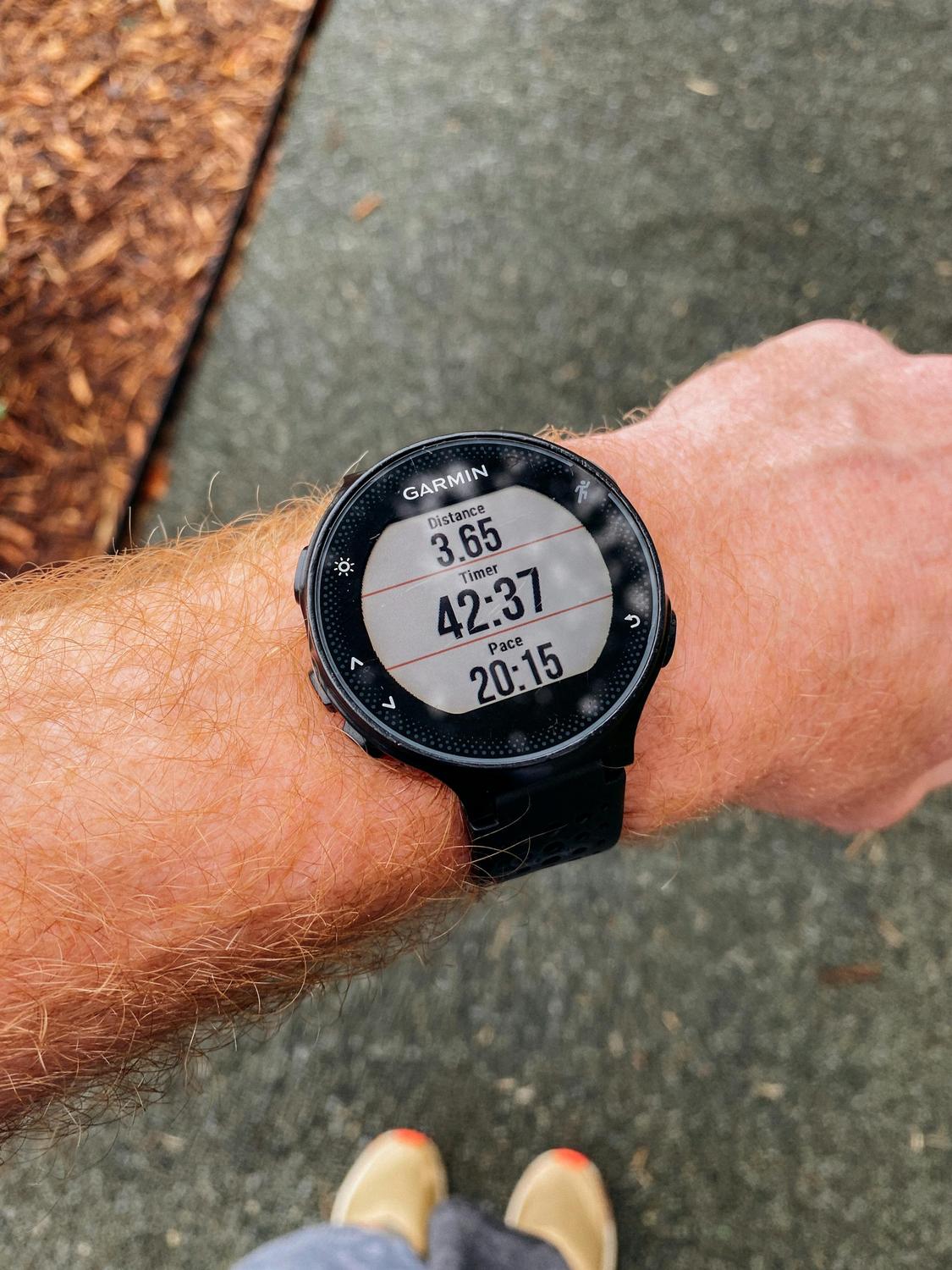
Physical activity monitoring encompasses various tools and methods, from simple pedometers tracking daily steps to sophisticated accelerometers measuring movement frequency, duration, and intensity. Wearable devices like fitness trackers automatically record steps, estimated kilojoules burned, and heart rate, offering passive monitoring that reduces manual recording burden.
For basic step tracking, recommendations suggest 10,000 steps per day for weight loss efforts, with a minimum of 6,000 steps for general health maintenance. Exercise logs allow manual recording of structured physical activity, documenting type, duration, and intensity of deliberate exercise sessions.
Research demonstrates that exercise and activity tracking achieves the highest adherence among all self-monitoring behaviours, with 61% of participants achieving tracking on 50% or more of days monthly. Unlike dietary tracking, which shows steep declines over time, exercise tracking proves more resistant to disengagement. When individuals do disengage from exercise tracking, they demonstrate greater likelihood of re-engagement compared to dietary monitoring.
Curiously, physical activity receives limited emphasis in maintenance strategies compared to dietary changes. In a five-year follow-up study, only one maintainer reported using physical activity to counteract lapses and additional weight gain, whilst dietary changes dominated maintenance strategies. This pattern suggests that physical activity may become more habitual for successful maintainers, requiring less conscious monitoring once established as a regular behaviour.
How Often Should You Track Your Progress to Prevent Slipping Back?
The relationship between monitoring frequency and weight maintenance success follows a dose-response pattern: greater frequency consistently associates with better outcomes. However, the definition of “sufficient” frequency varies across monitoring types and individual circumstances, with research providing specific guidance for practical implementation.
Evidence-Based Frequency Recommendations
A systematic analysis of self-monitoring frequency established clear thresholds for effectiveness. For dietary tracking, monitoring at least three days per week provides measurable benefit, with optimal results observed at five to six days weekly. This finding offers crucial flexibility, acknowledging that daily tracking may prove unsustainable for many individuals whilst still achieving meaningful outcomes with less frequent but consistent monitoring.
Weight monitoring demonstrates effectiveness at weekly or greater frequency. The National Weight Control Registry data reveals that individuals weighing themselves at least weekly show significantly lower rates of weight regain compared to those weighing less frequently. Daily self-weighing shows even stronger protective effects in controlled trials, though the practical sustainability of daily weighing varies considerably among individuals.
Physical activity monitoring shows more variable patterns, with optimal frequency depending on the specific activity goals and the individual’s stage of habit development. During initial habit formation, daily tracking appears beneficial for establishing routines. Once activity becomes habitual, less frequent monitoring (several times weekly) may suffice for maintenance.
The Critical Importance of Consistency Over Frequency
Whilst frequency matters, consistency proves equally or more important for long-term success. High-frequency tracking provides minimal benefit when performed inconsistently—sporadic periods of intensive monitoring separated by extended gaps don’t produce the sustained behaviour change necessary for maintenance.
Research demonstrates this pattern clearly: participants who tracked food intake on 50% or more of days throughout an extended-care year achieved continued weight loss, whilst those tracking less consistently gained weight despite potentially high frequency during their monitoring periods. This suggests that establishing a sustainable, consistent rhythm of monitoring—even if not daily—outperforms intensive but sporadic tracking.
Early Establishment Predicts Long-Term Success
Perhaps the most striking temporal finding concerns the critical importance of early monitoring patterns. Research demonstrates that self-monitoring patterns established during the first month of treatment strongly predict six-month weight loss outcomes. Participants achieving six or more consecutive days of self-monitoring in the initial month were significantly more likely to achieve clinically significant (≥5%) weight loss at six months.
This finding suggests that intensive focus on establishing consistent self-monitoring habits during the first four weeks may determine long-term trajectory. For telehealth services, this implies that additional support, reminders, and feedback during the initial month could substantially improve ultimate success rates by cementing early monitoring habits.
Natural Decline and the Challenge of Long-Term Adherence
Despite the demonstrated benefits of self-monitoring, adherence naturally declines over time across all monitoring types. Immediately following initial weight loss, adherence rates typically exceed 80%. By six months, significant decline begins, with marked decreases evident by twelve months.
Dietary monitoring shows the steepest decline trajectory, potentially reflecting the substantial burden of detailed food logging. Exercise monitoring demonstrates greater resilience against disengagement, whilst weight monitoring follows an intermediate decline pattern. By eighteen months, many individuals have substantially reduced or entirely abandoned systematic self-monitoring, contributing to the high rates of weight regain observed at this timepoint.
This natural decline pattern doesn’t indicate that self-monitoring becomes less important over time—rather, it highlights the ongoing challenge of sustaining behaviours that require conscious effort. Recognising this predictable decline allows for proactive intervention. Enhanced digital programmes incorporating regular reminders, automated feedback, and periodic re-engagement prompts demonstrate significantly better sustained adherence compared to basic programmes without these supportive features.
What Distinguishes Successful Weight Maintainers from Those Who Regain?
A landmark five-year follow-up study comparing weight-loss maintainers with those who experienced substantial regain identified specific cognitive and behavioural strategies that distinguished these groups. These differences extended beyond mere monitoring frequency to encompass how individuals approached planning, managed impulses, and navigated social relationships around food.
Planning and Anticipation of High-Risk Situations
Successful maintainers consistently demonstrated proactive planning for predictable challenges. Rather than hoping to resist temptation in the moment, they anticipated high-risk situations (holidays, social events, travel) and developed specific strategies in advance. This planning took several forms: bringing pre-prepared healthy foods to work and social gatherings, making and storing extra portions of healthy meals for busy periods, and establishing compensatory dietary adjustments before or after high-calorie events.
The concept of dietary compensation emerged as particularly important. When maintainers knew they would attend an event involving substantial food intake, they often reduced intake beforehand or planned lighter meals for the following day, consciously balancing their intake across multiple days rather than attempting perfection at every meal.
Regainers, conversely, rarely reported making plans for high-risk situations. They approached social events and challenging circumstances reactively, relying on in-the-moment willpower rather than predetermined strategies. This lack of anticipatory planning meant they entered high-risk situations without clear guidelines for their behaviour, making lapses substantially more likely.
The timing of re-engagement following weight regain also distinguished maintainers from regainers. As noted earlier, successful individuals initiated corrective efforts after gaining only 2.3 kg, whilst less successful individuals delayed action until regaining 4.5 kg or more. This early intervention pattern suggests that maintainers viewed small weight increases as signals requiring immediate attention rather than acceptable fluctuations.
Impulse Management and Cognitive Strategies
Managing momentary urges to eat—particularly in response to emotional triggers or environmental cues—represented another distinguishing factor. Successful maintainers employed multiple impulse management techniques: distraction activities (using social media, walking, watching films, listening to music), substitute behaviours (drinking water or sparkling water with flavouring), cognitive reframing (manipulating thoughts about hunger, using motivational self-talk), and food substitution (swapping high-kilojoule items for lower-kilojoule alternatives).
Cost-benefit analysis emerged as a particularly sophisticated strategy. Some maintainers developed the habit of consciously weighing the pleasure they would derive from specific foods against their kilojoule cost, asking themselves questions like “Do I really want to spend 630 kilojoules on this biscuit?” This analytical approach transformed eating from an automatic response to temptation into a deliberate choice based on personal priorities.
Regainers employed some similar techniques, particularly distraction methods, but found them ineffective or applied them inconsistently. They struggled more with impulse management, especially in response to stress or emotional triggers. Limited awareness of food costs and substitution options meant they faced binary choices—either eating desired foods or attempting complete avoidance—rather than the flexible middle ground that maintainers inhabited.
Dietary Flexibility Versus Restriction
The approach to dietary rules revealed fundamental differences in sustainability. Successful maintainers recognised that highly restrictive diets couldn’t be maintained long-term. Rather than eliminating entire food categories, they focused on flexible substitutions (lighter bread alternatives, reduced-fat dairy products) and portion control. This approach balanced weight management goals with quality of life, allowing maintainers to participate in social eating whilst managing intake.
Regainers more commonly attempted restrictive approaches initially but couldn’t sustain them over time. The cycle of strict adherence followed by complete abandonment characterised their pattern, with each failed restriction attempt potentially reinforcing a sense of incapacity to maintain dietary changes.
Managing Food Within Interpersonal Relationships
Perhaps the most striking difference emerged in how individuals navigated food within family and social relationships. Successful maintainers often changed entire family eating patterns, with households adopting healthier dietary approaches together. Partner support—particularly practical support like healthy food preparation and appropriate portion-size management—proved valuable for maintenance.
Maintainers also developed strategies for managing social pressure around food: re-gifting unhealthy food gifts, delaying consumption of treats until weekends, and resisting peer pressure without avoiding social situations entirely. They continued participating in social eating whilst maintaining their weight management goals, suggesting they successfully integrated weight maintenance into their social identities rather than viewing it as separate from normal life.
Regainers experienced greater difficulty navigating food within relationships. They reported less active support from family and friends. When family members criticised or pressured around food choices, regainers sometimes reacted with negative emotions, occasionally engaging in self-sabotaging behaviours. Food choices became sources of interpersonal conflict, creating emotional barriers to sustained adherence.
The role of family meals deserves particular attention in the Australian context, where social eating and gathering around food represent important cultural values. Successfully integrating weight management with these social patterns—rather than withdrawing from social eating—appears essential for long-term success.
Psychological Coping and Problem-Solving
Beyond specific techniques, maintainers demonstrated more sophisticated problem-solving approaches to barriers and lapses. Rather than viewing obstacles as indicators of personal failure, they engaged actively with challenges, seeking solutions and adjusting strategies based on outcomes.
Cognitive restructuring—challenging negative thoughts about weight loss progress and perceived failures—helped maintainers maintain motivation despite setbacks. Process-focused goals (“How can I achieve my goals?”) proved more sustainable than outcome-focused goals fixated solely on scale numbers.
Stress management strategies distinguished maintainers from regainers. Whilst regainers more commonly used food for emotional comfort, maintainers employed alternative coping mechanisms (walking, meditation, music, social connection) for managing stress. This difference suggests that developing healthy stress management alternatives represents a crucial component of maintenance preparation, not merely dietary and activity changes.
How Can You Overcome Common Barriers to Consistent Self-Monitoring?
Despite compelling evidence for self-monitoring’s effectiveness, numerous practical and psychological barriers reduce adherence over time. Understanding these obstacles and implementing specific solutions enhances the likelihood of sustained monitoring.
Reducing the Burden of Detailed Tracking
The time and effort required for comprehensive dietary tracking represents the most commonly reported barrier. Detailed food records demand conscious attention at each eating occasion, interrupting social interactions and daily routines. This burden contributes to the steep decline in dietary monitoring adherence over time.
Digital tools substantially reduce tracking burden through several mechanisms: extensive food databases eliminate the need to manually look up nutritional information, saved frequent foods allow single-click logging of regularly consumed items, barcode scanning enables rapid entry of packaged foods, and mobile accessibility permits real-time tracking rather than retrospective reconstruction of intake.
However, technology alone proves insufficient. Even with convenient digital tools, dietary monitoring requires behavioural commitment. The flexibility of monitoring three to six days weekly rather than daily offers a crucial middle ground—sufficient frequency to maintain awareness and accountability whilst reducing the sensation of constant surveillance that some individuals find aversive.
Enhanced digital programmes incorporating automated feedback and regular reminders demonstrate substantially better adherence compared to basic tracking tools. A twelve-week trial found that enhanced features increased consistency of food logging from a median of three weeks to eight weeks (P<.001), suggesting that supportive programme features significantly extend sustainable monitoring duration.
Addressing Emotional Discomfort with Self-Weighing
The psychological impact of viewing body weight—particularly when numbers don’t reflect hoped-for progress—creates substantial reluctance around self-weighing. Day-to-day fluctuations can prove especially discouraging when individuals don’t understand the multiple factors (hydration, sodium intake, digestive timing, hormonal cycles) that influence scale weight independent of fat mass changes.
Several approaches address this emotional barrier. Education about normal weight fluctuations helps individuals interpret scale data more accurately, reducing discouragement from temporary increases. Pairing self-weighing with supportive feedback—either from healthcare professionals or through digital programme features—provides context and encouragement that mitigates negative emotional responses.
Alternative monitoring methods offer valuable options for individuals who find self-weighing particularly aversive. Clothing fit provides intuitive, non-disruptive feedback about body size changes without the precise quantification that some find stressful. Waist circumference measurement offers an objective metric focused on health-relevant abdominal adiposity rather than total body weight.
External monitoring—regular weighing by healthcare professionals during consultations—provides accountability benefits even for individuals who don’t consistently self-weigh at home. Many successful maintainers continued attending support groups specifically for this external accountability, suggesting that telehealth services can fulfil a similar function through regular video consultations incorporating weight monitoring.
Managing Complex Life Circumstances
Work demands, family responsibilities, and changing routines inevitably disrupt monitoring patterns. Childcare commitments, travel, illness, and major life events all contribute to gaps in self-monitoring. These disruptions contribute substantially to adherence decline over time.
The key distinction lies not in preventing disruptions—which proves unrealistic—but in facilitating rapid re-engagement following gaps. Viewing self-monitoring as a process requiring adaptation to life changes rather than a rigid behaviour to be maintained perfectly reduces the sense of failure when disruptions occur. Emphasising re-engagement over perfection acknowledges that gaps will occur whilst maintaining the importance of returning to monitoring as circumstances permit.
Automated tracking through wearable devices and smart scales reduces the impact of routine disruptions on physical activity and weight monitoring. These technologies continue collecting data even when individuals aren’t consciously engaging with monitoring, creating a continuous record that facilitates re-engagement and pattern recognition.
For dietary tracking during particularly busy periods, simplified approaches (tracking only main meals, estimating rather than measuring precisely, using photographs rather than detailed logs) maintain some level of monitoring without requiring the comprehensive effort of detailed tracking. This tiered approach—adjusting monitoring intensity to match available capacity—prevents complete disengagement during challenging life periods.
Leveraging professional support and Accountability
Individual self-monitoring, whilst essential, achieves substantially better outcomes when combined with professional support. Remote monitoring, where healthcare professionals access participants’ digital self-monitoring data and use it to guide treatment contacts, increases likelihood of sustained monitoring and reduces weight regain over time.
The mechanism appears to involve both accountability (knowing that a healthcare professional reviews monitoring data increases motivation to complete it) and tailored feedback (professionals can identify patterns, highlight successes, and problem-solve barriers based on objective data rather than retrospective self-report).
For Australian telehealth services, this integration of patient self-monitoring data with professional review represents a core advantage of the model. Monthly consultations incorporating review of monitoring patterns enable doctors and health coaches to identify adherence decline early, implement supportive interventions, and reinforce the importance of continued monitoring before complete disengagement occurs.
The Australian National Health and Medical Research Council guidelines specifically recommend fortnightly review for the first three months following initial weight loss, then continuing monitoring for at least twelve months with additional intervention as needed. This frequency recognises that ongoing professional contact supports adherence during the critical early maintenance period when relapse risk peaks.
Building Sustainable Self-Monitoring into Your Weight Maintenance Approach
Self-monitoring techniques represent the most extensively validated strategy for preventing weight regain following successful weight loss. The evidence demonstrates unequivocally that regular tracking of dietary intake, body weight, and physical activity significantly improves maintenance outcomes compared to unmonitored weight management attempts. However, the effectiveness of self-monitoring depends not merely on technique selection but on sustainable implementation adapted to individual circumstances.
The distinction between successful maintainers and those who experience substantial regain extends beyond monitoring frequency alone. Successful individuals integrate self-monitoring within broader strategies encompassing anticipatory planning for high-risk situations, flexible approaches to dietary management, effective impulse control techniques, and successful navigation of food within social relationships. They view lapses as normal, manageable events requiring quick corrective action rather than as failures indicating their incapacity to maintain weight loss.
For Australians undertaking weight maintenance, several principles emerge from the research evidence. First, establish consistent self-monitoring patterns early—ideally achieving daily or near-daily tracking during the initial month to cement habits that predict long-term success. Second, recognise that perfect adherence isn’t necessary; monitoring three to six days weekly for dietary intake and at least weekly for weight provides meaningful benefit. Third, anticipate that adherence will naturally decline over time and implement supportive structures (reminders, automated feedback, professional monitoring) that facilitate re-engagement when gaps occur.
Fourth, develop proactive strategies for managing predictable high-risk situations rather than relying on in-the-moment willpower. Fifth, respond quickly to small weight increases—initiating corrective efforts after gaining 2-3 kg rather than waiting for larger regains substantially improves success of regain reversal. Finally, leverage professional support through regular telehealth consultations that incorporate monitoring review, as this combination of self-monitoring with professional accountability achieves superior outcomes compared to either approach alone.
Weight maintenance represents a chronic challenge requiring ongoing attention rather than a temporary effort following initial weight loss. Self-monitoring provides the essential feedback mechanism that enables individuals to detect small deviations before they progress to substantial regain, making early course correction possible. When implemented consistently, supported by professional guidance, and integrated within comprehensive maintenance strategies, self-monitoring transforms the trajectory from predictable regain to sustained success.
How long do I need to continue self-monitoring after losing weight?
Weight maintenance requires indefinite ongoing monitoring, though the intensity and frequency may vary over time. Research demonstrates that individuals who discontinue self-monitoring experience substantially higher rates of weight regain compared to those who maintain at least weekly monitoring. Even after years of successful weight loss maintenance, continuing to monitor weight helps keep regain at bay. Consider self-monitoring a permanent component of weight management with adjustments based on life changes and periods of stress.
Can I maintain weight loss without daily food tracking, or is it essential?
Daily food tracking is not essential for successful weight maintenance. Research from the University of Florida (2024) shows that self-monitoring at least three days per week provides meaningful benefit, with optimal results at five to six days weekly. The key is consistency—regular, sustainable tracking, rather than perfect daily adherence, helps maintain progress over the long term.
What should I do if I notice I’ve gained 2-3 kg—is immediate action necessary?
Immediate action following small weight gains (2-3 kg) substantially improves the likelihood of reversing weight regain. Research indicates that individuals who initiate corrective measures after gaining as little as 2.3 kg are more successful than those who wait until larger gains occur. Early intervention with improved dietary choices, resumed self-monitoring, and stress management techniques can help get weight back on track.
Is weighing myself daily harmful for my mental health, or does it help with maintenance?
Daily self-weighing has been associated with a lower risk of weight regain in controlled trials, but responses vary individually. For some, daily weighing provides critical early feedback; for others, it can cause discouragement due to normal weight fluctuations. If daily monitoring feels overwhelming, consider weighing weekly, tracking clothing fit, or measuring waist circumference, and combine these methods with professional support to maintain a balanced approach.
How can I restart self-monitoring after a long gap without feeling overwhelmed?
Restarting self-monitoring after a gap can be approached gradually. Begin with simplified methods such as tracking only main meals, taking weekly weigh-ins instead of daily measurements, or relying on passive tracking through wearable devices. Setting reminders, using digital tools with automated feedback, and seeking professional support can ease re-engagement without overwhelming you.