


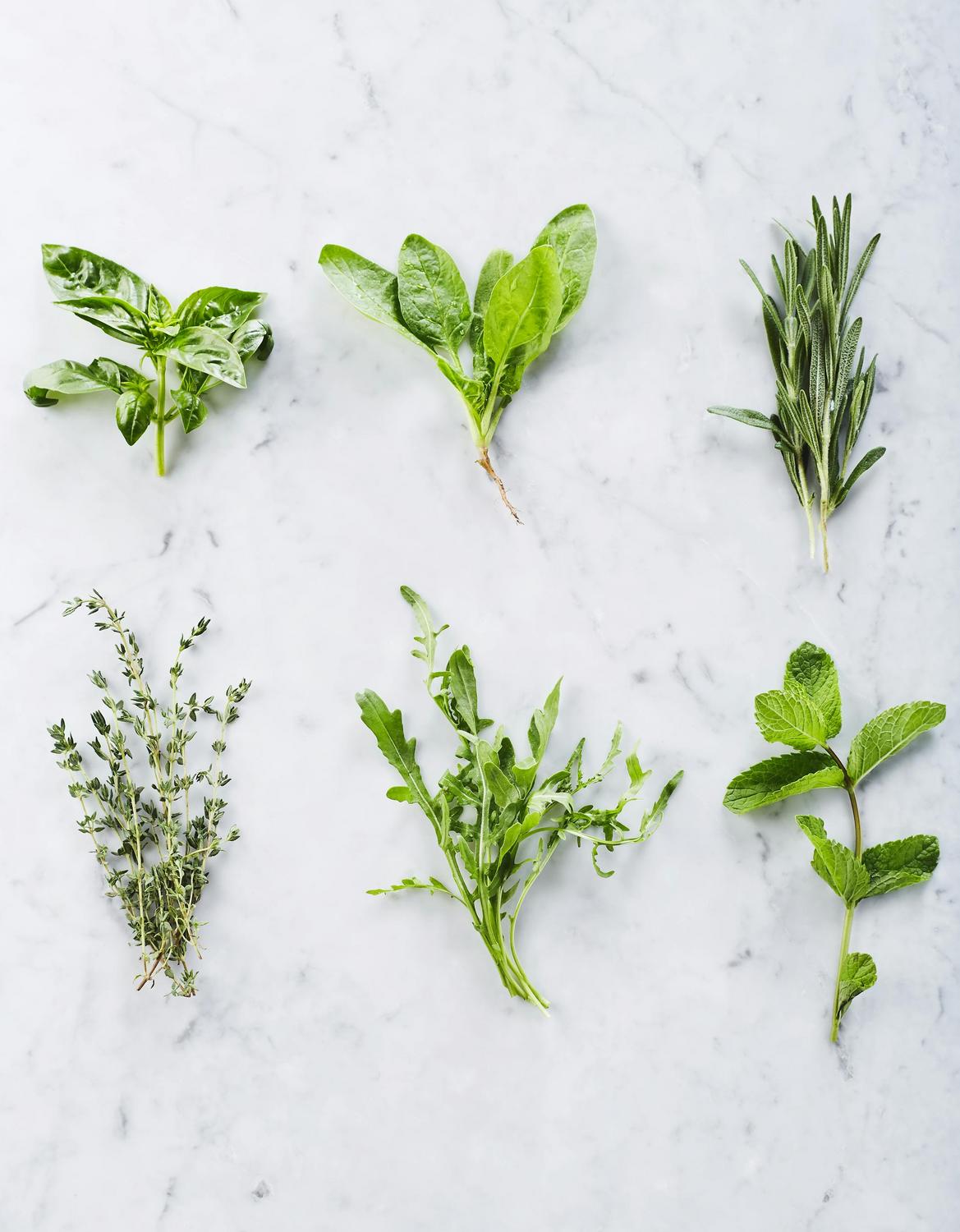
The most common complaint about healthy eating isn’t the cost or the time required—it’s the flavour. Countless Australians abandon nutritious meal plans not because they lack discipline, but because their taste buds rebel against bland, underseasoned food. This perception creates a false choice between meals that taste good and meals that support health goals. Meanwhile, high sodium intake from processed foods continues driving cardiovascular disease rates across the country, with most adults consuming far more than the recommended 1,500 mg daily limit.
The solution sits on your spice rack. Strategic use of herbs and spices transforms healthy cooking from a restrictive practice into an enjoyable culinary experience whilst delivering measurable health benefits. Research demonstrates that these culinary ingredients offer more than enhanced flavour—they provide metabolic support, inflammation reduction, blood sugar management, and weight management outcomes. Almost 20% of the US population uses natural products including herbs and spices, with nearly $14.8 billion spent annually on these ingredients, primarily for disease prevention and health optimisation.
For Australians managing weight or metabolic health conditions, understanding how to leverage these ingredients effectively represents a practical, evidence-based approach to sustainable dietary change.
Why Do Herbs and Spices Matter for Healthy Eating?
The relationship between herbs, spices, and health extends far beyond basic seasoning. These ingredients contain bioactive compounds that interact with human physiology at the molecular level, creating effects that support multiple health outcomes simultaneously.
Sodium reduction stands as the most immediate benefit. One-quarter teaspoon of salt contains 600 mg of sodium—nearly half the daily recommended intake. Over 70% of dietary sodium comes from processed and packaged foods, but home cooking presents its own challenges when meals taste flat without salt. Research published in 2024 demonstrates that culinary herbs and spices can reduce sodium levels by up to 50% whilst maintaining or enhancing palatability. For adults 65 years and older, who face increased cardiovascular risk, this substitution becomes particularly valuable.
Metabolic effects provide secondary advantages. Multiple systematic reviews have established that ginger, cinnamon, turmeric, curcumin, and curcuminoids improve lipid profiles in individuals with type 2 diabetes. A 2024 systematic review analysing 27 studies found that ginger supplementation significantly reduced body weight, body mass index, and body fat percentage. These aren’t marginal effects—overweight or obese women consuming approximately 3 grams of cumin powder daily lost three additional pounds compared to control groups over three months, with body fat percentage decreasing by 14.6% versus 4.9% in controls.
Anti-inflammatory properties address underlying disease processes. Research demonstrates that 1-3 grams of ginger daily for 6-12 weeks decreased C-reactive protein (CRP), a key inflammatory marker. Turmeric reviews covering 15 studies showed reductions in CRP, interleukin-6 (IL-6), and malondialdehyde (MDA)—all inflammatory biomarkers associated with chronic disease progression. Curcumin supplementation proved as effective as ibuprofen for reducing joint pain in individuals with arthritis.
Practical adherence matters most. Herbs and spices eliminate the perception that healthy eating requires bland food. They support cultural and ethnic cuisine accessibility within healthy parameters, allowing Australians from diverse backgrounds to maintain traditional flavour profiles whilst optimising nutrition. This alignment between preference and health creates sustainable dietary patterns rather than temporary restrictions.
Which Herbs and Spices Provide the Greatest Health Benefits?
The most extensively researched herbs and spices demonstrate specific mechanisms supporting metabolic health, inflammation reduction, and weight management. Understanding these effects allows targeted selection based on individual health priorities.
Metabolic and Thermogenic Effects
Turmeric (Curcuma longa) contains curcumin, which operates at the molecular level to block production of inflammatory molecules. Its antioxidant activity exceeds that of Vitamin C and Vitamin E. Research shows it supports metabolic health and may help manage metabolic syndrome. One tablespoon provides approximately 29 calories, 0.91g protein, 6.31g carbohydrate, 2.1g fibre, and 26% of daily manganese requirements. However, curcumin exhibits low bioavailability; absorption increases by up to 2,000% when paired with black pepper (piperine) or fat sources. Typical effective doses from research: 500 mg twice daily for pain and inflammation reduction, or approximately 1.5 teaspoons daily for general health.
Cinnamon regulates blood sugar through compounds that mimic insulin effects, helping transfer glucose from bloodstream to cells. Studies using 3-6 grams daily (1-2 teaspoons) significantly lowered pre- and post-meal blood glucose in healthy adults. One teaspoon daily associates with significant BMI and body weight reductions, particularly in individuals with polycystic ovary syndrome. It helps prevent blood sugar spikes and crashes that trigger cravings.
Ginger contains gingerol, shogaol, and zingerone—thermogenic compounds that increase metabolic rate and calorie burning. Meta-analyses confirm ginger reduces body weight, BMI, and body fat percentage. Two grams daily increased calorie burn by almost 100 calories compared with placebo. The fresh rhizome contains 60-70% carbohydrates, 3-8% crude fibre, and 9% protein. Effective doses range from 1-3 grams daily.
Cayenne pepper’s capsaicin increases body temperature and boosts metabolism by 15-20% temporarily. Research shows participants consuming cayenne pepper supplementation consumed an average of 257 fewer calories daily, leading to measurable weight loss. It reduces ghrelin (hunger hormone) levels and supports appetite suppression.
Anti-Inflammatory and Cardioprotective Compounds
Garlic contains allicin and organosulfur compounds that increase hypothalamus sensitivity to leptin (appetite-regulating hormone). It may reduce high blood pressure and improve cholesterol levels. Research demonstrates anti-diabetes effects in both animal and human trials. Crushing fresh garlic and allowing 10 minutes at room temperature releases enzymes, retaining up to 70% of beneficial compounds versus immediate cooking.
Black pepper’s piperine boosts metabolism, blocks formation of new fat cells, and enhances bioavailability of other nutrients including curcumin, beta-carotene, and CoQ10. Studies on obese mice showed fat reduction with piperine supplementation. It may increase absorption of other compounds by up to 2,000% when paired appropriately.
Cumin contains thymoquinone, providing potent antioxidant and anti-inflammatory properties. It improves insulin sensitivity and supports weight loss when combined with diet and exercise. Three grams daily showed effects comparable to certain weight-loss approaches in research settings.
Digestive Support Herbs
Fennel relieves bloating, supports digestion, and reduces water retention. Peppermint calms the digestive tract and reduces gas and bloating. Rosemary contains carnosic acid, which aids weight loss by inhibiting fat cell formation and helps muscles absorb glucose, potentially moderating hunger. It supports digestion and improves circulation.
How Can Herbs and Spices Replace Sodium in Your Cooking?
The Australian dietary landscape faces a sodium crisis. Average daily intake far exceeds recommendations, with most people needing only 200 mg sodium for proper body functioning. The challenge intensifies when reducing sodium—many individuals perceive low-sodium meals as unpalatable, leading to non-adherence with dietary recommendations.
The Flavour Replacement Strategy
Culinary herbs and spices deliver flavour comparable to or exceeding salt without sodium content (0 mg versus 2,300 mg per teaspoon of salt). Research specifically examining elderly populations found this substitution maintains meal satisfaction whilst dramatically reducing cardiovascular risk.
Fresh herbs provide immediate impact: parsley, basil, coriander, dill, chives, mint, oregano, and rosemary all add complexity without sodium. Use three times the amount of fresh herbs compared to dried versions, adding them near the end of cooking to preserve volatile flavour compounds.
Warm spices create depth perception: cinnamon, cloves, nutmeg, and allspice provide sweetness and complexity that reduce perceived need for salt. These work particularly well in vegetable preparations and grain dishes.
Aromatic spices build layered flavour: cumin, coriander, curry powder, and paprika create savoury, umami-like sensations that satisfy taste receptors similarly to sodium.
Citrus elements brighten and balance: lemon, lime, and orange zest and juice act similarly to salt by stimulating taste receptors and creating perceived “brightness.” This technique works especially well with fish, poultry, and vegetables.
Heat elements engage different receptors: cayenne, black pepper, and chilli peppers activate pain receptors, creating satisfying sensory experiences that reduce salt cravings.
Practical Implementation
Start with ¼ teaspoon dry or ¾ teaspoon fresh herb per 450g of meat or 2 cups sauce or soup. Dry roasting spices before use intensifies flavour through heat-activated compound release. For cold dishes, add herbs at the start and refrigerate several hours for flavour development.
Regional Flavour Profiles Without Sodium
| Cuisine Style | Herb & Spice Combination | Application |
|---|---|---|
| Italian | Basil, oregano, rosemary, thyme, marjoram, sage, black pepper | Tomato-based dishes, roasted vegetables, grilled proteins |
| Mexican | Cumin, coriander, chilli powder, oregano | Bean dishes, tacos, grilled meats, rice preparations |
| Indian/Curry | Turmeric, cumin, cardamom, cinnamon, coriander, mustard, black pepper | Curries, lentils, rice dishes, roasted vegetables |
| Mediterranean | Oregano, basil, rosemary, thyme, garlic powder | Fish, chicken, salads, olive oil-based preparations |
| Cajun | Paprika, garlic powder, onion powder, oregano, thyme, cayenne, black pepper | Seafood, poultry, vegetable stir-fries |
This table demonstrates that sodium isn’t necessary for authentic ethnic flavour profiles—the aromatic compounds in herbs and spices create regional identity more effectively than salt.
What Are the Metabolic Effects of Common Culinary Spices?
Understanding the physiological mechanisms through which herbs and spices affect metabolism allows informed selection based on individual health goals.
Thermogenesis and Energy Expenditure
Thermogenic spices increase body temperature and metabolic rate through direct activation of brown adipose tissue and increased sympathetic nervous system activity. Capsaicin from cayenne pepper increases metabolism by 15-20% temporarily. Gingerol from ginger demonstrates similar thermogenic properties, with 2 grams daily increasing calorie burn by almost 100 calories compared with placebo.
Piperine from black pepper boosts metabolic rate and blocks formation of new fat cells through mechanisms involving gene expression and protein regulation. These compounds create measurable but modest increases in daily energy expenditure.
Blood Glucose Regulation
Cinnamon contains cinnamaldehyde, which mimics insulin effects by improving glucose uptake into cells. It may slow breakdown of carbohydrates by reducing digestive enzyme activity. Research using 3-6 grams daily significantly lowered both fasting and postprandial blood glucose in healthy adults.
Fenugreek modifies blood sugar through galactomannan fibre and leptin regulation. Its soluble fibre creates fullness sensations whilst slowing glucose absorption. Ginger helps prevent glucose spikes after meals through similar mechanisms.
Appetite and Satiety Signalling
Multiple herbs and spices influence hunger and fullness through hormonal pathways. Capsaicin reduces ghrelin (hunger hormone) levels. Allicin from garlic increases leptin sensitivity, improving fullness signal detection. Fenugreek fibre creates mechanical stomach expansion, triggering satiety signals.
Research demonstrates these effects translate to meaningful calorie reduction—cayenne pepper supplementation resulted in participants consuming an average of 257 fewer calories daily.
Fat Metabolism and Adipogenesis
Several compounds directly affect fat cell formation and breakdown. Curcumin promotes fat breakdown (lipolysis) whilst reducing fat storage (lipogenesis). Carnosic acid from rosemary inhibits fat cell formation (adipogenesis). Piperine blocks new fat cell formation through gene regulation. Carvacrol from oregano regulates genes influencing obesity development.
A systematic review of 28 randomised controlled trials involving 1,049 control and 1,035 intervention participants found that ginger, cinnamon, turmeric, curcumin, and curcuminoids associated with improved lipid profiles in individuals with type 2 diabetes.
Anti-Inflammatory Mechanisms
Chronic inflammation drives metabolic dysfunction, insulin resistance, and obesity-related complications. Research demonstrates that 1-3 grams of ginger per day for 6-12 weeks decreased C-reactive protein levels. One gram daily for 3 months reduced inflammation markers and nitric oxide levels in individuals with osteoarthritis. Two grams daily for 11 days significantly reduced exercise-induced muscle pain.
Turmeric’s anti-inflammatory effects occur at the molecular level, helping block production of inflammatory molecules. Reviews of 15 studies demonstrated reductions in CRP, IL-6, and MDA. These effects support metabolic health independently of weight loss.
How Should You Use Herbs and Spices Safely and Effectively?
Whilst herbs and spices demonstrate excellent safety profiles when used as cooking seasonings, understanding appropriate quantities and potential interactions ensures optimal outcomes.
General Safety Guidelines
Herbs and spices consumed in typical food amounts—the quantities used for flavouring meals—present minimal risk for most individuals. Starting with small amounts and increasing gradually allows body adjustment and identification of potential adverse reactions. This approach proves particularly important for individuals with existing health conditions or those taking medications.
Specific Herb and Spice Considerations
Ginger may decrease blood clotting, requiring caution for individuals taking anticoagulant medications. It may impact blood sugar levels, necessitating monitoring for those on glucose-lowering medications. Research indicates safety for up to 6 months at recommended quantities (1-3 grams daily). High doses may cause nausea, diarrhoea, or gastrointestinal discomfort.
Turmeric and curcumin stimulate stomach gastric acid production—beneficial for some individuals, potentially problematic for others with acid-related conditions. High doses may cause rashes, headaches, or diarrhoea, though clinical trials generally demonstrate good tolerance. Important consideration: turmeric powder contains only approximately 3% curcumin by weight, meaning cooking quantities provide substantially less curcumin than research-validated supplement doses.
Cinnamon demonstrates safety at food-seasoning levels. Large amounts consumed over extended periods may cause side effects due to coumarin content, though this concern primarily applies to supplement doses rather than culinary use.
Cayenne pepper remains safe in food amounts. High doses may cause stomach irritation, sweating, or runny nose. Sensitive individuals may experience gastrointestinal distress, heartburn, or nausea.
Fenugreek safety remains unknown at quantities substantially higher than typical food flavouring. It may cause nausea, diarrhoea, gastrointestinal problems, or allergic reactions in susceptible individuals.
Evidence-Based Dosing from Research
Research-validated doses provide guidance for therapeutic use, though culinary quantities often prove sufficient for general health support:
- Cinnamon: 1-2 teaspoons (3-6 grams) daily
- Ginger: 1-3 grams daily for 6-12 weeks, or 1-2 grams ongoing
- Turmeric: 1.5 teaspoons daily for general health
- Garlic: Fresh minced, allowing 10-minute enzyme release before cooking
- Cumin: Approximately 3 grams daily as food seasoning
- Cardamom: 1.5 teaspoons daily
Bioavailability Enhancement
Maximising absorption of beneficial compounds requires strategic pairing. Turmeric absorption increases by up to 2,000% when combined with black pepper or fat sources. This synergy explains the traditional pairing in curry preparations. Cooking herbs and spices rather than using them raw (except fresh herbs added at the end) maximises active compound extraction. Whole spices ground fresh provide maximum potency compared to pre-ground versions stored long-term.
Consultation Requirements
Always consult healthcare providers before using herbs and spices in supplement doses, especially with existing health conditions or concurrent medication use. This precaution applies particularly to anticoagulants, diabetes medications, and conditions affecting gastric acid production.
Transforming Your Kitchen Practice: Making Herbs and Spices Central to Healthy Eating
Integration of herbs and spices into daily cooking represents more than a health intervention—it transforms the relationship between nutrition and pleasure. Australian dietary guidelines emphasise whole foods and plant-based ingredients, and herbs and spices align perfectly with these recommendations whilst addressing the practical challenge of maintaining adherence to healthy eating patterns.
The evidence base demonstrates multiple simultaneous benefits. Sodium reduction addresses cardiovascular disease risk. Metabolic effects support weight management goals. Anti-inflammatory properties reduce chronic disease progression. Digestive support improves nutrient absorption. Blood glucose regulation helps prevent type 2 diabetes. These aren’t theoretical advantages—research consistently demonstrates measurable outcomes across diverse populations.
For Australians managing weight, the integration of herbs and spices supports adherence to healthy eating by maintaining palatability without added calories or sodium. Thermogenic spices may provide metabolic support alongside structured approaches. Digestion support from culinary herbs enhances nutrient absorption. Anti-inflammatory properties support metabolic health and reduce obesity-related complications.
The multicultural nature of Australian society provides unique advantages. Diverse ethnic backgrounds bring varied culinary traditions, all of which incorporate distinctive herb and spice combinations. This diversity allows personalisation whilst maintaining health-supporting principles. Indian, Mediterranean, Middle Eastern, Asian, and Latin American cuisines all centre on aromatic compounds rather than sodium for flavour development.
Starting involves simple steps. Replace salt with herb-and-spice blends in one meal daily. Experiment with different regional flavour profiles. Invest in a small selection of fresh herbs for weekly use. Purchase whole spices and grind them fresh when possible. Allow 2-3 weeks for taste bud adaptation—research shows this timeline proves sufficient for preference shifts toward lower-sodium preparations.
The retraining of taste perception represents a valuable long-term investment. Within weeks, formerly acceptable high-sodium foods often taste unpleasantly salty. This shift creates sustainable dietary change driven by preference rather than restriction—the most effective approach for long-term health outcomes.
Skip the struggles. Our patients achieve up to 20.2% weight reduction with medical weight loss treatments delivered straight to their door. No clinics. No waiting. Just results. See if you’re eligible for our medical weight loss treatments – take our quiz.
Can herbs and spices actually help with weight management?
Research demonstrates that specific herbs and spices support weight management through multiple mechanisms. Ginger supplementation significantly reduced body weight, BMI, and body fat percentage across 27 analysed studies. Women consuming approximately 3 grams of cumin powder daily lost three additional pounds compared to control groups, with body fat percentage decreasing by 14.6% versus 4.9%. Cayenne pepper supplementation resulted in participants consuming an average of 257 fewer calories daily. These effects stem from thermogenic properties, appetite suppression, improved insulin sensitivity, and anti-inflammatory mechanisms.
Which herb or spice combinations work best for reducing salt intake?
The most effective sodium replacements combine multiple flavour elements. Italian blends using basil, oregano, rosemary, thyme, and black pepper work well for tomato-based dishes and roasted vegetables. Mexican combinations of cumin, coriander, chilli powder, and oregano suit bean dishes and grilled meats. Mediterranean profiles featuring oregano, basil, rosemary, thyme, and garlic powder complement fish and chicken preparations. Research demonstrates these combinations can reduce sodium levels by up to 50% whilst maintaining palatability. Adding citrus juice and zest further enhances flavour by stimulating taste receptors similarly to salt.
How much turmeric or ginger should I use daily for health benefits?
Research-validated doses provide specific guidance. For turmeric, approximately 1.5 teaspoons daily supports general health, though turmeric powder contains only about 3% curcumin by weight. Pairing with black pepper increases absorption by up to 2,000%. For ginger, 1-3 grams daily for 6-12 weeks demonstrates effectiveness for inflammation reduction, with 1-2 grams daily suitable for ongoing use. These quantities align with generous culinary use, such as grated fresh ginger in smoothies, stir-fries, and teas, or turmeric in curries, soups, and golden milk preparations. It’s important to consult healthcare providers before using supplement doses.
Are there any safety concerns with using herbs and spices regularly?
Herbs and spices demonstrate excellent safety profiles when used in typical cooking quantities. Specific considerations apply: ginger may affect blood clotting and blood sugar, turmeric may stimulate gastric acid production, and high doses of certain spices can cause gastrointestinal discomfort. Starting with small amounts and gradually increasing allows identification of potential sensitivities. Always consult a healthcare provider before using supplement doses, especially if you have underlying health conditions or are taking medications.
How long does it take to notice benefits from cooking with herbs and spices?
The timeline for benefits varies by outcome. Taste adaptation can take 2-3 weeks, after which lower-sodium preparations become more appealing. Blood pressure improvements from sodium reduction may occur within weeks, while anti-inflammatory and metabolic benefits typically accumulate over 6-12 weeks or longer with consistent use.