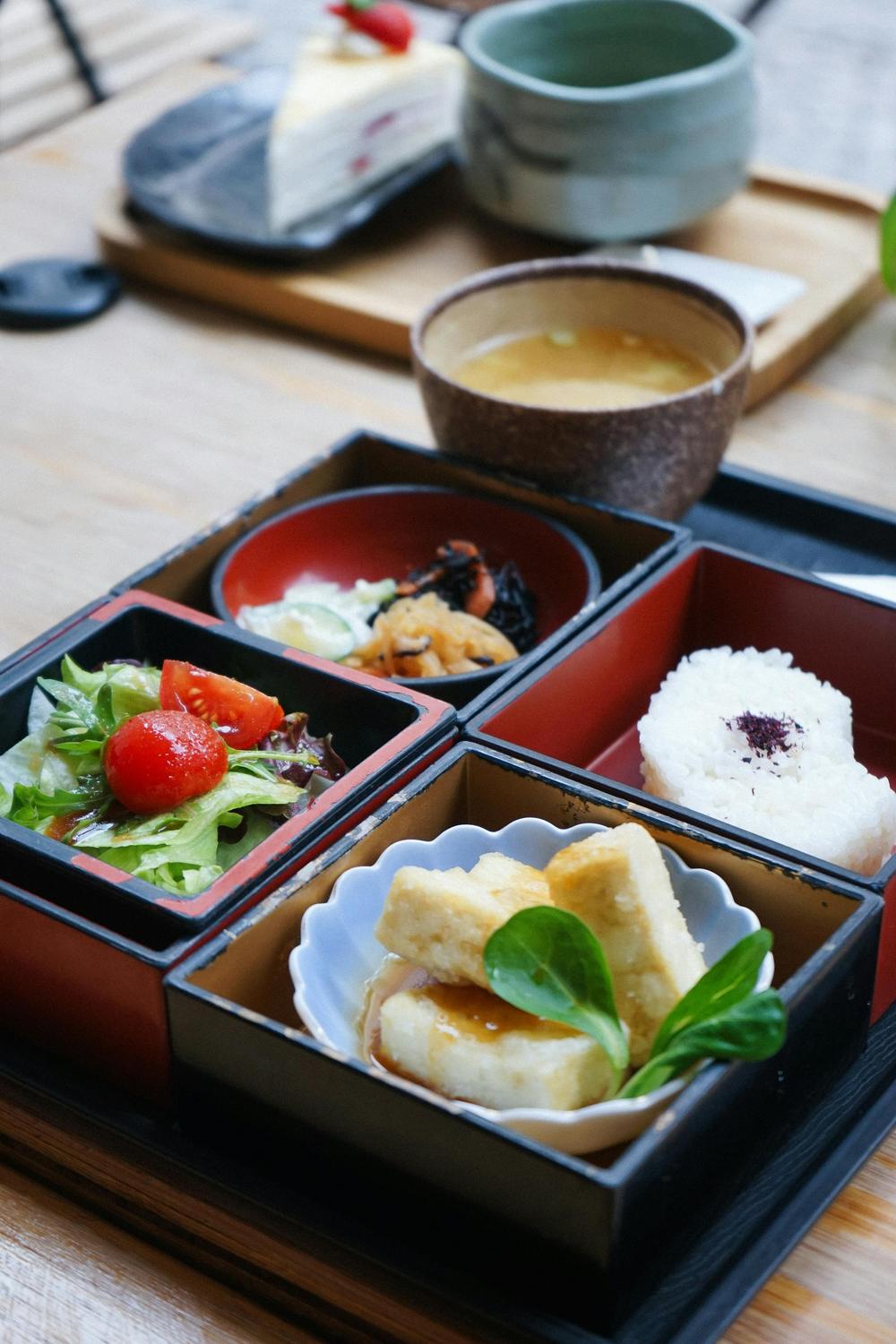
Two in three Australian adults struggle with their weight, navigating an environment where restaurant portions have expanded by 138% since 1970. The mathematics of modern eating are working against us: each additional 100 calories consumed daily from oversized servings predicts approximately 0.5 kg of weight gain annually. Yet within this challenging landscape, a scientifically-supported solution has emerged from Japanese food culture—the structured simplicity of bento box meal preparation.
Creating bento boxes that are weight loss friendly transforms portion control from an abstract concept into a visual, practical system. Research demonstrates that portion control interventions achieve an average 3.2 kg mean weight loss over 12 weeks, compared to just 0.7 kg in control groups. The compartmentalised structure of bento boxes addresses a fundamental challenge: people tend to eat almost all of what they serve themselves, making the physical boundaries within these containers particularly effective for managing intake.
The Australian Dietary Guidelines emphasise balanced nutrition across five food groups, but translating these recommendations into daily meals often proves overwhelming. Bento boxes bridge this gap, providing a tangible framework that aligns with evidence-based nutritional principles whilst reducing decision fatigue. This approach doesn’t require eliminating favourite foods or following restrictive diets—rather, it restructures portions to support gradual, sustainable weight reduction.
Why Do Bento Boxes Work for Weight Loss?
The effectiveness of creating bento boxes that are weight loss friendly rests on multiple interconnected mechanisms validated through clinical research. At its core, this approach leverages visual portion recognition to bypass the cognitive challenges inherent in calorie counting and food weighing.
The Portion Control Effect
A 50% reduction in portion size leads to an average 35% decrease in daily energy consumption, according to nutritional science research. The PORTION-Health trial, which followed 1,202 participants for 18 months, revealed striking differences: the portion control cohort maintained 9.1% body weight loss versus 4.3% in calorie restriction groups and merely 2.1% in exercise-only participants. These findings underscore that how much we eat often matters more than precise caloric calculations.
Bento boxes operationalise this principle through physical compartments that prevent overfilling. Each section naturally limits portion sizes without requiring measurements, creating what researchers term “cognitive offloading”—the external structure performs the portion control work, reducing the mental burden on individuals trying to lose weight.
Psychological Satiation Through Variety
The multiple compartments within bento boxes satisfy psychological needs alongside physiological hunger. Research indicates that food variety within controlled portions prevents feelings of deprivation whilst maintaining caloric boundaries. The visual presentation of separate, colourful components increases meal satisfaction without additional calories—a phenomenon confirmed by Better Health Victoria’s research showing that well-presented meals enhance consumption of healthy components.
Neurological Adaptation
Perhaps most remarkably, neuroimaging studies reveal that after six months of portion control practice, participants show decreased activation in brain reward pathways associated with overeating. This suggests that consistent use of structured meal systems like bento boxes may help recalibrate appetite regulation at a neurological level.
The Plate Effect in Practice
Research demonstrates that food served on large plates leads to 31% more consumption compared to smaller vessels. Bento boxes exploit this “plate effect” by using defined compartment spaces and visual boundaries. The transparency of many containers provides immediate visual feedback, allowing users to recognise appropriate portions before eating begins.
What Should Go Into a Weight Loss-Friendly Bento Box?
Creating bento boxes that are weight loss friendly requires adherence to evidence-based compositional principles aligned with Australian Dietary Guidelines. The National Health and Medical Research Council’s recommendations provide the foundation, emphasised through the “plate method” endorsed by nutrition professionals.
The Structural Framework
The optimal bento box structure follows a clear ratio:
- 50% vegetables (low-calorie, high-fibre)
- 25% lean protein
- 25% complex carbohydrates
- Small amounts of healthy fats
This distribution aligns with research showing sustained weight loss with approximate macronutrient ratios of 40% carbohydrates, 30% protein, and 30% fat—emphasising complex, high-fibre varieties and lean protein sources.
Vegetable Component: The Volume Advantage
Vegetables must occupy half the bento box, providing what researchers call the “volume advantage.” With only approximately 25 calories per half-cup cooked serving, vegetables enable increased meal volume whilst maintaining minimal caloric impact. This matters because the brain takes 12-18 minutes to recognise fullness signals—predetermined vegetable portions prevent overeating during this delay.
Queensland Health recommends at least five serves of vegetables daily for adults. A single bento box can deliver two to three serves through strategic selection:
- Dark leafy greens (spinach, kale)
- Orange and yellow varieties (carrots, capsicum, sweet potato)
- Purple vegetables (beetroot, red cabbage)
- White vegetables (cauliflower, mushrooms)
Colour diversity isn’t merely aesthetic—research shows that colour correlates to specific nutrients, with different phytochemicals providing varied health benefits.
Protein Component: Satiety and Muscle Preservation
The protein compartment should contain 110-170 g of cooked lean protein. Research confirms that protein suppresses ghrelin (the hunger hormone) more effectively than carbohydrates, with high-protein meals increasing feelings of fullness. During weight loss, adequate protein supports muscle retention—critical for maintaining metabolic rate.
Australian Dietary Guidelines define a standard protein serve as 65 g cooked lean red meat, 80 g cooked poultry, 100 g cooked fish, two large eggs, or one cup cooked legumes. Aim for at least 25-30 g protein per main meal to optimise satiety benefits.
Carbohydrate Component: Strategic Selection
The carbohydrate compartment (75-120 g cooked) should emphasise whole grains and complex sources. Half a cup of cooked brown rice provides approximately 70 calories alongside significant fibre, compared to refined white rice which offers less nutritional density and reduced satiety.
According to the Australian Guide to Healthy Eating, one serve of grain foods equals half a cup cooked rice or pasta (75-120 g). This single serve per meal supports energy needs whilst preventing the caloric excess that contributes to weight gain.
Healthy Fats: Precision Required
Fats provide the highest caloric density at nine calories per gram. Whilst essential for nutrient absorption and hormone production, they require careful portioning. Limit to one to two tablespoons maximum (approximately 45-90 calories total):
- Avocado: thin slice
- Nuts: 12 whole raw almonds equals one serve
- Olive oil: one teaspoon (45 calories)
- Seeds: measured portions
How Much Should Each Compartment Contain?
Understanding serving sizes transforms the theoretical bento box structure into practical meal preparation. Creating bento boxes that are weight loss friendly demands precision in initial portioning, which eventually becomes intuitive through repeated practice.
Visual Measurement Techniques
The Australian Government’s Eat for Health programme recommends visual comparisons for portion estimation:
- Fruit serving: size of a tennis ball (~60 calories)
- Vegetable serving: size of a baseball (½ cup cooked = ~25 calories)
- Carbohydrate serving: size of a deck of cards (½ cup pasta = ~70 calories)
- Protein serving: size of a deck of cards (55-85 g = ~110 calories)
- Fat serving: size of a pair of dice (two teaspoons = ~45 calories)
These visual cues eliminate the need for scales at every meal whilst maintaining portion accuracy.
Container Capacity Considerations
Research indicates that well-proportioned bento boxes typically contain:
- Small bento boxes: ~500 ml capacity; 300-400 calories
- Medium bento boxes: 500-780 ml capacity; 400-550 calories
These calorie ranges align with recommended lunch portions for weight loss programmes. For individuals requiring 1,200-1,500 calories daily for weight reduction, a 400-calorie lunch allows appropriate distribution across breakfast, dinner, and snacks.
Practical Portion Examples
The table below demonstrates three evidence-based bento combinations, each designed to deliver balanced nutrition within weight loss caloric parameters:
| Bento Style | Protein Component | Carb Component | Vegetable Component | Healthy Fat | Total Calories | Macros (P/C/F) |
|---|---|---|---|---|---|---|
| Mediterranean | 100g grilled chicken breast | ½ cup brown rice (70 cal) | 1 cup mixed salad (25 cal) + ½ cup grapes (40 cal) | 8 olives (35 cal) + 2 tbsp hummus (55 cal) | ~390 | 35g/40g/10g |
| Asian-Inspired | 100g tofu stir-fried | ½ cup quinoa (70 cal) | ½ cup edamame (95 cal) + broccoli & bok choy (30 cal) | 1 tsp sesame oil (40 cal) | ~335 | 18g/35g/8g |
| High-Protein | 2 hard-boiled eggs (155 cal) + Greek yoghurt (75 cal) | 1 slice wholegrain bread (80 cal) | Carrot sticks, capsicum, cherry tomatoes (25 cal) | 12 almonds (80 cal) | ~415 | 25g/30g/12g |
Each combination adheres to the structural framework whilst offering flavour variety—critical for long-term adherence.
Avoiding Common Portioning Errors
Research reveals that 68% better adherence occurs when containers aren’t overfilled. Avoid these pitfalls:
- Compressing food excessively to fit more
- Heaping portions above compartment edges
- Adding unmeasured oils or dressings (one tablespoon oil = 120 calories)
- Insufficient vegetable volume (aim for minimum 50% of total container)
Which Foods Create the Most Satisfying Low-Calorie Bentos?
The success of creating bento boxes that are weight loss friendly depends substantially on food selection. Certain foods provide maximum satiation relative to their caloric contribution—a concept researchers term “satiety per calorie.”
High-Volume, Low-Calorie Vegetables
Vegetables and salads have low caloric density but high volume, making them ideal for filling bento compartments. Filling half a bento box with vegetables enables increased meal volume whilst maintaining minimal caloric impact. Strategic selections include:
Raw vegetables (provide maximum volume and crunch):
- Leafy greens: spinach, mixed lettuce, rocket
- Cruciferous: broccoli florets, cauliflower, cabbage
- Capsicum: all colours provide different antioxidants
- Cucumber and celery: extremely low calorie, high water content
Cooked vegetables (reduce bulk, increase variety):
- Steamed: retains nutrients and natural flavours
- Roasted: enhances sweetness without added fat
- Blanched: preserves colour and texture whilst reducing volume
Protein Sources That Maximise Fullness
Protein’s superior satiety effect makes selection critical. Research confirms that high-protein meals suppress hunger hormones more effectively than carbohydrate-focused alternatives:
Lean animal proteins:
- Chicken breast: 165 calories per 100 g, 31 g protein
- White fish: 100-120 calories per 100 g, 20-25 g protein
- Eggs: 155 calories per two large eggs, 13 g protein
Plant-based proteins:
- Tofu: 100 calories per 100 g, 10 g protein
- Legumes: one cup cooked provides both protein and carbohydrate serves
- Tempeh: higher protein density than tofu
Greek yoghurt and cottage cheese: provide protein alongside calcium, supporting bone health during weight loss.
Carbohydrates That Sustain Energy
Complex carbohydrates provide sustained energy release, preventing the blood sugar fluctuations that trigger hunger:
- Brown rice: fibre-rich, 70 calories per half cup cooked
- Quinoa: complete protein alongside carbohydrates
- Sweet potato: satisfies starchy carbohydrate needs whilst providing beta-carotene
- Wholegrain bread: one slice (40 g) fits neatly into smaller compartments
- Legumes: black beans, chickpeas, lentils serve dual protein-carbohydrate roles
Flavour Enhancement Without Caloric Cost
Herbs and spices add zero calories whilst dramatically enhancing satisfaction:
- Fresh herbs: coriander, basil, parsley, mint
- Spices: turmeric, cumin, paprika, black pepper
- Aromatics: ginger, garlic, spring onions
- Acid: lemon juice, lime juice, vinegar
How Can You Maintain Long-Term Success with Bento Box Meal Prep?
Sustainability represents the ultimate measure of any weight loss strategy. Research on portion-controlled meal systems demonstrates that 79% of users continued using structured portion containers after six months versus 34% using disposable options—a testament to the approach’s practical viability.
Weekly Planning Strategies
The Australian Government’s Eat for Health programme recommends systematic meal planning. For bento boxes, this translates to:
Plan three to four bento variations to prevent dietary monotony. Variety within structure—the same compartment ratios filled with different foods—maintains interest whilst preserving portion control benefits.
Batch cook core components over weekends or designated preparation times:
- Proteins: grill multiple chicken breasts, bake fish portions, prepare tofu
- Grains: cook brown rice and quinoa in batches; freeze individual portions
- Vegetables: pre-chop raw varieties; steam or roast in bulk
- Store prepped ingredients in airtight containers (3-4 days refrigerated; up to three months frozen)
Research shows that dedicated meal prep saves 45+ minutes daily whilst increasing healthy food availability by reducing reliance on convenience options. Studies demonstrate that structured meal prep encourages consumption of 22% more vegetables when using portioned containers.
Assembly Optimisation
Proper assembly technique maintains food quality and safety:
- Keep wet and dry elements separate until eating
- Store dressings and sauces in small separate containers
- Add leafy greens just before eating to maintain crispness
- Use parchment paper or silicone dividers to prevent flavour transfer
- Label with preparation date for food safety tracking
Behavioural Integration
Creating bento boxes that are weight loss friendly works synergistically with mindful eating practices emphasised by Better Health Victoria:
Focused attention: Eat without distractions such as television or work. A 2022 study showed television watching associated with greater food consumption and higher BMI. The compartmentalised structure of bento boxes encourages deliberate attention to each component.
Slow eating: Taking 20+ minutes for meals allows satiety signals to register. Research links eating speed inversely with healthier BMI. Multiple chews per bite correlates with reduced energy intake.
Food awareness: The act of assembling a bento encourages engagement with food quality and composition. Pre-portioning reduces impulsive eating decisions whilst the visual appeal increases satisfaction.
Long-Term Outcome Data
The evidence supporting sustained success is compelling. Users who achieved at least 5% initial weight loss at week 16 were significantly more likely to maintain that reduction at one year. Pre-portioned meal strategies produced 2.5 times greater weight loss than self-selected portions in isocaloric comparisons.
Queensland Health emphasises that gradual weight loss of 0.5-1 kg per week is more likely to be maintained than rapid reduction. Even five to ten per cent body weight loss delivers significant health benefits. Research confirms that 5% weight loss produces clinically significant decreases in morbidity and mortality associated with obesity-linked conditions.
Adaptability Across Life Stages
Bento boxes accommodate changing needs:
- Different container sizes suit varying energy requirements
- Compartment ratios adjust for specific dietary approaches (higher protein, lower carbohydrate, vegetarian)
- The visual structure remains constant whilst contents evolve
- Portable design supports consistent eating patterns despite schedule changes
Integration with Professional Support
Creating bento boxes that are weight loss friendly complements medical weight management approaches. Evidence shows portion-controlled meal approaches enhance outcomes when combined with professional guidance. The structured format facilitates tracking for healthcare providers whilst establishing sustainable eating patterns that persist beyond active treatment phases.
Building Your Personalised Bento Practice
The journey toward healthy weight begins with a single portioned meal. Creating bento boxes that are weight loss friendly represents more than mere calorie restriction—it embodies a scientifically-validated approach to restructuring eating patterns through visual boundaries, balanced nutrition, and mindful preparation.
Australian health statistics reveal the magnitude of our collective challenge: two in three adults carry excess weight, navigating an environment engineered for overconsumption. Yet within this complexity, bento boxes offer elegant simplicity. The compartmentalised structure transforms abstract nutritional guidelines into tangible, daily practice. Each prepared container represents a proactive choice, a boundary established against the relentless pressure to overeat.
The research evidence supporting this approach extends across multiple domains—from neuroimaging studies showing altered brain reward responses to 18-month clinical trials demonstrating superior weight maintenance. These aren’t merely temporary fixes but pathways toward recalibrated appetite regulation and normalised portion recognition.
Success with bento box meal preparation requires neither perfection nor deprivation. Rather, it demands consistency—the repeated practice of portioning, the gradual accumulation of prepared meals, and the ongoing engagement with whole foods and balanced nutrition. When structure supports rather than restricts, and when variety exists within boundaries, individuals maintain practices that deliver lasting results.
How many calories should my weight loss bento box contain?
Well-proportioned bento boxes typically contain 300-550 calories depending on container size. For weight loss, small to medium containers (500-780 ml capacity) delivering 400-500 calories per main meal align with recommended daily caloric distributions. This allows appropriate allocation across breakfast, dinner, and snacks within a total daily intake of 1,200-1,500 calories for gradual weight reduction. Individual requirements vary based on age, sex, activity level, and starting weight—consider consulting healthcare professionals for personalised recommendations.
Can I prepare bento boxes several days in advance?
Yes, proper preparation and storage enable batch cooking efficiency. Cooked proteins, grains, and most vegetables maintain quality for 3-4 days when refrigerated in airtight containers. Some components freeze successfully for up to three months. Remember to keep wet and dry elements separate until eating time, store dressings in small separate containers, and add delicate items like leafy greens just before consumption to maintain crispness.
What’s the minimum vegetable volume required for weight loss effectiveness?
Vegetables should occupy at least 50% of your bento box volume to maximise satiety benefits while maintaining low caloric density. This translates to approximately one to two cups of vegetables per meal, delivering two to three of the recommended five daily serves. The high fibre and water content of vegetables enhances fullness perception and supports nutrient adequacy during weight reduction.
Do bento boxes work for vegetarian or vegan diets?
Absolutely. Creating weight loss-friendly bento boxes adapts seamlessly to plant-based eating patterns. Replace animal proteins with tofu, tempeh, legumes, or combinations like quinoa with beans to achieve complete protein profiles. The compartmentalised structure and portion control principles remain identical regardless of protein source, and plant-based options often provide additional fibre.
How long until I see weight loss results with bento box meal prep?
Research indicates that portion control interventions can achieve an average 3.2 kg weight loss over 12 weeks when consistently implemented. Many find initial results within 2-4 weeks as their body adjusts to controlled portions and balanced nutrition. Consistency is key, and sustainable weight loss typically ranges from 0.5-1 kg per week.


