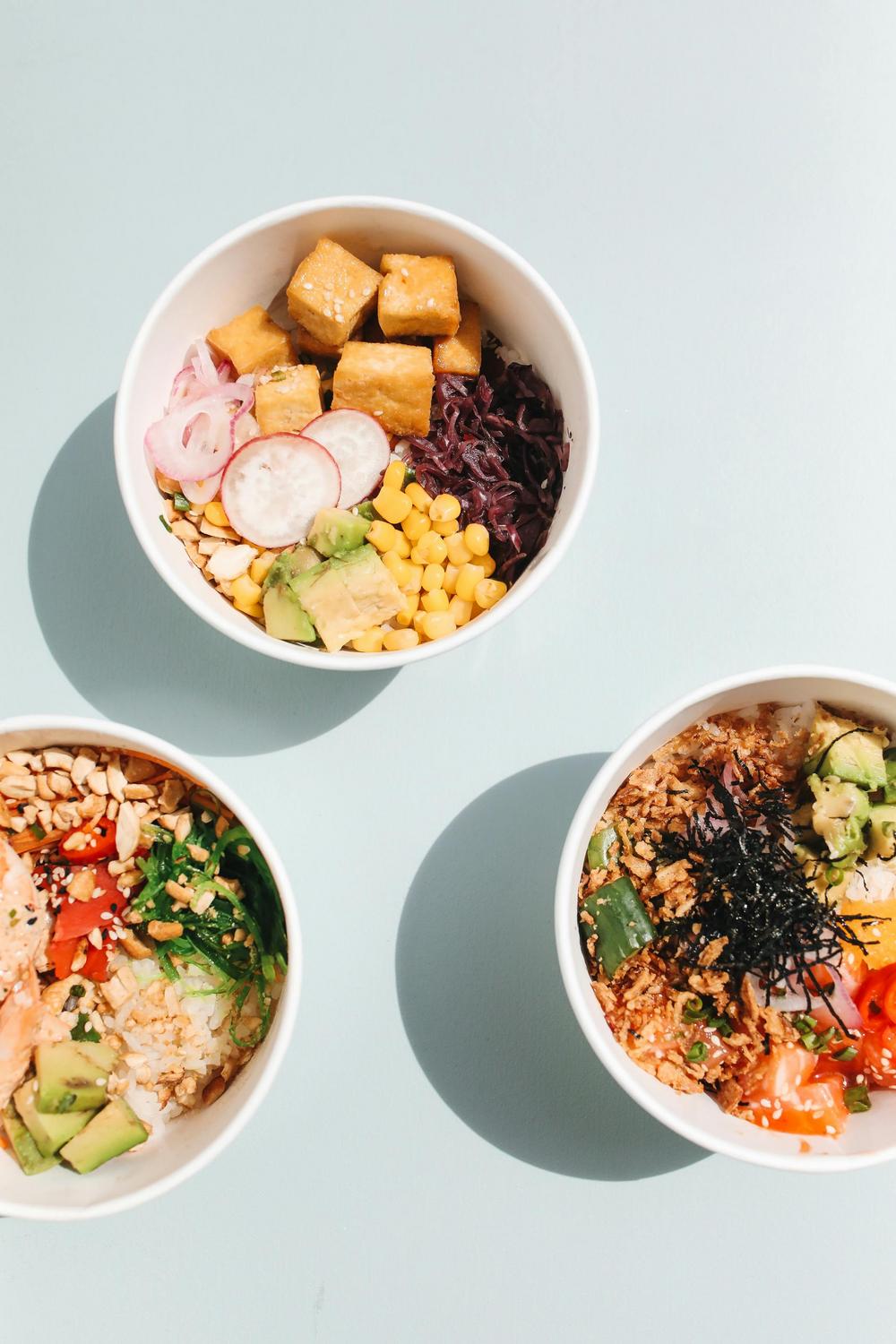
Finding time to prepare nutritious meals whilst managing weight can feel overwhelming. Between work commitments, family responsibilities, and the endless scroll through contradictory dietary advice, many Australians struggle to maintain consistent healthy eating patterns. The promise of “quick and healthy” often translates to bland, unsatisfying meals that leave you reaching for convenient but less nutritious alternatives within hours.
Asian-inspired cooking offers a refreshing solution to this dilemma. Traditional Asian cuisines naturally emphasise vegetables, lean proteins, and whole grains—all prepared using cooking methods that preserve nutrients whilst keeping meals low in saturated fats and added sugars. These aren’t complicated, time-consuming recipes requiring specialty equipment or hard-to-find ingredients. Rather, they represent evidence-based dietary patterns that align with Australian Dietary Guidelines and support meaningful health outcomes.
The clinical evidence is compelling. Studies demonstrate that dietary patterns consistent with Asian guidelines are positively associated with a 10-20% reduction in morbidity. Meta-analyses published in the European Heart Journal (2023) found that plant-based dietary patterns, central to Asian cuisines, are linked to reduced levels of LDL cholesterol and decreased cardiovascular disease risk. For those focused on weight management, Asian meals are naturally lower in calories due to their emphasis on vegetables and plant-based ingredients, creating satiety without excessive caloric density.
Why Are Asian-Inspired Recipes Naturally Healthier?
Asian cuisines have evolved over millennia around principles that modern nutritional science now validates. The fundamental architecture of these meals—what appears on the plate and in what proportions—differs significantly from Western dietary patterns in ways that matter for health outcomes.
Traditional Asian dishes emphasise vegetables as approximately 75% of the plate, creating a natural alignment with evidence-based dietary recommendations. This vegetable-forward approach provides high fibre content (25-40g daily) that promotes satiety and prevents overeating whilst delivering essential micronutrients. The remaining 25% typically comprises lean proteins such as fish, poultry, tofu, or legumes, and moderate portions of whole grains.
According to the American Heart Association (2025), Asian heritage diets are associated with reduced heart disease risk through their emphasis on vegetables, plant-based proteins, whole grains, and fermented foods. One study found a 40% lower mortality rate in Asian diet adherents over four years—a substantial clinical outcome driven by consistent dietary patterns rather than temporary interventions.
The inclusion of therapeutic spices and herbs contributes additional health benefits beyond basic nutrition. Turmeric contains curcumin, a potent anti-inflammatory compound with strong antioxidant properties that may improve brain function and working memory. Ginger provides anti-inflammatory benefits whilst aiding digestion and improving circulation. Lemongrass offers high dietary fibre, essential minerals including iron, zinc, phosphorus, and magnesium, and may promote metabolism. These aren’t simply flavouring agents—they’re functional ingredients with documented physiological effects.
Fish consumption, particularly fatty fish rich in omega-3 fatty acids, is central to many Asian coastal cuisines and provides cardioprotective effects. Studies consistently demonstrate that regular fish consumption supports cardiovascular health through mechanisms including reduced triglycerides, improved endothelial function, and anti-inflammatory effects.
What Makes Asian Cooking Methods So Effective for Weight Management?
The techniques used in Asian kitchens preserve nutritional integrity whilst minimising added fats—a combination that supports weight management without sacrificing flavour or satisfaction. These methods aren’t accidental cultural practices; they represent generations of culinary refinement that happen to align perfectly with contemporary nutritional recommendations.
Steaming preserves vitamins and minerals that would otherwise leach into cooking water. Water-soluble nutrients remain in the food rather than dissolving away, and vegetables retain their crispness, colour, and nutritional density. This method requires no added fats whatsoever, making it ideal for those monitoring caloric intake.
Stir-frying, when done properly, uses minimal oil (typically 1-2 teaspoons) whilst cooking quickly at high heat. This rapid cooking preserves natural flavours and textures, and vegetables remain crisp and nutrient-dense. The technique allows for partial undercooking of vegetables in a healthier method, then briefly stir-frying for texture and browning—maximising both nutrition and palatability.
Grilling and broiling achieve charred, smoky flavour without extra fat, reducing the need for high-calorie sauces. These quick cooking methods suit busy schedules whilst supporting dietary goals.
Research published in Oxford Academic (2025) examining Chinese cuisine found that nutrient content changes were minimal between industrial and traditional cooking methods for macronutrients, with both preserving nutritional value effectively. Macronutrients (protein, fat, carbohydrates) remained relatively stable (less than 20% change) with traditional Asian cooking methods, whilst fat-soluble vitamins showed minimal fluctuations (2.6-39.4%). Minerals actually demonstrated moderate increases under cooking conditions.
The practical implications are significant: these cooking methods don’t require you to compromise between convenience and nutrition. A properly prepared stir-fry delivers as much nutritional value as more time-intensive preparations whilst fitting into realistic daily schedules.
Which Ingredients Transform Asian Dishes into Nutritional Powerhouses?
Understanding the functional components of Asian cuisine allows you to construct meals that deliver specific health outcomes whilst remaining satisfying and flavourful. These aren’t exotic ingredients requiring specialty shops—most are increasingly available in standard Australian supermarkets.
Vegetables and Plant-Based Foundations
Dark leafy greens including bok choy, spinach, mustard greens, and kale provide vitamins A, C, and K. Cruciferous vegetables such as broccoli, cabbage, and cauliflower contain cancer-protective compounds. Mushrooms offer umami flavour with minimal calories whilst providing B vitamins and minerals. Sea vegetables including nori, wakame, and kombu are rich in minerals including iodine.
Lean Proteins and Plant Alternatives
Fish and seafood—particularly salmon, mackerel, and sardines—deliver omega-3 fatty acids essential for cardiovascular health. Poultry provides lean protein when prepared without skin. Plant-based proteins from tofu, tempeh, edamame, legumes, lentils, and chickpeas offer complete amino acids whilst supporting cholesterol reduction and providing high fibre content.
Meta-analyses demonstrate that greater adherence to plant-based dietary patterns correlates with 8.1% lower cardiovascular mortality and 10.2% lower development of cardiovascular disease. Healthful plant-based diets emphasising whole grains, fruits, vegetables, nuts, legumes, and tea prove particularly protective.
Whole Grains with Lower Glycemic Impact
Brown rice provides higher fibre, B vitamins, and magnesium than white rice. Quinoa offers complete protein with high mineral content. Soba noodles, made from buckwheat, have a lower glycemic index than wheat-based alternatives. Black rice and millet provide additional whole grain options with distinct nutritional profiles.
Fermented Foods for Gut Health
Kimchi (fermented vegetables with chilli, garlic, ginger, and scallions), miso (fermented soybean paste), and pickled vegetables contain natural probiotics supporting digestive health, gut microbiome balance, immune function, and overall wellness. These foods represent functional ingredients with documented physiological benefits beyond basic nutrition.
Therapeutic Spices and Aromatics
Clinical research supports specific health claims for common Asian ingredients:
| Ingredient | Primary Active Compounds | Documented Effects | Typical Usage |
|---|---|---|---|
| Turmeric | Curcumin | Anti-inflammatory, antioxidant, may improve brain function | Curries, marinades |
| Ginger | Gingerol | Anti-inflammatory, aids digestion, improves circulation | Stir-fries, soups, teas |
| Lemongrass | Vitamins, minerals, fibre | Promotes digestion, boosts metabolism, may prevent infections | Thai soups, curries |
| Garlic | Allicin | Immune-boosting, anti-inflammatory, antimicrobial | Nearly all savoury dishes |
Research on beta-glucan (found in oats, barley, and mushrooms) demonstrates that median intake of 3.5g daily lowers LDL cholesterol by 4.2% (approximately -0.19 mmol/L), whilst barley beta-glucan at 6.5-6.9g daily lowers LDL cholesterol by 7% and non-HDL cholesterol by 7%.
How Can You Prepare Healthy Asian Meals in 30 Minutes or Less?
Time constraints represent one of the most significant barriers to consistent healthy eating. Asian-inspired recipes address this challenge through efficient cooking techniques and strategic meal preparation approaches that don’t compromise nutritional value.
Quick-Cooking Recipe Categories
Stir-fries (15-30 minutes) offer maximum flexibility. A tofu stir-fry with mixed vegetables including bok choy, broccoli, capsicum, and mushrooms requires minimal active cooking time. Chicken and vegetable stir-fry with brown rice, shrimp with asparagus, or beef and broccoli with minimal sauce all prepare quickly whilst delivering complete nutrition.
Soups (15-30 minutes) provide highly nutritious one-pot meals. Miso soup with tofu and vegetables, kimchi tofu soup (probiotic-rich), Thai chicken noodle soup, and lentil and vegetable soups offer warming, satisfying options that prepare whilst you handle other tasks.
Rice and noodle bowls (15-30 minutes) allow for customisation based on available ingredients. Bibimbap (Korean rice bowl with vegetables, protein, and egg), sushi bowls with brown rice, Thai vegetable curry bowls, and Vietnamese pho all assemble quickly once components are prepared.
Wraps and rolls require minimal cooking. Vietnamese spring rolls with prawns and fresh vegetables, chicken lettuce wraps, and rice paper rolls with tofu offer fresh, light options suitable for warmer weather.
Curries (20-30 minutes) develop complex flavours efficiently. Thai green curry with chicken or vegetables, red curry, and Indian dal (lentil-based) all simmer quickly. Using light coconut milk reduces saturated fat whilst maintaining creamy texture and authentic flavour profiles.
Time-Saving Preparation Strategies
Batch cooking extends the utility of limited preparation time. Cook brown rice in bulk and refrigerate portions for the week. Prepare sauces including soy dressing, sesame dressing, and kimchi mix in advance. Pre-cut vegetables and cook proteins in batches, freezing components for quick assembly throughout the week.
Pantry staples enable spontaneous healthy cooking without advance planning. Keep reduced-sodium soy sauce, rice vinegar, gochujang (Korean chilli paste), miso paste, sesame oil, and low-sodium fish sauce readily available. Stock canned tuna, eggs, shelf-stable tofu, and legumes (canned with no added salt preferred) for protein options. Maintain frozen edamame, mixed vegetables, and dried seaweed for instant additions to any dish.
What Simple Swaps Make Traditional Asian Recipes Even Healthier?
Whilst traditional Asian recipes are inherently nutritious, strategic modifications can further optimise them for specific health goals without sacrificing authentic flavours or satisfaction.
Protein Selection and Preparation
Choose lean proteins consistently. Chicken breast and turkey offer complete protein with minimal saturated fat. Fish provides omega-3 fatty acids with cardiovascular benefits. Plant-based proteins including tofu, tempeh, and legumes equal or exceed meat for nutrition whilst supporting cholesterol reduction and providing high fibre content.
Grain and Carbohydrate Modifications
Replace white rice with brown rice, quinoa, or cauliflower rice for increased fibre and reduced glycemic impact. One-third cup of cooked brown rice equals one serve—moderate portions allow you to enjoy these foods whilst managing total caloric intake. For those monitoring carbohydrate intake more strictly, cauliflower rice provides texture and volume with minimal impact on blood glucose.
Sauce and Seasoning Adjustments
Sodium content in traditional Asian sauces can be substantial. Regular soy sauce contains approximately 1,000mg of sodium per tablespoon—a significant portion of the recommended daily maximum. Choose reduced-sodium versions, which typically contain 25-40% less sodium whilst maintaining essential flavour characteristics. Make homemade sauces when possible to control sodium, sugar, and fat content precisely.
Reduce pre-packaged sauce quantities and enhance flavours with fresh herbs, garlic, ginger, and citrus instead of heavy sauces. Vinegar and rice vinegar add complexity and depth without calories. These adjustments maintain authentic taste profiles whilst supporting health goals.
Fat Quality and Quantity
Moderate coconut milk usage by choosing light versions or reducing quantities. Whilst coconut provides a distinctive flavour essential to many Southeast Asian dishes, the saturated fat content warrants consideration for cardiovascular health. Use sesame oil for flavouring in small amounts rather than as a primary cooking fat. Choose olive, canola, or avocado oil for cooking—these provide heart-healthy unsaturated fats.
Cooking Technique Modifications
Steam vegetables before stir-frying to achieve desired texture whilst minimising oil requirements. Use water or low-sodium broth instead of oil when possible. Air frying or baking replaces deep-frying without sacrificing textural satisfaction. Grilling or broiling proteins instead of pan-frying reduces added fats whilst developing complex flavours through Maillard reactions.
Maximising Vegetable Content
Increase vegetable variety and quantity beyond baseline recipes. Add seaweed for minerals without calories. Incorporate legumes for fibre and plant-based protein. Use fresh herbs generously—they provide antioxidants, vitamins, and phytonutrients with negligible caloric impact. Add nuts and seeds for healthy fats, protein, and micronutrients, being mindful of portion sizes due to caloric density.
Supporting Long-Term Health Through Sustainable Dietary Patterns
The clinical value of easy Asian-inspired recipes extends beyond individual meal nutrition. These dietary patterns demonstrate sustainability—the ability to maintain healthy eating consistently over time without excessive burden, restriction, or sacrifice.
Research comparing adherence rates across dietary interventions consistently demonstrates that sustainable approaches outperform more restrictive alternatives over extended timeframes. Asian-inspired cooking supports adherence through several mechanisms: genuine palatability that doesn’t rely on unhealthy ingredients, preparation efficiency that fits realistic schedules, ingredient flexibility that accommodates preferences and availability, and cultural familiarity that doesn’t require complete dietary overhaul.
The emphasis on whole, minimally processed foods naturally limits added sugars, excessive sodium, and unhealthy fats whilst maximising nutrient density. This creates a dietary foundation that supports multiple health outcomes simultaneously—cardiovascular protection, weight management, blood glucose control, and reduced inflammation—without requiring separate interventions for each condition.
For individuals pursuing weight management specifically, these recipes provide the caloric moderation necessary for weight reduction whilst delivering sufficient protein to preserve lean muscle mass and enough fibre to maintain satiety between meals. The 75% vegetable composition creates substantial meal volume with controlled energy density—you can feel genuinely satisfied whilst maintaining the caloric deficit required for weight loss.
Green tea, a staple beverage in many Asian cultures, provides additional benefits. Rich in antioxidants, it may reduce heart disease and cancer risk whilst supporting brain function. Oolong tea offers cholesterol-lowering properties. These traditional beverages complement meals without adding calories or compromising hydration.
The incorporation of fermented foods supports gut microbiome diversity, which emerging research links to metabolic health, immune function, and even mood regulation. This represents an additional dimension of health benefit beyond macronutrient composition alone.
Portion control becomes intuitive when using traditional Asian dining approaches. Smaller bowls, multiple small dishes rather than single large plates, and chopstick use that promotes slower eating all support natural appetite regulation without requiring conscious restriction. Mindful eating practices embedded in cultural traditions facilitate better recognition of satiety cues.
Can Asian-inspired recipes really help with weight loss compared to other dietary approaches?
Asian-inspired recipes naturally support weight management through multiple mechanisms validated by clinical research. The emphasis on vegetables creates substantial meal volume with low caloric density—you achieve satiety with fewer calories consumed. Studies demonstrate that dietary patterns consistent with Asian guidelines correlate with lower BMI and support weight reduction when combined with appropriate portion control. The high fibre content (25-40g daily when following these patterns) promotes fullness and prevents overeating between meals. Plant-based proteins from tofu, tempeh, and legumes support lean muscle preservation during weight loss whilst providing additional fibre. Traditional cooking methods including steaming and stir-frying with minimal oil reduce added fats significantly compared to Western preparations. Meta-analyses show that plant-based dietary patterns, central to Asian cuisines, are associated with 8.1% lower cardiovascular mortality and meaningful improvements in metabolic health markers that extend beyond weight alone.
Are these recipes suitable for people with diabetes or pre-diabetes?
Asian-inspired recipes can be particularly appropriate for blood glucose management when prepared with strategic modifications. Traditional recipes emphasising vegetables, lean proteins, and moderate whole grain portions align with evidence-based dietary recommendations for diabetes management. The key is choosing low glycemic load options: brown rice, quinoa, and whole grain noodles rather than refined white rice; non-cream curries; vegetable-heavy stir-fries; and soups with lean protein. Avoiding high-sugar sauces and moderating total carbohydrate portions supports stable blood glucose levels. Plant-based diets emphasising whole grains, vegetables, legumes, and limited refined sugars are associated with lower blood glucose levels and reduced diabetes risk through emphasis on fibre and complex carbohydrates. However, individual responses to specific foods vary, and those with diabetes should monitor blood glucose responses to new dietary patterns and consult with healthcare providers regarding appropriate modifications.
How do I ensure I’m getting enough protein on a plant-based Asian diet?
Plant-based Asian cuisines provide multiple complete protein sources that equal or exceed animal proteins for nutritional adequacy. Soy-based products including tofu, tempeh, and edamame contain all essential amino acids in appropriate ratios—these are complete proteins comparable to animal sources. Legumes and beans including lentils, chickpeas, black beans, mung beans, and adzuki beans provide substantial protein alongside high fibre content. Combining different plant proteins throughout the day ensures amino acid completeness even if individual foods aren’t complete proteins. Nuts and seeds contribute additional protein, healthy fats, and micronutrients. Quinoa, whilst typically categorised as a grain, provides complete protein with all essential amino acids. Research demonstrates that plant-based proteins from soy are staple ingredients in East Asian cuisines and deliver health outcomes equal to or better than animal proteins, with additional cardiovascular benefits through cholesterol reduction. For those following completely plant-based diets, attention to vitamin B12 supplementation may be necessary, as this nutrient occurs primarily in animal products.
What kitchen equipment do I actually need to prepare Asian-inspired recipes at home?
Asian cooking requires surprisingly minimal specialised equipment—most preparations use standard kitchen tools Australians already possess. A large frying pan or wok enables stir-frying, though a standard large non-stick pan works adequately. A steamer basket (either bamboo or metal) facilitates steaming, though a metal colander positioned over a pot of boiling water serves the same function. Sharp knives for vegetable preparation prove essential regardless of cuisine type. A rice cooker simplifies grain preparation but isn’t necessary—stovetop methods work perfectly well. Measuring spoons and cups ensure consistent seasoning. Beyond these basics, all other equipment is optional. Clay pots for traditional braising, sushi rolling mats, and mandoline slicers for uniform vegetable cuts may enhance specific preparations but aren’t required for nutritious, authentic-tasting meals. The accessibility of Asian-inspired cooking—in both equipment and ingredient availability—makes these dietary patterns realistic for sustained adoption rather than temporary experimentation.
How can I reduce sodium in Asian recipes without losing flavour?
Sodium reduction in Asian-inspired cooking requires strategic substitutions and flavour-building techniques that maintain authentic taste profiles whilst supporting cardiovascular health. Choose reduced-sodium soy sauce as your primary swap—these versions contain 25-40% less sodium whilst preserving essential umami characteristics. Use fresh aromatics liberally: ginger, garlic, lemongrass, chilli, and fresh herbs provide intense flavour without sodium. Citrus juices including lime, lemon, and yuzu add brightness and complexity. Rice vinegar contributes acidity that enhances other flavours without calories or sodium. Make homemade sauces to control sodium content precisely rather than relying on pre-packaged options. Toast spices before use to intensify their flavour impact—you’ll need less overall seasoning. Use mushrooms and seaweed to boost umami flavour naturally. Rinse canned ingredients including bamboo shoots and water chestnuts before use to remove excess sodium. Gradually reduce sodium over several weeks—taste preferences adapt, and foods that initially seem bland become satisfying as your palate adjusts. Focus on the complex flavour layers that characterise Asian cuisines—the interplay of sweet, sour, spicy, bitter, and umami—rather than relying on salt alone for taste.