Picture this: It’s 6:30 PM on a Wednesday evening. You’ve just arrived home after a demanding day, your energy depleted, and the thought of chopping, peeling, and preparing fresh vegetables feels insurmountable. The takeaway menu sits within arm’s reach, promising instant gratification but compromising your health goals. This scenario plays out in Australian households nightly, contributing to a concerning statistic: 94% of Australians fall short of the recommended five daily vegetable serves.
The gap between nutritional knowledge and practical implementation widens when time constraints collide with wellness aspirations. For individuals managing their weight, this daily struggle becomes particularly acute. Yet a solution has been sitting in your freezer aisle all along—one that science confirms is equally nutritious, more cost-effective, and dramatically more convenient than its fresh counterpart.
Frozen vegetables represent a clinically validated strategy for achieving consistent vegetable intake whilst managing weight. Research published in the Journal of Agricultural and Food Chemistry demonstrates that frozen produce retains comparable—and often superior—nutritional value to fresh alternatives, particularly after the typical storage periods experienced in Australian households. When you understand how to select, prepare, and incorporate frozen vegetables effectively, they transform from a mere convenience into a strategic tool for sustainable health management.
How Do Frozen Vegetables Compare Nutritionally to Fresh Produce?
The nutritional debate between frozen and fresh vegetables reveals surprising evidence that challenges conventional assumptions. Flash-freezing technology processes vegetables within hours of harvest, effectively locking in nutrients at their peak concentration. This preservation method halts enzymatic activity that would otherwise degrade nutritional compounds.
Research demonstrates that frozen vegetables undergo minimal nutritional compromise during processing. Whilst blanching (the brief heat treatment applied before freezing) causes approximately 10-80% loss of water-soluble vitamins (averaging 50%), minerals, fibre, and fat-soluble vitamins remain largely unaffected. In contrast, fresh vegetables begin losing nutritional value immediately after harvest, with vitamin C declining by up to 51% within 24-48 hours post-harvest. Comparative studies have shown that after several days in refrigeration, the nutritional value of fresh produce drops below that of frozen alternatives.
| Nutrient Category | Frozen Vegetables | Fresh Vegetables (5+ days storage) |
|---|---|---|
| Vitamin C Retention | 80-100% | 49-70% |
| Mineral Content | 80-90% preserved | Minimal change |
| Fibre | Fully preserved | Fully preserved |
| Antioxidants | Largely maintained | Gradual degradation |
| Fat-Soluble Vitamins | 85-95% preserved | Well preserved |
| Storage Duration | 8-12 months stable | 3-7 days optimal |
For individuals pursuing weight management, such nutritional consistency is crucial. Frozen vegetables provide a reliable source of micronutrients without the need for frequent shopping trips or the risk of nutritional degradation over time.
What Are the Most Effective Cooking Methods for Frozen Vegetables?
The method of cooking frozen vegetables significantly influences both nutrient retention and flavour. Evidence-based techniques can transform frozen vegetables into restaurant-quality meal components:
- Steaming: Retains up to 90% of vitamin C and other water-soluble vitamins by minimizing water contact.
- Microwaving: Offers rapid cooking that preserves antioxidants and minerals, thanks to short cooking times and minimal water requirements.
- Sautéing: Enhances flavour through caramelisation while preserving fat-soluble vitamins; best done directly from the freezer.
- Roasting: Utilizes the Maillard reaction to create savoury, crispy exteriors while maintaining tender interiors.
- Air Frying: Combines the benefits of roasting with reduced oil use, ideal for those watching their fat intake.
Avoid boiling as it leads to significant nutrient loss through water leaching. The key across all methods is to cook directly from frozen to preserve both the nutritional integrity and texture of the vegetables.
Which Frozen Vegetables Offer the Greatest Value for Weight Management?
Not all frozen vegetables are created equal when it comes to supporting weight management. Strategic selection based on nutritional density, fibre content, and versatility is essential:
- Cruciferous Vegetables: Options like broccoli, cauliflower, and Brussels sprouts are high in fibre and low in energy, making them ideal for satiety and metabolic support.
- Leafy Greens: Frozen spinach and kale provide concentrated nutrition in a convenient form without the risk of wilting.
- Mixed Blends: Offer a variety of nutrients in one package, simplifying meal preparation.
- Edamame: Provides both protein and fibre, promoting satiety with minimal calories.
- Aromatic Vegetables: Items like bell capsicum strips and onions enhance flavours without extra preparation time.
Choosing products with no added salts or sauces maximizes their health benefits, ensuring that your meals support your weight management goals without unnecessary additives.
How Can You Transform Frozen Vegetables Into Restaurant-Quality Meals in Under 20 Minutes?
Quick meal solutions are essential in busy lifestyles. Evidence-based cooking techniques allow you to turn frozen vegetables into flavourful, satisfying dishes in no time:
- Sheet Pan Meals: Toss your vegetables in olive oil and seasonings, then roast for 20-25 minutes with added protein for a one-pan meal.
- Stir-Fries: Use high heat to quickly develop complex flavours, incorporating pre-cooked proteins and serving over your choice of grain.
- Soups: Sauté and simmer frozen vegetables in low-sodium stock for a hearty, nutrient-rich broth.
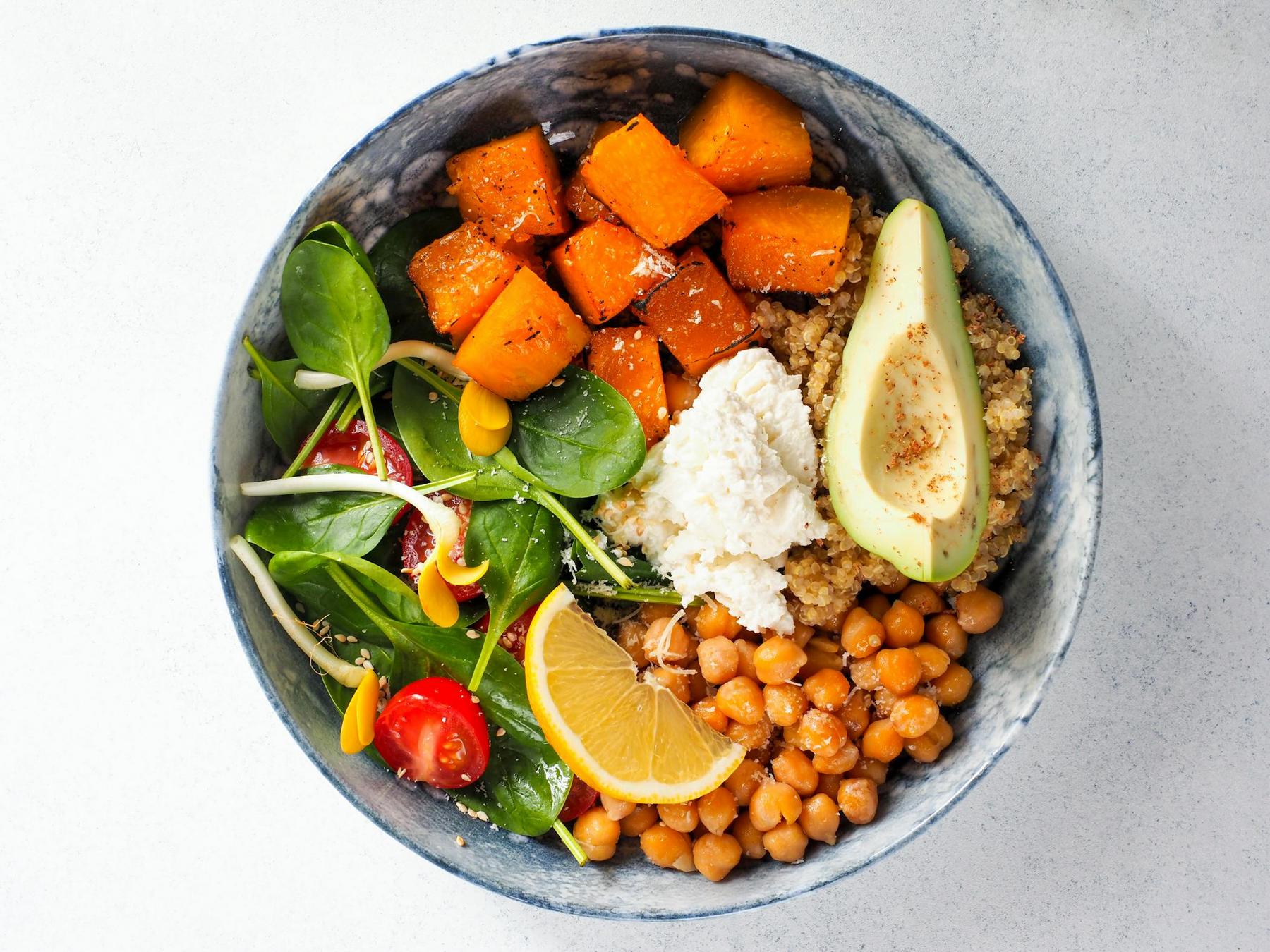
- Grain Bowls: Combine roasted or sautéed vegetables with pre-cooked grains and protein for a balanced, quick-to-assemble meal.
- Frittatas and Pasta Dishes: Integrate frozen vegetables into egg-based meals or pasta to boost vegetable intake with minimal additional cooking time.
Season boldly with herbs, garlic, lemon zest, and quality olive oil. Not only do these techniques preserve the nutritional quality of the vegetables, but they also ensure that every meal is as satisfying as it is healthy.
Why Do Frozen Vegetables Support Sustainable Weight Management Better Than Fresh?
Beyond convenience, frozen vegetables offer several sustainable advantages for weight management:
- Consistency: They are available year-round and maintain consistent nutritional content.
- Cost-Effectiveness: Generally lower in cost and less prone to waste compared to fresh produce.
- Reduced Decision Fatigue: Minimizes preparation time and complexity, supporting healthier meal planning.
- Portion Control: Pre-portioned servings help maintain balanced meal sizes, an essential factor in weight management.
- Nutritional Reliability: Their predictable nutrient profiles facilitate accurate dietary planning—crucial for those on structured weight management programs.
Frozen vegetables truly bridge the gap between nutritional knowledge and practical, sustainable eating habits. They allow busy individuals to achieve consistent, medically endorsed dietary goals without sacrificing flavour or convenience.
Making Frozen Vegetables Work Within Your Weight Management Journey
Incorporating frozen vegetables into your daily routine can have significant long-term benefits. Start by stocking a variety of options that meet both taste and nutritional needs. Experiment with different cooking methods to discover what best fits into your lifestyle, and consider meal prepping strategies to reduce daily cooking time.
By making these small, evidence-backed changes, you can support improved satiety, sustained energy levels, and an overall healthier approach to weight management. Embrace the versatility of frozen vegetables and transform your kitchen into a space where healthy choices are simple, accessible, and delicious.
Skip the struggles. Our patients achieve up to 20.2% weight reduction with medical weight loss treatments delivered straight to their door. No clinics. No waiting. Just results.
Do frozen vegetables contain preservatives or additives?
Plain frozen vegetables contain no preservatives—the freezing process itself preserves them. Quality frozen vegetables list only the vegetable in the ingredients panel. However, frozen vegetables sold with sauces, seasonings, or coatings may contain added sodium, sugars, or other ingredients. Always check labels and select “no salt added” varieties when possible. The flash-freezing process naturally preserves vegetables at -18°C for 8-12 months without chemical preservatives.
Can I refreeze frozen vegetables after thawing?
Frozen vegetables that have been thawed in the refrigerator can be safely refrozen, although the texture may decline. Best practice is to cook vegetables directly from frozen without thawing. If they have been cooked, you can freeze them as part of a prepared meal and reheat once, ensuring that they are not left at room temperature for more than 2 hours to prevent bacterial growth.
How do frozen vegetables compare to canned vegetables nutritionally?
Frozen vegetables generally provide superior nutritional value compared to canned alternatives. Canning involves high-heat processing that can degrade heat-sensitive nutrients more significantly than the brief blanching used for freezing. Additionally, canned vegetables often contain added sodium—sometimes between 300-600mg per serve—whereas frozen options typically contain none. The texture of frozen vegetables also more closely resembles that of fresh produce.
Are organic frozen vegetables worth the additional cost for weight management?
For weight management, the benefits of frozen vegetables are more about their nutritional density, fibre content, and low energy density rather than their organic certification. Research indicates minimal nutritional differences between organic and conventional produce. If you are on a budget, opting for conventional frozen vegetables to ensure adequate intake is wise. Choose organic options if your budget allows and if supporting organic methods aligns with your personal values.
What’s the best way to prevent frozen vegetables from becoming mushy?
Mushiness is typically caused by excess moisture and overcooking. To prevent this, cook frozen vegetables directly from the freezer without thawing. Use high-heat methods like roasting or sautéing rather than boiling, cook uncovered to allow moisture to escape, avoid overcrowding the pan, and reduce cooking time. Testing for doneness and removing the vegetables slightly undercooked can help maintain optimal texture.