


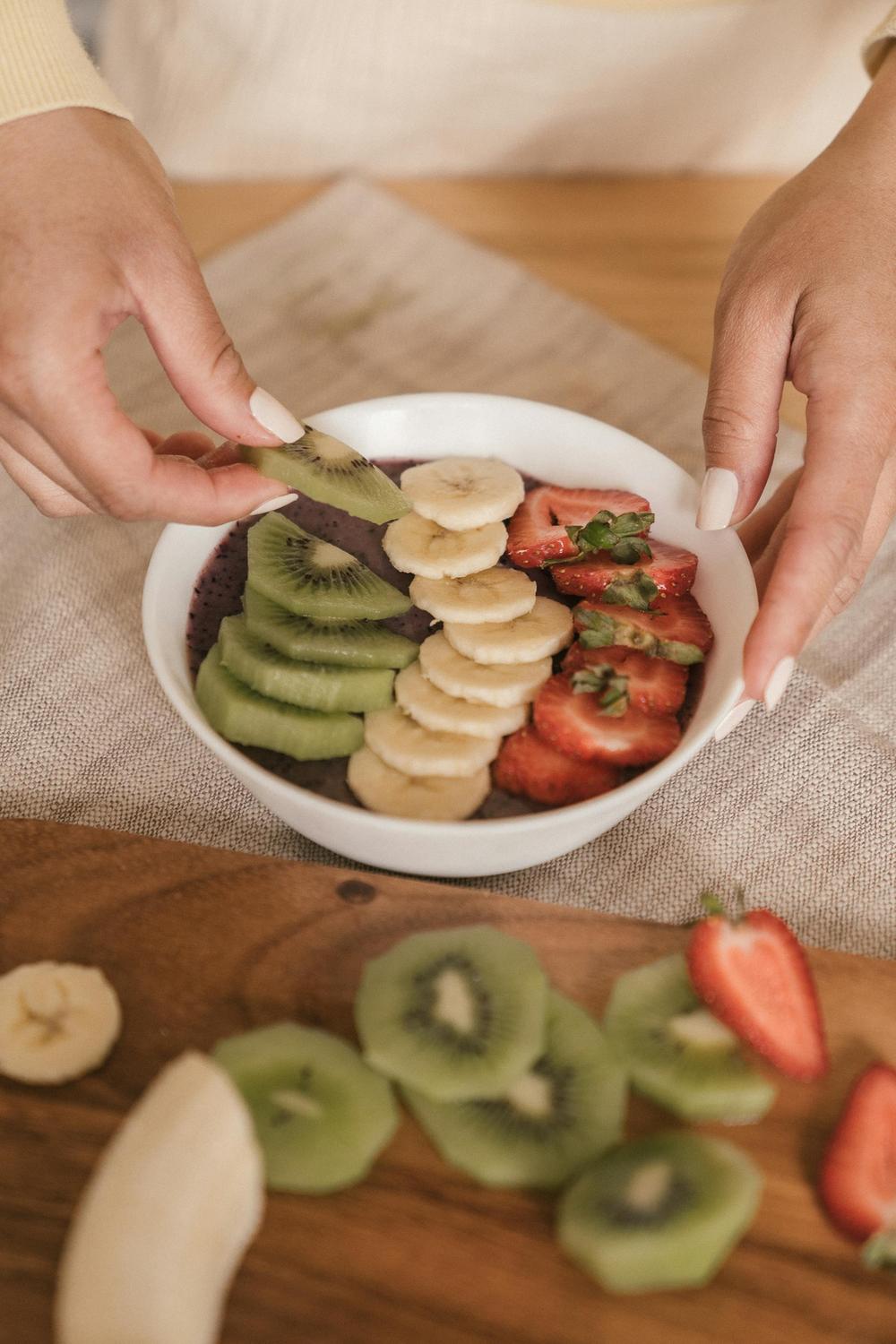
The moment arrives predictably: that powerful urge for something sweet that feels impossible to ignore. You’ve eaten a balanced meal, consumed adequate protein and vegetables, yet your brain insists there’s room for dessert. This phenomenon isn’t a character flaw or lack of willpower—it’s complex neurobiology at work. For the two in three Australian adults managing overweight or obesity, navigating sweet cravings whilst pursuing weight management goals presents a genuine challenge. The traditional approach of complete sugar restriction often backfires, leading to rebound overeating and the psychological burden of perceived failure. However, emerging research reveals that guilt-free desserts, strategically crafted with nutrient-dense ingredients, may actually support long-term weight management rather than sabotage it.
Why Do We Crave Sweets Even When We’re Full?
The “dessert stomach” phenomenon has puzzled many who’ve experienced it: despite feeling completely satisfied after a meal, the sight or thought of dessert suddenly creates appetite. Groundbreaking research from the Max Planck Institute for Metabolism Research published in 2025 unveiled the mechanism behind this experience. When we perceive or consume sugar, specialised nerve cells called POMC neurons release beta-endorphin—the body’s natural opioid-triggering reward sensations regardless of satiation status.
This neurological response evolved when sugar was scarce in nature, encouraging our ancestors to consume energy-dense foods whenever available. In today’s environment of constant food availability, this same mechanism drives continued eating despite physiological fullness. Understanding this biological reality removes the element of personal failure from sweet cravings and reframes them as a normal human response requiring strategic management rather than suppression.
The hypothalamus orchestrates hunger through a complex interplay of hormones including ghrelin (which signals hunger), leptin (which signals satiety), and cholecystokinin (which suppresses appetite). Hyperpalatable foods—those engineered with combinations of sugar, salt, and fat—stimulate the brain’s reward regions, releasing dopamine and creating powerful pleasure associations that override natural satiety signals. Research from Harvard School of Public Health confirms that foods high in sugar can disrupt these natural hunger and satisfaction signals, leading people to continue eating despite objective fullness.
Approximately 20% of the study population demonstrates food addiction-like behaviours according to meta-analysis of the Yale Food Addiction Scale, with 55% of those with binge eating disorder also meeting food addiction criteria. This data underscores that sweet cravings represent a legitimate physiological and psychological challenge requiring evidence-based strategies rather than willpower alone.
What Makes a Dessert Truly “Guilt-Free”?
The concept of guilt-free desserts extends beyond simply reducing calories. A truly guilt-free dessert satisfies sweet cravings whilst providing nutritional value, supports satiety through protein and fibre content, and fits within a sustainable eating pattern without triggering psychological restriction or deprivation. Research demonstrates that quality matters more than quantity: a smaller portion of a nutrient-dense, satisfying dessert often provides greater satisfaction than larger portions of nutritionally empty alternatives.
Nutritional benchmarks for optimal guilt-free desserts include:
- Caloric range: 100-200 calories per serving, allowing for satisfaction without excessive energy intake
- Protein content: Minimum 3-6 grams to support satiety and stable blood glucose
- Fibre content: Minimum 3 grams to slow sugar absorption and promote fullness
- Ingredient quality: Primarily whole food ingredients visible in the final product
- Natural sweetness: Derived from fruits, natural sweeteners, or minimal added sugars
The Australian Dietary Guidelines emphasise limiting foods containing added sugars whilst acknowledging that overall energy intake represents the key dietary factor affecting weight status. This guidance supports the concept that moderate dessert inclusion, when thoughtfully composed, can coexist with weight management goals.
Critically, research comparing dessert consumption patterns revealed that participants who incorporated dessert with breakfast lost an average of 6.8 kg more after the dieting phase ended, whilst those who completely restricted sweets regained an average of 10 kg. This finding challenges the conventional wisdom that dessert elimination represents the optimal approach for weight management, suggesting instead that moderate inclusion may support long-term adherence and success.
Which Natural Sweeteners Support Weight Management Goals?
The selection of sweeteners significantly influences both the nutritional profile and satisfaction derived from guilt-free desserts. Natural sweeteners offer alternatives to refined sugar, each with distinct characteristics:
| Sweetener | Sweetness vs Sugar | Glycaemic Index | Key Benefits | Considerations |
|---|---|---|---|---|
| Stevia | 200-400x sweeter | 35 | Zero calories, doesn’t impact blood glucose, suitable for diabetics | May increase sweetness cravings in some individuals |
| Monk Fruit | 100-250x sweeter | Low | Zero calories, high antioxidants, favourable glucose regulation | Often mixed with erythritol in commercial products |
| Coconut Sugar | 1:1 ratio | ~35 | Contains trace minerals (iron, zinc, potassium), less processed | Contains calories similar to regular sugar |
| Raw Honey | Similar sweetness | Variable | Antioxidants, antimicrobial properties, minerals | Calorie-dense, requires portion control |
| Pure Maple Syrup | Similar sweetness | 54 | Minerals (manganese, calcium), antioxidants, may slow blood sugar absorption | Calorie-dense, requires portion control |
| Dates/Date Syrup | Natural sweetness | 42-55 | High fibre, potassium, minerals | Calorie-dense but nutrient-rich |
The glycaemic index of coconut sugar (~35) compared to table sugar (~65) represents a significant advantage for blood glucose management, though portion control remains essential as coconut sugar still contains approximately 15 calories per teaspoon.
Stevia and monk fruit offer zero-calorie options that don’t impact blood glucose levels, making them particularly valuable for individuals managing diabetes or pursuing significant weight reduction. However, the Food and Drug Administration’s approval doesn’t guarantee these sweeteners support weight loss goals in practice. World Health Organisation guidance from 2023 now recommends against using non-sugar sweeteners specifically for weight control, finding no long-term weight loss benefit in comprehensive reviews.
The key principle remains that natural sweeteners work best when they enhance whole-food desserts rather than simply replacing sugar in ultra-processed products. A date-sweetened energy ball containing nuts, seeds, and cocoa provides vastly different nutritional value than a stevia-sweetened processed cake, despite both technically containing “natural” sweeteners.
How Can Protein, Fibre, and Healthy Fats Transform Desserts?
The strategic incorporation of macronutrients elevates desserts from empty calories to functional nutrition that supports satiety and metabolic health. This approach addresses the fundamental challenge of sweet cravings: they often arise from inadequate satisfaction rather than true physiological hunger.
Protein-Rich Foundations
Greek yoghurt stands out as a dessert transformer, providing 10-23 grams of protein per serving whilst maintaining a creamy texture that satisfies. It can replace sour cream in cheesecake recipes, form the base of parfaits layered with berries and nuts, or blend into smoothie bowls. Cottage cheese, though less traditional in desserts, offers similar protein density and works remarkably well when blended smooth for mousse-like textures.
Almond flour contributes 6 grams of protein per quarter cup whilst providing healthy fats and vitamin E. As a one-to-one substitute for wheat flour, it transforms cookies and cakes into more satiating options without compromising texture. The protein content supports stable blood glucose levels, preventing the rapid spike and crash associated with refined-flour desserts.
Fibre for Sustained Satisfaction
Chia seeds deliver exceptional nutritional density, providing 10 grams of fibre per two-tablespoon serving alongside 3 grams of omega-3 fatty acids. When combined with milk or plant-based alternatives and allowed to gel overnight, they create pudding-like textures that satisfy sweet cravings whilst supporting digestive health and prolonged satiety.
Oats provide beta-glucan fibre, which research associates with improved cholesterol levels. In cookies, bars, and crumbles, oats contribute both texture and sustained energy release. Ground flaxseeds offer similar benefits whilst providing an egg replacement in vegan baking (one tablespoon ground flax mixed with three tablespoons water replaces one egg).
Healthy Fats for Satisfaction
Avocado’s creamy texture transforms chocolate mousse from an indulgence into a nutrient-dense dessert rich in monounsaturated fats, fibre, and potassium. Despite containing more potassium than bananas, avocados remain underutilised in dessert applications, yet their neutral flavour allows chocolate and natural sweeteners to dominate whilst providing exceptional richness.
Dark chocolate containing 70% cocoa or higher deserves special mention. Rich in polyphenols and flavonoids, research from Harvard Medical School associates dark chocolate consumption with improved cardiovascular health and reduced inflammation. The intensity of flavour means small amounts—typically 20-30 grams—provide substantial satisfaction, making it an ideal ingredient for guilt-free desserts.
Nuts and seeds contribute protein, healthy fats, and fibre whilst adding satisfying crunch and flavour complexity. Almonds, walnuts, pecans, and cashews each offer distinct nutritional profiles, with walnuts particularly high in omega-3 fatty acids and almonds providing significant vitamin E.
What Role Does Dessert Play in Sustainable Weight Management?
The relationship between dessert consumption and weight management proves more nuanced than traditional restriction-based approaches acknowledge. Research increasingly demonstrates that psychological factors—including feelings of deprivation and the diet mentality—significantly influence long-term weight management success.
Complete sugar deprivation often triggers rebound overeating and weight regain, whilst moderate inclusion of satisfying desserts may support long-term adherence to healthy eating patterns. This finding aligns with broader evidence on dietary flexibility: rigid restriction typically produces short-term results but poor long-term maintenance, whilst flexible approaches that include moderate indulgences demonstrate superior sustainability.
The concept of “food guilt” itself warrants examination. When desserts are framed as forbidden or “bad,” consuming them triggers negative emotional responses that may paradoxically increase subsequent overeating through a psychological phenomenon called the “what-the-hell effect.” Conversely, when desserts are reframed as intentional components of a balanced eating pattern—particularly when composed of nutrient-dense ingredients—they lose their emotional charge and become simply another food choice.
Research published in Physiology & Behavior reveals that satiety affects food desire through memory content changes. When satisfied, the brain retrieves more negative food-related memories, reducing the desire to eat. This finding supports guilt-free dessert strategies that create positive associations: a thoroughly satisfying, nutritious dessert consumed mindfully generates different memory encoding than mindless consumption of processed sweets whilst feeling deprived or guilty.
For individuals pursuing medical weight management, guilt-free desserts serve multiple functions:
- Craving management: Providing structured satisfaction prevents impulsive consumption of less nutritious alternatives
- Adherence support: Sustainable eating patterns must accommodate real-life preferences and social situations
- Nutritional contribution: Well-composed desserts deliver vitamins, minerals, antioxidants, protein, and fibre
- Psychological wellbeing: Removing restriction and guilt supports a healthier relationship with food
- Social connection: Sharing desserts maintains social participation without derailing health goals
The Australian context proves particularly relevant, with 67% of adults classified as overweight or obese and 75% of men affected. Within this population, approximately 60% report that dietary preferences have shifted towards healthier options, yet traditional restrictive dieting demonstrates poor long-term efficacy. Guilt-free desserts bridge this gap, offering satisfaction within a health-promoting framework.
Medical weight management approaches, such as those offered through comprehensive telehealth services, combine behavioural, nutritional, and where appropriate, pharmacological interventions. Within this integrated framework, registered dietitians can provide personalised guidance on incorporating satisfying desserts within individual calorie targets, supporting both physiological weight reduction and psychological sustainability.
How Can You Create Nutrient-Dense Desserts at Home?
Practical application transforms research into results. Strategic ingredient substitutions maintain dessert satisfaction whilst dramatically improving nutritional profiles:
Flour Alternatives
Almond flour replaces all-purpose flour at a one-to-one ratio, contributing protein, healthy fats, and vitamin E whilst reducing carbohydrate density. Its mild flavour suits cookies, cakes, and muffins without dominating other ingredients.
Oat flour, easily created by grinding rolled oats, provides beta-glucan fibre and can replace wheat flour in most recipes with minor texture adjustments. It works particularly well in muffins, pancakes, and quick breads.
Coconut flour absorbs significantly more liquid than other flours—use only one-quarter to one-third cup coconut flour for every cup of regular flour, increasing liquid ingredients proportionally. Its low carbohydrate content appeals to those following lower-carb approaches.
Fat Replacements
Unsweetened applesauce substitutes for oil or butter at a one-to-one ratio, reducing calories and fat whilst maintaining moisture. This works best in quick breads, muffins, and cookies with other strong flavours.
Mashed banana provides similar moisture with natural sweetness, reducing required added sugars. Overripe bananas blend smoothly and intensify sweetness naturally.
Greek yoghurt can replace butter, oil, sour cream, or cream cheese in many applications, dramatically increasing protein content whilst reducing saturated fat.
Sweetener Strategies
Rather than direct sugar-for-sweetener swaps in conventional recipes, guilt-free desserts often derive sweetness primarily from whole foods:
- Dates blended with water create a paste that sweetens whilst contributing fibre and minerals
- Banana provides fructose alongside potassium and natural pectin
- Berries offer antioxidants, vitamin C, and fibre alongside sweetness
- Sweet potato or pumpkin puree adds natural sweetness, fibre, and beta-carotene to baked goods
When concentrated sweetness is required, using small amounts of honey, maple syrup, or coconut sugar provides trace nutrients absent in refined sugar, whilst stevia or monk fruit offer zero-calorie alternatives for those prioritising calorie reduction.
Practical Dessert Categories
Frozen treats satisfy sweet cravings whilst requiring minimal preparation:
- Frozen banana slices blended until creamy create “nice cream” requiring no added sugar
- Berries frozen on baking paper and dipped in dark chocolate provide antioxidant-rich satisfaction
- Greek yoghurt mixed with fruit and frozen in moulds creates protein-rich ice blocks
No-bake options eliminate cooking complexity:
- Energy balls combining dates, nuts, cocoa powder, and chia seeds require only a food processor
- Chia pudding (chia seeds soaked overnight in milk with vanilla and cinnamon) develops creamy texture without cooking
- Avocado chocolate mousse blends ripe avocado with cocoa powder, honey, and vanilla for rich satisfaction
Baked goods with strategic substitutions:
- Almond flour cookies sweetened with coconut sugar and studded with dark chocolate
- Banana oat muffins requiring no added sugar, using mashed banana and cinnamon
- Black bean brownies (yes, legumes create fudgy texture whilst adding protein and fibre)
Can Artificial Sweeteners Support Weight Management?
The evidence regarding artificial sweeteners proves more complex than marketing suggests. Six sweeteners receive Food and Drug Administration GRAS (Generally Recognised as Safe) status: saccharin, aspartame, acesulfame potassium, sucralose, neotame, and advantame. The FDA reviewed over 90 studies on acesulfame potassium alone, finding no evidence of toxic effects, and multiple epidemiological studies have ruled out cancer risk in humans.
However, safety doesn’t necessarily translate to weight management efficacy. A meta-analysis of 56 studies, including 17 randomised controlled trials, found no statistically significant body weight change between artificial sweetener users and control groups. More concerning, the World Health Organisation’s 2023 guidance now recommends against using non-sugar sweeteners specifically for weight control, citing lack of long-term weight loss benefit.
Some research suggests potential mechanisms through which artificial sweeteners might undermine weight management goals:
- Metabolic effects: A French study of 105,588 adults linked consumption of aspartame, acesulfame-K, and sucralose to elevated type 2 diabetes risk
- Cardiovascular concerns: An 11-12 year UK follow-up study found consuming two or more servings of diet soft drinks increased risk of coronary heart disease and chronic kidney disease
- Gut microbiome disruption: Research published in Nature demonstrated that saccharin consumption altered gut bacteria in ways that induced glucose intolerance
- Craving amplification: Studies suggest artificial sweeteners prevent the brain from associating sweetness with caloric intake, potentially increasing sweet cravings rather than reducing them
For individuals pursuing weight management, the evidence suggests that artificial sweeteners offer no clear advantage over moderate consumption of natural sweeteners within a calorie-controlled framework. The psychological satisfaction derived from real sugar in appropriate portions may support better long-term adherence than attempting to “trick” the brain with artificial alternatives.
Certain populations should exercise particular caution with artificial sweeteners according to National Institutes of Health guidance: pregnant and lactating women, children, diabetics, individuals with migraines or epilepsy, and people with bowel disease. This guidance reinforces the principle that “approved” doesn’t necessarily mean “optimal” for individual health goals.
Moving Beyond Deprivation Towards Sustainable Satisfaction
The traditional weight management paradigm positioned desserts as obstacles to success, requiring elimination or severe restriction. Emerging research challenges this framework, demonstrating that moderate inclusion of nutrient-dense, satisfying desserts may actually support long-term weight management through multiple mechanisms: preventing rebound overeating, supporting dietary adherence, reducing psychological burden, and maintaining social connection.
The neurobiological reality of sweet cravings—rooted in POMC neurons releasing beta-endorphin regardless of satiation status—explains why willpower alone proves insufficient. Strategic approaches that satisfy these biological drives whilst contributing nutritional value represent a more sustainable path than perpetual restriction.
For the 67% of Australian adults managing overweight or obesity, guilt-free desserts offer a practical tool within comprehensive weight management strategies. When combined with professional medical guidance, evidence-based nutritional counselling, and appropriate medical interventions where indicated, thoughtfully composed desserts transform from obstacles into allies.
The evidence overwhelmingly supports flexible, sustainable approaches over rigid restriction. Quality ingredients—Greek yoghurt, almond flour, dark chocolate, berries, oats, nuts, seeds, natural sweeteners—create desserts that satisfy both physiologically and psychologically whilst contributing vitamins, minerals, antioxidants, protein, and fibre. This represents not compromise but optimisation: meeting human needs for satisfaction whilst supporting health goals.
Skip the struggles. Our patients achieve up to 20.2% weight reduction with medical weight loss treatments delivered straight to their door. No clinics. No waiting. Just results. See if you’re eligible for our medical weight loss treatments – take our quiz.
How many guilt-free desserts can I include in my weight management plan?
The optimal frequency depends on individual calorie targets, activity levels, and overall dietary patterns. Evidence suggests that incorporating 1-2 nutrient-dense desserts daily at 100-200 calories each can fit within a balanced eating plan when planned intentionally.
Are natural sweeteners like stevia and monk fruit better than sugar for weight loss?
Research indicates that while natural zero-calorie sweeteners do not impact blood glucose levels and can be a good option for diabetics, they offer no clear weight loss advantage over moderate sugar consumption when managed within calorie-controlled frameworks.
Can eating dessert actually help with long-term weight maintenance?
Studies have shown that including dessert, such as with breakfast, can lead to better long-term adherence to balanced eating patterns. For example, one study found that participants who included dessert lost more weight over time compared to those who completely restricted sweets, possibly due to reduced feelings of deprivation.
What’s the best way to satisfy sweet cravings between meals?
Between-meal sweet cravings often indicate that main meals might be lacking in protein, fibre, or healthy fats. Choosing nutrient-dense options like Greek yoghurt with berries, apple slices with almond butter, or a small portion of dark chocolate can help stabilize blood sugar levels and curb cravings effectively.
Should I avoid desserts completely whilst using medical weight loss treatments?
Medical weight management programs typically emphasize sustainable, flexible eating patterns rather than complete elimination of desserts. Incorporating moderate, nutrient-dense desserts can help prevent rebound overeating and support long-term adherence to healthy eating habits.