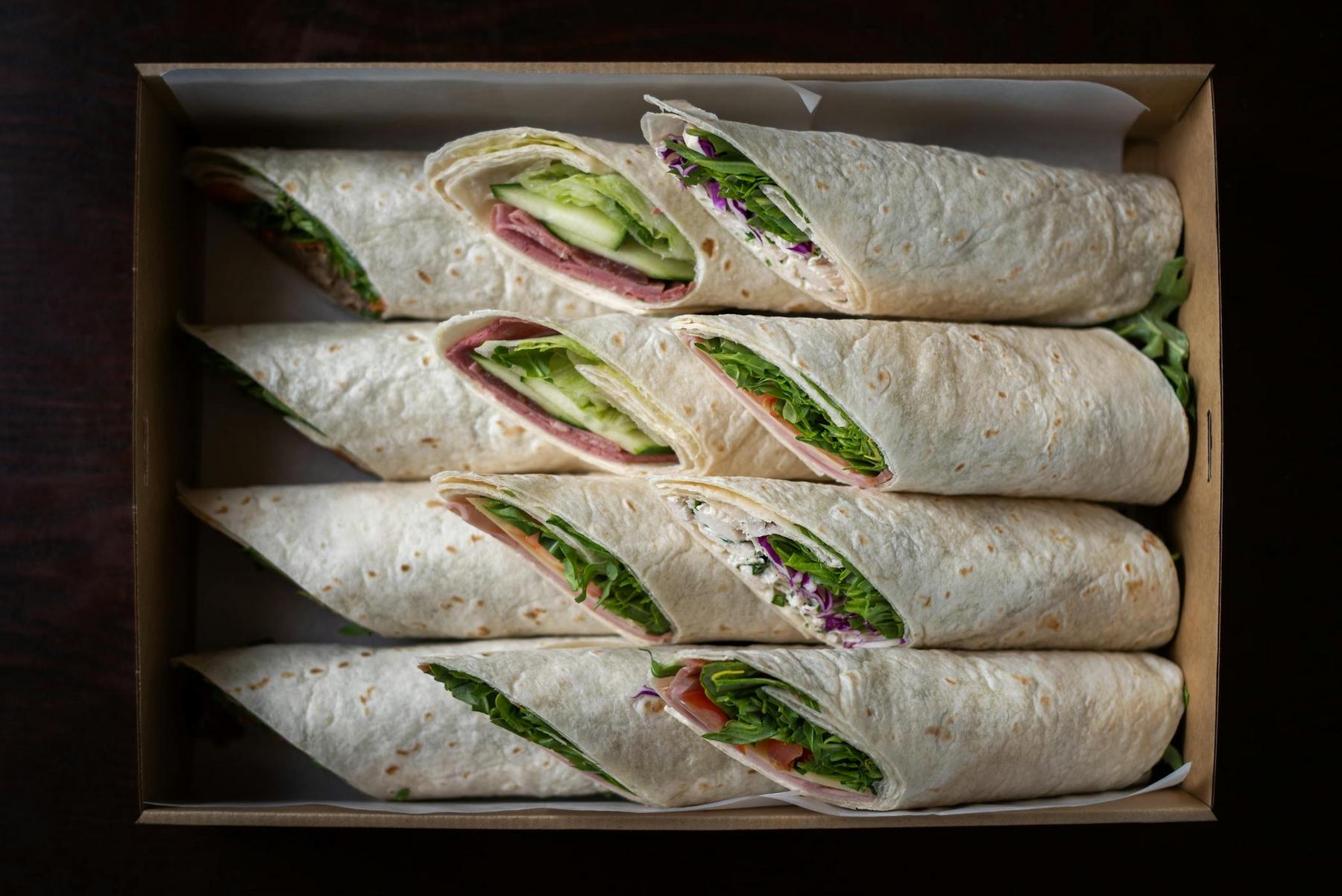
The midday slump hits. You open your lunchbox to find yet another soggy sandwich, wilted lettuce, and a meal that leaves you unsatisfied and reaching for the vending machine two hours later. This daily scenario affects millions of Australians who struggle to balance nutrition, convenience, and taste in their packed lunches. Research demonstrates that inadequate protein intake at lunch—combined with refined carbohydrates—triggers afternoon energy crashes, impairs concentration, and contributes to unhealthy snacking patterns that undermine weight management goals.
According to the Australian Dietary Guidelines developed by the National Health and Medical Research Council, a balanced meal should incorporate foods from five core groups: vegetables and legumes, lean proteins, whole grains, healthy fats, and dairy or alternatives. When properly constructed, healthy sandwich and wrap ideas for lunchboxes can deliver this nutritional balance whilst supporting sustained energy, satiety, and long-term health outcomes.
What Makes a Sandwich or Wrap Nutritionally Complete?
A nutritionally complete sandwich or wrap functions as a balanced plate translated into portable form. The Australian Dietary Guidelines recommend structuring meals with specific proportions: 50% vegetables, 25% lean protein, and 25% whole grain carbohydrates. This composition ensures adequate nutrient intake whilst managing calorie density effectively.
Protein component (20-30g per serve): Adults require 2.5-3 serves of protein daily, with one serve equating to 65g cooked lean red meat, 80g cooked poultry, 100g cooked fish, two large eggs, 150g cooked legumes, 30g nuts, or 170g tofu. Research published in the European Journal of Clinical Nutrition demonstrates that adequate protein intake increases satiety signals whilst slowing gastric emptying, effectively reducing overall calorie consumption at subsequent meals.
Carbohydrate component (whole grains preferred): One serve of grain foods comprises one slice (40g) of bread or half a medium roll. Whole grain varieties provide substantially greater nutritional value than refined alternatives, reducing type 2 diabetes risk by up to 32% and cardiovascular disease risk by up to 37%.
Vegetable component (minimum 1-2 serves): Incorporating a variety of colourful vegetables ensures the intake of essential micronutrients, antioxidants, and dietary fibre. The “eat the rainbow” principle is effective in covering a broad spectrum of phytonutrients.
Healthy fat component: Monounsaturated and polyunsaturated fats facilitate absorption of fat-soluble vitamins and provide sustained energy. Sources such as avocado, nuts, seeds, and fatty fish offer these benefits, supporting cardiovascular health and satiety.
Which Bread and Base Options Support Weight Management Goals?
The foundation of any sandwich or wrap significantly influences its nutritional profile. Optimal choices include 100% whole wheat bread, sourdough, sprouted whole grain breads, and rye bread, all of which maintain higher fibre content and lower glycemic impact compared to refined white bread. Whole grain tortillas and wraps are excellent alternatives that provide larger servings of whole grains when carefully selected.
What Protein Sources Provide Maximum Nutritional Value?
Protein selection is crucial for immediate satiety and long-term health. Animal-based proteins like grilled chicken breast, canned tuna, salmon, and hard-boiled eggs, along with plant-based alternatives such as chickpeas, firm tofu, lentils, and beans, ensure that each meal provides 20-30g of high-quality protein. The right balance of protein helps regulate appetite and maintains lean muscle mass during calorie reduction.
How Can You Incorporate Vegetables to Meet Daily Requirements?
Vegetables should occupy at least 50% of a balanced meal. Raw options such as dark leafy greens, romaine lettuce, and capsicums provide essential nutrients without adding excess moisture. Prepared options like roasted vegetables not only concentrate flavour but also maintain nutritional integrity over several days. Strategies such as using moisture barriers with spreads or layering ingredients help maintain crunch and prevent sogginess.
What Role Do Healthy Fats Play in Nutritional Balance?
Healthy fats are essential for the absorption of fat-soluble vitamins and for providing satiety. Avocado, nuts, seeds, and fatty fish are excellent sources of these fats. They enhance both the flavour profile and the nutritional quality of sandwiches and wraps, supporting long-term health outcomes.
What Are Practical Sandwich and Wrap Combinations for Australian Families?
Numerous evidence-based formulations combine nutritional principles for balanced meals. Options range from a turkey hummus wrap and chickpea salad on wholegrain bread, to smoked salmon avocado and egg salad sandwiches. Each combination is designed to deliver optimal calories, protein, fibre, and healthy fats, catering to both adult taste preferences and child-friendly flavours.
Addressing Common Preparation and Storage Challenges
Successful lunchbox preparation involves moisture management, temperature control, and careful assembly. Effective strategies include applying spreads as moisture barriers, using ice packs to keep perishable items cool, and assembling components separately to preserve texture and flavour.
Creating Sustainable Healthy Eating Patterns
Transitioning to nutritionally balanced lunches requires systematic meal planning and weekly preparation strategies. Rotating protein sources, varying bread and vegetable combinations, and tracking nutritional intake are all key to building sustainable, healthy eating patterns without the need for daily decision fatigue.
Building Long-Term Success With Medical Support
Integrating nutritionally sound lunchbox strategies with professional healthcare guidance creates synergistic benefits for weight management. Structured medical weight management programmes that combine dietary expertise with regular monitoring are shown to dramatically improve success rates over dietary changes alone.
How much protein should a healthy lunchbox sandwich contain for weight management?
A nutritionally balanced sandwich or wrap should deliver 20-30g of protein for adults pursuing weight management goals. This amount helps trigger satiety hormones, reducing hunger and curbing overall calorie consumption. Examples include 80g of cooked chicken breast, two large eggs with a slice of cheese, or one can of chickpeas.
Can wholegrain bread really help with weight loss compared to white bread?
Yes, scientific evidence consistently shows that whole grain consumption is inversely associated with weight gain. Whole grains provide more fibre, lower glycemic impact, and support longer satiety compared to refined white bread, which loses most of its nutritional value during processing.
What vegetables work best in sandwiches without making them soggy?
Robust vegetables such as spinach, rocket, romaine lettuce, capsicums, cucumbers, and grated carrots work best. Using moisture barriers like spreads (hummus or nut butter) and layering ingredients help maintain the crisp texture of the vegetables.
Are plant-based sandwich options nutritionally equivalent to meat-based versions?
When well-constructed, plant-based sandwiches can be nutritionally equivalent or even superior. Combining complementary plant proteins, such as chickpeas with tahini or lentils with whole grain bread, ensures complete amino acid profiles along with higher fibre content and diverse phytonutrients.
How can I meal prep sandwiches and wraps for the entire week?
Successful meal prep requires separating components that can be stored in advance. Proteins like cooked chicken, hard-boiled eggs, chickpea salad, and roasted vegetables can be prepped and stored for 3-4 days. Assemble the final sandwich or wrap the morning of consumption to prevent sogginess, or pack ingredients separately and combine them just before eating.