


Winter in Australia presents a paradox for those managing their weight. As temperatures drop and outdoor activity becomes less appealing, many struggle to maintain healthy eating patterns whilst seeking comforting, warming meals. The challenge intensifies when traditional winter comfort foods often contribute to weight gain rather than weight management. However, emerging clinical evidence suggests that incorporating specific types of soups into your winter diet may offer a scientifically supported solution—providing both the warmth you crave and the weight management support you need.
How Do Winter Soups Support Weight Loss and Management?
The mechanism behind soup’s weight management benefits operates through multiple physiological pathways validated by peer-reviewed research. A 2020 systematic review with meta-analysis published in peer-reviewed literature indicates an inverse correlation between soup consumption and the risk of obesity, suggesting individuals who regularly consume soup may have a lower risk of obesity.
The satiety effect of soup functions through three distinct mechanisms. Firstly, gastric distension occurs when the high water content of soup activates stomach stretch receptors, sending fullness signals to the brain. Secondly, viscous soups containing solid ingredients slow gastric emptying, meaning food remains in the stomach longer, prolonging feelings of satiety. Thirdly, the volume effect creates psychological satisfaction—the visual cues and sensory stimulation from consuming a large bowl of soup provide mental satiety alongside physical fullness.
Research from Penn State University demonstrates quantifiable results. When participants consumed low-calorie soup as a preload before a lunch entrée, they reduced their total calorie intake by 20 percent (134 ± 25 kcal) compared to consuming the meal without soup. This reduction occurred naturally, without conscious restriction, highlighting soup’s role in appetite regulation.
Australian population data from the National Health and Nutrition Examination Survey reveals compelling associations. Frequent soup consumers showed covariate-adjusted BMI of 28.4±0.2 kg/m² versus 29.8±0.6 kg/m² for non-consumers, whilst waist circumference measured 95.9±0.5 cm versus 99.0±1.3 cm respectively. Non-consumers were at significantly higher risk of being overweight or obese, with an adjusted odds ratio of 1.381.
Perhaps most notably, a behavioural weight loss study from Baylor College of Medicine found that participants who consumed soup four or more times per week lost 20.4 percent of their excess weight, compared to only 14.7 percent amongst those eating soup less than four times weekly.
The seasonal data proves particularly relevant for Australian winters—40.7 percent of participants were frequent soup consumers in winter versus only 18.6 percent in other seasons, suggesting natural dietary adaptation to seasonal needs that can be optimised for weight management.
Which Winter Soups Are Most Effective for Weight Management?
Not all soups provide equal weight management benefits. The optimal characteristics for weight-loss-supporting soups include: nutrient density, whole food ingredients, approximately 100-150 calories per serving, high fibre content, lean proteins, low unhealthy fats and sugars, and broth-based rather than cream-based preparations.
The following table compares key winter soup varieties based on their nutritional profiles and weight management properties:
| Soup Type | Calories Per Cup | Key Nutrients | Protein Content | Primary Benefits |
|---|---|---|---|---|
| Lentil Soup | 180-230 | Vitamin B, folate, iron, potassium | 9g per cup lentils | High protein and fibre maintain muscle mass during weight loss |
| Broth-Based Vegetable | 75-125 | Vitamins A, C; minerals from vegetables | 3-8g (varies with additions) | Low calorie density; high volume promotes satiety |
| Tomato Soup | 85-150 | Vitamin C, lycopene | 2-4g | Nutrient-dense superfood base; low calorie |
| Cabbage Soup | 50-100 | Vitamin C, K, fibre | 2-3g | Extremely low calorie; high water content for hydration |
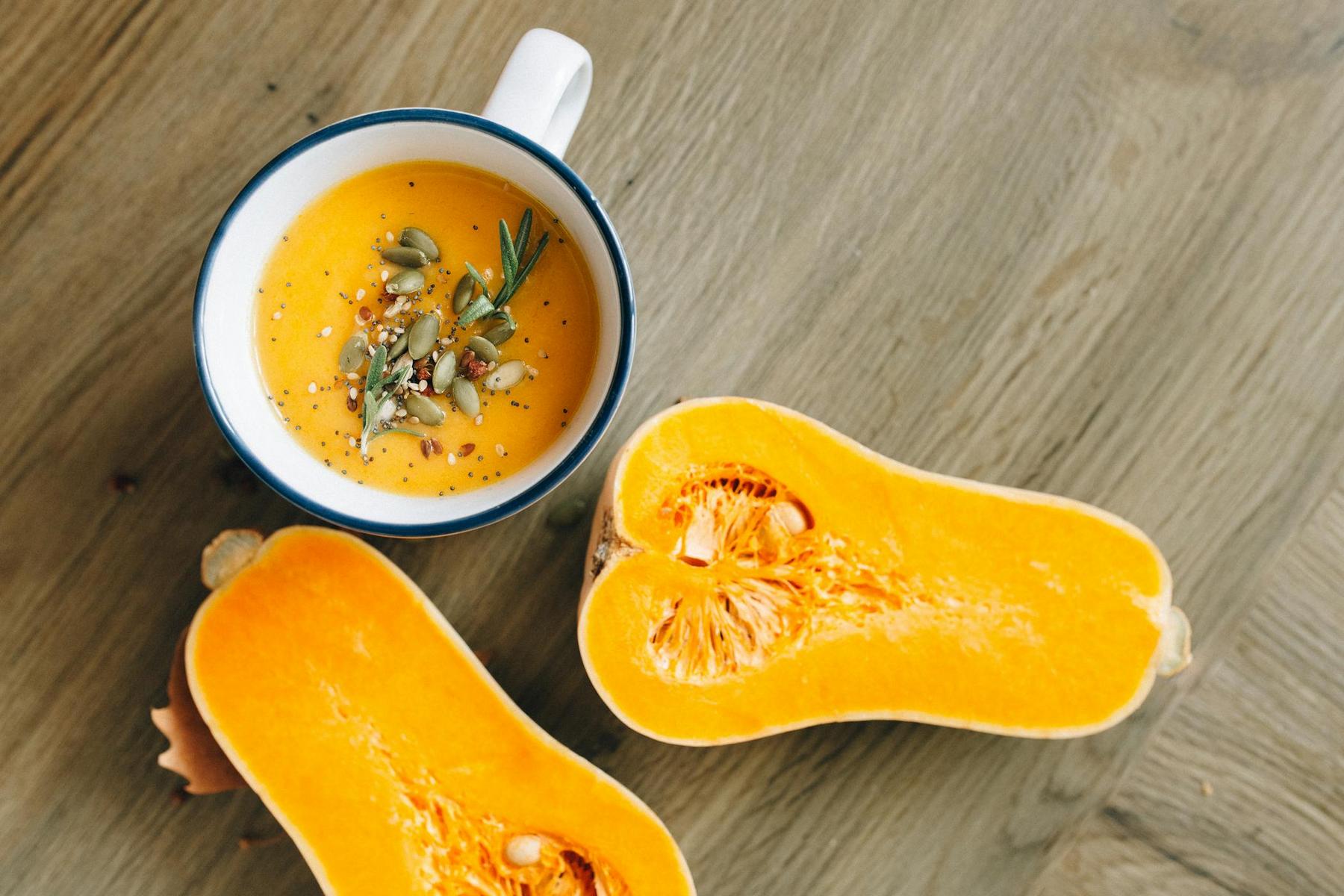
| Butternut Squash | 115-165 | Vitamin A, potassium, fibre | 2-4g | Creamy texture without cream; naturally sweet |
| Miso Soup | 40-80 | Probiotics, B vitamins | 4-6g (with tofu) | Gut health support; very low calorie |
| Minestrone | 125-175 | Fibre, complex carbohydrates | 6-8g | Balanced macronutrients; sustained energy |
Lentil soup merits particular attention for weight management. Lentils provide approximately 9g protein and 8g fibre per cooked cup, alongside vitamin B, folate, iron, and potassium. The higher protein content helps maintain muscle mass—crucial for healthy metabolism during weight loss.
Broth-based vegetable soups represent versatile, low-calorie options typically containing 75-125 calories per cup. Chicken broth provides low calories but rich protein content, whilst bone broth contains minerals such as calcium, magnesium, and phosphorus. Adding vegetables and lean proteins like chicken breast enhances nutritional profile whilst maintaining low calorie density.
For those seeking immune support alongside weight management during Australian winters, tomato soup provides nutrient-dense nutrition high in vitamin C and lycopene. Cabbage soup offers extreme volume with minimal calories, providing filling hydration without energy excess. The inclusion of onions, tomatoes, and celery increases vitamin C, fibre, and vitamin K content.
What Makes Soup an Ideal Winter Food for Australian Health Guidelines?
Australian Dietary Guidelines recommend adults consume at least 5 serves of vegetables daily—a serve being approximately 75g or half a cup of cooked vegetables. Current data shows only 6.8 percent of Australians meet this recommendation, representing a significant public health concern.
Soups provide a practical vehicle for increasing vegetable intake. Research demonstrates that for each serve of vegetables consumed daily, the risk of coronary heart disease reduces. Vegetables, especially colourful varieties, are nutrient-dense, low in kilojoules, and provide minerals, vitamins (magnesium, vitamin C, folate), dietary fibre, and phytochemicals including carotenoids.
Australian health authorities recommend eating seasonal vegetables as they are more likely to retain optimal nutrient content. Winter vegetables including broccoli, cauliflower, carrots, mushrooms, and spinach reach their nutritional peak during cold months. An accredited practising dietitian notes that eating seasonally provides “a fantastic set-up to get through winter” due to enhanced nutrient density.
The hydration component of soup addresses another winter-specific concern. Whilst thirst perception decreases in cold weather, adequate hydration remains essential for immune function and metabolic processes. Water helps carry oxygen to cells and absorb key water-soluble vitamins, particularly vitamin C and zinc. General recommendations suggest 8-10 cups (2.1-2.6L) daily for adults. Soups and warm beverages support winter hydration whilst simultaneously providing nutritional benefits.
Protein requirements for maintaining muscle mass during weight loss align well with protein-rich soup options. Australian Dietary Guidelines recommend 2.5 to 3 serves daily from lean meats and poultry, fish, eggs, tofu, nuts, seeds, and legumes/beans for adult males, and 2 to 2.5 serves for adult females. Each serve represents approximately 500-600kJ. Lentil and bean-based soups particularly excel at providing high protein and fibre whilst remaining low in fat and calories.
Australian qualitative research on the Healthy Weight for Life programme found meal replacement soups were favourably perceived by participants for weight loss management. Participants in this 18-week lifestyle programme achieved average weight loss of approximately 7-8 percent of baseline weight, with many proactively using partial meal replacement (one meal per day) for ongoing weight maintenance after programme completion.
How Can You Maximise the Immune and Weight Benefits of Winter Soups?
Australian winters present increased risk for upper respiratory infections due to indoor proximity and reduced sun exposure. Strategic soup preparation can address both weight management and immune support simultaneously through targeted nutrient inclusion.
Vitamin C helps reduce duration and severity of common colds. Australian government recommendations emphasise adequate vitamin C intake as part of immune support. Incorporate oranges, berries, kiwifruit, mandarins, capsicum, dark leafy greens, broccoli, and tomatoes into soup recipes to maximise vitamin C content.
Vitamin A enhances immune function and is found in lean meats, oily fish, eggs, dairy products, and colourful fruits and vegetables. Adding carrots, sweet potato, or butternut squash to soups provides substantial vitamin A alongside appealing colour and natural sweetness without added sugars.
Vitamin D shows connection to immune health in some studies. Found in eggs, liver, and oily fish such as salmon, vitamin D becomes particularly important during winter when reduced sunlight increases deficiency risk in Australian populations. Including salmon or other oily fish in fish-based soups addresses this seasonal concern.
Zinc proves important for immune system function, skin health, and wound healing. Found in lean meats, fish, seafood, poultry, dairy foods, and fortified cereals, research demonstrates that low zinc levels correlate with impaired immune function. Chicken and seafood soups naturally provide zinc whilst remaining low in calories.
A substantial portion of the body’s immune cells are located in the gut, making microbiome balance essential. Probiotics found in yoghurt with live cultures, kefir, and fermented vegetables support immune function. Miso soup, made from fermented soybean paste, provides beneficial probiotics alongside savoury flavour. Prebiotics from onions, garlic, bananas, and wholegrains feed beneficial gut bacteria—adding onions and garlic to soup bases supports both flavour and gut health.
According to health authorities, “almost any type of homemade soup is a fantastic way to get a lot of vegetables into your diet and keep your hydration levels up.” Research published in the journal Chest reported that chicken soup may possess anti-inflammatory properties that can help prevent upper-respiratory tract infections.
When preparing or selecting soups, sodium management remains crucial. Look for recipes or canned soups with at least 3 grams of fibre per cup but not more than 600-800 mg of sodium. Total fat and saturated fat should remain minimal—lower-calorie soups typically contain 2-3 grams of fat per cup. If calories exceed 250 per cup, the soup likely contains cream or high-fat ingredients less suitable for weight management.
When choosing canned vegetables for soup preparation, avoid those with added salt. Australian recommendations emphasise limiting sodium intake as part of overall dietary guidelines for cardiovascular and metabolic health.
How Often Should You Include Healthy Soups in Your Winter Diet?
The concept of ‘Volumetrics’ involves eating a satisfying volume of food whilst controlling calories and meeting nutrient requirements. Soups exemplify this principle—they provide large volume at low energy density, allowing individuals to feel satisfied and full on fewer calories. This research-based approach, extensively studied at Penn State University, applies directly to soup’s weight management benefits.
For sustainable benefits, evidence suggests soups should be enjoyed 3-5 times per week as part of a balanced, protein-rich, nutrient-dense diet rather than as the sole dietary intervention. The Baylor College of Medicine study demonstrating superior weight loss outcomes for those consuming soup four or more times weekly provides quantitative support for this frequency recommendation.
Importantly, whilst short-term soup diets may produce initial weight loss, research emphasises this often represents water weight and muscle mass loss rather than sustained fat reduction. Sustainable weight management requires integrating healthy soups as part of a varied, balanced diet including other food groups, regular physical activity, and lifestyle modifications. Crash soup-only diets are not recommended and often result in weight regain.
The strategic use of soup as a meal preload proves particularly effective. Consuming a cup of low-calorie, broth-based soup before main meals naturally reduces overall calorie intake by approximately 20 percent without requiring conscious restriction. This approach aligns with sustainable eating patterns that can be maintained long-term.
Homemade soups utilising seasonal vegetables and legumes represent cost-effective nutrition, particularly important for Australian populations. Frozen or canned vegetables prove just as nutritious as fresh varieties and offer budget-friendly options, particularly when fresh produce becomes unavailable or expensive during certain periods.
Supporting Your Winter Wellness Journey
Healthy winter soups offer evidence-based support for both weight management and immune function during Australian winters. The research demonstrates clear associations between regular soup consumption and improved body composition measures, alongside practical mechanisms for appetite regulation and nutrient delivery.
The versatility of soup—from protein-rich lentil preparations to vegetable-dense minestrone—allows personalisation according to individual preferences and nutritional requirements. The seasonal alignment of soup consumption patterns with winter months suggests an intuitive dietary adaptation that can be optimised through informed ingredient selection and preparation methods.
For Australians managing approximately 60 percent adult overweight or obesity prevalence, incorporating evidence-based dietary strategies alongside comprehensive healthcare approaches provides multiple pathways toward improved metabolic health. Whilst healthy soups represent valuable nutritional tools, sustainable weight management often requires integrated support addressing multiple factors.
Skip the struggles. Our patients achieve up to 20.2% weight reduction with medical weight loss treatments delivered straight to their door. No clinics. No waiting. Just results. See if you’re eligible for our medical weight loss treatments – [take our quiz](/quiz/).
Can eating soup every day help with weight loss in winter?
Research indicates that consuming soup four or more times per week correlates with superior weight loss outcomes—participants lost 20.4 percent of excess weight compared to 14.7 percent for less frequent consumers. Daily soup consumption can support weight management when soups are broth-based, nutrient-dense, and low in calories (100-150 calories per serving). However, sustainable weight loss requires varied nutrition including adequate protein, vegetables from other sources, and balanced macronutrients rather than soup-only approaches.
What should I avoid when choosing healthy winter soups for weight management?
Avoid cream-based soups which typically contain 250+ calories per cup due to high-fat dairy content. Limit soups exceeding 600-800 mg sodium per serving, as excessive sodium contributes to fluid retention and cardiovascular concerns. Steer clear of soups with added sugars, processed meats, or refined carbohydrates as primary ingredients. Look for options with at least 3 grams of fibre per cup and minimal saturated fat.
How do I make winter soups more filling without adding excessive calories?
Increase protein content by adding lean chicken breast, fish, tofu, legumes, or lentils—protein promotes satiety and maintains muscle mass during weight loss. Incorporate high-fibre vegetables such as broccoli, cauliflower, cabbage, and leafy greens to increase volume and slow digestion. Enhance flavor with herbs and spices like garlic, ginger, turmeric, and black pepper without adding extra calories.
Are store-bought soups as effective for weight management as homemade versions?
Store-bought soups can support weight management when selected carefully, though homemade versions typically offer superior nutritional control. When opting for prepared soups, check that the sodium content is below 600-800 mg per serving, calories are within the 100-150 range, and there’s adequate fibre (at least 3 grams per cup). Homemade soups allow you to control ingredients and minimize additives.
Can winter soups provide enough nutrition if I’m following a structured weight loss programme?
Winter soups can contribute significantly to nutritional requirements within structured weight loss programmes when formulated appropriately. Protein-rich soups with legumes, lean meats, or fish help meet daily protein needs, while vegetable-dense soups support the recommended vegetable servings. However, soups should complement a balanced diet that includes other nutrient sources to ensure comprehensive nutrition.