


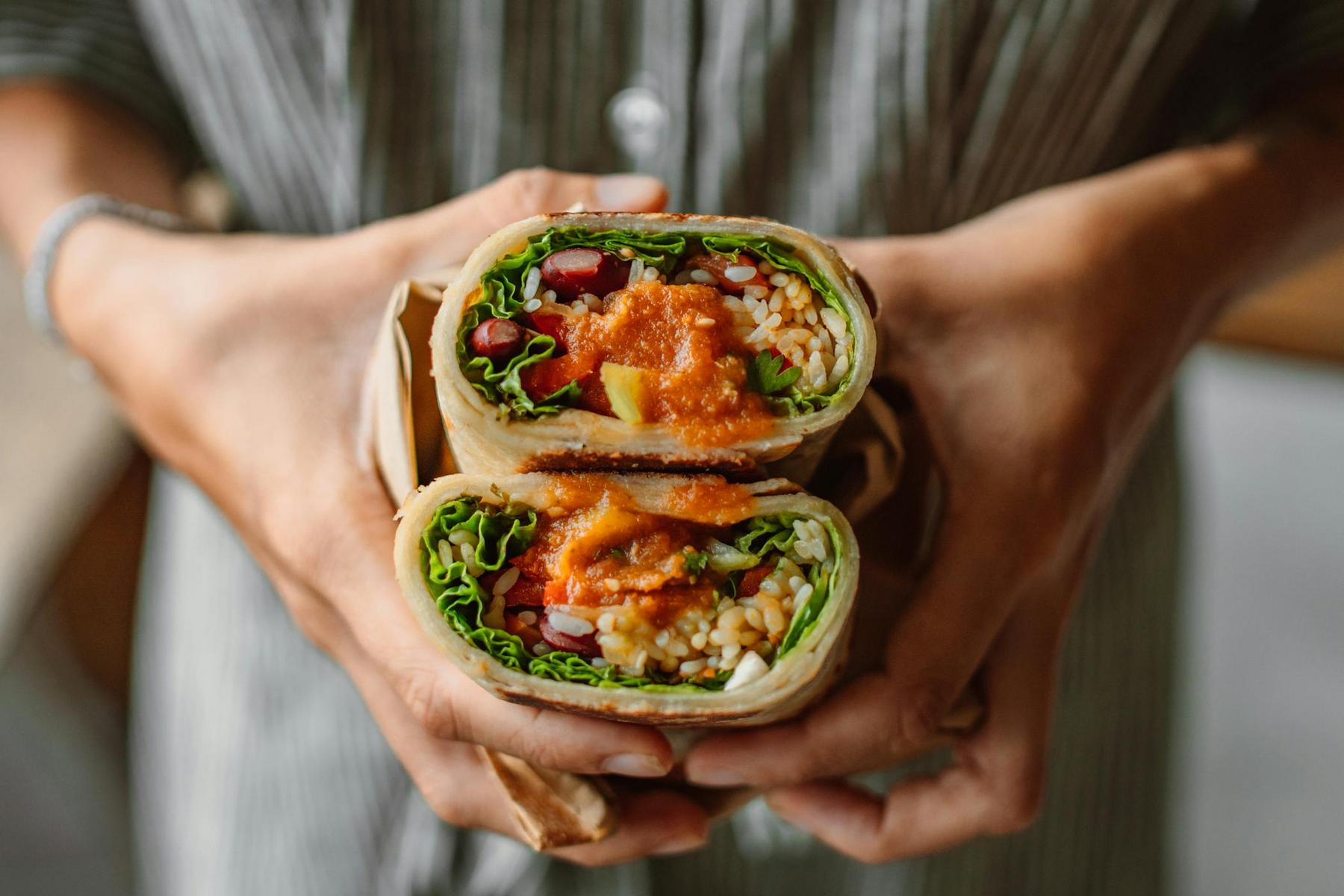
Rushing between meetings, school pickups, and appointments leaves little time for proper nutrition. The result? A hasty grab at convenience foods that derail health goals and leave you unsatisfied within hours. Yet the humble wrap or sandwich—when constructed with evidence-based principles—represents one of the most effective portable nutrition solutions available. These on-the-go meals can support weight management, sustain energy levels, and deliver essential nutrients without requiring restaurant visits or elaborate meal preparation. The difference between a health-supporting portable meal and a calorie-dense nutritional void lies entirely in understanding which fillings work with your physiology, not against it.
What Makes a Wrap or Sandwich Filling Truly Healthy?
Australian Government health authorities classify sandwich and wrap fillings using a straightforward traffic light system. GREEN choices feature minimal processing, high nutrient density, and low sodium content. AMBER options require careful consideration due to moderate processing or concerning nutrient profiles. RED fillings should be limited, given their high processing, sodium, saturated fat, or refined carbohydrate content.
The foundation begins with your base selection. Contrary to popular belief, wraps aren’t inherently healthier than sandwiches. A standard 10-inch tortilla contains 200-220 calories, whilst commercial 12-inch versions can exceed 300 calories—significantly more than two slices of whole-wheat bread at 160-200 calories. The critical factor isn’t the format but the grain quality and portion size.
Victorian and Queensland Government health departments recommend wholemeal, wholegrain, multigrain, rye, or high-fibre white bread as optimal choices. The first ingredient listed must be “100% whole wheat flour” or “100% whole grain”—if you see “enriched wheat flour” or simply “wheat flour,” the product offers minimal nutritional advantage over refined alternatives. This distinction matters profoundly for weight management outcomes.
Spreads contribute the most fat per unit volume on any sandwich. Replace full-fat mayonnaise with mustard, hummus, or mashed avocado to dramatically reduce calorie density whilst maintaining flavour and satisfaction. These substitutions aren’t about deprivation—they’re about working with satiety mechanisms that research demonstrates actually keep you fuller for longer.
Which Protein Sources Support Weight Management Goals?
The protein component of healthy wrap and sandwich fillings determines both satiety duration and nutritional quality. Australian health authorities classify lean poultry, fish, eggs, and plant-based proteins as tier-one choices for on-the-go meals.
Lean poultry options include chicken breast (26g protein per 100g) and turkey breast (29g protein per 100g). Home-roasted rotisserie chicken from your local supermarket deli provides superior nutritional value compared to processed deli counter meats, with minimal sodium and no nitrates or nitrites.
Fish and seafood deliver protein alongside omega-3 fatty acids that support cardiovascular health. Canned tuna in spring water contains 19-22g protein per 100g, whilst canned salmon provides 2,260mg omega-3 per 100g—both represent low-mercury options suitable for regular consumption. These convenient protein sources require no preparation and maintain stability without refrigeration for several hours.
Eggs offer 6-8g protein each, enriched with lutein and vitamin A. Research supports consumption of seven or more eggs weekly as safe for most individuals, making boiled eggs an excellent portable protein choice.
Plant-based alternatives provide unique advantages for healthy wrap and sandwich fillings:
- Legumes (beans, lentils, chickpeas): 8-9g protein with 8g fibre per 100g cooked
- Tofu: 8g protein per 100g, calcium-rich and flavour-absorbent
- Tempeh: 19g protein per 100g with probiotic benefits from fermentation
- Hummus: Protein and healthy fats from chickpeas
- Baked falafel: Plant protein with complex carbohydrates
The processed meat category requires careful navigation. U.S. Dietary Guidelines recommend limiting processed meats to no more than 1-2 times monthly. Daily consumption of 50g processed meat increases colorectal cancer risk by 18%, coronary heart disease risk by 42%, and type 2 diabetes risk by 19%, according to World Health Organisation research. Ham deli meat contains 362mg sodium per slice—15% of daily recommendations—whilst chicken deli meat can reach 1,302mg sodium per 100g.
When processed meat becomes unavoidable, select fresh deli counter options with sodium content below 750mg per 100g. Avoid “natural” deli meats—they contain nitrites from cultured celery extract that function identically to synthetic preservatives in your body, offering no health advantage despite marketing claims.
How Do Whole Grains Compare to Refined Options?
The grain selection for healthy wrap and sandwich fillings fundamentally alters metabolic responses and satiety outcomes. Research demonstrates whole grains trigger multiple physiological mechanisms that support weight management through pathways independent of gut microbiota changes.
A meta-analysis of 36 randomised controlled trials revealed whole grain consumption significantly reduced subjective hunger by 34% (p<0.001), increased fullness by 49% (p<0.001), and decreased desire to eat by 33% (p<0.001) compared to refined grain alternatives. These effects occur through distinct mechanisms:
Increased mastication requirements from larger starch particles stimulate oro-sensory pathways that signal satiation to your brain before excessive consumption occurs. Gastric distention from abundant fibre content activates mechanoreceptors that prolong satiety signals. Delayed gastric emptying extends the duration between meals when hunger returns. Enhanced energy excretion through increased stool energy content means your body absorbs fewer calories from whole grain meals compared to refined alternatives containing identical calorie counts.
Target a minimum of 3-4 grams fibre per wrap serving, with 5-6 grams representing optimal intake. Whole grain wraps deliver 10-12g fibre per 100g, whilst refined versions contain merely 1-2g—a nutritional gulf that translates directly into afternoon hunger patterns and evening snacking behaviours.
Rye demonstrates the strongest satiety effect amongst whole grains, particularly in kernel form, extending fullness for 4+ hours and reducing subsequent meal calorie intake by 10-20% in controlled studies. Oats and barley follow closely, with whole wheat showing moderate effects. The refinement level matters significantly—whole kernels and coarse preparations consistently outperform milled versions of identical grains.
What Role Do Vegetables Play in Portable Meals?
Vegetables represent the most underutilised component in healthy wrap and sandwich fillings, despite offering the highest nutrient density and satiety support per calorie consumed. Australian Government guidelines recommend including at least one vegetable serving per sandwich, with three or more varieties providing optimal benefits.
Fresh vegetables deliver virtually calorie-free bulk that promotes mechanical satiation through increased chewing effort and gastric distention. Spinach, lettuce, romaine, and mixed salad leaves provide essential micronutrients without measurable calorie contribution. Tomatoes offer lycopene—a powerful antioxidant—whilst cucumbers contribute high water content that enhances perceived fullness.
Capsicum (bell peppers) delivers exceptional vitamin C content alongside satisfying crunch. Carrots provide beta-carotene and fibre with sweetness that doesn’t require added sugars. Red onion contributes quercetin, an antioxidant with anti-inflammatory properties. Beetroot supplies dietary nitrates that support cardiovascular function whilst adding earthy complexity.
Grilled or roasted vegetables—zucchini, eggplant, capsicum, mushrooms—develop concentrated flavour through caramelisation without requiring excessive added fats. Apply oil via brush or spray rather than pouring to minimise calorie density whilst maintaining palatability.
Strategic vegetable layering prevents sogginess in prepared meals. Place a large lettuce or spinach leaf between bread and wet fillings (tomatoes, cucumbers) to create a moisture barrier that maintains structural integrity for several hours. This technique proves essential for workplace lunches prepared at home.
Research demonstrates no upper limit for vegetable intake in healthy wrap and sandwich fillings—the more varieties incorporated, the greater the nutrient diversity and satiety enhancement achieved.
Are Wraps Actually Healthier Than Sandwiches?
The persistent misconception that wraps represent inherently healthier options than traditional sandwiches contradicts nutritional evidence. The format—wrap versus sandwich—matters far less than the specific ingredients and portion sizes selected.
A standard 10-inch whole wheat tortilla contains approximately 200-220 calories and 3-4g fibre when prepared at home. However, commercial 12-inch tortillas frequently exceed 300 calories whilst delivering minimal fibre—potentially more calories than two slices of quality whole-grain bread. The tortilla size and refinement level determine nutritional value, not the wrapping format itself.
| Component | Whole Grain Wrap (10-inch) | Refined Wrap (12-inch) | Whole Grain Bread (2 slices) | White Bread (2 slices) |
|---|---|---|---|---|
| Calories | 200-220 | 300+ | 160-200 | 140-160 |
| Fibre (g) | 3-4 | 1-2 | 4-6 | <2 |
| Protein (g) | 6-8 | 4-6 | 8-10 | 6-8 |
| Carbohydrates (g) | 35-40 | 50-55 | 30-35 | 28-32 |
Both wraps and sandwiches succeed as healthy on-the-go meals when constructed with whole grains, lean proteins, abundant vegetables, and minimal high-fat spreads. The key determinant remains ingredient quality rather than structural format.
How Can You Maximise Satiety with Smart Ingredient Choices?
Satiety—the physiological state of feeling satisfied and free from hunger—determines adherence to any nutrition strategy supporting weight management. Understanding the mechanisms through which healthy wrap and sandwich fillings promote satiety allows strategic meal construction.
Fibre content directly influences multiple satiety pathways. Soluble fibre delays glucose absorption, stabilising blood sugar levels that would otherwise trigger hunger signals within 2-3 hours of eating. Insoluble fibre increases gastric transit time, prolonging the duration before your stomach signals emptiness. Both fibre types stimulate release of peptide YY, cholecystokinin, and glucagon-like peptide-1 (GLP-1)—hormones that communicate fullness to your brain.
Protein adequacy proves essential for sustained satiety between meals. Aim for 20-30g protein per wrap or sandwich through combinations of lean meat, eggs, fish, or plant-based sources. Protein triggers greater thermogenesis during digestion compared to carbohydrates or fats, meaning your body expends more energy processing protein-rich meals.
Healthy fats from avocado, hummus, or nuts slow gastric emptying and enhance absorption of fat-soluble vitamins from vegetables. However, fat density requires careful portion control—10-15g per meal balances satiety benefits against calorie density concerns.
Volume matters profoundly. Three cups of low-calorie vegetables provide significantly greater satiety than 50g of cheese despite similar calorie content, due to physical stomach distention triggering mechanoreceptor signals interpreted as fullness.
The optimal construction sequence layers these components strategically: whole grain base, minimal spread, moisture-barrier vegetable, additional vegetables for bulk, lean protein, optional reduced-fat cheese. This assembly delivers 400-550 calories whilst promoting 4-5 hour satiety duration.
Sustainable Nutrition for Real Life
Healthy wrap and sandwich fillings represent more than convenient meal solutions—they demonstrate how evidence-based nutrition principles integrate seamlessly into demanding schedules without sacrificing health outcomes. The portable format, customisable ingredients, and advance preparation capability make these meals uniquely suited to supporting long-term weight management goals.
Success emerges from understanding that no single ingredient creates health—the synergy between whole grains, lean proteins, abundant vegetables, and strategic fat sources produces meals that satisfy immediate hunger whilst supporting metabolic health over time. The research demonstrates conclusively that quality ingredient selection matters more than elaborate preparation or expensive specialty foods.
Can I prepare healthy wraps and sandwiches the night before without compromising quality?
Yes, with proper technique. Prepare components separately and assemble in the morning, or use the moisture-barrier method by placing large lettuce leaves between the bread and wet ingredients to prevent sogginess. Storing assembled wraps upright and adding condiments at the time of consumption helps maintain quality. Some ingredients, like grilled vegetables and lean proteins, may even improve in flavor overnight.
How much protein should a wrap or sandwich contain for effective weight management?
Aim for 20-30g of protein per meal to support satiety. This can translate to approximately 50-75g of lean chicken breast, 100g of canned tuna, two eggs, or a comparable portion of a plant-based protein. Protein not only aids in satiety but also increases thermogenesis during digestion.
Are processed deli meats acceptable occasionally within a healthy eating pattern?
Processed deli meats should be limited to no more than 1-2 times monthly. When using them, choose fresh deli counter options with sodium content below 750mg per 100g and avoid ‘natural’ deli meats that use cultured celery extract (which acts like synthetic preservatives) as they do not offer significant health advantages.
What’s the most effective way to reduce sodium in portable lunch meals?
Reduce sodium by choosing breads with less than 300mg per serving, opting for home-roasted proteins instead of processed deli meats, using reduced-fat cheese sparingly, and replacing salt-based seasonings with herbs or mustard. Preparing meals at home significantly helps in controlling sodium levels compared to commercial options.
How do plant-based protein fillings compare nutritionally to animal proteins?
Whole-food plant proteins such as legumes, tofu, and tempeh offer comparable or even superior nutritional profiles to animal proteins. They typically provide fibre, lower saturated fat, and additional phytonutrients. However, be cautious with processed plant-based meat alternatives, as they can have sodium levels similar to conventional processed meats.