Between-meal hunger represents one of the most significant challenges in weight management. That mid-afternoon energy slump, the post-work grazing, or the evening snack urge—these moments often derail even the most disciplined eating patterns. Australians managing weight concerns face a persistent dilemma: satisfy immediate hunger without compromising long-term health goals.
The solution lies not in elimination, but in strategic selection. High-protein dips and spreads for snacks offer a scientifically-supported approach to appetite management, combining nutrient density with genuine satisfaction. Unlike traditional snack options that provide fleeting energy followed by renewed hunger, protein-rich options engage multiple biological mechanisms that support sustained satiety and metabolic health.
For individuals with a BMI of 27 or above, snacking strategy becomes particularly critical. Research demonstrates that protein intake during weight loss should increase to 1.2-1.6g per kilogram of body weight daily—substantially higher than standard recommendations of 0.75-0.84g per kilogram. This gap represents a meaningful opportunity: incorporating high-protein dips and spreads for snacks can bridge nutritional requirements whilst addressing practical hunger management.
Why Does Protein Matter in Snacks for Weight Management?
Protein functions distinctly from carbohydrates and fats in appetite regulation. When consumed, protein triggers a cascade of hormonal responses that directly influence hunger perception and subsequent food intake.
The Satiety Hormone Effect
Protein consumption reduces ghrelin—the hormone responsible for hunger signalling—whilst simultaneously increasing production of appetite-suppressing hormones including cholecystokinin (CCK), glucagon-like peptide-1 (GLP-1), and peptide tyrosine-tyrosine (PYY). These hormonal shifts create measurable behavioural changes.
Research examining women consuming high-protein yoghurt snacks containing 14g protein revealed reduced hunger, increased fullness, and delayed subsequent eating by 30 minutes compared to high-fat alternatives. When protein content increased to 24g in Greek yoghurt snacks, participants experienced significant hunger reduction and enhanced satiation beyond lower-protein options.
Metabolic Advantages of Protein-Rich Snacking
The thermic effect of food—calories burned during digestion—varies dramatically by macronutrient. Protein requires 20-30% of its calories for digestion and absorption, whilst carbohydrates use 5-10% and fats merely 0-3%. This metabolic difference means high-protein dips and spreads for snacks inherently support energy expenditure beyond their caloric contribution.
Blood glucose management represents another critical advantage. Studies demonstrate that snacks with high protein-to-carbohydrate ratios produce the lowest post-consumption blood sugar levels. Research involving overweight women showed that snack bars containing 10.1g protein reduced blood glucose levels over nine-hour periods, mediated by improved insulin action rather than increased insulin concentration.
Weight Loss Outcomes
Clinical evidence supports protein’s role in successful weight management. Individuals consuming 7-12g protein in afternoon and morning snacks lost 1kg over four weeks without changing total energy intake—demonstrating that food composition, not merely quantity, influences weight trajectories.
Long-term data reveals even more compelling outcomes. High-protein diets providing 1.25-1.6g per kilogram body weight led to an additional 0.79kg weight loss and 0.87kg fat loss compared with lower-protein approaches. Critically, these diets preserved 0.43kg more lean muscle mass during weight loss—essential for maintaining metabolic rate—and resulted in 50% less weight regain when 18% of daily calories came from protein versus 15%.
Which High-Protein Dips and Spreads Offer Maximum Nutritional Value?
The landscape of high-protein dips and spreads for snacks encompasses both dairy-based and plant-based options, each offering distinct nutritional profiles and satiety characteristics.
Dairy-Based High-Protein Options
Greek Yoghurt stands as an exceptional base for savoury dips, providing 10g protein per 100g portion. Its thick consistency requires minimal additional ingredients, and naturally occurring probiotics support gut health—increasingly recognised as relevant to weight management. Greek yoghurt dips flavoured with herbs deliver approximately 5g protein per 48-calorie serving, offering remarkable protein density.
Cottage Cheese presents the highest protein concentration among dairy options at 25g per cup (225g) or 14g per half-cup serve. The predominant protein type—casein—digests more slowly than whey protein, extending satiety duration beyond many alternatives. Studies confirm cottage cheese provides a high satiety-to-calorie ratio, making it particularly valuable for weight management contexts. Blended cottage cheese creates smooth dips comparable to sour cream-based preparations whilst delivering substantially more protein.
Ricotta and Feta offer moderate protein content (11g and 8-9g per 100g respectively) but excel when combined with higher-protein bases. Whipped ricotta creates luxurious texture, whilst crumbled feta adds flavour complexity that enhances the palatability of otherwise plain high-protein dips.
Plant-Based Protein Sources
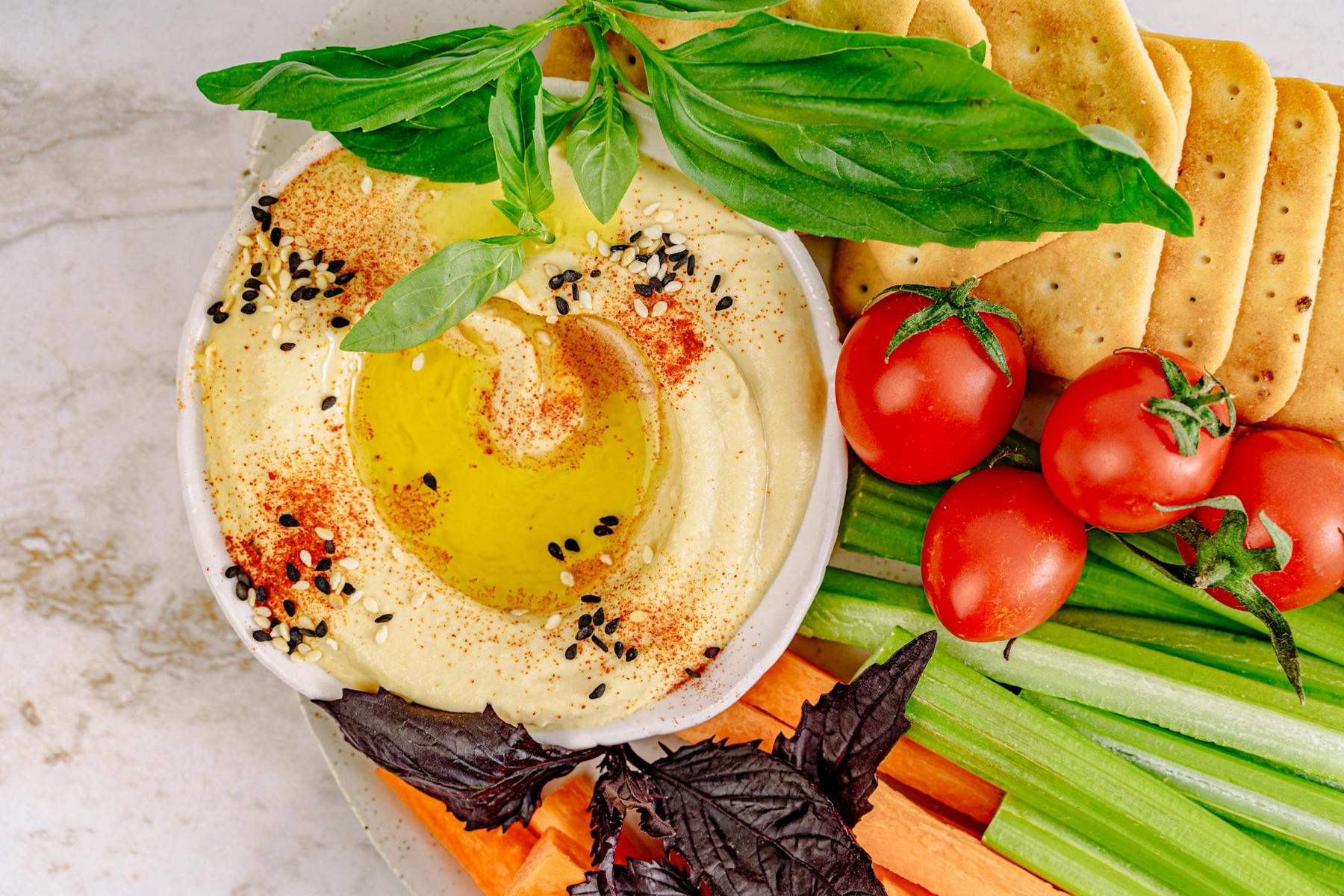
Chickpeas and Hummus represent the most accessible plant-based option for high-protein dips and spreads for snacks. Traditional hummus provides 7-10g protein per quarter cup, complemented by 3.2g fibre—the combination enhancing satiety beyond protein alone. Research associates regular chickpea consumption with reduced cardiovascular disease risk and type 2 diabetes prevalence, attributable to bioactive compounds with antioxidant and anti-inflammatory properties.
Black Beans deliver 9g protein and 9g fibre per 100g serving. The exceptional fibre content distinguishes black bean dips from many alternatives, creating substantial volume that physically contributes to fullness. Black beans provide incomplete protein, requiring combination with grains for complete amino acid profiles, though this complementarity occurs easily when served with wholegrain crackers or bread.
Edamame offers complete plant protein—providing all nine essential amino acids—comparable to milk proteins casein and whey. At 18g protein per cup (155g) or 8g per 85g serving, edamame rivals dairy sources whilst remaining suitable for plant-based dietary patterns. The body digests and absorbs soy protein efficiently, maximising nutritional availability.
Nuts and Seeds contribute both protein and beneficial fats. Almonds provide 6g protein per 28g serve alongside vitamin E and riboflavin, whilst pumpkin seeds offer 8.5g protein with magnesium and zinc. Tahini (sesame seed paste) contains 8g protein per quarter cup and creates authentic Middle Eastern-style hummus. Despite caloric density, research demonstrates nuts produce high satiety with minimal association with long-term weight gain—a paradox attributed to incomplete absorption and metabolic effects.
How Much Protein Should Your Snacks Contain?
Australian protein requirements differ substantially between general health maintenance and active weight management.
Standard vs Weight Loss Requirements
For healthy adults aged 19-70 years, baseline recommendations suggest 0.75g per kilogram body weight daily for women and 0.84g per kilogram for men. These figures increase to 1.0g per kilogram for adults over 70 and pregnant or breastfeeding women.
However, CSIRO research establishes that effective weight loss requires 1.2-1.6g protein per kilogram body weight daily. For the average Australian woman (71kg), this translates to 85-114g daily protein compared to standard recommendations of 45g—nearly double the baseline requirement. Average Australian men (86kg) require 103-138g versus standard 64g recommendations.
Optimal Distribution Throughout the Day
CSIRO guidelines recommend even protein distribution rather than concentration in single meals:
- Breakfast: Minimum 25g protein
- Lunch: Minimum 25g protein
- Dinner: 40g protein
- Snacks: 10g protein
This distribution pattern stimulates 24-hour muscle protein synthesis 25% more effectively than concentrating protein in evening meals. For high-protein dips and spreads for snacks, targeting 10-15g protein per serving aligns with evidence-based patterns.
The Satiety Threshold
Research identifies approximately 20-30g protein per meal or substantial snack as the threshold for maximising satiety benefits. Below 20g shows blunted protein synthesis responses, particularly in older adults and individuals managing overweight. Whilst smaller snacks (10-15g protein) provide benefit, combining high-protein dips with protein-containing vehicles—such as Greek yoghurt dip with chicken strips or hummus with hard-boiled eggs—reaches this optimal threshold.
Comparing Protein Content: High-Protein Dips and Spreads
| Dip/Spread Type | Protein per Serve | Serving Size | Additional Benefits |
|---|---|---|---|
| Greek Yoghurt Dip (herb-based) | 5g | ~50g | Probiotics, calcium |
| Cottage Cheese Dip | 13g | 100g | Slow-digesting casein |
| Buffalo Chicken Dip (Greek yoghurt base) | 12g | ~100g | Complete amino acids |
| Traditional Hummus | 7-10g | ¼ cup (~60g) | Fibre, iron |
| Black Bean Dip | 9g | 100g | High fibre (9g) |
| Edamame Spread | 8g | 85g | Complete plant protein |
| Almond Butter | 7g | 2 tablespoons | Vitamin E, healthy fats |
| Tahini | 8g | ¼ cup | Calcium, copper |
What Makes High-Protein Dips More Satisfying Than Traditional Options?
Satiety represents a complex biological response involving physical, chemical, and metabolic factors. High-protein dips and spreads for snacks engage multiple mechanisms simultaneously.
Physical Satiety Mechanisms
Volume and water content create immediate stomach distension, triggering stretch receptors that signal fullness to the brain. Greek yoghurt and cottage cheese dips contain substantial water, increasing volume without proportional caloric increase. Viscosity—the thickness of dips—slows gastric emptying, extending the period of physical fullness. Texture matters: whole-food ingredients with intact fibre create bulk that enhances mechanical satiety signals.
Chemical and Hormonal Responses
Amino acid concentration in the bloodstream following protein consumption directly signals satiety centres in the hypothalamus. High-protein dips and spreads for snacks elevate circulating amino acids more effectively than carbohydrate or fat-rich alternatives.
The hormonal cascade includes:
- GLP-1 secretion: Appetite-suppressing hormone released in response to protein
- Reduced ghrelin: Decreased hunger signalling
- CCK and PYY elevation: Hormones promoting fullness sensation and delaying gastric emptying
Extended Metabolic Effects
Protein digestion proceeds more slowly than simple carbohydrate breakdown, creating extended nutrient absorption periods. This prolonged postprandial (after-eating) phase maintains satiety signals longer. Blood sugar stabilisation prevents the energy crashes and reactive hunger that characterise high-glycaemic snacking.
Evidence-Based Comparisons
When researchers compared snack types, high-protein options consistently outperformed alternatives. Women consuming Greek yoghurt with 24g protein experienced significantly greater satiation than identical-calorie snacks with lower protein content. The effect wasn’t marginal—participants delayed their next eating occasion by meaningful durations, translating to reduced daily caloric intake without conscious restriction.
When Is the Best Time to Consume High-Protein Snacks?
Timing significantly influences the metabolic and weight management effects of high-protein dips and spreads for snacks.
Optimal Snacking Windows
Research demonstrates mid-afternoon snacking produces superior weight loss outcomes compared to other times. CSIRO analysis revealed 4.5% lower weight loss with mid-morning snacking versus afternoon timing. This difference likely relates to hormonal patterns, activity levels, and the timing between major meals.
Morning snacking (mid-morning) may interfere with natural overnight fasting benefits or indicate inadequate breakfast protein. Evening snacking faces metabolic disadvantages: consuming 190 calories after 9:00 PM reduces fat oxidation by 12% compared to identical morning intake. Whilst protein-focused snacks mitigate some negative impacts of late eating, they cannot fully overcome circadian metabolic patterns.
Strategic Pre-Meal Snacking
High-protein dips and spreads for snacks consumed before main meals can suppress overeating at subsequent eating occasions. Vegetable sticks with hummus approximately 60-90 minutes before dinner creates dual benefits: meeting vegetable intake targets whilst reducing main meal consumption through partial satiety.
Post-Exercise Considerations
Within 60 minutes following exercise, combining protein with carbohydrates supports muscle recovery and glycogen restoration. High-protein dips paired with wholegrain crackers or fruit provide this combination. Whilst not exclusively weight-management focused, maintaining muscle mass during weight loss remains critical for metabolic rate preservation.
Recommended Frequency
Australian guidelines suggest 1-2 snacks daily of approximately 600kJ (143 calories) each. For individuals managing weight with BMI ≥27, strategic distribution of high-protein dips and spreads for snacks maintains stable energy levels and appetite control without excessive caloric addition.
Making High-Protein Snacking Work for Your Weight Management Goals
The practical application of high-protein dips and spreads for snacks requires attention to both nutritional composition and behavioural patterns. Quality matters: whole-food bases outperform processed alternatives for long-term adherence and metabolic health. A Mediterranean-style cottage cheese dip with fresh herbs, lemon, and olive oil provides protein, beneficial fats, and phytonutrients absent from commercial preparations.
Portion awareness prevents the common trap of healthy foods consumed in excessive quantities. Pre-portioning 100g cottage cheese or quarter-cup hummus into small containers creates clear boundaries. Pairing high-protein dips and spreads for snacks with fibre-rich vegetables amplifies satiety—celery, carrots, broccoli, and capsicum add volume, fibre, and micronutrients with minimal calories.
Complementary protein combinations maximise amino acid availability when using plant-based options. Hummus with wholegrain crackers, black bean dip with corn chips, or almond butter on wholegrain bread creates complete protein profiles from incomplete sources. This strategy proves particularly important for individuals following plant-based dietary patterns who require protein from multiple sources throughout the day.
Food source quality significantly impacts outcomes. CSIRO analysis of 200,000 Australian adults revealed those with low-quality diets were three times more likely to be obese, with eight times more protein coming from processed foods versus those with high-quality diets. Choosing high-protein dips and spreads for snacks made from whole ingredients—Greek yoghurt rather than processed dips, dried beans cooked at home rather than refined bean products—supports both immediate satiety and long-term health patterns.
The integration of strategic snacking within comprehensive weight management recognises that isolated interventions produce limited results. For Australians managing significant weight concerns, high-protein dips and spreads for snacks represent one component of evidence-based approaches that include medical oversight, behavioural support, and personalised treatment plans.