The moment blood sugar spikes and crashes after a pasta meal, hunger returns with unexpected intensity. For Australians managing their weight, this pattern creates a frustrating cycle: refined carbohydrates trigger rapid glucose elevation, followed by equally rapid decline, leaving you reaching for more food within an hour. Traditional pasta delivers 43 grams of carbohydrates per cup—a substantial glycaemic load that complicates metabolic health and weight management efforts. Research demonstrates that approximately 35% of Australian dietary energy currently derives from discretionary foods, highlighting a fundamental issue with carbohydrate quality rather than quantity alone. Low-carb alternatives to traditional pasta address this challenge through evidence-based nutritional modification, supporting sustained satiety whilst reducing the metabolic burden associated with refined grain consumption.
Why Do Traditional Pasta Alternatives Matter for Weight Management?
The relationship between refined carbohydrates and weight management extends beyond simple calorie counting. When individuals consume traditional refined pasta, the body rapidly converts these carbohydrates into glucose, creating sharp blood sugar elevations followed by precipitous drops. This metabolic pattern triggers renewed hunger signals, often within 60 minutes of eating.
Clinical research from the National Institutes of Health demonstrates that individuals consuming the highest amounts of refined carbohydrates face 2-3 times greater likelihood of developing type 2 diabetes compared to those consuming the least. A study examining 2,042 participants found that higher refined grain consumption correlated with increased waist circumference, elevated blood pressure, higher blood sugar levels, unfavourable LDL cholesterol, elevated blood triglycerides, and increased insulin resistance.
The Australian health landscape reveals additional context: whilst average Australian adults consume 43.5% of energy as carbohydrate—slightly below recommended ranges—fewer than 4% of Australians meet recommended vegetable and legume servings. This data illustrates that carbohydrate quality, rather than absolute quantity, presents the primary nutritional challenge facing weight management efforts.
Low-carb alternatives to traditional pasta support metabolic optimisation through multiple mechanisms. These alternatives reduce rapid glucose fluctuations, thereby minimising the hunger-craving cycle that undermines adherence to weight management programmes. Meta-analysis of 33 studies involving 3,939 participants demonstrated that low-carbohydrate dietary approaches produced greater short-term weight loss—an additional 1.33 kg reduction compared to low-fat diets over 6-23 months.
What Are the Most Effective Low-Carb Pasta Alternatives?
Evidence-based low-carb alternatives to traditional pasta fall into three primary categories, each offering distinct nutritional profiles and practical applications.
Vegetable-Based Noodles
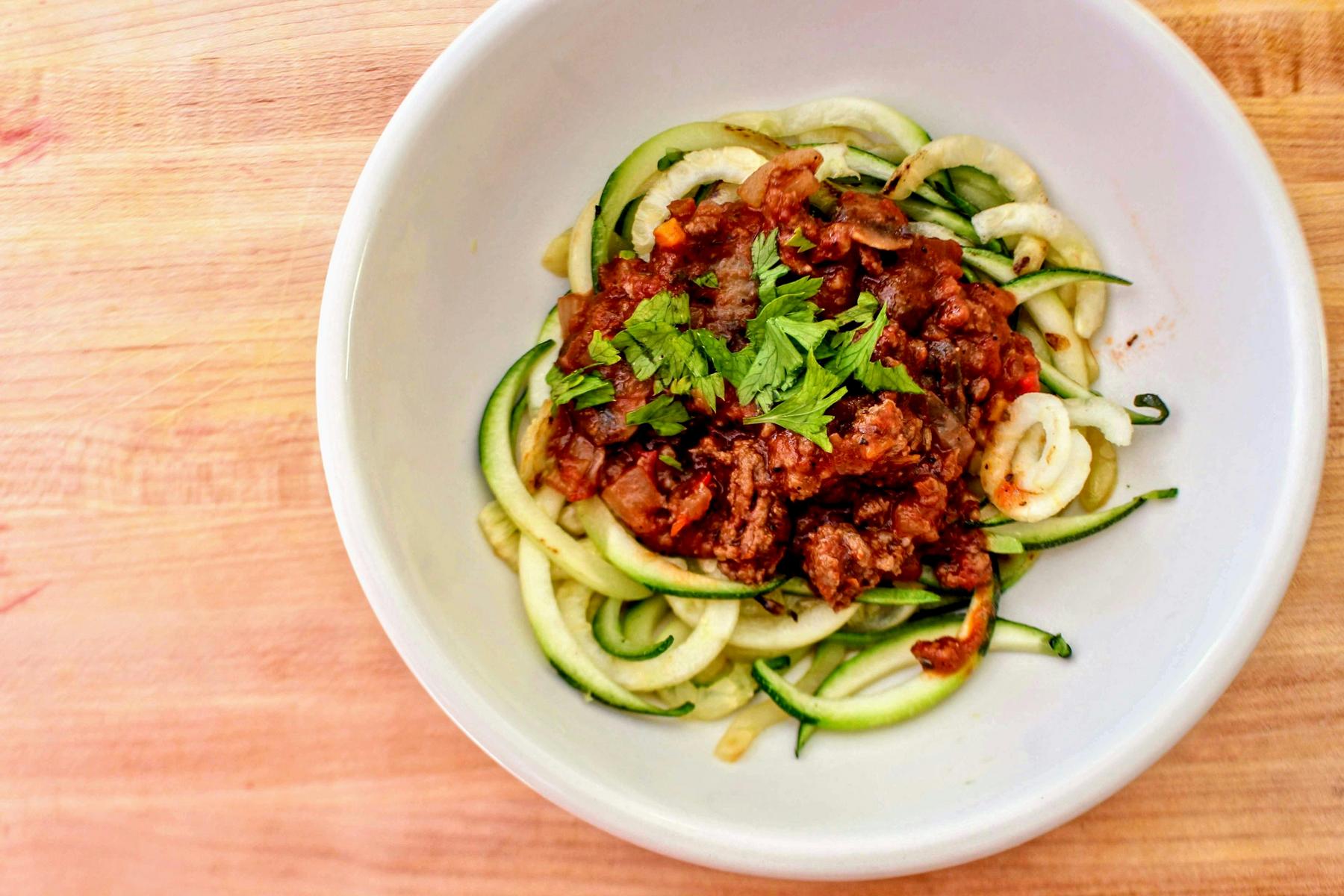
Spiralised vegetables represent the lowest-carbohydrate pasta alternative available. Zucchini noodles, commonly termed “zoodles,” contain approximately 8 grams of carbohydrates per cup when cooked—an 81% reduction compared to traditional pasta’s 43 grams per cup. This dramatic reduction allows patients to consume larger portion sizes whilst maintaining lower overall carbohydrate intake, addressing the psychological satisfaction of “plate fill” that supports dietary adherence.
Spaghetti squash provides natural separation into pasta-like strands following cooking. One cup of cooked spaghetti squash delivers 10 grams of carbohydrates alongside 2.2 grams of fibre, vitamin C, and pantothenic acid. The mild, slightly nutty flavour accepts diverse sauce preparations whilst contributing carotenoid antioxidants.
Additional spiralisable vegetables include carrots (rich in beta carotene), broccoli stems (high vitamin C content), butternut squash (carotenoid-rich antioxidants), and cucumber (exceptionally low-carbohydrate option for raw preparations). Each vegetable contributes unique micronutrient profiles whilst substantially reducing carbohydrate load.
Shirataki (Konjac) Noodles
Shirataki noodles, manufactured from glucomannan fibre extracted from the konjac plant, represent the most carbohydrate-restrictive option. Composed of approximately 97% water and 3% glucomannan fibre, these noodles contain 10-17 kilocalories per 100-gram serving with essentially zero net carbohydrates.
The glucomannan fibre provides clinical benefits extending beyond carbohydrate reduction. Research demonstrates that glucomannan absorbs up to 50 times its weight in water, promoting satiety through delayed gastric emptying. Meta-analysis findings indicate glucomannan supplementation associates with significant weight loss in overweight and obese individuals. Studies examining konjac product consumption over 12 weeks documented significant reductions in fasting blood glucose and HbA1c amongst individuals with type 2 diabetes.
Cardiovascular benefits emerge from glucomannan’s interaction with cholesterol metabolism. Meta-analysis revealed that 3 grams of daily glucomannan reduced LDL cholesterol by 10% and non-HDL cholesterol by 7%, likely through enhanced hepatic release of cholesterol-containing bile.
Preparation requires thorough rinsing and dry-roasting in a pan without oil for 5-10 minutes to optimise texture. Shirataki noodles function as a neutral vehicle for accompanying sauces and seasonings, readily absorbing flavour profiles.
Legume-Based Pastas
Chickpea and lentil pastas occupy a moderate position amongst low-carb alternatives to traditional pasta. Whilst containing approximately 30 grams of carbohydrates per cup—lower than refined wheat pasta’s 43 grams but higher than vegetable-based alternatives—these options deliver substantially increased protein (approximately 12 grams per serving) and fibre (approximately 7 grams per serving).
The superior protein and fibre content produces improved satiety responses and lower glycaemic impact compared to refined wheat pasta. These alternatives suit individuals seeking carbohydrate reduction without extreme restriction, particularly when paired with protein sources and non-starchy vegetables.
How Do These Alternatives Compare Nutritionally?
Understanding the nutritional distinctions between traditional pasta and low-carb alternatives requires direct comparison across multiple parameters. The following table presents standardised data for one-cup (approximately 150 grams) cooked portions:
| Food Type | Calories | Carbohydrates (g) | Fibre (g) | Protein (g) | Net Carbohydrates (g) |
|---|---|---|---|---|---|
| Refined Wheat Pasta | 220 | 43 | 2.5 | 8.1 | 40.5 |
| Whole Wheat Pasta | 174 | 37 | 6 | 7.5 | 31 |
| Zucchini Noodles | 40 | 8 | 4 | 1.5 | 4 |
| Spaghetti Squash | 42 | 10 | 2.2 | 1 | 7.8 |
| Shirataki Noodles | 10-17 | 3-6 | 3-4 | 0 | 0-3 |
| Cauliflower Rice | 25 | 5 | 2 | 2 | 3 |
| Chickpea Pasta | 190 | 30 | 7 | 12 | 23 |
This comparison reveals that vegetable-based and shirataki alternatives reduce carbohydrate intake by 80-95% compared to refined wheat pasta. The caloric reduction proves equally substantial—zucchini noodles and spaghetti squash deliver approximately 80% fewer calories per serving, allowing doubled portion sizes for equivalent caloric intake.
The Commonwealth Scientific and Industrial Research Organisation (CSIRO) conducted rigorous two-year clinical trials examining low-carbohydrate dietary approaches, defining low-carb as 50-70 grams of quality, low-glycaemic index carbohydrates daily. Within this framework, incorporating low-carb alternatives to traditional pasta enables patients to allocate carbohydrate budget toward nutrient-dense vegetables, fruits, and strategic whole grains whilst maintaining metabolic benefits.
Which Low-Carb Pasta Option Is Best for Blood Sugar Control?
Blood glucose management represents a critical consideration for individuals with type 2 diabetes, prediabetes, or metabolic syndrome. The American Diabetes Association, Diabetes Australia, and Diabetes UK now recognise low-carbohydrate eating as an effective option for managing type 2 diabetes, reflecting substantial clinical evidence.
Shirataki noodles provide superior blood glucose control amongst low-carb alternatives to traditional pasta due to near-zero digestible carbohydrate content. Studies examining konjac products demonstrated that 12 weeks of consumption produced significant reductions in fasting blood glucose and glycated haemoglobin (HbA1c) amongst individuals with type 2 diabetes.
Vegetable-based alternatives similarly produce minimal blood glucose elevation. Research comparing pasta types revealed that regular pasta caused 43 grams per litre greater peak glucose compared to alternatives. The high water content and fibre present in vegetables such as zucchini and spaghetti squash slow gastric emptying and glucose absorption, attenuating post-meal glucose spikes.
The Virta Health trial examining very-low-carbohydrate dietary approaches demonstrated remarkable outcomes: 53.5% of patients achieved diabetes reversal with substantial reductions in medication use after two years. CSIRO research similarly documented that low-carb diet groups experienced 40% reduction in diabetes medication requirements at year one (versus 20% for higher-carbohydrate groups), alongside 30% improvement in glycaemic variability.
For individuals taking diabetes medications—particularly insulin, metformin, or SGLT2 inhibitors—incorporating low-carb alternatives to traditional pasta necessitates careful medical supervision. Improved glycaemic control resulting from carbohydrate reduction can produce hypoglycaemia if medication dosing remains unchanged. Australian healthcare professionals emphasise individualised assessment and coordinated medication management when patients implement significant dietary modifications.
How Can You Successfully Incorporate These Alternatives?
Practical implementation determines whether low-carb alternatives to traditional pasta support sustained weight management or become abandoned experiments. Evidence-based preparation strategies optimise both nutritional outcomes and eating satisfaction.
Preparation Techniques
Vegetable-based noodles require moisture management to prevent mushy texture. Spiralised zucchini benefits from salting and resting for 15 minutes, allowing water extraction before cooking. Pat dry thoroughly, then sauté briefly (2-3 minutes maximum) in a hot pan. Overcooking produces excessive softness that diminishes eating experience.
Spaghetti squash requires different technique: pierce the skin, then bake at 200°C for 40-50 minutes until tender. Allow cooling briefly before scraping out strands with a fork. The natural separation produces optimal pasta-like consistency without additional processing.
Shirataki noodles demand thorough rinsing under cold water for 2-3 minutes, followed by dry-roasting in a pan without oil for 5-10 minutes. This preparation removes the characteristic odour from packaging liquid and firms texture substantially. The improved mouthfeel increases acceptance and repeated use.
Complementary Components
Pairing low-carb alternatives to traditional pasta with appropriate proteins, healthy fats, and additional vegetables creates nutritionally complete meals supporting metabolic health. Lean proteins (fish, poultry, legumes) provide satiety and preserve lean muscle mass during weight reduction. Research demonstrates that higher protein intake (15-25% of total energy) supports muscle maintenance and metabolic function.
Healthy fats from olive oil, nuts, seeds, and avocado enhance absorption of fat-soluble vitamins present in vegetable-based alternatives whilst contributing to satiety through delayed gastric emptying. Mediterranean dietary patterns, which emphasise these components alongside abundant vegetables, demonstrate comparable long-term weight management outcomes to other evidence-based approaches.
Sauce selection influences overall nutritional profile significantly. Oil-based preparations (such as pesto or aglio e olio), tomato-based sauces rich in lycopene, and broth-based options maintain lower caloric density compared to cream-based alternatives. These selections align with National Health and Medical Research Council guidelines emphasising nutrient-dense food choices.
Australian Dietary Integration
Low-carb alternatives to traditional pasta support achievement of Australian Dietary Guidelines recommendations through multiple mechanisms. These alternatives facilitate increased vegetable consumption—addressing the deficit whereby fewer than 4% of Australians meet vegetable intake recommendations. The substantial volume permitted whilst maintaining lower carbohydrate and caloric intake enables patients to meet “plenty of vegetables” guidance without excessive caloric consumption.
Replacing refined pasta with vegetable-based alternatives redirects carbohydrate intake toward quality sources emphasised in NHMRC guidelines: vegetables, fruits, whole grains, and legumes. This approach addresses the core issue whereby 35% of Australian dietary energy currently derives from nutrient-poor discretionary foods.
What Does Medical Supervision Mean for Dietary Changes?
Implementing low-carb alternatives to traditional pasta within comprehensive weight management requires appropriate medical oversight, particularly for individuals with existing metabolic conditions or medication regimens.
Medication Management Considerations
Research from CSIRO clinical trials documented that low-carbohydrate dietary approaches produce 40% reductions in diabetes medication requirements within the first year. This substantial improvement necessitates proactive medication adjustment rather than reactive management. Healthcare providers must anticipate reduced medication needs and adjust prescribing accordingly to prevent hypoglycaemia.
Individuals taking metformin, SGLT2 inhibitors, insulin, or other glucose-lowering medications require particularly close monitoring when incorporating significant carbohydrate reduction. Blood glucose patterns often improve within days to weeks of dietary modification, demanding corresponding medication titration.
Individualisation Principles
Diabetes Australia’s 2018 position statement emphasises that low-carbohydrate eating represents one effective option amongst several evidence-based dietary approaches. Response to carbohydrate reduction varies substantially based on genetics, individual insulin secretion patterns, and metabolic factors. The DIETFITS trial and other rigorous research demonstrate that various dietary approaches—low-carbohydrate, low-fat, Mediterranean—produce comparable long-term outcomes when adherence remains consistent.
This evidence supports individualised assessment by healthcare professionals and Accredited Practising Dietitians who can evaluate patient-specific factors including: current metabolic health status, medication regimens, food preferences and cultural considerations, practical cooking capabilities, and support systems. Telehealth platforms enable convenient regular monitoring whilst maintaining professional medical supervision throughout dietary transitions.
Micronutrient Adequacy
Whilst low-carb alternatives to traditional pasta reduce carbohydrate and caloric intake, ensuring comprehensive micronutrient status requires varied vegetable selections and strategic food choices. The diverse vegetable options available for spiralising provide complementary nutrient profiles: carrots contribute beta carotene and vitamin A, spaghetti squash offers vitamin C and pantothenic acid, zucchini supplies potassium and vitamin C.
Healthcare providers can recommend targeted supplementation when dietary intake proves insufficient for specific micronutrients, though whole food sources remain preferable when feasible.
Making the Transition to Better Metabolic Health
The evidence supporting low-carb alternatives to traditional pasta demonstrates clear metabolic benefits for weight management and glycaemic control. Research from Australian institutions including CSIRO, combined with international clinical trials and meta-analyses, establishes that strategic carbohydrate reduction produces meaningful improvements in body composition, blood glucose patterns, cardiovascular risk markers, and medication requirements.
These alternatives enable Australians to align dietary choices with both traditional preferences for pasta-based meals and contemporary metabolic health requirements. The variety of options—from virtually zero-carbohydrate shirataki noodles to moderate-carbohydrate legume pastas—provides flexibility for individualisation according to personal metabolic goals, food preferences, and lifestyle factors.
Implementation success requires appropriate preparation techniques, complementary meal components providing adequate protein and healthy fats, and integration within comprehensive dietary patterns emphasising nutrient density. Most critically, individuals with existing metabolic conditions or medication regimens benefit from professional medical supervision throughout dietary transitions, ensuring both safety and optimisation of therapeutic outcomes.
The Australian healthcare system, with its emphasis on preventive care and chronic disease management, increasingly recognises low-carbohydrate approaches as legitimate evidence-based options. Telehealth delivery models enhance accessibility to professional guidance, enabling convenient regular consultations whilst patients implement dietary modifications within their daily lives.
Skip the struggles. Our patients achieve <20.2% weight reduction with medical weight loss treatments delivered straight to their door. No clinics. No waiting. Just results. See if you’re eligible for our medical weight loss treatments – take our quiz
How many carbohydrates should I aim for daily when using pasta alternatives?
The CSIRO low-carbohydrate dietary approach defines low-carb as 50-70 grams of quality, low-glycaemic index carbohydrates daily, representing approximately 10-14% of total daily energy. However, optimal carbohydrate intake varies based on individual metabolic health, activity levels, and weight management goals. It is recommended to consult with healthcare providers or Accredited Practising Dietitians for individualized guidance.
Can I lose weight eating regular pasta if I control portions?
Weight loss fundamentally requires a caloric reduction regardless of macronutrient composition. While portion control can support weight loss, low-carb alternatives to traditional pasta may offer enhanced satiety and reduced hunger-craving cycles. Research indicates that low-carbohydrate diets can produce greater short-term weight loss, although long-term results depend on overall dietary adherence and individual response.
Will shirataki noodles cause digestive problems?
Shirataki noodles contain glucomannan fibre, which may cause mild digestive effects such as bloating, gas, or loose stools, especially when first introduced or if consumed in large quantities. These effects typically diminish with gradual introduction and regular consumption. It is advisable to start with smaller portions and ensure adequate fluid intake.
Do I need to avoid all traditional pasta permanently?
Evidence-based weight management does not require the permanent elimination of any specific food. Traditional pasta can be consumed in moderation, especially when paired with proteins and vegetables. Techniques like cooking, cooling, and reheating pasta can also help reduce its glycaemic impact by forming resistant starch, which lessens post-meal glucose spikes.
Are vegetable-based pasta alternatives suitable for children?
Vegetable-based alternatives can be included as part of a varied diet for children; however, very-low-carbohydrate approaches are generally not recommended for growing children unless medically indicated and supervised. It is best to consult with healthcare providers or paediatric dietitians to ensure that nutritional needs are met for optimal growth and development.