


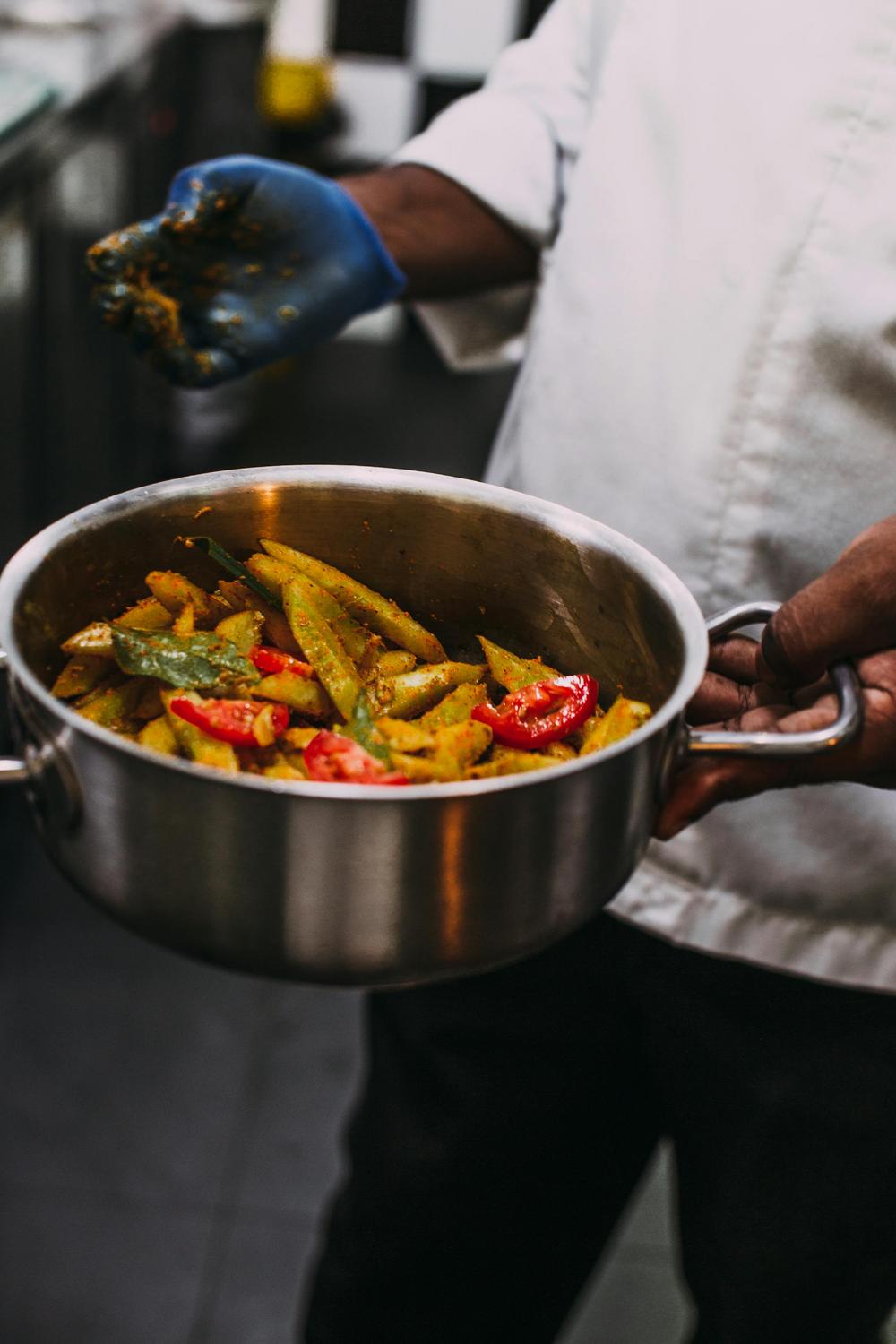
The aroma of curry spices fills your kitchen—warm cinnamon, earthy turmeric, fragrant cumin—yet you hesitate. Traditional curry recipes often contain substantial amounts of saturated fat from ghee, coconut cream, and oil, creating a dilemma for those managing their weight. More than one in two Australians live with overweight or obesity, and finding satisfying, flavourful meals that support health goals remains a persistent challenge. The misconception that healthy eating means sacrificing taste prevents many from maintaining dietary changes long-term. However, emerging clinical evidence demonstrates that low-fat curry recipes can deliver exceptional flavour whilst supporting metabolic health through strategic ingredient substitution and spice optimisation.
How Can You Create Low-Fat Curries Without Sacrificing Flavour?
Creating low-fat curry recipes that maintain authentic taste requires understanding the functional role of fats and implementing evidence-based substitutions. Traditional curry preparation uses high amounts of saturated fats—butter, ghee, coconut oil—primarily for cooking aromatics and creating creamy texture. The British Heart Foundation research indicates that one tablespoon of unsaturated oil suffices for a curry serving four people, representing a significant reduction from conventional recipes.
Strategic Oil Reduction Techniques
For ultra-low-fat versions, 10-20 sprays of cooking spray effectively prevent sticking whilst minimising fat content. Using non-stick cookware eliminates the need for excessive oil, and adding small amounts of water prevents ingredients from burning during the initial cooking phase. When oil is necessary, selecting neutral-flavoured unsaturated oils such as rapeseed, corn, or sunflower preserves authentic curry taste without the saturated fat burden that triggers inflammatory pathways.
Achieving Creamy Texture Through Smart Substitution
Coconut milk and cream, whilst providing luxurious texture, contain substantial saturated fat. Evidence-based alternatives include low-fat Greek yoghurt stirred in at the end of cooking, which provides creaminess with significantly reduced fat content. Gram flour (chickpea flour) mixed with cold water creates effective thickening without added fat, whilst fresh tomato and onion purée establishes a rich sauce base. These substitutions maintain the characteristic curry texture whilst supporting weight management objectives.
Homemade Curry Paste for Maximum Flavour Control
Commercial curry pastes typically contain excessive salt and fat. Preparing fresh curry paste involves dry roasting aromatic whole spices—cumin seeds, coriander seeds, cloves, cinnamon sticks, black pepper—then grinding them before combining with pureed garlic, ginger, and green chillies. Adding turmeric provides colour, and mixing with minimal oil (one teaspoon for the batch) creates concentrated flavour without unnecessary fat or sodium. This approach maximises authentic taste whilst maintaining control over nutritional parameters.
What Are the Health Benefits of Curry Spices for Weight Management?
Curry spices contain bioactive compounds with documented metabolic effects supported by clinical research. Understanding these mechanisms provides scientific rationale for incorporating low-fat curry recipes into structured weight management approaches.
Turmeric and Curcumin: Anti-Inflammatory Powerhouse
Turmeric contains curcumin, extensively studied for weight management and metabolic health. Clinical trials demonstrate that curcumin supplementation reduces body weight, BMI, and waist circumference through multiple mechanisms. Curcumin activates PPAR-γ and Nrf2 signalling pathways, suppressing pro-inflammatory cytokines associated with obesity. One study of 80 patients with non-alcoholic fatty liver disease showed curcumin supplementation suppressed inflammatory markers including TNF-α, CRP, and IL-6.
Nutritionally, 100 grams of turmeric contains 354 kilocalories with only 10g total fat (3g saturated fat), providing 21g dietary fibre and 8g protein whilst containing no cholesterol. Importantly, curcumin absorption improves by up to 2,000% when combined with black pepper, making proper spice pairing essential for maximising health benefits.
Ginger: Thermogenic and Appetite-Suppressing Effects
A 2024 meta-analysis examining 27 studies concluded that ginger supplementation significantly reduces body weight, BMI, and body fat percentage. Ginger’s thermogenic effects increase body temperature and metabolic rate, promoting calorie expenditure. Studies demonstrate that 1-3 grams of ginger daily for 6-12 weeks decreases C-reactive protein (CRP), an inflammatory marker elevated in obesity. Additionally, ginger reduces hunger and increases satiety, supporting calorie reduction without conscious restriction.
Cinnamon: Blood Sugar Regulation
A 12-week randomised controlled trial with participants at risk for metabolic syndrome showed cinnamon improved fasting blood glucose, HbA1c, LDL, and total cholesterol. Clinical evidence indicates that just two teaspoons of cinnamon daily reduce blood sugar by 20-30%, whilst lowering LDL cholesterol and triglycerides. Cinnamon stabilises blood sugar through AMPK activation and glucose transporter expression, reducing insulin spikes that promote fat storage.
Cayenne Pepper and Metabolic Boost
Capsaicin, the active compound in cayenne pepper, increases metabolic rate by approximately 8%, enhancing calorie expenditure through thermogenesis. Research demonstrates capsaicin activates AMPK and PKA pathways, promoting fat oxidation. One study showed capsaicin consumption led to 15% less food intake at subsequent meals, supporting appetite control without restrictive dieting.
| Spice | Key Bioactive Compound | Primary Metabolic Effect | Clinical Evidence |
|---|---|---|---|
| Turmeric | Curcumin | Anti-inflammatory, reduces body weight/BMI | Multiple RCTs showing reduction in TNF-α, IL-6, CRP |
| Ginger | Gingerol, Shogaol | Thermogenic, appetite suppression | 27-study meta-analysis confirming weight reduction |
| Cinnamon | Cinnamaldehyde | Blood sugar regulation, insulin sensitivity | 12-week RCT improving metabolic syndrome markers |
| Cayenne | Capsaicin | Increases metabolic rate 8%, fat oxidation | Meta-analyses confirming thermogenic effects |
| Cumin | Cuminaldehyde | Blood sugar regulation, digestive support | Clinical trials showing glucose control efficacy |
| Black Pepper | Piperine | Enhances nutrient absorption (2,000% for curcumin) | Multiple studies confirming bioavailability enhancement |
Which Proteins and Vegetables Work Best in Low-Fat Curries?
Optimising protein and vegetable selection maximises nutritional density whilst controlling saturated fat content in low-fat curry recipes.
Protein Selection for Optimal Nutrition
Lean Animal Proteins: Skinless chicken breast provides high protein with minimal fat. Fish and seafood deliver omega-3 fatty acids with low saturated fat content, supporting cardiovascular health. When using beef or lamb, removing visible white fat substantially reduces saturated fat intake.
Plant-Based Proteins: Legumes and lentils offer excellent protein sources whilst adding dietary fibre that supports satiety and digestive health. Chickpeas and beans provide bulk without excessive calories. Firm tofu serves as a low-fat substitute for paneer cheese, particularly when air-fried or dry-fried in non-stick cookware for texture development. Turkey mince (white meat) presents a low-saturated-fat alternative to beef mince.
Vegetable Incorporation for Volume and Nutrition
Australian Dietary Guidelines recommend at least five serves of vegetables daily. Low-fat curry recipes easily accommodate multiple vegetable serves:
Leafy Greens: Spinach provides iron with minimal calories, supporting satiety and nutritional adequacy during weight management.
Cruciferous Vegetables: Cauliflower and broccoli offer low-calorie bulk with excellent nutritional density. Cauliflower particularly serves as a versatile substitute for higher-carbohydrate ingredients.
Colourful Vegetables: Capsicum (bell peppers) contributes vitamin C with minimal calories. Tomatoes provide lycopene supporting cardiovascular health. Aubergine (eggplant) delivers antioxidants without calorie density.
Root Vegetables: Sweet potato and regular potatoes, whilst higher in carbohydrates, provide dietary fibre and promote satiety when portion-controlled. Carrots contribute beta-carotene and natural sweetness that enhances curry depth.
High-Water-Content Vegetables: Zucchini and courgettes add volume with minimal caloric impact, supporting satiety through increased meal volume.
How Do Low-Fat Curries Support Metabolic Health?
Low-fat curry recipes address multiple metabolic parameters through combined mechanisms of fat reduction, anti-inflammatory spice inclusion, and nutrient optimisation.
Inflammation Reduction and Obesity Management
Peer-reviewed research classifies obesity as a proinflammatory disease, with chronic inflammation playing a central role in metabolic disease development. Inflammatory markers including TNF-α, IL-6, and CRP elevate in individuals with obesity. Saturated fat consumption triggers inflammatory pathways via TLR4 activation, establishing a mechanistic link between dietary fat intake and metabolic dysfunction.
Curry spices provide potent anti-inflammatory compounds that directly address this inflammatory cascade. A randomised controlled trial spanning 12 weeks with 120 participants showed that culinary spices (ginger, cinnamon, black seed) at 3 grams daily improved fasting blood glucose, HbA1c, LDL cholesterol, and total cholesterol. This demonstrates therapeutic benefit from moderate spice consumption as adjunct to dietary modifications.
Blood Sugar Stabilisation and Insulin Sensitivity
Multiple mechanisms support blood sugar regulation through low-fat curry consumption. Cinnamon improves insulin sensitivity and GLUT glucose transporter expression. Turmeric reduces hepatic glucose synthesis. Cumin regulates insulin and glycogen metabolism. Stable blood sugar prevents insulin spikes and energy crashes associated with weight gain, whilst reducing blood sugar fluctuation decreases hunger and cravings that undermine dietary adherence.
Satiety Enhancement Without Caloric Density
Research demonstrates that capsaicin reduces appetite and increases feelings of fullness. Ginger suppresses appetite through thermogenic effects. Dietary fibre from vegetables and legumes promotes satiety through gastric distension and delayed gastric emptying. The combination of protein from lean sources, fibre from vegetables and legumes, and bioactive compounds from spices creates meals that satisfy hunger with controlled caloric content—essential for sustainable weight management.
Can Curry Recipes Align with Australian Dietary Guidelines?
Low-fat curry recipes exemplify alignment with Australian Dietary Guidelines (NHMRC, 2013), supporting multiple nutritional recommendations simultaneously.
Five Food Groups Integration
Vegetables and Legumes/Beans: Curry recipes naturally accommodate multiple vegetable serves, with legume inclusion providing both vegetable group servings and plant-based protein. This directly addresses the guideline for five or more vegetable serves daily.
Lean Meats and Proteins: Skinless chicken, fish, and plant-based proteins meet the recommended 2.5-3 serves daily of protein foods, supporting tissue maintenance during weight management.
Grain Foods: Serving curry with brown rice or wholegrain bread provides 4-6 daily grain serves, with wholegrain selection offering superior fibre and micronutrient content compared to refined grains.
Dairy and Alternatives: Low-fat Greek yoghurt used in curry preparation contributes to the recommended 2.5-4 daily serves of mostly reduced-fat dairy products.
Supporting Healthy Weight Achievement
Guideline 1 emphasises achieving and maintaining healthy weight through nutrient-dense foods meeting energy needs without excessive kilojoules. Low-fat curries support this through high satiety from fibre and protein, reduced saturated fat intake, and metabolic support from bioactive spice compounds. According to Healthdirect Australia, losing as little as 5kg can significantly reduce health problem risk, making sustainable dietary approaches essential.
Limiting Saturated Fat, Added Salt, and Sugars
Guideline 3 specifically recommends limiting saturated fat, added salt, and sugars. Low-fat curry strategies directly address this:
- Replacing saturated fats (butter, ghee, coconut oil) with minimal unsaturated oil
- Making homemade paste to control sodium (commercial pastes contain excessive salt)
- Using spices instead of salt for flavour enhancement
- Avoiding added sugars and using mango chutney sparingly
- Serving with brown rice instead of white rice for higher fibre and nutrient content
This alignment demonstrates that low-fat curry recipes represent practical implementation of Australian Dietary Guidelines rather than restrictive dieting, supporting long-term adherence and sustainable health outcomes.
Making Low-Fat Curries Part of Your Healthy Lifestyle
Low-fat curry recipes represent an evidence-based approach to combining exceptional flavour with metabolic health support. The clinical research demonstrating anti-inflammatory, thermogenic, and blood-sugar-regulating effects of curry spices provides scientific rationale for their inclusion in structured weight management approaches. Strategic fat reduction through ingredient substitution—using minimal unsaturated oils, low-fat Greek yoghurt, and gram flour thickening—maintains creamy texture whilst substantially reducing saturated fat content that triggers inflammatory pathways.
The incorporation of lean proteins and diverse vegetables creates nutrient-dense meals that satisfy hunger with controlled caloric content, supporting the 5-20% weight reduction associated with significant health improvements. Alignment with Australian Dietary Guidelines ensures nutritional adequacy whilst the rich, complex flavours from properly combined spices promote long-term dietary adherence—essential for sustainable outcomes.
For individuals with a BMI of 27 or above seeking comprehensive weight management support, integrating flavourful, nutritionally optimised meals like low-fat curries within a structured healthcare approach addresses both physiological and psychological aspects of sustainable weight management. The combination of scientific evidence supporting curry spice benefits, practical cooking techniques reducing fat content, and alignment with established dietary guidelines positions low-fat curry recipes as valuable tools in evidence-based weight management strategies.
How much fat should I use when making low-fat curry recipes?
The British Heart Foundation recommends one tablespoon of unsaturated oil (such as rapeseed, corn, or sunflower) for a curry serving four people. For ultra-low-fat versions, 10-20 sprays of cooking spray effectively prevent sticking whilst minimising fat content. Using non-stick cookware eliminates the need for excessive oil, with small amounts of water added during cooking to prevent burning. This approach significantly reduces saturated fat intake compared to traditional recipes using butter, ghee, or coconut oil.
Which curry spices provide the most significant metabolic benefits?
Clinical research demonstrates that turmeric (containing curcumin), ginger (containing gingerol), cinnamon (containing cinnamaldehyde), and cayenne pepper (containing capsaicin) provide documented metabolic benefits. Turmeric reduces inflammatory markers and supports weight reduction. Ginger increases metabolic rate through thermogenic effects. Cinnamon improves blood sugar regulation and insulin sensitivity. Capsaicin increases metabolic rate by approximately 8% whilst suppressing appetite. Combining these spices creates synergistic effects, with black pepper enhancing curcumin absorption by up to 2,000%.
Can low-fat curry recipes support weight loss without feeling restrictive?
Yes, low-fat curry recipes support weight management through multiple mechanisms without restrictive eating. The combination of protein from lean sources, dietary fibre from vegetables and legumes, and bioactive compounds from spices creates highly satiating meals with controlled caloric content. Research shows that capsaicin consumption reduces subsequent food intake by 15% through appetite suppression. The rich, complex flavours from properly combined spices provide psychological satisfaction essential for long-term dietary adherence, whilst nutrient density prevents the deficiencies often associated with restrictive dieting approaches.
How do low-fat curries compare nutritionally to traditional curry recipes?
Low-fat curry recipes substantially reduce saturated fat content whilst maintaining or enhancing nutritional value. Traditional curries may contain 20-30g saturated fat per serving from coconut cream, ghee, and excessive oil. Low-fat versions typically contain 3-5g total fat per serving using strategic substitutions like low-fat Greek yoghurt, minimal unsaturated oil, and vegetable-based thickening. This reduction directly addresses the saturated fat intake that triggers inflammatory pathways whilst preserving protein content, increasing vegetable serves, and maintaining the bioactive spice compounds providing metabolic benefits. The result is nutritionally superior meals supporting cardiovascular health and weight management.
Are low-fat curry recipes suitable for people with metabolic syndrome or type 2 diabetes?
Low-fat curry recipes align with dietary recommendations for metabolic syndrome and type 2 diabetes management through multiple mechanisms. A 12-week randomised controlled trial demonstrated that culinary spices including ginger, cinnamon, and black seed improved fasting blood glucose, HbA1c, LDL cholesterol, and total cholesterol in participants at metabolic syndrome risk. The reduced saturated fat content supports cardiovascular health, whilst the blood-sugar-regulating effects of cinnamon, turmeric, and cumin improve insulin sensitivity. The high fibre content from vegetables and legumes slows glucose absorption, preventing blood sugar spikes. However, individuals should coordinate dietary changes with their healthcare team and monitor portion sizes, particularly of rice or bread accompaniments.