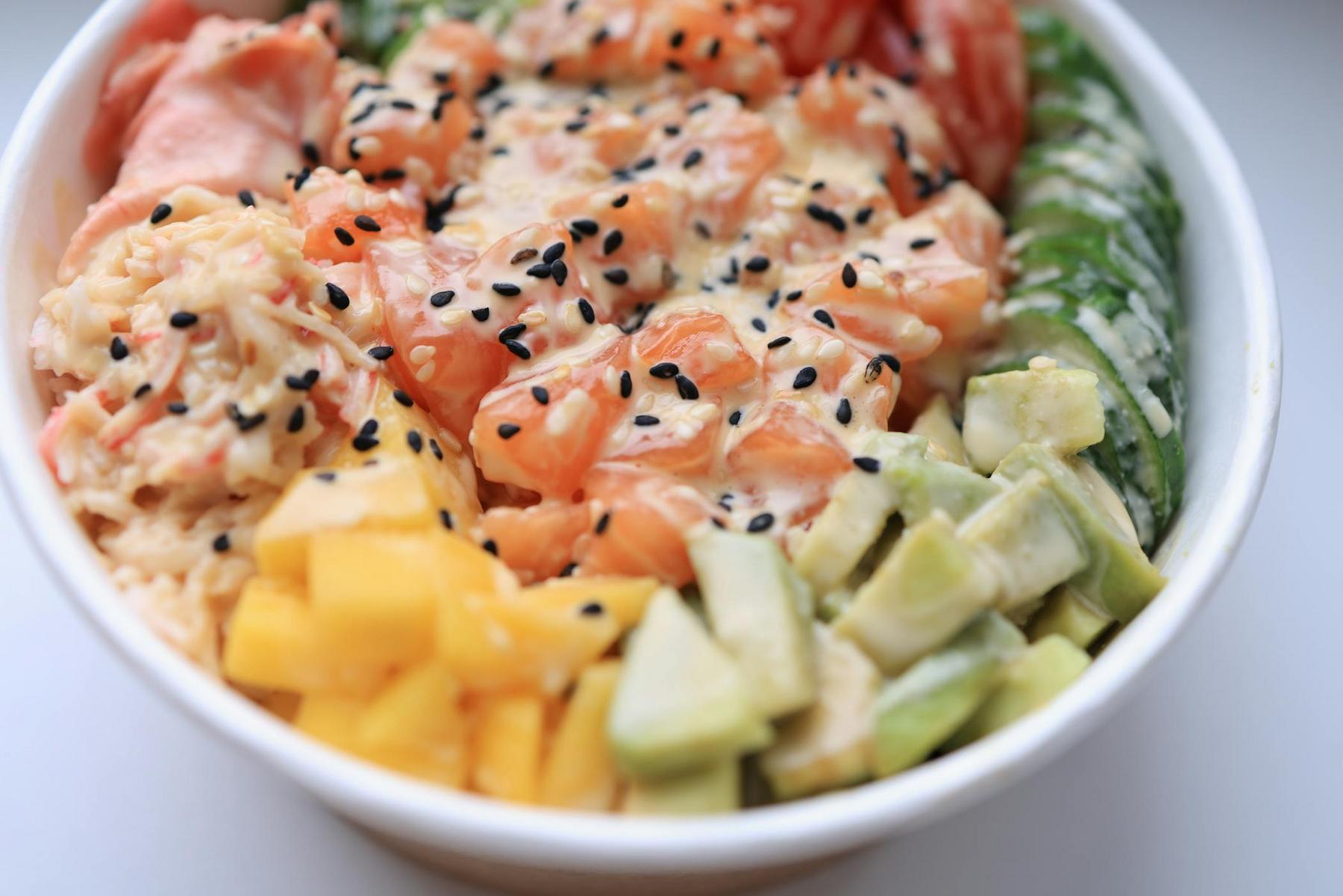
Time scarcity consistently ranks amongst the primary barriers to healthy eating for Australian adults. Between professional obligations, family responsibilities, and daily commitments, the average person faces difficult choices: spend limited evening hours preparing nutritious meals, or opt for convenient but often nutritionally inadequate alternatives. This dilemma contributes to a concerning reality—obesity prevalence in Australia increased from 9.6% in 1983 to 27.7% in 2012, according to national nutrition survey data. The solution isn’t choosing between time and health, but rather understanding how to prepare macro-friendly meals efficiently. With evidence-based strategies and 20 minutes, you can create balanced, nutrient-dense meals that support metabolic health without compromising your schedule.
What Makes a Meal Macro-Friendly?
Macro-friendly meals refer to food combinations with a strategic distribution of the three macronutrients: protein, carbohydrates, and fats. Unlike arbitrary Meal planning, macro-friendly approaches consider how these nutrients function together to influence satiety, metabolic rate, and body composition.
The National Health and Medical Research Council (NHMRC) establishes Acceptable Macronutrient Distribution Ranges (AMDR) for Australian adults: protein comprises 15-25% of total energy, fats 20-35%, and carbohydrates 45-65%. However, evidence suggests that for effective weight management, adjusting these ratios optimises outcomes—specifically, increasing protein to 25-40%, maintaining carbohydrates at 40-50% from fibre-rich sources, and keeping fats at 20-30% from unsaturated sources.
Each macronutrient provides different caloric density: protein and carbohydrates deliver 4 calories per gramme, whilst fats provide 9 calories per gramme. More significantly, they differ in their thermic effect—the energy required for digestion and metabolism. Protein demands 20-30% of its calories for processing, compared to 5-10% for carbohydrates and merely 0-3% for fats. This distinction explains why macro-friendly meals emphasising protein content enhance metabolic efficiency.
Understanding the protein leverage hypothesis further illuminates why macro-friendly meals matter. Research demonstrates that protein represents the most tightly regulated macronutrient in the body. When dietary protein intake proves inadequate, overall food consumption increases to meet protein requirements, potentially driving overconsumption of energy-dense, low-protein foods. Higher-protein meals increase satiety and reduce subsequent energy intake, making them fundamental to sustainable nutrition patterns.
Why Are Quick Macro-Friendly Meals Important for Weight Management?
Time-efficient meal preparation addresses multiple weight management challenges simultaneously. The behavioural evidence proves compelling—meal planning associates with lower rates of overweight (odds ratio 0.92) and obesity (odds ratio 0.79) in women. Yet the average person spends approximately 53 minutes daily on food preparation, with busy schedules cited as the primary reason for choosing takeaway meals.
Creating macro-friendly meals in 20 minutes transforms this equation. Quick preparation reduces reliance on processed foods whilst enabling portion control and calorie management. When healthy meals require minimal time investment, dietary adherence improves—the single most critical factor in successful weight management programmes.
Meal timing research adds another dimension to this conversation. Studies demonstrate that late lunch eaters (consuming meals after 3 PM) lost significantly less weight than early lunch eaters during weight-loss treatment, despite similar energy intake and macronutrient distribution. Large breakfasts high in protein and carbohydrates, combined with overnight fasting, promote weight loss more effectively than small breakfasts and large dinners. Early eating windows during daylight hours correlate with better outcomes because late-night eating disrupts circadian rhythms, decreasing resting metabolic rate and glucose tolerance.
For weight loss, evidence supports a caloric deficit of 500-1,000 calories per day for safe reduction of 0.5-1 kg per week. However, macronutrient composition affects whether this deficit preserves muscle mass, maintains energy levels, and sustains metabolic function. Protein intake of 1.2-2.0 grammes per kilogramme of body weight optimises muscle retention during weight loss—achievable through well-structured, quick macro-friendly meals.
Which 20-Minute Meal Components Optimise Macronutrient Balance?
Efficient macro-friendly meals rely on ingredients that cook quickly whilst delivering optimal nutritional density. Understanding these components enables strategic meal construction.
Protein Sources for Quick Preparation
Lean proteins form the foundation of macro-friendly meals. Grilled or pan-seared chicken breast requires 8-12 minutes, ground turkey or beef cooks in 8-10 minutes, and eggs prepare in approximately 5 minutes. Ready-to-use options include canned tuna and salmon, whilst rotisserie chicken eliminates cooking time entirely. Pre-marinating proteins the night before enables even faster cooking the following day.
Rapid-Cooking Vegetables
Quick-cooking vegetables maintain nutrient density without extending preparation time. Broccoli steams in 3-4 minutes, bell peppers sauté in 3-5 minutes, spinach wilts in 1-2 minutes, and mushrooms cook in 4-5 minutes. Frozen vegetables offer equivalent nutritional value whilst requiring no preparation beyond heating.
Efficient Carbohydrate Sources
Carbohydrate components benefit from strategic shortcuts. Pre-cooked rice reheats in 2-3 minutes, pasta cooks simultaneously whilst protein sears, sweet potatoes can be microwaved, and canned beans provide instant access to fibre-rich complex carbohydrates. These whole-food sources support stable blood glucose and sustained energy.
Healthy Fat Integration
Incorporating healthy fats requires minimal additional time—olive oil for cooking, sliced avocado, or a handful of nuts and seeds. These fats enhance nutrient absorption (particularly fat-soluble vitamins A, D, E, and K) whilst contributing to satiety and flavour.
How Can You Prepare Macro-Friendly Meals Efficiently?
Efficiency in macro-friendly meal preparation stems from strategic planning rather than cooking skill alone. Evidence-based strategies maximise time utilisation:
Multi-tasking during cooking proves essential. Prepare vegetables whilst proteins cook. Start pasta water before chopping ingredients. These parallel processes compress active cooking time significantly.
Batch cooking multiplies efficiency. Preparing multiple portions in the same timeframe provides ready meals throughout the week. Storage guidelines support this approach: cooked whole meats and fish last 3-4 days refrigerated, cooked beans last 5 days, and hardboiled eggs plus chopped vegetables remain fresh for 1 week. For longer storage, soups and stews freeze for 2-3 months, whilst cooked meats and poultry freeze for 3-6 months.
One-pot and sheet-pan meals reduce both cooking time and cleanup. These methods enable complete macro-friendly meals with minimal active involvement. Sheet-pan salmon with roasted vegetables, for instance, requires approximately 20 minutes total time with most of that spent in the oven rather than actively cooking.
The following table compares typical macro targets in 20-minute meals for effective weight management:
| Macronutrient | Target Range per Serving | Food Examples |
|---|---|---|
| Protein | 25-40g | Chicken breast (100g = 31g), Ground turkey (100g = 27g), Eggs (2 large = 12g) |
| Carbohydrates | 30-50g | Brown rice (1 cup cooked = 45g), Sweet potato (medium = 27g), Chickpeas (1 cup = 45g) |
| Fats | 10-15g | Olive oil (1 tbsp = 14g), Avocado (1/4 medium = 7g), Almonds (10 nuts = 6g) |
| Total Calories | 400-600 | Complete balanced meal within energy targets |
What Are the Best Quick Macro-Friendly Meal Options?
Practical implementation requires specific meal examples that meet both time and nutritional criteria. The following options demonstrate how macro-friendly meals materialise in 20 minutes or less.
Breakfast Solutions
Greek yoghurt with granola, nuts, and fruit assembles instantly whilst providing substantial protein. Scrambled eggs with wholegrain toast and vegetables cook in 8-10 minutes, delivering complete nutrition. Overnight oats require 5-minute preparation the night before with no morning cooking. Protein smoothies blend in 5 minutes, combining fruit, nut butter, and protein-rich bases like Greek yoghurt or cottage cheese.
Lunch and Dinner Applications
Grilled chicken with broccoli and rice completes in 15-18 minutes when using pre-cooked rice. Ground turkey taco bowls with beans and rice prepare in 15 minutes. Sheet-pan salmon with roasted vegetables requires approximately 20 minutes total. Stir-fries with pre-cut vegetables and protein take 15-18 minutes. Rotisserie chicken salads with nuts and olive oil dressing assemble in 8-10 minutes. Ground beef and vegetable skillets cook in 15-18 minutes. These meals consistently deliver 25-40 grammes of protein, 30-50 grammes of carbohydrates from whole food sources, and 10-15 grammes of healthy fats per serving, totalling 400-600 calories.
How Do Macro-Friendly Meals Support Long-Term Health Outcomes?
Beyond immediate weight management, macro-friendly meals contribute to broader health outcomes. Australian Dietary Guidelines emphasise enjoying a wide variety of nutritious foods from five groups daily, achieving and maintaining healthy weight through balanced nutrition and physical activity, and limiting foods high in saturated fat, added sugars, and salt.
Higher dietary quality consistently associates with 10-20% reduction in morbidity across population studies. Mediterranean-pattern diets show strong evidence for cardiovascular and metabolic benefits. Macro-friendly meals naturally align with these patterns when emphasising lean proteins, whole grains, vegetables, legumes, and healthy fats.
Micronutrient density deserves equal consideration alongside macronutrient balance. Colourful vegetables provide essential vitamins and minerals. Whole grains deliver B vitamins and fibre. Lean proteins supply iron, zinc, and B12. Healthy fats enable absorption of fat-soluble vitamins. Legumes and seeds contribute minerals and plant-based nutrients. Quick macro-friendly meals that incorporate these diverse food groups support comprehensive nutritional requirements.
The behavioural dimension matters equally. Meal planning associates with higher adherence to nutritional guidelines and greater food variety despite time constraints. When healthy eating becomes accessible rather than burdensome, compliance improves. This sustainability distinguishes temporary dietary restrictions from lasting nutritional patterns that support health throughout life stages.
Implementing Quick Macro-Friendly Nutrition in Daily Life
Successfully integrating macro-friendly meals into daily routines requires understanding both the science and the practicality of rapid meal preparation. Evidence demonstrates that Australian adults show increasing awareness of nutritional requirements yet struggle with time constraints. The 20-minute meal framework resolves this tension, providing nutrient-dense options that compete with the convenience of less healthy alternatives.
Strategic pantry stocking enables consistent quick meal preparation. Essential items include lean proteins (chicken breasts, ground turkey, eggs, canned fish), whole grains (brown rice, quinoa, oats, wholegrain pasta), legumes (canned chickpeas, black beans, lentils), frozen or fresh quick-cooking vegetables, healthy fats (olive oil, nuts, seeds, avocado), and seasonings for flavour without excess sodium or sugar.
The shift from 9.6% obesity prevalence in 1983 to 27.7% in 2012 in Australia occurred alongside dietary changes, including increased carbohydrate consumption without corresponding increases in dietary fibre between 1983-1995. Since 1995, obesity rate increases slowed with improvements in protein intake, increased dietary fibre, and reduced refined carbohydrates. These population-level data support the macro-friendly meal approach—balanced macronutrients from whole food sources, achievable even within time-constrained lifestyles.
Weight management remains the primary driver of health improvement for many Australians. Whilst total caloric intake determines weight loss, macronutrient composition affects satiety, energy levels, and muscle preservation during deficit. Quick macro-friendly meals make this evidence-based approach accessible, removing the perceived barrier between healthy eating and time efficiency.
What macronutrient ratio works best for weight loss?
For weight management, evidence supports adjusting macronutrient distribution to approximately 25-40% protein, 40-50% carbohydrates from fibre-rich sources, and 20-30% fats from unsaturated sources. This differs from standard Australian dietary guidelines but optimises satiety and muscle preservation during caloric deficit. Protein intake of 1.2-2.0 grammes per kilogramme of body weight further supports muscle retention during weight loss.
Can frozen vegetables match fresh vegetables nutritionally?
Yes, frozen vegetables maintain equivalent nutritional value to fresh vegetables while significantly reducing preparation time. They are typically frozen shortly after harvest, preserving nutrient density and eliminating the need for washing and chopping, which makes them ideal for quick macro-friendly meal preparation.
How long can I safely store prepared macro-friendly meals?
Storage duration depends on the ingredients and method used. Refrigerated cooked whole meats and fish last 3-4 days, cooked ground meat 1-2 days, cooked beans 5 days, and hardboiled eggs plus chopped vegetables up to 1 week. When frozen, soups and stews can last 2-3 months, and cooked meats and poultry can be stored for 3-6 months while maintaining quality.
Does meal timing affect weight loss results?
Yes, research indicates that meal timing plays a significant role in weight loss. Late lunch eaters (after 3 PM) tend to lose less weight than early lunch eaters, even with similar energy intake and macronutrient distribution. A large breakfast coupled with overnight fasting has been shown to promote weight loss more effectively than having a small breakfast and a large dinner.
Are 20-minute macro-friendly meals suitable for families?
Absolutely. Quick macro-friendly meals can be scaled to serve families, accommodating different taste preferences and nutritional needs. Adjustments can be made such as milder seasonings for children, while adults can have additional vegetables. This balanced approach promotes nutritional adequacy across all age groups and supports improved dietary quality in households.