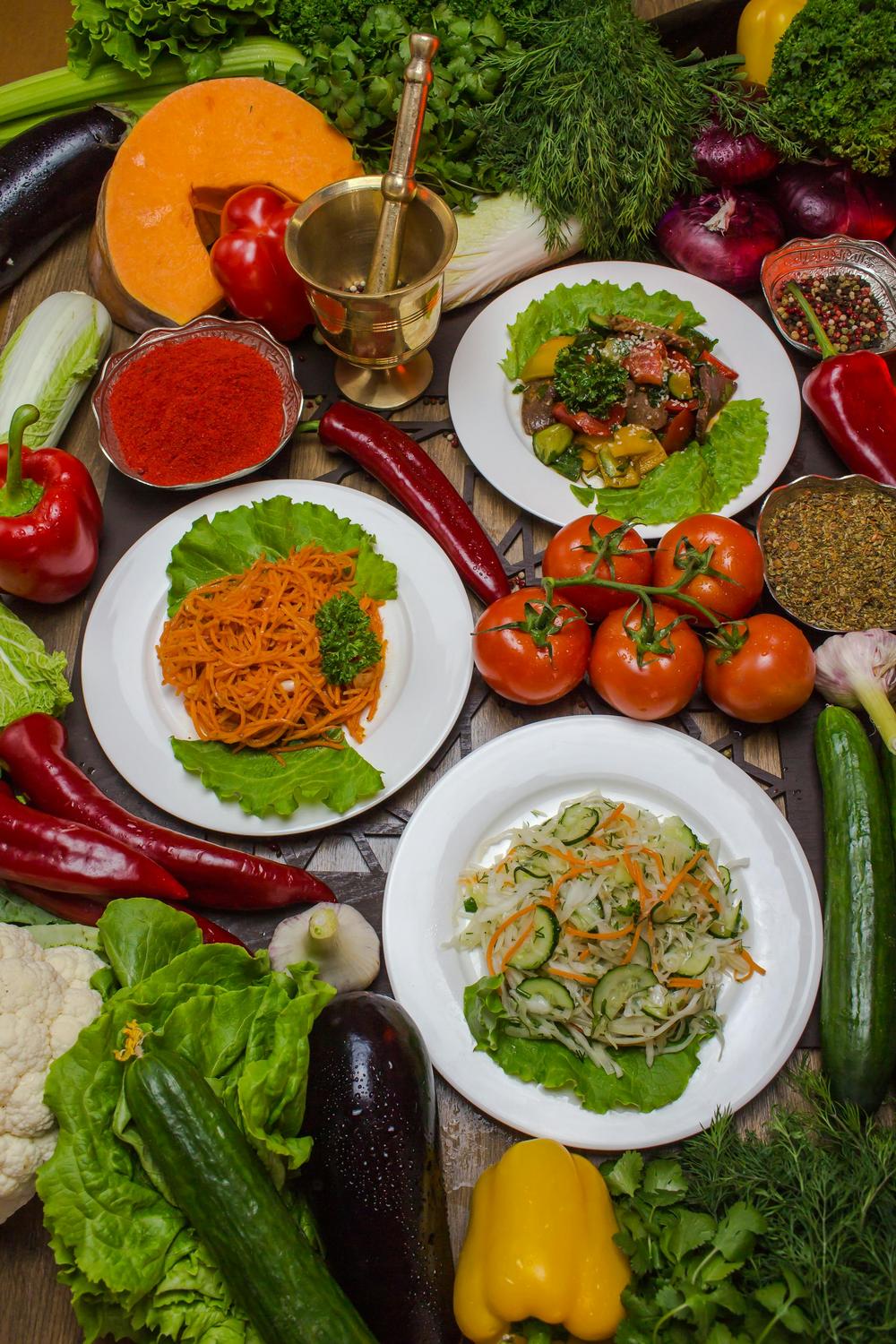
The mental burden of planning dinner every night weighs heavily on Australian households. By 5pm, the familiar question resurfaces: “What’s for dinner?” When meal fatigue sets in, nutritional quality often deteriorates as convenience overrides intention. Research demonstrates that 53% of people plan dinner within an hour of eating it, leaving minimal time for thoughtful preparation and significantly increasing the likelihood of less nutritious choices.
Why Does Meal Planning Without Repeats Matter for Your Health?
The scientific foundation for meal planning extends beyond convenience into measurable health outcomes. A comprehensive study examining 40,554 French adults found that 57% of participants planned meals at least occasionally, and those who engaged in regular meal planning demonstrated significantly higher diet quality scores. Specifically, meal planners showed 25% higher food variety scores compared to those who didn’t plan their meals systematically.
The relationship between meal planning and body weight presents particularly compelling evidence. Women who consistently plan meals demonstrated 21% lower odds of being overweight and 28% lower odds of obesity. In men, the association remained significant with 19% lower odds of obesity. These outcomes emerge not from restriction, but from the structured approach meal planning provides for making deliberate food choices.
Nutritional diversity serves as the cornerstone of optimal health. Different foods deliver distinct combinations of vitamins, minerals, phytonutrients, and fibre that your body requires for proper functioning. The World Health Organisation recommends consuming diverse ranges across food groups to prevent nutrient deficiencies and chronic illnesses. Research demonstrates that individuals regularly incorporating 16-17 different healthy foods experience 42% lower mortality risk compared to those consuming fewer variety.
When you eat the same meals repeatedly, micronutrient gaps develop despite adequate caloric intake. Your body requires approximately 40 different nutrients—vitamins, minerals, amino acids, and essential fatty acids—that no single food provides comprehensively. Rotating through different proteins, vegetables, grains, and preparations throughout the week ensures adequate intake of folate, vitamin A, zinc, omega-3 fatty acids, and numerous other essential compounds that support immune function, cellular repair, and metabolic health.
How Does Dietary Variety Support Weight Management Goals?
The connection between meal planning for no-repeat dinners and weight management operates through multiple mechanisms. In a 40-week behavioural weight loss programme involving 139 participants, higher average meal planning frequency across the intervention period predicted greater weight reduction outcomes. Each incremental increase in meal planning frequency associated with measurable weight loss, suggesting that consistent planning—rather than occasional efforts—drives results.
Dietary variety enhances weight management by preventing the monotony that often leads to abandoning healthy eating patterns. When meals become repetitive, psychological fatigue undermines adherence to nutritional goals. The resulting “diet fatigue” frequently precipitates return to less structured eating patterns, undoing previous progress. Diverse meal preparation maintains engagement with the eating process whilst naturally encouraging consumption of nutrient-dense foods across multiple food groups.
The gut microbiome responds favourably to dietary diversity. Multiple studies demonstrate positive associations between the variety of foods consumed and microbiome composition diversity. A diverse microbial community supports metabolic health, influences appetite regulation, and affects how your body extracts energy from food. Greater microbiome diversity correlates with better disease prevention outcomes and may influence body weight regulation through complex metabolic pathways.
Australian Dietary Guidelines emphasise variety within and across five major food groups: vegetables and legumes (at least 5 serves daily), fruit (2 serves daily), grain foods preferably wholegrain (4-6 serves daily), lean proteins including meat, fish, eggs, tofu, nuts and legumes (2.5-3 serves daily), and dairy or alternatives (2.5-4 serves daily). Planning no-repeat dinners naturally facilitates meeting these recommendations by rotating through different foods within each category throughout the week.
What Strategies Ensure No-Repeat Dinners Throughout the Week?
Implementing a practical framework transforms meal planning from an overwhelming task into a manageable system. Theme-based planning provides structure whilst maintaining variety: designate Monday for plant-based meals, Tuesday for Mexican-inspired dishes, Wednesday for poultry preparations, Thursday for pasta variations, Friday for Asian cuisine, and weekend meals for experimenting with new recipes or accommodating social commitments.
The following comparison illustrates how strategic planning increases dietary diversity:
| Meal Planning Approach | Number of Different Proteins Weekly | Vegetable Variety | Cooking Methods | Cuisine Types |
|---|---|---|---|---|
| Repetitive Planning | 2-3 | 4-6 | 2-3 | 1-2 |
| Theme-Based No-Repeat Planning | 5-7 | 10-15 | 5-6 | 4-5 |
| Impact on Nutritional Adequacy | Lower micronutrient diversity | Limited phytonutrient exposure | Reduced preparation engagement | Higher dietary boredom |
Cuisine exploration dramatically expands your meal repertoire without requiring extensive culinary expertise. Indian curries incorporate turmeric and diverse spices with lentils or chickpeas; Thai stir-fries combine fish sauce, lime, and fresh herbs with vegetables; Italian preparations feature tomatoes, olive oil, and beans; Middle Eastern wraps utilise tahini, hummus, and fresh vegetables; Asian noodle dishes incorporate soy-based sauces with varied proteins. Each cuisine tradition offers distinct nutrient profiles and flavour combinations that prevent meal repetition whilst meeting nutritional requirements.
Cooking method variation transforms the same ingredients into distinctly different meals. Chicken breast baked with Mediterranean herbs, grilled with teriyaki glaze, sautéed in curry sauce, slow-cooked in Mexican spices, or poached for Asian-style salads represents five entirely different dinner experiences from one protein source. Similarly, sweet potato can be roasted, mashed, spiralised into noodles, cubed for curries, or sliced for gratins—each preparation offering unique textures and pairing possibilities.
Seasonal ingredient incorporation ensures freshness whilst naturally rotating foods throughout the year. Summer’s tomatoes, zucchini, and stone fruits give way to autumn’s pumpkin, Brussels sprouts, and apples, followed by winter’s root vegetables and citrus, then spring’s asparagus and berries. Planning around 2-3 seasonal ingredients weekly creates natural variation without conscious effort to avoid repetition.
Maintaining a digital or physical recipe database organised by cuisine type, protein source, and preparation time prevents the paralysis of unlimited choice. Tag recipes with attributes like “quick weeknight,” “batch-friendly,” or “uses pantry staples” to facilitate meal selection during planning sessions. Regularly reviewing your meal history prevents inadvertently repeating recent dinners whilst identifying successful recipes worthy of rotation back into the plan after several weeks.
How Can You Balance Meal Planning With Time and Budget Constraints?
The perception that meal planning requires excessive time contradicts evidence showing planning actually reduces overall time investment. One comprehensive planning session weekly replaces multiple daily decision-making episodes whilst streamlining grocery shopping through organised lists. Batch cooking on Sunday—preparing components like roasted vegetables, cooked grains, marinated proteins, or complete dishes—transforms weeknight dinner preparation into simple assembly rather than full cooking sessions.
Budget considerations make meal planning more appealing, not less. Planning meals before shopping prevents impulse purchases that inflate grocery bills without contributing to meal goals. Coordinating meal plans with grocery sales circulars and seasonal availability maximises value whilst maintaining variety. Buying proteins in bulk when discounted, then portioning and freezing for future use, provides both financial savings and planning flexibility.
Strategic ingredient overlap between meals reduces costs without creating repetition. Purchase one whole chicken: roast half for Monday dinner, use breast meat for Wednesday stir-fry, shred remaining meat for Friday wraps, and simmer bones for soup stock. Similarly, one bunch of kale serves as salad base Monday, soup component Wednesday, and pasta addition Friday—three distinctly different preparations from one purchase.
Australian households can expect home-prepared meals to cost significantly less than dining out or ordering takeaway, even when selecting quality ingredients. The cumulative savings from planned home cooking typically offset the upfront time investment within the first fortnight, whilst delivering superior nutritional outcomes. Planning around affordable proteins like eggs, legumes, and tinned fish during some dinners allows budget allocation toward higher-quality ingredients for other meals within the weekly plan.
Food safety practices ensure planned meals remain safe throughout the week. Cooked meals stored properly at 4°C or below maintain quality for 3-4 days for most preparations including cooked meats, fish, poultry, soups and stews. Cooked beans extend to 5 days, whilst chopped vegetables in airtight containers remain fresh for one week. Freezing at -18°C or below preserves soups and stews for 2-3 months, cooked meats for 3-6 months, and blanched vegetables for 8-12 months—enabling advanced preparation without compromising food safety.
What Role Does Portion Control Play in Weekly Meal Planning?
Portion management integrated with meal planning amplifies weight management outcomes beyond either strategy alone. Research documents that doubling food portions increases consumption by approximately 35%, whilst large portions presented consistently increase daily food intake by roughly 423 kilocalories. These effects occur largely outside conscious awareness, making planned portion control particularly valuable.
The plate method provides visual portion guidance without requiring weighing or measuring: dedicate half your plate to non-starchy vegetables, one quarter to protein sources, and one quarter to complex carbohydrates. This ratio naturally moderates energy density whilst ensuring adequate nutrient intake across food groups. Planning meals around this template during weekly preparation prevents portion creep that often develops when serving food reactively.
Clinical trials demonstrate that portion-controlled approaches combined with meal planning produce meaningful results. Participants provided with portion-controlled prepared foods achieved 8.6% weight reduction compared to 6.0% in standard self-selected diet groups over 12 weeks. Importantly, detailed meal plans with specific portions proved as effective as providing actual portioned foods, suggesting that planning itself—when sufficiently structured—enables appropriate portion selection.
Hand-based portion estimation offers portable guidance: a palm-sized portion for protein sources (approximately 85-115g cooked meat, fish, or poultry), a cupped hand for vegetables or fruit (about one serve), a fist for carbohydrate portions (roughly one serve of grains or starchy vegetables), and a thumb for added fats. These references translate across different foods and situations, supporting consistent portions even when away from home.
Pre-portioning meals during preparation eliminates in-the-moment decisions about serving sizes. Dividing a batch-cooked curry into individual containers before refrigerating removes the temptation to serve additional helpings. Similarly, pre-cutting vegetables into snack portions supports planned consumption rather than unstructured grazing. These small systems integrate portion control into meal planning workflow rather than requiring ongoing willpower.
How Do You Sustain Meal Planning as a Long-Term Habit?
Behaviour change research reveals that consistency in meal planning frequency predicts success more reliably than intensity. Individuals who plan moderately every week achieve better outcomes than those who plan extensively for several weeks then discontinue. This pattern suggests that sustainable meal planning requires viewing the practice as an ongoing system rather than a temporary intervention.
Starting with manageable scope prevents overwhelm that often derails new habits. Planning dinners only for 3-4 days initially, rather than a full week, reduces decision burden whilst establishing the routine. As the practice becomes familiar, extending to full-week planning occurs naturally without triggering resistance. Similarly, beginning with simpler recipes that require fewer ingredients and less preparation time builds confidence before advancing to more complex preparations.
Visual planning tools transform abstract intentions into concrete commitments. Posting the week’s meal plan on the refrigerator eliminates repeated questions about dinner plans whilst allowing household members to anticipate upcoming meals. Digital meal planning applications offer similar visibility with additional features like automatic shopping list generation, recipe storage, and nutrition tracking. Regardless of format, visible plans reduce decision fatigue and increase follow-through.
Family involvement enhances adherence through shared ownership of meal decisions. Including household members in weekly planning discussions, allowing children to select vegetables or choose between two protein options, or rotating who chooses Friday dinner creates engagement beyond a single person’s preferences. This collaborative approach also distributes meal preparation responsibilities, preventing burnout from solo execution of all planning and cooking tasks.
Flexibility within structure prevents abandonment when life disrupts plans. Building 1-2 “flex nights” into weekly plans accommodates unexpected schedule changes, leftover consumption, or social invitations without perceiving the meal plan as failed. Viewing these adjustments as expected rather than failures maintains long-term adherence. Similarly, establishing simple backup meals—frozen soup, eggs with vegetables, or pantry pasta—provides acceptable alternatives when planned meals become impractical.
Regular review sessions strengthen the planning habit whilst continuously improving meal selection. Spending 10 minutes weekly noting which meals worked well, which consumed excessive time, and which family members enjoyed creates institutional knowledge that refines future planning. This reflective practice also identifies creeping repetition, enabling course correction before variety diminishes substantially.
Building Your Sustainable Meal Planning System
The evidence supporting meal planning for a week of no-repeat dinners extends beyond convenience into fundamental health outcomes. Research consistently demonstrates that individuals who systematically plan meals achieve higher diet quality scores, consume greater food variety, and maintain healthier body weights compared to those who plan reactively or not at all. The Australian Dietary Guidelines’ emphasis on variety across five food groups aligns perfectly with the no-repeat dinner approach, naturally encouraging rotation through different proteins, vegetables, grains, and preparations.
Implementing this system requires initial effort—selecting recipes, creating shopping lists, dedicating preparation time—but returns compound over subsequent weeks. The time invested in Sunday planning sessions eliminates daily dinner decisions, reduces grocery shopping frequency, minimises food waste, and decreases reliance on less nutritious convenience options. These operational efficiencies support the primary goal: consuming diverse, nutrient-dense foods that nourish your body whilst supporting healthy weight management.
The relationship between meal planning frequency and weight outcomes appears dose-dependent. Each incremental increase in consistent planning associates with measurable improvements, suggesting that even imperfect implementation delivers value. Starting with three planned dinners weekly provides substantially more benefit than zero planned meals, even if not achieving the full seven-day ideal immediately. This graduated approach respects the learning curve whilst establishing sustainable practices.