


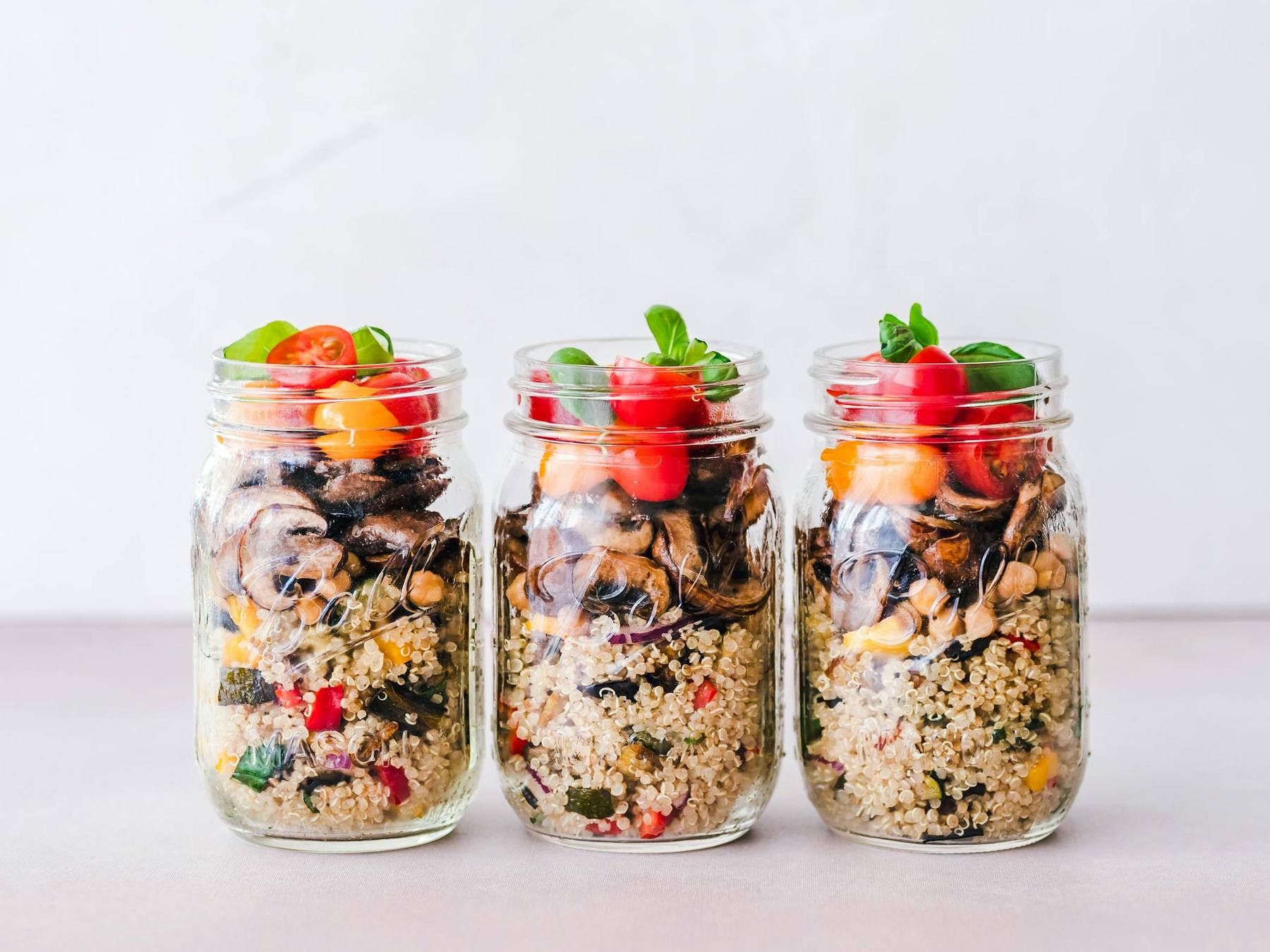
The statistics reveal a sobering reality: only 6.5% of Australian adults meet the recommended daily vegetable intake. Despite knowing that vegetables are essential for health and weight management, the gap between intention and action remains vast. Between demanding work schedules, family commitments, and decision fatigue at meal times, healthy eating often becomes the first casualty of busy modern life.
Mason jar salads offer a practical solution to this challenge. These perfectly portioned, nutritionally balanced meals can be prepared in advance, stored safely for up to five days, and grabbed when hunger strikes—eliminating the exact moment when poor food choices typically occur. For individuals managing their weight, this combination of convenience and nutrition represents more than meal preparation; it’s a structured approach that supports consistent, healthy eating patterns crucial for achieving and maintaining weight management goals.
What Makes Mason Jar Salads Effective for Weight Management?
Mason jar salads function as a strategic tool in weight management through several evidence-based mechanisms. The vertical layering technique in glass jars creates distinct separation between wet and dry ingredients, maintaining freshness for 4-5 days when stored properly at 5°C or below. This extended viability eliminates the daily decision-making around meals, reducing opportunities for impulse food choices during vulnerable moments.
The structure of mason jar salads addresses fundamental principles of satiety and nutrition. Research from Pennsylvania State University demonstrates that consuming a fixed amount of low-energy-dense salad before a main course reduces overall meal energy intake by 11%. The high water content of vegetables, combined with dietary fibre and adequate protein, creates substantial volume with moderate calorie density—the ideal formula for feeling satisfied whilst managing energy intake.
Pre-portioning ingredients into individual jars provides automatic portion control without requiring constant vigilance. Each jar becomes a complete, balanced meal containing approximately 1-2 cups of leafy greens, ½ cup of colourful vegetables, ½ cup of protein, and measured amounts of healthy fats from dressings, nuts, or seeds. This removes the guesswork from serving sizes and creates accountability through visible, measurable portions.
Research published in behavioural weight loss studies confirms that higher meal planning frequency correlates with greater weight loss outcomes. Participants who consistently planned meals showed 11-40% better weight loss results compared to those with sporadic planning habits. Mason jar salads transform planning from an abstract concept into tangible, ready-to-eat meals.
How Should You Layer Mason Jar Salads for Maximum Freshness?
The fundamental principle governing mason jar salad success is simple: wet ingredients at the bottom, dry ingredients at the top. This prevents osmosis—the process by which moisture migrates from wet to dry foods, causing lettuce to wilt and lose its crisp texture. Proper layering maintains structural integrity and nutritional quality throughout the storage period.
The Essential Six-Layer System
Layer 1: Salad Dressing (Bottom)
Pour 2-3 tablespoons of dressing into the jar first, creating approximately a 1.5 cm layer at the bottom. Vinaigrette-based dressings distribute more effectively than thick, creamy varieties. This foundation keeps moisture isolated from other ingredients until serving.
Layer 2: Hearty Vegetables
Add approximately ½ cup of sturdy vegetables that benefit from marinating: cherry tomatoes, cucumber, carrots, capsicum, celery, broccoli, or mushrooms. These vegetables act as a protective barrier between the dressing and delicate greens whilst actually improving in flavour during storage.
Layer 3: Protein and Cheese
Include ½ cup of your chosen protein source—grilled chicken, canned tuna, hard-boiled eggs, chickpeas, lentils, tofu, or lean beef. Add 2 tablespoons of cheese if desired: feta, cheddar, goat cheese, or parmesan. This layer provides satiety and muscle-preserving nutrients critical during weight management.
Layer 4: Grains (Optional)
Incorporate ¼ cup of completely cooled cooked grains: quinoa, brown rice, farro, barley, or wholegrain pasta. Grains add complex carbohydrates for sustained energy and additional dietary fibre.
Layer 5: Toppings
Reserve 2 tablespoons for nuts, seeds, or dried fruit. Consider storing crunchy elements separately and adding just before eating to maintain optimal texture.
Layer 6: Leafy Greens (Top)
Pack 1-2 cups of lettuce, spinach, kale, rocket, or mixed greens tightly at the top. Dense packing minimises air exposure and prevents ingredients from shifting during transport. The greens remain completely separated from moisture at the bottom of the jar.
This layering sequence isn’t merely preference—it’s the scientifically supported method for maintaining salad quality. Research confirms that properly layered salads retain their crisp texture even after seven days of refrigeration, though food safety guidelines recommend consuming salads containing cooked proteins within 2-3 days.
What Are the Food Safety Requirements for Meal Prep Salads?
Food Standards Australia New Zealand (FSANZ) establishes clear parameters for safely storing prepared meals. Understanding these guidelines prevents foodborne illness and ensures your meal prep efforts support rather than compromise your health.
The temperature danger zone—5°C to 60°C—represents the range where bacteria multiply most rapidly. High-risk foods should never remain in this zone for more than four hours total. Your refrigerator must maintain temperatures at 5°C or colder; verify this with an appliance thermometer rather than assuming correct temperature.
Storage Duration Guidelines
Different ingredients require varying storage timeframes:
- Vegetarian mason jar salads: 4-5 days at 5°C or colder
- Salads with cooked chicken or fish: 2-3 days maximum at 5°C or colder
- Salads with hard-boiled eggs or cheese: 4-5 days at 5°C or colder
- Salads with avocado or fresh apple: 1-2 days maximum at 5°C or colder
- Cooked grains: 3-4 days at 5°C or colder
Classify these salad components as high-risk and handle accordingly. Label each jar with the preparation date and contents, and consume salads with cooked proteins first, saving vegetarian options for later in the week.
Cross-contamination prevention requires dedicated attention. Wash hands thoroughly before food preparation, store raw vegetables separately from cooked proteins, use clean utensils and cutting boards for each ingredient category, and rinse all fresh vegetables under running water. Store completed jars upright to prevent dressing leakage that could contaminate other foods.
Which Ingredients Create the Most Nutritious Mason Jar Salads?
Australian Dietary Guidelines recommend 5-6 serves of vegetables daily for adults, yet 93.5% of Australians fail to meet this target. Mason jar salads provide a practical pathway to closing this nutritional gap whilst supporting weight management objectives.
Nutritional Powerhouse: Leafy Greens
Dark leafy greens deliver concentrated nutrition in minimal calories. Spinach, kale, and rocket provide vitamins A, C, and K, with romaine lettuce supplying more than double the daily recommended vitamin A in a 100g serving. These greens also provide antioxidants, lutein, and zeaxanthin, compounds that support eye health, while dietary fibre promotes digestive health and stable blood glucose levels.
Strategic Protein Selection
Protein inclusion is critical for weight management success. Adequate protein preserves lean muscle mass and supports appetite control. Mason jar salads may include portions of cooked poultry, legumes, hard-boiled eggs, or Greek yoghurt to ensure optimal protein intake.
Enhancing Nutrient Absorption
Including healthy fats alongside vegetables significantly enhances the absorption of fat-soluble nutrients. Olive oil-based dressings, avocado, nuts, and seeds can increase the absorption of carotenoids from vegetables, making the salad not only delicious but also more nutritious.
Cardiovascular Benefits
Research indicates that regular consumption of fruits and vegetables can reduce coronary heart disease risk. Mason jar salads enable the convenient intake of fresh produce, ensuring a steady supply of essential vitamins and antioxidants for cardiovascular health.
What Recipe Combinations Work Best for Weekly Meal Prep?
Variety prevents meal prep fatigue whilst ensuring diverse nutrient intake. Organising salads around flavour themes creates cohesive meals and simplifies ingredient shopping. Consider preparing 3-5 different salad varieties weekly to maintain interest and nutritional balance.
Mediterranean Mason Jar Salad
This anti-inflammatory recipe combines romaine lettuce, spinach, cucumber, cherry tomatoes, red onion, and capsicum with chickpeas or feta cheese. Quinoa or farro adds texture, and a lemon herb vinaigrette ties the flavours together. Kalamata olives and pine nuts provide the finishing touch.
Southwest Protein Bowl
A robust option featuring mixed greens, corn, black beans, capsicum, cherry tomatoes, and red onion. Grilled chicken or additional black beans boost protein, while cheddar adds creaminess. A coriander-lime vinaigrette and a sprinkle of crushed wholegrain tortilla chips enhance the dish.
Asian-Inspired Salad
This recipe includes mixed greens, spinach, shredded carrots, purple cabbage, edamame, and cucumber. Grilled chicken or firm tofu provide protein, and brown rice serves as a hearty base. Sesame-ginger vinaigrette, sesame seeds, and cashews complete this vibrant salad.
Greek Salad
A classic combination of romaine lettuce and baby spinach with cucumber, tomatoes, red onion, and capsicum. Chickpeas or grilled chicken add protein, while feta brings creaminess. A Greek vinaigrette and kalamata olives round out the flavours.
Preparation Strategy
Dedicate 2-3 hours one day each week for batch preparation. An assembly-line approach—preparing proteins, cooking and cooling grains, washing and chopping vegetables, and mixing dressings in bulk—can significantly reduce daily meal stress. Whether using pre-cooked options or fresh ingredients, consistency in preparation is key.
How Do Mason Jar Salads Support Long-Term Weight Management?
The connection between meal planning and weight management extends beyond calorie reduction. Consistent preparation of mason jar salads removes the daily burden of decision-making, ensuring that healthy options are always available. This practice mitigates decision fatigue and supports metabolic regulation by promoting regular, nutrient-rich meals.
Mason jar salads are more than just a meal—they are a statement of commitment to long-term health. Each jar represents a thoughtful decision, one that aligns with weight management goals and an overall healthier lifestyle.
Moving Forward with Meal Prep Success
Mason jar salads are a practical application of evidence-based nutrition principles that support sustainable weight management. By adhering to proper layering techniques, food safety practices, and strategic ingredient choices, you can bridge the gap between nutritional knowledge and practical implementation. Start with a few jars for the week and gradually refine your process to enjoy healthier meals with less daily preparation stress.
How long do mason jar salads really stay fresh in the refrigerator?
Properly layered vegetarian mason jar salads maintain freshness for 4-5 days when stored at 5°C or below. Salads containing cooked chicken, fish, or seafood should be consumed within 2-3 days maximum. Always store jars upright, label them with the preparation date, and prioritize salads with high-risk proteins earlier in the week.
Can I freeze mason jar salads for longer storage?
Freezing is not recommended for mason jar salads containing fresh vegetables and leafy greens. The freezing process damages the texture of raw components. However, cooked items like grains, beans, or proteins can be frozen separately and combined with fresh ingredients when ready to eat.
What size mason jars work best for meal-sized salads?
Wide-mouth 1-litre (32-ounce/quart) mason jars are ideal for meal-sized salads as they provide ample space for proper layering. For smaller side salads, 500ml (pint) jars can be used, but wide-mouth jars generally allow easier packing and ingredient retrieval.
How do I prevent my mason jar salad from becoming soggy?
Prevent sogginess by strictly following the layering technique: start with dressing at the bottom, followed by hearty vegetables, protein, grains, and finish with tightly packed leafy greens on top. Avoid shaking or inverting the jar during storage, and add high-moisture ingredients like avocado just before eating.
Are mason jar salads actually cost-effective compared to buying lunch?
Yes, mason jar salads typically cost between AU$4-7 per serving when prepared at home, compared to AU$12-18 for purchased salads. Preparing multiple salads weekly not only saves money but also reduces food waste and supports healthier eating habits.