


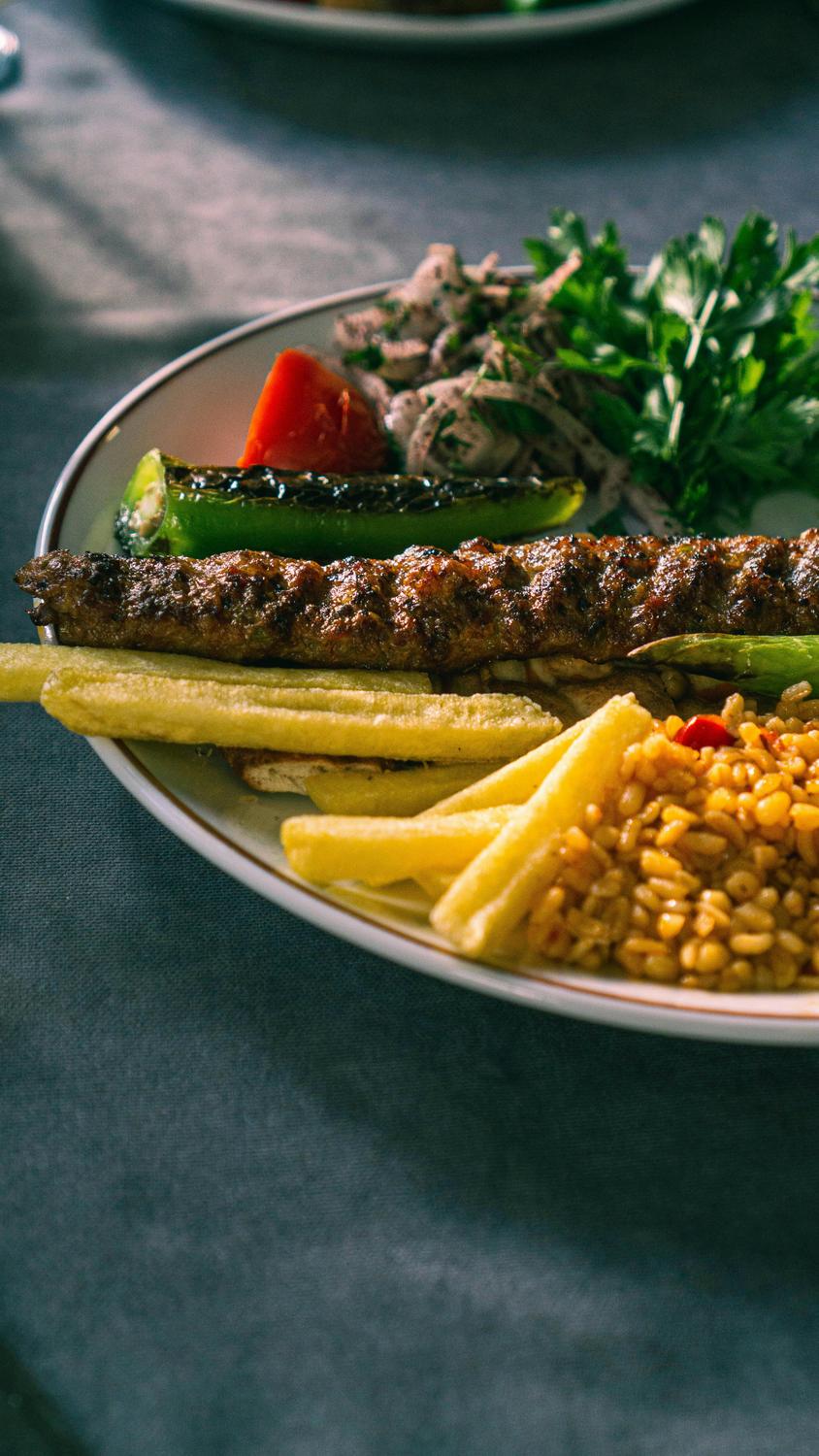
Summer afternoons around the barbecue represent quintessential Australian culture, yet they often pose significant challenges for individuals managing their weight. The aroma of sizzling meat, laden sides drenched in mayonnaise, and sugar-heavy sauces create an environment where caloric intake can escalate rapidly—sometimes exceeding daily requirements in a single meal. For the 67% of Australian adults who are overweight or obese, navigating outdoor BBQ recipes whilst maintaining dietary adherence presents a genuine clinical concern. The encouraging reality, however, is that grilling inherently supports weight management when approached strategically. Understanding the nutritional mechanics of barbecue cooking, selecting appropriate proteins and vegetables, and employing evidence-based preparation techniques transform outdoor dining from a dietary obstacle into a sustainable component of a comprehensive weight management approach.
Why Does Grilling Support Weight Management Better Than Other Cooking Methods?
Grilling fundamentally alters the nutritional profile of food through a mechanism that other cooking methods cannot replicate: the physical removal of excess fat. When meat is subjected to the high heat of a grill, adipose tissue melts and drips away from the food, reducing overall fat and caloric content. This contrasts sharply with pan-frying, where food sits in its own rendered fat, reabsorbing it throughout the cooking process.
The clinical implications are substantial. A 100g portion of grilled chicken breast contains approximately 165 calories and 3.6g of fat, whilst the same portion when fried (particularly if breaded) escalates to 250-320 calories with 12-18g of fat. Similarly, an 80/20 ground beef patty can lose up to 33% of its fat content during grilling. For individuals with a BMI of 27 or above seeking a caloric deficit—the fundamental requirement for weight reduction—these differences accumulate significantly over time.
Beyond fat reduction, grilling preserves nutrient integrity more effectively than boiling. Thiamine (Vitamin B1) and riboflavin (Vitamin B2), essential for energy metabolism, remain largely intact during grilling. Vegetables subjected to high-heat grilling for shorter durations retain substantially more Vitamin C than their boiled counterparts, where water-soluble vitamins leach into cooking liquid. Grilled broccoli, for instance, demonstrates superior Vitamin C retention compared to both steamed and baked preparations.
The protein content of grilled foods remains highly bioavailable, and the cooking method itself enhances palatability without requiring additional fats or sugars. This combination—reduced calories, preserved nutrients, and satisfying flavour—positions grilling as an optimal cooking technique for weight management protocols.
Which Lean Proteins Should You Choose for Your BBQ?
Protein selection forms the cornerstone of outdoor BBQ recipes that support weight management. The Australian Dietary Guidelines recommend 2.5-3 serves of lean meat and alternatives daily, with one standard serve constituting 65g of cooked lean red meat or 80g of cooked poultry. For individuals managing weight, prioritising protein sources with favourable protein-to-fat ratios maximises satiety whilst minimising caloric intake.
Optimal Protein Choices for Grilling
| Protein Source | Protein (per 100g) | Fat (per 100g) | Calories (per 100g) | Key Advantages |
|---|---|---|---|---|
| Skinless Chicken Breast | 31g | 3.6g | 165 | Highest protein-to-fat ratio; versatile |
| Turkey Breast | 29g | 2g | 135 | Exceptionally lean; mild flavour |
| White Fish (Cod, Haddock) | 20-25g | <1g | 90-110 | Minimal fat; omega-3 in fatty fish |
| Pork Tenderloin | 23g | 3.5g | 122 | Leanest pork cut available |
| Lean Beef Sirloin | 25g | 6g | 180 | Rich in iron; satisfying texture |
| Shrimp | 22g (per 85g) | 2g | 84-110 | Low calorie; convenient for skewers |
Poultry represents the leanest animal protein option, with skinless chicken breast providing 31g of protein with minimal fat. Whether skin is removed before or after grilling makes negligible difference to final fat content, though pre-removal prevents flare-ups from fat dripping onto flames.
Fish and seafood warrant particular attention. Salmon, whilst higher in fat than white fish, provides omega-3 fatty acids with cardiovascular benefits. White fish varieties—cod, tilapia, haddock—deliver complete protein profiles with less than 1g of fat per 100g, making them exceptionally compatible with caloric restriction. Shrimp offers convenience for kebabs whilst maintaining an impressive 22g of protein per 85g serving.
For red meat selection, cuts containing “loin” or “round” in their nomenclature indicate leaner options. Beef tenderloin, sirloin, and eye of round provide satisfying texture and flavour whilst maintaining reasonable fat content. When selecting ground beef, opt for 90-95% lean varieties. Conversely, prime rib, rib-eye, and processed meats (sausages, bacon) contain excessive saturated fat and should be minimised.
Vegetarian alternatives include firm tofu (9g protein per 85g), portobello mushroom caps that provide a meaty texture, and legume-based preparations. These options eliminate saturated fat concerns whilst delivering plant-based protein and fibre.
Portion control remains clinically significant. A standard serving of 85-115g cooked meat—approximately the size of a deck of cards—provides adequate protein without excessive intake. Research demonstrates that protein increases satiety hormones and suppresses ghrelin (the appetite-stimulating hormone), potentially reducing appetite by up to 12% at subsequent meals. For weight management, distributing protein across meals rather than concentrating it supports sustained satiety and muscle preservation during caloric restriction.
How Can You Build a Balanced BBQ Plate That Supports Weight Loss?
Constructing a nutritionally balanced plate at outdoor gatherings requires strategic composition. The Australian Dietary Guidelines emphasise variety across five food groups, with particular attention to vegetable intake (minimum 5 serves daily for adults, where one serve equals 75g or approximately one cup of raw salad vegetables).
The Evidence-Based Plate Formula
- Begin with protein (85-115g): Position lean grilled protein as the plate foundation. This promotes satiety through prolonged digestion and the thermic effect of protein metabolism.
- Dedicate half the plate to vegetables: Grilled or fresh salad vegetables provide volume, fibre, and micronutrients with minimal caloric contribution. Aim for a variety of colours—bell peppers, zucchini, asparagus, tomatoes, leafy greens.
- Include one starchy carbohydrate: Whole grain options (brown rice salad, quinoa, sweet potato) provide sustained energy and additional fibre. One serve equals ½ cup cooked grain (approximately 75g).
- Add a thumb-sized portion of healthy fat: Avocado slices, a small handful of nuts, or an olive oil-based dressing provides essential fatty acids and enhances fat-soluble vitamin absorption.
- Prioritise water as the primary beverage: Eliminating sugar-sweetened soft drinks and limiting alcohol prevents liquid calorie accumulation—a common oversight at social gatherings where beverages can contribute 300-500 additional calories without triggering satiety mechanisms.
This composition aligns with evidence demonstrating that high-protein, high-fibre meals extend satiety duration and reduce subsequent food intake. The substantial vegetable component leverages volume eating principles—maximising plate fullness with nutrient-dense, low-calorie foods that trigger gastric stretch receptors, signalling fullness to the brain.
Practical Application at BBQ Gatherings
Social eating contexts present unique challenges. Arriving at gatherings with appropriate hunger (neither ravenous nor completely satiated) supports rational food selection. When possible, contribute a grilled vegetable platter or healthy side dish, ensuring that at least one aligned option exists. Fill your plate once with the balanced composition outlined above, then engage in conversation and activity rather than continuous grazing, which often occurs unconsciously at buffet-style gatherings.
What Are the Healthiest Marinades and Sauces for Calorie Control?
Traditional barbecue sauces frequently contain 10-15g of added sugar per two tablespoon serving, contributing approximately 40 calories from sugar alone—a discretionary food component the Australian Dietary Guidelines recommend limiting to one serve (approximately 600kJ) daily. Commercial marinades similarly introduce hidden sugars, sodium, and unnecessary calories that accumulate across a meal.
Evidence-based alternatives deliver robust flavour whilst supporting caloric restriction. Citrus-based marinades—combining lemon, lime, or orange juice with fresh herbs (rosemary, thyme, basil), minced garlic, and minimal olive oil—provide acid for tenderisation without added sugars. Apple cider vinegar offers similar benefits with negligible caloric contribution. Balsamic vinegar-based preparations deliver sweetness from natural grape must rather than added sugars.
Dry rubs represent a zero-calorie flavour enhancement strategy. Combinations of smoked paprika, cumin, coriander, garlic powder, onion powder, and dried herbs deliver complex flavour profiles without fat or sugar. A Mediterranean blend (oregano, thyme, rosemary with lemon zest) complements chicken and fish particularly well.
The HCA Reduction Advantage
Beyond caloric considerations, marinades provide a clinically significant benefit: the reduction of heterocyclic amines (HCAs), compounds formed when muscle meat undergoes high-temperature cooking. The American Institute for Cancer Research notes that marinating meat for a minimum of 30 minutes can reduce HCA formation by 41-96%. The antioxidants present in herb-based marinades—particularly rosemary and thyme—create a protective barrier during the grilling process. While exposure to HCAs from grilled meat remains approximately 1,000-fold lower than doses used in laboratory animal studies (per the National Cancer Institute), this preventive measure costs nothing and enhances flavour simultaneously.
For those requiring a sauce accompaniment, homemade versions eliminate problematic ingredients. A base of tomato paste, apple cider vinegar, Worcestershire sauce, and smoked paprika, sweetened minimally with stevia or monk fruit extract, delivers authentic BBQ flavour without sugar’s caloric burden.
Condiment selection warrants attention as well. Substituting Greek yoghurt for mayonnaise in coleslaw and potato salad reduces calories by approximately 80 per tablespoon whilst adding protein. Mustard provides negligible calories (approximately 3 per tablespoon) compared to mayonnaise’s 90 calories and 10g fat per equivalent serving.
Which Vegetables and Sides Keep Your BBQ Diet-Friendly?
Vegetables represent the nutritionally optimal barbecue component—they contribute no HCAs during grilling, provide essential fibre and micronutrients, and create plate volume with minimal caloric density. The Australian Dietary Guidelines’ emphasis on a minimum of 5 vegetable serves daily aligns perfectly with outdoor BBQ recipes when vegetables receive equivalent attention to proteins.
Optimal Grilling Vegetables
Bell peppers (all colours) contain the highest Vitamin C content amongst commonly grilled vegetables and develop natural sweetness through caramelisation. Zucchini and asparagus grill efficiently, offering high water content and fibre. Portobello mushrooms provide a meaty texture suitable as burger replacements. Cauliflower, either as florets or thick “steaks,” delivers cruciferous vegetable benefits with anti-inflammatory compounds. Fresh corn retains natural sweetness superior to tinned, creamed versions.
Preparation technique influences nutrient retention. Grilling vegetables for shorter periods at high heat locks in vitamins whilst developing desirable char. Utilising aluminium foil with perforations prevents small pieces from falling through grates whilst still allowing smoke flavour penetration. Brushing vegetables lightly with olive oil prevents sticking without excessive fat addition—one tablespoon divided across 500g of vegetables contributes minimal calories per serving.
Side Dish Alternatives
Traditional barbecue sides—mayonnaise-heavy coleslaw, creamy potato salad, and sugary baked beans—constitute discretionary foods high in saturated fat and added sugars. Evidence-based alternatives include:
Greek Yoghurt-Based Coleslaw: Replace mayonnaise entirely with Greek yoghurt, apple cider vinegar, minimal honey, and celery seeds. This preparation eliminates approximately 450 calories per cup whilst adding protein.
Vinaigrette Potato Salad: Substitute mayo-based dressing with a light vinaigrette, incorporating fresh herbs, diced cucumber, and cherry tomatoes. The result maintains potato satisfaction whilst reducing fat content by 70%.
Whole Grain Salads: Quinoa, farro, or brown rice combined with grilled vegetables, fresh herbs, and lemon vinaigrette provides complex carbohydrates, fibre, and plant-based protein. These preparations travel well and can be prepared in advance.
Bean Salads: Combining various tinned beans (rinsed to reduce sodium) with diced peppers, red onion, corn, and a coriander-lime dressing delivers 20-25g protein per half-cup serving with substantial fibre—both supporting satiety and weight management.
Fresh Fruit Platters: Watermelon, berries, and stone fruits provide natural sweetness and antioxidants without added sugars, offering a refreshing contrast to savoury items.
How Do You Minimise Health Risks When Grilling?
Whilst grilling offers nutritional advantages, high-temperature cooking of muscle meat forms potentially harmful compounds—heterocyclic amines (HCAs) and polycyclic aromatic hydrocarbons (PAHs). Context remains important: exposure from typical grilled meat consumption is substantially lower than doses used in animal studies demonstrating harm. Nevertheless, evidence-based risk reduction strategies exist:
Ten Evidence-Based Grilling Techniques
- Marinate protein for 30+ minutes: The single most effective HCA reduction strategy (41-96% reduction).
- Precook in microwave: Sixty to ninety seconds of microwave heating reduces total high-heat exposure time.
- Select lean cuts: Less fat minimises dripping that creates PAH-laden smoke.
- Trim visible fat: Reduces flare-ups from fat contacting flames.
- Flip frequently: Distributes heat exposure evenly, preventing compound accumulation on one surface.
- Avoid charring: Cook at moderate temperatures targeting a golden-brown rather than blackened surface. Remove any charred portions before consumption.
- Utilise indirect heat: Position food away from direct flame when possible, particularly after initial searing.
- Line grill with perforated foil: Reduces direct flame contact whilst maintaining grill marks and smoke flavour.
- Prioritise vegetables: Load plates with grilled vegetable skewers that form no HCAs.
- Choose gas over charcoal when available: Gas grills produce fewer carcinogenic compounds due to reduced smoke generation.
Temperature accuracy ensures food safety without overcooking. Poultry requires a 75°C internal temperature, fish 63°C, and beef 52-71°C depending on desired doneness. Using a meat thermometer eliminates guesswork whilst preventing excessive cooking that degrades protein quality.
Making BBQ Part of Your Weight Management Strategy
Outdoor BBQ recipes need not represent dietary deviation. When approached with clinical understanding—prioritising lean proteins, maximising vegetable intake, controlling portions, and employing evidence-based cooking techniques—grilling becomes a sustainable component of long-term weight management. The method’s inherent fat reduction, nutrient preservation, and social acceptability address both physiological and behavioural aspects of weight loss.
The principles outlined—protein selection, plate composition, strategic sauce choices, and proper cooking techniques—translate Australian barbecue culture into an ally rather than an obstacle for individuals managing weight. These approaches don’t require elaborate preparation or exotic ingredients; they leverage grilling’s natural advantages whilst eliminating common pitfalls.
For those seeking structured support, medical weight management programmes integrate such practical strategies into comprehensive care. Understanding how to navigate social eating situations, including outdoor gatherings, contributes significantly to long-term success. Evidence demonstrates that sustainable dietary patterns—those incorporating enjoyable foods through healthier preparation methods—show superior adherence compared to restrictive approaches that eliminate entire food categories or social eating contexts.
The Australian climate and outdoor lifestyle make barbecue gatherings inevitable. Rather than viewing these as challenges requiring white-knuckle willpower, recognising that grilled lean proteins and vegetables align perfectly with weight management principles transforms them into opportunities for satisfying, nutritious meals that support rather than sabotage health goals.
Can I eat BBQ food every day and still lose weight?
Frequency matters less than composition. Daily consumption of lean grilled proteins with ample vegetables and controlled portions aligns with weight loss principles. It’s essential to focus on lean cuts, low-calorie sauces, and appropriate portion sizes.
Which is healthier for weight loss: chicken or beef on the BBQ?
Skinless chicken breast generally offers a superior protein-to-fat ratio, although lean cuts of beef can be effective when paired with controlled portions. Both can support weight loss when prepared correctly.
Should I remove chicken skin before or after grilling?
Removing the skin either before or after grilling results in virtually identical fat content in the meat. However, pre-removal is preferred to prevent flare-ups and excess smoke during cooking.
What are the best store-bought marinades for grilling if I don’t have time to make my own?
Look for marinades that have less than 3g of added sugars per serving and minimal sodium. Vinegar-based marinades with herbs and citrus are a good choice. Always check nutrition labels to avoid hidden sugars and excessive calories.
How do I stop grilled chicken from drying out without adding lots of oil or butter?
Use proper cooking techniques such as marinating to retain moisture, avoiding overcooking by using a meat thermometer, and allowing the chicken to rest after grilling. These steps help maintain juiciness without the need for extra fat.