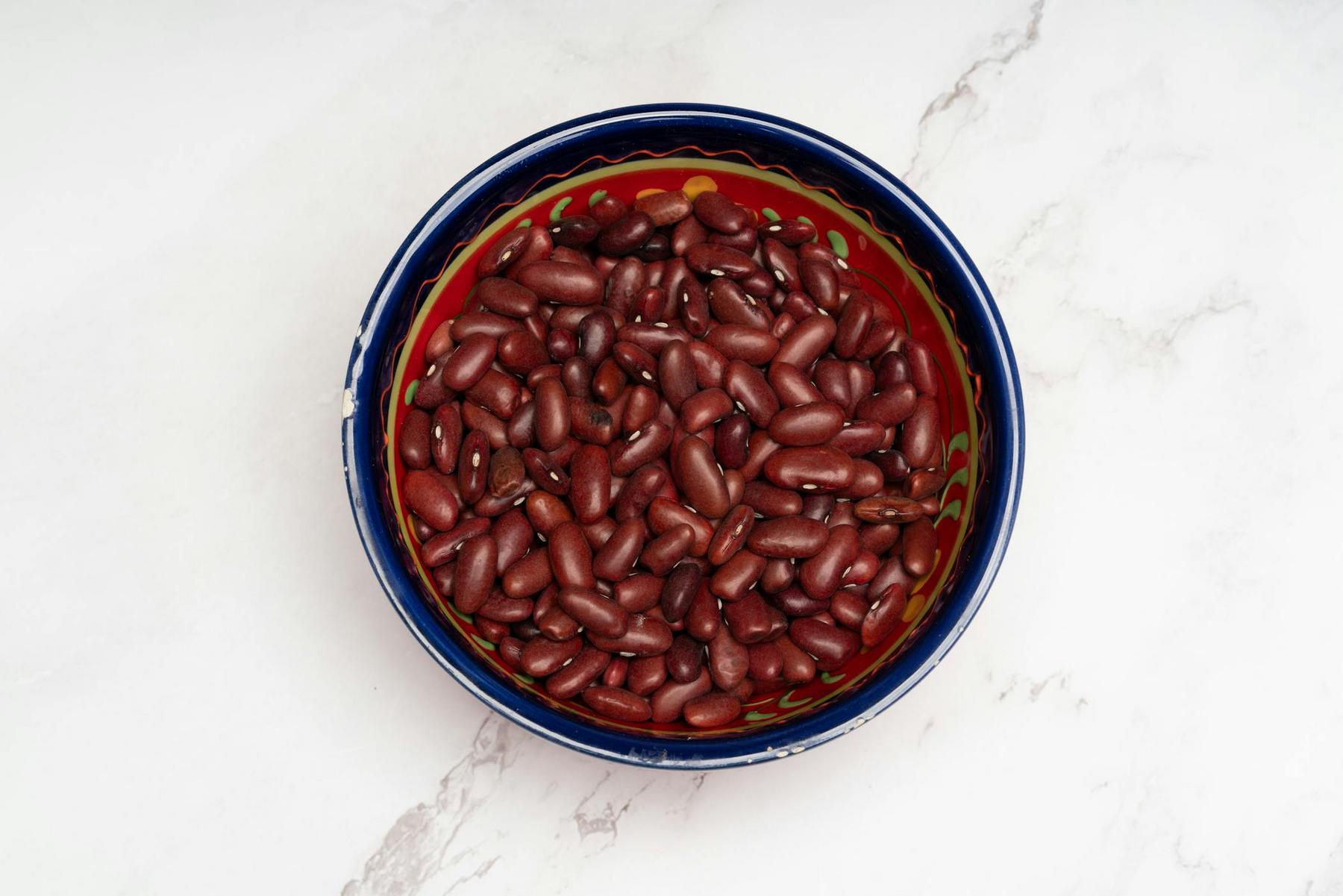
Achieving adequate protein intake whilst managing weight presents a significant challenge for many Australians. The persistent hunger, energy fluctuations, and muscle loss concerns associated with traditional calorie restriction often undermine even the most determined efforts. Yet emerging evidence demonstrates that plant-based meals packed with protein offer a scientifically validated pathway to sustained satiety, metabolic health, and body composition improvements—without the cardiovascular risks associated with high animal protein consumption.
Recent analysis of 112 randomised clinical trials confirms that plant-based protein sources reduce LDL cholesterol, apolipoprotein B, and blood pressure markers compared to animal alternatives. For the 25% of Australians now choosing plant-based proteins regularly, understanding how to construct nutritionally complete, protein-dense meals represents essential knowledge for optimising health outcomes.
What Makes Plant-Based Proteins Complete for Human Nutrition?
Protein quality hinges on two critical factors: amino acid profile and digestibility. The human body requires nine essential amino acids—histidine, isoleucine, leucine, lysine, methionine, phenylalanine, threonine, tryptophan, and valine—that cannot be synthesised internally. Complete proteins contain all nine in adequate proportions.
The scientific assessment of protein quality employs two validated methodologies. The Protein Digestibility Corrected Amino Acid Score (PDCAAS), developed in 1989, scores proteins from 0 to 1.00. The more recent Digestible Indispensable Amino Acid Score (DIAAS), introduced by the FAO in 2011, provides enhanced accuracy and permits scores exceeding 1.00.
Soy protein achieves a PDCAAS of 1.00, matching animal proteins in quality. Other high-performing plant sources include pea protein (0.83-0.91), quinoa (0.78-0.89), and chickpeas (0.77-0.85). Whilst individual plant proteins may contain limiting amino acids, metabolic research demonstrates that consuming varied protein sources within a three-hour window ensures complete amino acid availability. This physiological reality eliminates the necessity for simultaneous protein complementation at each meal.
Legumes typically provide abundant lysine but limited methionine and cysteine (sulphur-containing amino acids). Grains exhibit the inverse profile—adequate sulphur amino acids but insufficient lysine. Strategic combinations throughout the day, such as beans with rice or hummus on wholegrain toast, create complete amino acid profiles supporting protein synthesis and metabolic function.
How Much Protein Do Plant-Based Meals Need to Deliver?
General population requirements stand at 0.8 grams per kilogram of body weight. A 70-kilogram individual requires approximately 56 grams daily. However, plant-based populations often benefit from 10-20% higher intake due to the marginally lower bioavailability of certain plant proteins compared to animal sources.
Older adults aged 70 and above require 1.0 gram per kilogram to counteract age-related muscle loss. Athletes and physically active individuals necessitate 1.4-3.0 grams per kilogram, contingent on training intensity and body composition objectives.
Protein Content Comparison of Common Plant Sources:
| Food Source | Protein per Serving | Serving Size | PDCAAS Score |
|---|---|---|---|
| Tempeh | 15g | 85g (3oz) | 0.99-1.00 |
| Tofu (firm) | 8g | 85g (3oz) | 0.99-1.00 |
| Edamame | 7g | 75g (½ cup) | 0.99-1.00 |
| Lentils (cooked) | 9g | 100g | 0.73-0.80 |
| Chickpeas (cooked) | 7g | 100g | 0.77-0.85 |
| Quinoa (cooked) | 4g | 100g | 0.78-0.89 |
| Pea protein isolate | 20g | 25g | 0.83-0.91 |
Plant-based meals packed with protein effectively support muscle maintenance when constructed with adequate total protein intake. Research examining pea protein supplementation (25 grams twice daily over 12 weeks) demonstrated biceps muscle thickness increases equivalent to whey protein during resistance training. The critical consideration involves consuming sufficient total protein to reach the leucine threshold necessary for muscle protein synthesis—approximately 2.5 grams of leucine per meal.
Which Plant-Based Meals Optimise Protein Density and Satiety?
Protein density—grams of protein per 100 calories—determines how effectively meals promote satiety whilst supporting weight management objectives. Pea protein delivers over 12 grams per 100 calories, whilst legumes provide 18-31% protein by dry weight.
High-Protein Plant-Based Meal Frameworks:
Breakfast Options:
- Tofu scramble (200g firm tofu) with spinach, tomatoes, and nutritional yeast provides approximately 20 grams of protein
- Overnight oats (50g oats, 30g pea protein powder, 30g ground flaxseed, berries) delivers 35+ grams
- Tempeh breakfast hash with sweet potato and kale supplies 25 grams per serving
Lunch Compositions:
- Buddha bowl: quinoa base (100g cooked), chickpeas (150g), tahini dressing (2 tablespoons), mixed vegetables provides 22 grams
- Lentil soup (300ml) with wholegrain bread and hemp seed garnish (3 tablespoons) delivers 28 grams
- Tempeh and brown rice bowl with edamame and sesame dressing supplies 30+ grams
Dinner Constructions:
- Black bean and pea protein burger (homemade, 150g) with wholegrain bun and side salad provides 30 grams
- Tofu stir-fry (200g extra-firm tofu) with cashews (30g), vegetables, and rice noodles delivers 28 grams
- Lentil dal (200g cooked lentils) with brown rice (150g cooked) and cucumber raita supplies 26 grams
The combination of legumes with grains remains fundamental to plant-based meal construction. Beans provide lysine whilst rice contributes sulphur amino acids, creating complete protein profiles. Similarly, pea and rice protein blends achieve a PDCAAS of 1.00 when combined in 40-90% pea protein ratios.
What Health Benefits Distinguish Plant-Based Protein for Weight Management?
Large-scale epidemiological evidence demonstrates distinct metabolic advantages for plant-based protein consumption. Analysis of the NIH-AARP Diet and Health Study, encompassing 617,199 participants, revealed that substituting merely 3% of animal protein with plant alternatives associated with a 10% reduction in all-cause mortality.
Cardiovascular and Metabolic Effects:
Meta-analysis of 112 randomised clinical trials confirms that plant-based protein significantly reduces LDL cholesterol, non-HDL cholesterol, and apolipoprotein B levels compared to animal protein. Blood pressure reductions occur particularly in hypertensive populations consuming plant proteins.
The Nurses’ Health Study II demonstrated that 5% substitution of animal protein with plant alternatives linked to a 23% reduction in type 2 diabetes risk. Subsequent meta-analyses confirmed that replacing animal protein for at least 35% of total dietary protein improved HbA1c, fasting glucose, and fasting insulin levels.
Body Composition Outcomes:
The HELENA Study of European adolescents revealed that higher plant protein intake correlated with lower body fat percentages and BMI compared to high animal protein consumption. This effect persists across age groups, with plant-based dietary patterns associated with 2-3 kilogram weight reductions over 18-week periods. Vegan diets demonstrate 4-kilogram reductions over 12 weeks.
These outcomes reflect multiple mechanisms. Plant proteins inherently contain higher dietary fibre, promoting satiety, improved digestion, and beneficial gut microbiome modifications. The lower caloric density of plant protein sources facilitates energy deficit creation without compromising protein adequacy.
Renal Protective Properties:
Ten-year longitudinal data demonstrate that greater plant protein consumption associates with preserved kidney function (estimated glomerular filtration rate) among older women. Plant proteins generate lower dietary renal acid load compared to animal sources, with soy and rice proteins exhibiting particular renoprotective properties. This holds clinical significance for individuals with chronic kidney disease or those at elevated risk.
Cancer Risk Reduction:
Plant-based protein consumption associates with reduced colorectal cancer risk, particularly in individuals with specific genetic polymorphisms affecting fatty acid metabolism. Soy intake specifically correlates with 25% decreased breast cancer recurrence and 15% reduced mortality in survivors. Vegan dietary patterns demonstrate 15% lower total cancer incidence, whilst vegetarian diets show 8% reductions.
How Do Processing Methods Affect Plant Protein Quality?
Food processing significantly influences protein bioavailability and nutritional value. Most plant proteins demonstrate 73-97% digestibility, varying by source and processing methodology.
Enhancement Strategies:
Thermal processing through cooking increases digestibility by up to 18% over raw sources by denaturing proteins and reducing antinutrient content. Heat treatment diminishes phytic acid and trypsin inhibitors, improving amino acid absorption.
Fermentation represents traditional processing that substantially improves digestibility. Tempeh production through fungal fermentation reduces antinutrients whilst creating bioactive peptides with antioxidant, antimicrobial, and potential antitumour properties. Miso and other fermented soy products exhibit similar benefits.
Enzymatic hydrolysis breaks proteins into smaller peptides, enhancing absorption rates. Protein isolates—concentrated to 80-95% protein by weight—achieve digestibility rates exceeding 96% for soy isolates, approaching or matching animal protein bioavailability.
Antinutrient Considerations:
Phytates, lectins, and protease inhibitors naturally occurring in plant foods can reduce mineral absorption and protein digestibility. However, standard cooking methods largely eliminate these concerns. Moreover, at physiological doses, these compounds demonstrate health-promoting effects including blood glucose reduction, cholesterol lowering, and potential anti-cancer properties.
The practical implication: properly prepared plant-based meals packed with protein—cooked, fermented, or processed into isolates—provide highly bioavailable amino acids supporting muscle maintenance and metabolic function.
What Role Do Plant-Based Meals Play in Contemporary Weight Management?
Current weight management approaches increasingly recognise protein optimisation as central to successful outcomes. Adequate protein intake preserves lean muscle mass during energy restriction, enhances satiety, and increases the thermic effect of feeding.
The Melbourne Collaborative Cohort Study demonstrated that highest quartile animal protein intake associated with 1.67-fold increased metabolic syndrome risk, whilst highest quartile plant protein intake correlated with 0.60-fold risk (protective effect). This distinction holds particular relevance for individuals with elevated BMI.
Plant-based meals packed with protein offer strategic advantages within comprehensive weight management programmes. The inherent fibre content promotes gastric distension and delayed gastric emptying, extending satiety duration. Polyphenols and phytonutrients in legumes, whole grains, and nuts provide anti-inflammatory effects that may support metabolic health.
The Australian Dietary Guidelines explicitly recognise plant-based protein alternatives within the protein foods group, recommending 2.5-3 serves daily for women and 3 serves for men. One serve equals 150 grams of cooked legumes or 170 grams of tofu. The 2025 Australian Dietary Guidelines review prioritises recommendations for plant sources in preference to animal sources, reflecting evolving evidence on health and environmental sustainability.
For individuals managing weight with BMI ≥27, integrating plant-based protein strategies within medically supervised programmes demonstrates enhanced outcomes. The combination of protein adequacy, fibre density, and reduced saturated fat intake creates metabolic conditions favouring fat loss whilst preserving functional muscle mass.
Constructing Sustainable Plant-Based Protein Patterns
Global dietary protein supply now derives 57% from plant sources compared to 43% from animal products. This distribution reflects both nutritional understanding and sustainability imperatives. Plant protein production requires substantially less land, approximately 100-fold less water, and generates significantly lower greenhouse gas emissions than animal agriculture.
Australian populations benefit from diverse plant protein availability. Legumes, soy products, grains, nuts, seeds, and increasingly sophisticated plant-based alternatives provide accessible options across socioeconomic strata. Cost considerations often favour plant proteins, with dried legumes delivering exceptional protein value per dollar spent.
Practical implementation centres on variety. Consuming different beans, lentils, whole grains, pseudocereals (quinoa, amaranth), nuts, and seeds throughout the day ensures complete amino acid intake without complex calculation. The three-hour metabolic window for amino acid availability permits flexible meal timing rather than rigid complementation requirements.
Fortification addresses specific micronutrient considerations. Vitamin B12 supplementation remains essential for individuals following fully plant-based dietary patterns. Calcium-set tofu, fortified plant milks, and leafy greens provide calcium. Iron from plant sources (non-haem iron) requires concurrent vitamin C consumption for optimal absorption—easily achieved through vegetable-rich meal compositions.
Advancing Beyond Traditional Approaches
The convergence of nutritional science, metabolic research, and clinical outcomes data establishes plant-based meals packed with protein as evidence-based tools for health optimisation and weight management. The protective associations for cardiovascular disease, type 2 diabetes, certain cancers, and all-cause mortality—demonstrated across multiple large prospective cohorts—distinguish plant proteins as more than adequate alternatives to animal sources.
For Australians seeking sustainable weight management strategies, the integration of high-protein plant-based meals within structured healthcare approaches offers clinically validated benefits. The preservation of lean muscle mass, enhancement of satiety, reduction of metabolic syndrome risk factors, and support for long-term adherence position plant proteins as fundamental dietary components.
The evolution from viewing plant proteins as compromises to recognising them as preferred choices reflects scientific maturation. Quality assessment methodologies, bioavailability research, and long-term health outcome data collectively establish that properly constructed plant-based dietary patterns meet and often exceed nutritional adequacy whilst conferring additional health benefits through phytonutrient content and favourable metabolic effects.
Can plant-based meals provide enough protein for muscle maintenance during weight loss?
Research demonstrates that plant-based dietary patterns provide adequate protein for muscle preservation when total protein intake reaches 1.0-1.2 grams per kilogram of body weight. Studies examining pea protein supplementation at 25 grams twice daily showed muscle thickness increases equivalent to whey protein during resistance training. The key involves consuming sufficient total protein to achieve approximately 2.5 grams of leucine per meal, which triggers muscle protein synthesis. Combining complementary plant proteins throughout the day—such as legumes with grains, or using concentrated protein sources like tempeh, tofu, or pea protein isolates—effectively supports muscle maintenance whilst facilitating fat loss.
How do I ensure complete amino acid intake from plant-based meals?
Complete amino acid profiles occur when consuming varied plant protein sources within a three-hour metabolic window, eliminating the need for simultaneous protein complementation. Legumes (beans, lentils, chickpeas) provide abundant lysine but limited sulphur-containing amino acids, while grains, nuts, and seeds offer adequate methionine and cysteine but lower lysine. Soy products (tofu, tempeh, edamame) contain all nine essential amino acids in adequate amounts, qualifying as complete proteins. Incorporating different protein sources across daily meals—for example, oatmeal with nuts for breakfast, a hummus sandwich for lunch, and lentil curry with rice for dinner—ensures amino acid adequacy without complex calculation.
What quantity of plant-based protein do I need daily for weight management?
Daily protein requirements for weight management typically range from 1.2-1.6 grams per kilogram of body weight, which is higher than the general recommendation of 0.8 grams per kilogram. For a 70-kilogram individual managing weight, this translates to targeting approximately 84-112 grams of protein daily. Plant-based populations may require an additional 10-20% due to slightly lower bioavailability compared to animal proteins. Including concentrated protein sources at each meal—such as 200 grams of tofu, 150 grams of cooked lentils, or 25 grams of pea protein powder—helps distribute protein intake evenly for optimal muscle protein synthesis and satiety.
Are plant-based proteins safe for individuals with kidney concerns?
Longitudinal studies have shown that higher plant protein consumption is associated with preserved kidney function, as measured by estimated glomerular filtration rate, particularly among older adults. Plant proteins create a lower dietary renal acid load compared to animal proteins, with soy and rice proteins demonstrating renoprotective properties in research contexts. However, for individuals with existing chronic kidney disease, it is important to work with a renal dietitian to tailor protein quality and quantity while managing mineral intake.
How do plant-based protein meals compare in cost to animal-based alternatives?
Plant-based protein sources are typically more cost-effective compared to animal proteins. Dried legumes such as beans, lentils, and chickpeas offer high protein density at a minimal cost—often less than one-third the price per gram of protein compared to meat. Tofu and tempeh provide complete proteins at a moderate cost, and concentrated sources like pea protein isolates remain competitively priced with whey protein powders. Buying grains, legumes, nuts, and seeds in bulk further enhances economic value while delivering comprehensive nutritional benefits.