The microwave hums at 9:47 PM. You’re staring into an empty refrigerator after another 12-hour workday, knowing you should eat something healthy but lacking the energy to even conceptualise a meal. The takeaway menu drawer beckons—a familiar pattern that’s becoming increasingly difficult to reconcile with your health goals. This scenario plays out in Australian households thousands of times each night, creating a persistent conflict between time constraints and nutritional intentions.
Research demonstrates that approximately 60% of Australian adults are currently overweight or obese, with dietary patterns significantly influenced by time availability and meal preparation stress. The gap between nutritional knowledge and practical implementation represents one of modern healthcare’s most pressing challenges. Portion-controlled freezer meals offer an evidence-based bridge across this divide, combining clinical effectiveness with practical sustainability for individuals managing busy schedules alongside health objectives.
What Makes Portion-Controlled Freezer Meals Effective for Weight Management?
Clinical evidence provides compelling support for portion-controlled approaches to nutrition. A randomised controlled trial published in Obesity examined 183 adults with overweight or obesity over 12 weeks, comparing portion-controlled meals against self-selected diets. The results demonstrated clear differentiation: participants consuming portion-controlled meals achieved 8.6% weight loss compared to 6.0% in the control group—a statistically significant difference that translates to meaningful health outcomes.
Beyond total weight reduction, the study revealed that 74% of portion-controlled meal participants achieved clinically significant weight loss of 5% or greater, compared to only 53% of those selecting their own meals. This threshold matters clinically because 5% weight reduction correlates with measurable improvements in cardiovascular risk factors, insulin sensitivity, and inflammatory markers.
The mechanism underlying this effectiveness extends beyond simple calorie restriction. Portion-controlled meals eliminate what researchers term “portion size distortion”—the tendency to consume larger quantities when presented with larger servings. By pre-determining appropriate quantities, these meals remove the cognitive burden of estimating portions whilst simultaneously preventing the incremental calorie creep that undermines many dietary interventions.
“Pre-portioned meals create an external regulatory mechanism that supports internal appetite regulation, allowing individuals to recalibrate their perception of appropriate portion sizes over time.”
Additional metabolic benefits emerged from the clinical trial data. Participants in portion-controlled groups experienced greater body fat loss (5.7 kg versus 4.4 kg), reduced LDL cholesterol, decreased triglycerides, and improved blood pressure readings—all whilst reporting meal satisfaction comparable to self-selected diets.
How Does Meal Planning Impact Dietary Quality and Adherence?
The NutriNet-Santé study, examining 40,554 French adults, provides robust evidence linking meal planning behaviours to superior nutritional outcomes. Among participants who planned meals regularly, adherence to nutritional guidelines increased by 13%, representing substantial improvement in overall dietary quality.
Food variety—a critical indicator of micronutrient adequacy—increased 25% among meal planners compared to non-planners. This diversity extended specifically to vegetables and fruits, the two food groups most frequently underconsumed in modern Western diets. The findings suggest that structured planning doesn’t restrict dietary variety but rather facilitates it by creating intentional opportunities to incorporate diverse ingredients.
The weight management implications prove equally significant. Women who planned meals demonstrated 21% lower odds of obesity, whilst men showed 19% reduced obesity risk. These associations remained statistically significant even after controlling for confounding variables including education level, physical activity, and socioeconomic status.
Frequency and consistency emerged as key predictors of success. Among effective meal planners, 46% planned several times weekly, 79% planned for multiple days simultaneously, and 68% extended planning to cover both weekdays and weekends—suggesting that comprehensive rather than sporadic planning drives optimal outcomes.
What Time Savings Do Freezer Meals Provide for Busy Professionals?
Time economics represents a frequently overlooked dimension of nutritional intervention sustainability. Systematic analysis of meal preparation time reveals that traditional cooking approaches consume approximately 7+ hours weekly across planning, shopping, cooking, and cleanup activities.
| Activity | Traditional Approach (Weekly) | Freezer Meal Approach (Weekly) | Time Saved |
|---|---|---|---|
| Meal Planning | 1-1.5 hours | 0.5 hours (consolidated) | 0.5-1 hour |
| Grocery Shopping | 1.5-2 hours | 0.5 hours (bulk purchasing) | 1-1.5 hours |
| Cooking | 3-4 hours | 2-3 hours (batch session) | 1 hour initial* |
| Nightly Reheating | N/A | 0.5 hours (5 nights) | -0.5 hours |
| Cleanup | 1.5-2 hours | 0.5 hours | 1-1.5 hours |
| Total | 7-9.5 hours | 3.5-4.5 hours | 3-5 hours |
*Note: After initial batch cooking session, nightly time investment reduces to approximately 5-10 minutes per meal versus 45-60 minutes for traditional cooking.
This time reclamation extends beyond simple efficiency. Decision fatigue—the deterioration of decision quality after making numerous choices—significantly impacts dietary adherence. Each evening’s “what’s for dinner” dilemma depletes cognitive resources that could support other health behaviours. Portion-controlled freezer meals eliminate this daily decision point, preserving mental bandwidth for other aspects of health management.
The psychological relief reported by individuals adopting freezer meal systems correlates with improved long-term adherence rates. When healthy eating requires minimal immediate effort, sustainability increases substantially compared to approaches demanding ongoing time and cognitive investment.
How Do Portion-Controlled Meals Support Cardiovascular and Metabolic Health?
The cardiovascular implications of structured dietary approaches extend well beyond weight management. Research examining Mediterranean-style and DASH (Dietary Approaches to Stop Hypertension) eating patterns—both readily achievable through portion-controlled freezer meals—demonstrates substantial disease risk reduction.
Mediterranean dietary patterns, characterised by abundant vegetables, legumes, whole grains, and healthy fats, have demonstrated 70% reduction in recurrent myocardial infarction and greater than 50% mortality reduction in secondary prevention populations. The PREDIMED trial showed 30% reduction in combined cardiovascular events including heart attack, stroke, and cardiovascular death.
The DASH approach, emphasising similar principles with particular attention to sodium reduction, produces measurable physiological changes:
- 5-6 mmHg reduction in systolic blood pressure
- 3 mmHg reduction in diastolic blood pressure
- 11 mg/dL reduction in LDL cholesterol
- 21% reduction in coronary artery disease risk
- 20% reduction in type 2 diabetes risk
These outcomes emerge from consistent dietary patterns rather than sporadic healthy choices. Portion-controlled freezer meals facilitate this consistency by ensuring that each meal aligns with evidence-based nutritional principles without requiring ongoing deliberation about ingredient selection or portion sizes.
For individuals managing type 2 diabetes, structured meal approaches demonstrate clinically meaningful improvements. Studies examining meal preparation training combined with appropriate energy intake showed 2.2% weight reduction, 0.3% HbA1c reduction (a marker of long-term glucose control), and 3.5 mmHg systolic blood pressure decrease—all achieved through accessible dietary modifications rather than intensive interventions.
“The cumulative effect of consistent, appropriately portioned meals creates physiological adaptations that extend far beyond simple weight change, addressing the underlying metabolic dysfunction that drives chronic disease.”
What Practical Strategies Optimise Freezer Meal Preparation and Safety?
Successful implementation of portion-controlled freezer meals requires attention to both food safety protocols and organisational systems. The foundation begins with appropriate storage parameters: freezers must maintain temperatures at -18°C or below to preserve food quality and safety.
Storage Duration Guidelines
Different food categories maintain optimal quality for varying durations:
Cooked Proteins:
- Cooked lean meats and poultry: 2-3 months
- Cooked fish: 2-3 months
- Casseroles containing meat: 2-3 months
Plant-Based Components:
- Cooked vegetables: 3-4 months
- Cooked legumes (beans, lentils): 3-4 months
- Whole grains (cooked): 3-4 months
- Baked goods: 3-4 months
Complete Meals:
- Assembled casseroles: 2-3 months
- Soups and stews: 2-3 months
- Prepared combination plates: 2-3 months
Preparation Best Practices
Effective batch cooking involves systematic approaches that maximise efficiency whilst maintaining food safety:
Cooling Protocol: Cool foods rapidly by dividing large quantities into smaller, shallow containers. Food should move from cooking temperature to refrigerator temperature (below 4°C) within two hours, then transfer to freezer once fully cooled.
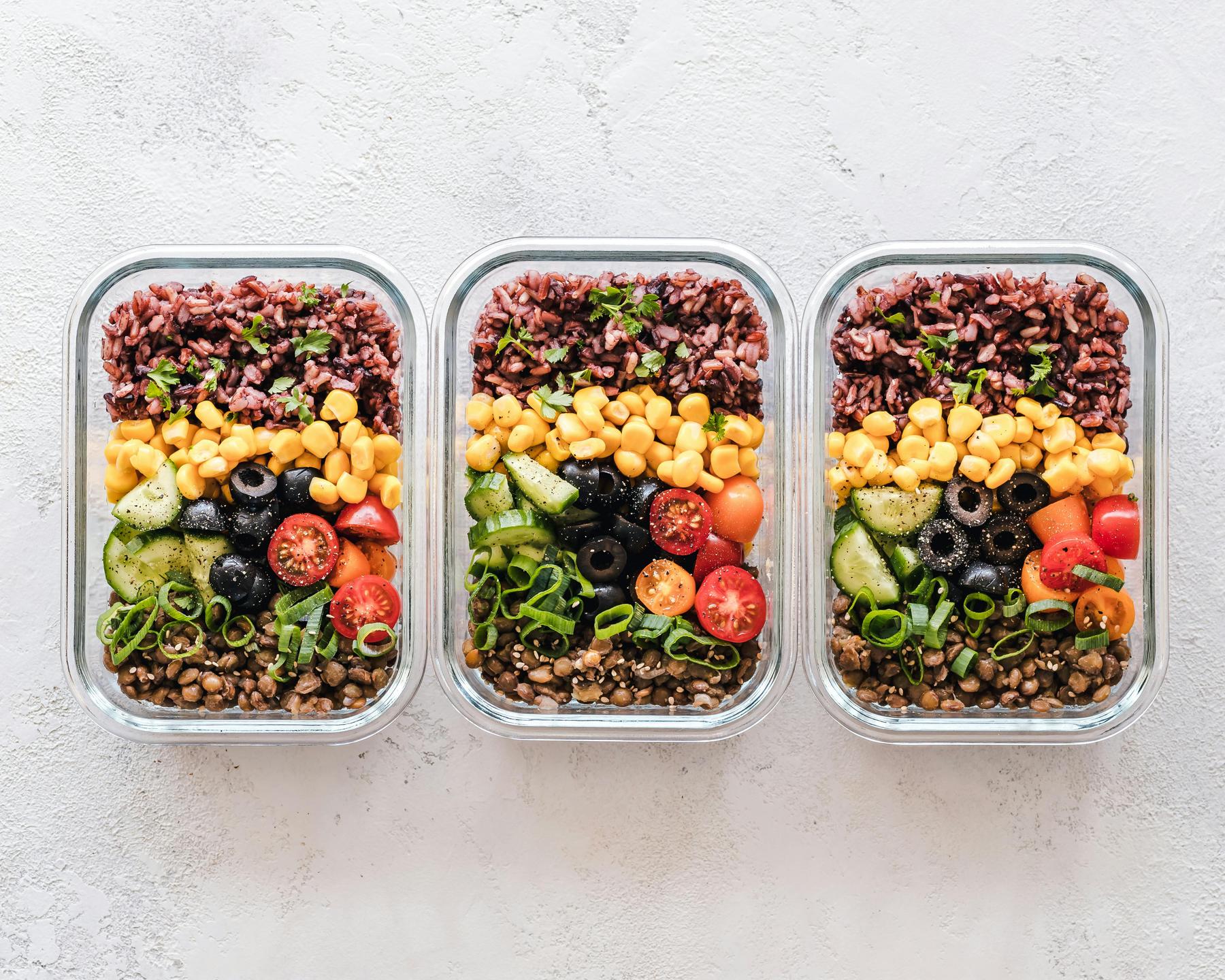
Container Selection: Glass containers offer non-reactive surfaces ideal for acidic foods, resist staining, and allow microwave reheating. Quality plastic containers designed for freezer use prevent freezer burn through airtight seals. Leave 1-2 cm headspace for liquid-containing meals to accommodate expansion during freezing.
Labelling Systems: Include preparation date, contents, reheating instructions, and intended serving size. Rotating stock becomes straightforward with visible dating, ensuring older meals receive priority consumption.
Defrosting Safety: Plan ahead by transferring meals from freezer to refrigerator 24 hours before consumption. This method maintains food safety by preventing bacterial growth associated with room temperature thawing. For immediate needs, microwave defrost functions provide safe alternatives when followed by immediate cooking or reheating.
How Should Portion Sizes Align With Australian Dietary Guidelines?
The Australian Dietary Guidelines, established by the National Health and Medical Research Council, provide evidence-based recommendations for portion sizes and daily servings. Understanding these parameters enables construction of nutritionally complete freezer meals that support health objectives.
Protein Serves (One Serve Equals):
- 65g cooked lean red meat (90-100g raw)
- 80g cooked poultry (100g raw)
- 100g cooked fish fillet (115g raw)
- 2 large eggs
- 170g tofu
- 1 cup (150g) cooked legumes
Vegetable Serves (One Serve Approximately 75g):
- ½ cup cooked vegetables
- 1 cup raw leafy greens
- ½ cup cooked legumes
- ½ medium potato or sweet potato
Grain Serves (One Serve Equals):
- 1 slice (40g) wholegrain bread
- ½ cup (75-120g) cooked rice, pasta, or noodles
- ⅔ cup (30g) breakfast cereal flakes
- ¼ cup (30g) rolled oats
Daily Serve Recommendations for Adults (19-70 years):
- Vegetables and legumes: 5-6 serves
- Fruit: 2 serves
- Grains (mostly wholegrain): 4-6 serves
- Lean proteins: 2.5-3 serves
- Dairy or alternatives: 2.5-3.5 serves
Constructing portion-controlled freezer meals around these parameters ensures nutritional adequacy whilst supporting energy balance appropriate for weight management objectives. A well-designed meal might include 100g cooked chicken breast (1.25 protein serves), 1 cup mixed roasted vegetables (2 vegetable serves), and ½ cup cooked quinoa (1 grain serve)—providing substantial nutrition within appropriate caloric parameters.
“Aligning home-prepared meals with national dietary guidelines transforms abstract recommendations into concrete, actionable eating patterns that integrate seamlessly into daily life.”
What Financial and Environmental Benefits Do Freezer Meals Provide?
Economic analysis reveals substantial cost advantages for portion-controlled freezer meal systems compared to alternative meal solutions. Bulk ingredient purchasing typically reduces per-unit costs by 30-40%, whilst eliminating impulse purchases and food waste creates additional savings.
Restaurant meals average $15-25 per serving in Australian metropolitan areas, whilst equivalent home-prepared freezer meals cost approximately $5-8 per serving—representing 40-60% cost reduction. Over monthly periods, these savings compound significantly, particularly for households preparing meals for multiple individuals.
Food waste reduction emerges as both an economic and environmental benefit. Australian households discard approximately 20% of purchased food, with fresh produce and proteins representing the highest waste categories. Portion-controlled freezer meals virtually eliminate this waste by preserving ingredients in ready-to-consume formats and utilizing bulk-purchased ingredients before spoilage occurs.
The environmental implications extend beyond waste reduction. Home meal preparation generates substantially less packaging waste compared to takeaway options, which typically involve multiple layers of disposable containers, cutlery, and bags. Additionally, consolidated shopping trips reduce transportation-related emissions compared to frequent convenience food purchases.
Seasonal purchasing strategies further enhance both economic and nutritional value. Freezing seasonal produce at peak freshness and affordability provides year-round access to nutrient-dense foods at optimal prices. This approach also supports local agriculture by enabling consumption of regionally grown foods outside their natural growing seasons.
Moving Beyond Convenience: Integrating Freezer Meals Into Comprehensive Health Management
The evidence supporting portion-controlled freezer meals extends across multiple health domains—weight management, cardiovascular risk reduction, metabolic health improvement, and dietary quality enhancement. For busy professionals navigating competing demands on time and cognitive resources, this approach offers practical sustainability that matches clinical effectiveness.
The integration of structured meal systems with professional health guidance amplifies outcomes beyond either intervention alone. Research demonstrates that individuals combining portion-controlled nutrition with ongoing clinical support achieve superior results compared to dietary changes implemented in isolation. This synergistic effect suggests that practical tools like freezer meals serve as force multipliers for professional weight management programmes.
Australian adults face particular challenges in this landscape. With approximately 60% experiencing overweight or obesity, and time poverty affecting increasing proportions of the working population, accessible nutrition solutions become essential rather than optional. Portion-controlled freezer meals address both obstacles simultaneously—providing clinically effective nutrition through time-efficient mechanisms.
The psychological dimensions deserve equal consideration. Sustainable health behaviour change requires approaches that reduce rather than increase cognitive burden. When healthy eating becomes the path of least resistance—requiring minimal immediate effort and decision-making—adherence naturally improves. This principle underpins the effectiveness of portion-controlled systems: they create environmental structures that support rather than demand ongoing willpower.
For individuals seeking weight reduction, the combination of appropriate portions, balanced macronutrient distribution, and consistent meal timing creates physiological conditions conducive to fat loss whilst preserving lean tissue. The 8.6% weight loss achieved in clinical trials with portion-controlled meals represents clinically meaningful change associated with reduced disease risk and improved quality of life.
How long can portion-controlled freezer meals safely remain frozen?
Most properly stored freezer meals maintain optimal quality for 2-3 months at -18°C or below. Cooked proteins and complete meals should be consumed within this timeframe, whilst vegetables and whole grains can last 3-4 months. Always label meals with preparation dates and practice first-in-first-out rotation to ensure freshness.
Can freezer meals provide adequate nutritional variety for long-term health?
Research demonstrates that meal planning—the foundation of effective freezer meal systems—associates with 25% greater food variety compared to spontaneous eating patterns. Preparing diverse recipes during batch cooking sessions and rotating meal types weekly ensures comprehensive micronutrient intake.
How do portion-controlled freezer meals compare to commercial meal delivery services?
Home-prepared portion-controlled freezer meals offer several distinct advantages: complete ingredient control, customisation for dietary preferences, substantially lower cost (typically 40-60% less than commercial services), and the absence of preservatives or stabilisers.
What equipment investment is necessary for effective freezer meal preparation?
Essential equipment includes adequate freezer space, quality freezer-safe containers, and reliable labelling materials. Optional investments such as a vacuum sealer, slow cooker or pressure cooker, and a kitchen scale typically range from $200-500, which can be offset by long-term food cost savings.
How can individuals with limited cooking skills successfully implement freezer meal systems?
Portion-controlled freezer meals accommodate all skill levels. Simple recipes like grilled proteins with roasted vegetables and whole grains require minimal technique, and starting with basic recipes builds confidence. Batch cooking multiple simple recipes can prove more sustainable than attempting complex preparations.