The Unexpected Summer Weight Challenge
Summer in Australia brings barbecues, beach days, and an assumption that hot weather naturally supports weight loss. Yet research reveals a surprising truth: Australians actually experience their highest body weight during summer months. A comprehensive study published in JAMA Network Open tracked 368 Australian adults and found weight was significantly heavier in summer compared to all other seasons, with December’s festive period alone accounting for approximately 500g of weight gain.
This counterintuitive pattern challenges conventional wisdom about hot weather and appetite. Australian dietary research demonstrates that total energy intake increases by 345kJ (5%) in summer compared to autumn, whilst non-alcoholic beverage consumption rises by 22% and alcoholic beverages by 18%. The combination of social eating patterns, holiday celebrations, and longer daylight hours creates a perfect environment for unintended weight gain—precisely when many Australians hope to achieve their fitness goals.
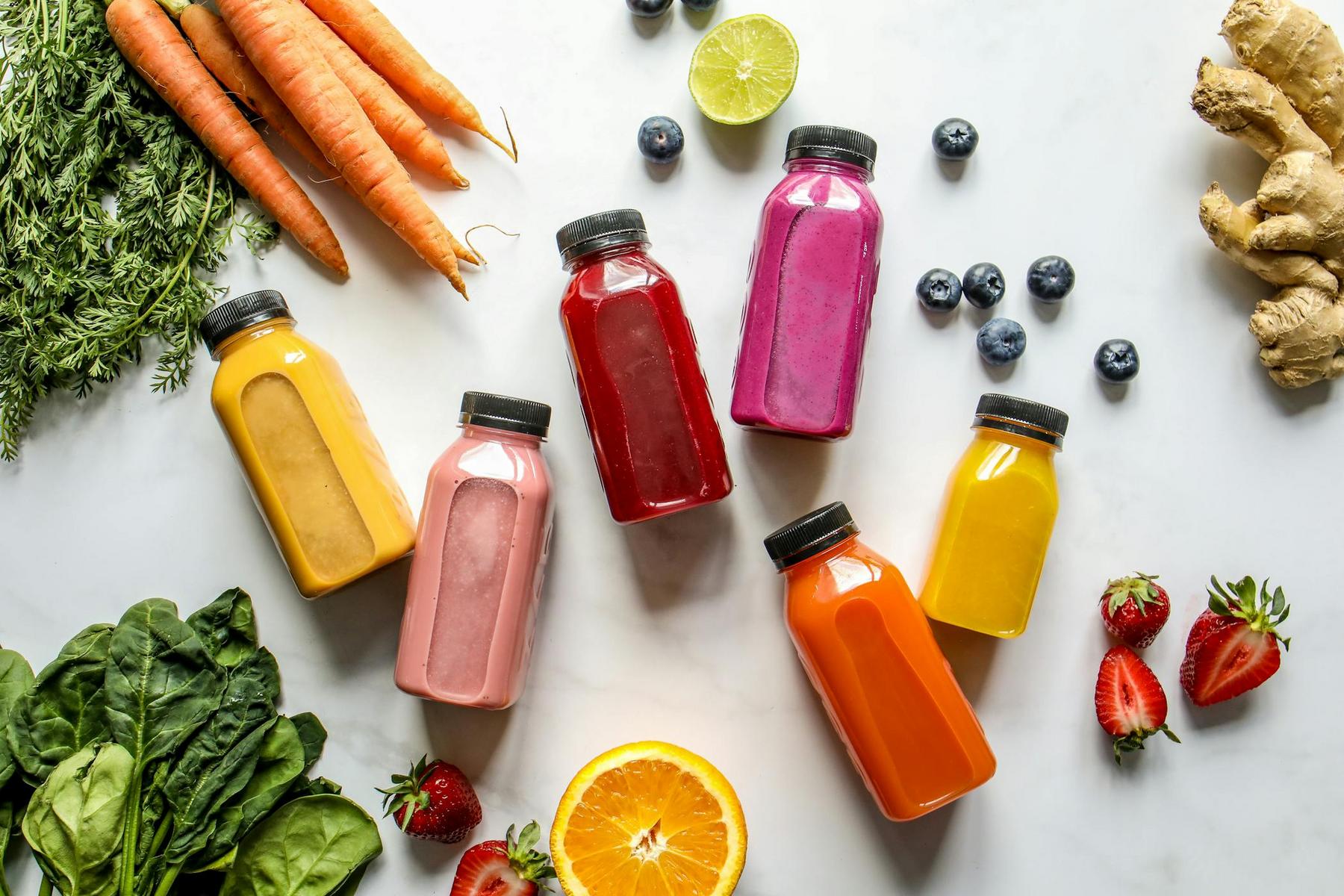
Refreshing smoothies for hot weather weight loss offer a strategic solution to this seasonal paradox. When properly formulated with evidence-based ingredients, these nutrient-dense beverages provide hydration, satiety, and temperature relief whilst supporting weight management objectives. Understanding the science behind smoothie composition and timing transforms them from simple beverages into clinical tools for structured weight loss.
Do Smoothies Actually Support Weight Loss in Hot Weather?
Clinical trials provide substantial evidence that smoothies can facilitate weight reduction when incorporated strategically. A 12-week peer-reviewed study demonstrated that participants using meal replacement smoothies twice daily lost an average of 10.6-13.8 pounds, with individuals adhering strictly to protocol achieving up to 18.5 pounds of weight loss. Notably, subjects reported transitioning from feeling relatively hungry to relatively full within 15 minutes of consumption, with satiety lasting over two hours.
The mechanism behind smoothie effectiveness extends beyond simple calorie substitution. Research published in the American Journal of Health Promotion found that regular smoothie consumers demonstrated a higher incidence of weight reduction compared to weight gain, accompanied by significant reductions in body weight, BMI, and appetite scores. This suggests properly formulated refreshing smoothies for hot weather weight loss influence both physiological satiety signals and behavioural eating patterns.
However, efficacy depends critically on composition. Studies indicate that high-protein smoothies containing 20-30 grams of protein per serving maintain lean muscle, increase satiety, and enhance metabolism through the thermic effect of food. A 24-week study found participants consuming high-protein smoothies for breakfast lost an average of 7kg and 6cm off waist circumference—outcomes comparable to structured dietary interventions.
The hot weather component adds another dimension. Research on water-induced thermogenesis shows that consuming 500ml of water increases metabolic rate by 30% in both men and women, with effects peaking at 30-40 minutes and lasting over an hour. An eight-week study on overweight subjects consuming 1.5 litres of additional water daily showed statistically significant reductions in body weight and BMI (from 26.7 to 26.1). When refreshing smoothies incorporate high water content from whole fruits and vegetables, they deliver both hydration and thermogenic benefits simultaneously.
What Makes a Smoothie Effective for Weight Management?
The distinction between weight loss smoothies and sugar-laden blended beverages lies in precise macronutrient balance. Evidence-based formulations require three essential components working synergistically: protein, fibre, and controlled natural sugars.
Protein Foundation (20-30g per serving)
Protein represents the cornerstone of effective smoothie composition. Clinical research demonstrates that adequate protein intake maintains lean muscle mass during caloric restriction, increases satiety through peptide signalling, and elevates metabolic rate through enhanced thermic effect. Greek yoghurt, protein powder, nut butters, and cottage cheese provide concentrated protein sources that blend seamlessly whilst maintaining palatability.
Fibre Content (5-8g per serving)
Soluble fibre from whole fruits, vegetables, chia seeds, flaxseeds, and oats moves slowly through digestion, prolonging fullness and stabilising blood glucose. Recent research challenges earlier concerns about smoothies causing blood sugar spikes—studies found that raspberries and passionfruit in smoothie form produced lower blood sugar responses than whole fruits, whilst apple-berry smoothies generated significantly lower glycemic responses. This suggests that maintaining whole fruit fibre during blending preserves metabolic benefits.
Healthy Fats (5-8g per serving)
Portion-controlled fats from avocado, nuts, and seeds support satiety hormones and facilitate absorption of fat-soluble vitamins. These ingredients also contribute to the creamy texture that makes refreshing smoothies for hot weather weight loss more satisfying than water-based alternatives.
| Smoothie Component | Optimal Amount | Primary Benefit | Evidence-Based Sources |
|---|---|---|---|
| Protein | 20-30g | Muscle preservation, satiety, thermogenesis | Greek yoghurt, protein powder, cottage cheese |
| Fibre | 5-8g | Blood sugar control, prolonged fullness | Berries, chia seeds, leafy greens, oats |
| Healthy Fats | 5-8g | Satiety hormones, nutrient absorption | Avocado, almonds, flaxseeds |
| Liquid Base | 200-300ml | Hydration, volume without calories | Unsweetened almond milk, coconut water |
| Whole Fruits/Vegetables | 1-2 cups | Micronutrients, natural sweetness, water content | Berries, stone fruits, spinach |
The Academy of Nutrition and Dietetics recommends females consume nine cups of water daily and males thirteen cups from beverages alone, with requirements increasing during hot weather based on activity level and environmental conditions. Refreshing smoothies for hot weather weight loss contribute significantly to these hydration targets whilst delivering structured nutrition.
Which Ingredients Create the Most Refreshing Weight Loss Smoothies?
Ingredient selection determines both palatability and efficacy. Recent research from UC Davis reveals critical nuances in smoothie preparation that affect nutrient absorption. Blending bananas with berries significantly reduces flavanol absorption by 84%—bananas contain high polyphenol oxidase (PPO) activity whilst berries have low PPO activity, and combining them degrades beneficial compounds. This finding suggests optimal smoothies pair low-PPO fruits like berries, pineapple, oranges, and mango rather than combining them with bananas.
Summer Seasonal Produce
Australian summer (December-February) provides exceptional ingredients for refreshing smoothies for hot weather weight loss:
- Berries: Strawberries, blueberries, and raspberries contain 23-31% higher anthocyanins than greenhouse varieties when consumed in season. These compounds support metabolic health whilst providing low glycemic impact. Studies show berries in smoothie form may actually produce lower blood sugar spikes than consuming them whole.
- Stone Fruits: Peaches, nectarines, and apricots deliver balanced fructose with phytonutrients that support sustained energy without excessive sugar spikes. Their high water content (approaching 88%) contributes to hydration goals.
- Tropical Fruits: Pineapple and mango possess low PPO activity, making them ideal smoothie ingredients that preserve nutrient integrity. Pineapple contains bromelain, an enzyme that may support digestive comfort during hot weather.
- Citrus: Grapefruit and oranges provide high vitamin C content alongside compounds that support metabolic function. Research suggests citrus consumption correlates with improved weight management outcomes.
- Leafy Greens: Spinach and kale offer minimal calories (approximately 7 calories per cup) whilst contributing significant micronutrients and fibre. Their mild flavour when blended allows high vegetable content without compromising palatability.
Ingredients to Minimise
Commercial smoothies frequently contain 25-60g added sugars, exceeding recommended daily limits of 25-37g. Home-made refreshing smoothies for hot weather weight loss should avoid:
- Added sweeteners (honey, maple syrup, agave)
- Fruit juices as liquid bases (high sugar, minimal fibre)
- Sweetened yoghurts
- Granola or processed additions
- Full-fat dairy products in excessive amounts
Research demonstrates that grinding seeds releases additional fibre, polyphenols, fats, and protein—making chia seeds and flaxseeds particularly valuable additions that enhance both nutrition and texture.
How Does Hot Weather Impact Your Weight Loss Journey?
The relationship between ambient temperature and weight management proves more complex than intuitive assumptions suggest. Whilst the body does burn slightly more calories during heat exposure for thermoregulation, these increases remain modest and physiological acclimatisation quickly reduces the thermogenic benefit. Research actually shows winter demonstrates 4.7% higher resting metabolic rate as a biological adaptation for temperature regulation.
The primary weight loss advantage during Australian summers stems from behavioural factors: increased physical activity, preference for lighter foods, and enhanced motivation for body composition changes. However, these advantages compete against significant challenges revealed by seasonal weight pattern research.
The Summer Weight Gain Phenomenon
University of South Australia research tracking Australian adults throughout the year revealed unexpected patterns:
- Weight was heaviest in summer (statistically significant compared to all other seasons)
- Lightest weight occurred in autumn (0.47% reduction relative to summer)
- Winter showed slower weight gain (0.23% relative to summer)
- Average annual weight gain was 0.26% body weight (218g) despite weekly fluctuations of 0.3% (252g)
These patterns contrast sharply with Northern Hemisphere populations who typically experience single yearly weight peaks during winter holidays. Australian seasonal eating shows fruit intake 18g (10%) higher in summer than winter and overall energy intake peaking in December with 560kJ more than yearly averages.
Hydration and Metabolic Rate
The thermogenic effect of cold water consumption provides measurable benefits for refreshing smoothies for hot weather weight loss. Studies demonstrate that drinking 500ml of water increases metabolic rate by 30% in both men and women, with effects lasting over an hour. An eight-week intervention study found overweight subjects consuming 1.5 litres of additional water daily achieved statistically significant reductions in body weight, BMI, and body fat composition.
When smoothies incorporate ice and cold liquid bases, they deliver this thermogenic stimulus whilst providing structured nutrition. The combination of temperature-induced metabolic elevation and macronutrient-driven satiety creates synergistic effects unavailable from water alone.
Appetite Regulation in Heat
Contrary to common belief that hot weather suppresses appetite, Australian dietary research demonstrates increased consumption during summer months. This paradox likely reflects social eating patterns, outdoor activities involving food, and alcohol consumption rather than physiological appetite changes. Refreshing smoothies for hot weather weight loss provide a strategic tool to address true hunger with nutrient-dense options whilst avoiding the calorie-dense alternatives common in summer social settings.
When Should You Drink Smoothies for Optimal Results?
Timing strategies influence the effectiveness of refreshing smoothies for hot weather weight loss through mechanisms affecting satiety, muscle preservation, and total daily energy intake.
Breakfast Consumption
Research consistently demonstrates that high-protein breakfast smoothies support satiety throughout the morning period. Studies show participants consuming smoothies with 20-30g protein for breakfast experience reduced hunger and lower calorie consumption at subsequent meals. The psychological benefit of starting the day with structured nutrition also enhances adherence to weight management protocols.
During Australian summers, morning temperatures remain relatively moderate, making this the optimal time for satisfying smoothies before heat peaks. The satiety effects extend through the warmest parts of the day when appetite regulation may prove more challenging.
Post-Exercise Timing
Physical activity during cooler morning or evening hours characterises summer exercise patterns. Consuming refreshing smoothies for hot weather weight loss immediately following exercise provides multiple benefits: rehydration, glycogen replenishment, protein for muscle recovery, and controlled calorie intake when appetite naturally increases post-workout.
Studies indicate that protein consumption within two hours of resistance training optimises muscle protein synthesis—particularly relevant during caloric restriction when maintaining lean mass becomes paramount.
Meal Replacement Protocols
Clinical trials achieving significant weight loss used smoothies as meal replacements twice daily. This approach provides structured calorie control whilst maintaining nutritional adequacy. However, nutritionists recommend:
- Snack smoothies: 250ml, 150-200 calories, 10g protein
- Meal replacement smoothies: 475-700ml, 400-800 calories, 20-30g protein
Research indicates that liquid foods demonstrate reduced satiety compared to solid foods for some individuals, suggesting the mechanical aspect of chewing influences fullness perception. Drinking smoothies slowly and “chewing” them incorporates salivary enzymes that may enhance satiety signals.
Evening Considerations
Evening smoothies should contain lower calories to avoid disrupting sleep patterns. Research shows large meals or high-calorie beverages within three hours of sleep may impair sleep quality. Lighter smoothies (200-300 calories) with modest protein content provide options for individuals preferring evening consumption without compromising metabolic or sleep outcomes.
Can Smoothies Replace Meals During Summer Weight Loss?
The question of meal replacement requires nuanced understanding of research findings and individual responses. Clinical evidence demonstrates that smoothies can successfully replace meals when properly formulated, but this approach carries both advantages and limitations.
Evidence Supporting Meal Replacement
Controlled trials show meal replacement smoothies facilitate weight loss through several mechanisms:
- Calorie Control: Pre-portioned smoothies eliminate estimation errors that typically result in underreporting calorie intake by 20-30%.
- Macronutrient Precision: Ensuring adequate protein and fibre becomes straightforward when following evidence-based recipes.
- Behavioural Simplification: Removing meal planning decisions reduces cognitive burden and decision fatigue.
- Convenience: Preparation time of 5-10 minutes removes barriers common during busy summer schedules.
Studies report that participants using meal replacement smoothies twice daily for 12 weeks achieved significant weight loss whilst maintaining adherence rates comparable to traditional dietary interventions.
Critical Limitations
Research also identifies important considerations:
- Satiety Differences: Studies have found that whole fruits result in greater satiety than smoothies, even though smoothies outperform fruit juices. This suggests the mechanical benefit of chewing may influence fullness for some individuals.
- Long-Term Sustainability: Meal replacement diets show a higher risk of weight regain upon returning to regular eating patterns. Effectiveness depends on total daily calorie consumption, macronutrient balance, and sustained dietary behavioural change.
- Nutritional Completeness: Very restrictive smoothie-only diets can increase the risk of nutrient deficiencies since skipping solid foods may remove benefits provided by whole foods.
Optimal Integration Approach
Evidence-based practice suggests that refreshing smoothies for hot weather weight loss function most effectively when integrated strategically rather than completely replacing all meals:
- Replace 1-2 meals daily whilst maintaining one solid food meal.
- Use smoothies as substantial snacks (250-300 calories) between meals.
- Maintain variety in solid food consumption to ensure micronutrient adequacy.
- Monitor individual satiety responses and adjust the approach accordingly.
Supporting Your Weight Loss Goals Through Summer
The research evidence establishes that refreshing smoothies for hot weather weight loss can support meaningful weight reduction when formulated with clinical precision. The combination of 20-30g protein, 5-8g fibre, controlled natural sugars from low-PPO fruits, and strategic hydration creates beverages that address both physiological satiety mechanisms and the practical challenges of summer eating patterns in Australia.
Australian summers are a high-risk period for weight gain—with energy intake increasing by 5% and social eating intensifying during holiday periods—transforming smoothie consumption from a casual beverage choice into a strategic intervention. Seasonal produce availability provides exceptional ingredients: berries with elevated anthocyanin content, stone fruits offering balanced energy, and leafy greens contributing substantial nutrients with minimal calories.
However, smoothies are one component of a comprehensive weight management strategy. Clinical evidence shows that structured professional support enhances adherence and long-term outcomes. Personalized dietary adjustments, macronutrient monitoring, and ongoing nutrition guidance are crucial for transitioning from short-term interventions to sustainable lifestyle changes.
How many smoothies per day should I drink for weight loss?
Evidence-based protocols typically recommend 1-2 smoothies daily for weight management. Clinical trials have shown success using twice-daily meal replacement smoothies, while still incorporating at least one solid food meal. Adjust smoothie frequency based on individual satiety and total caloric needs.
Will blending fruit destroy the nutrients needed for weight loss?
Recent research indicates that blending can preserve and sometimes even enhance nutrient availability by breaking down cell walls to release fiber, polyphenols, and other compounds. However, care should be taken when combining high-polyphenol oxidase fruits (e.g., bananas) with low-PPO fruits (e.g., berries) to avoid reducing flavanol absorption.
Can I lose weight drinking smoothies without exercise?
Yes, smoothies can help create a caloric deficit through structured meal replacement and controlled ingredients. However, combining them with regular physical activity enhances outcomes by improving muscle preservation, boosting metabolic rate, and supporting overall health.
Are frozen fruits as effective as fresh for weight loss smoothies?
Frozen fruits can be just as effective as fresh fruits for weight loss smoothies. They often retain high levels of vitamins and antioxidants, can enhance the smoothie’s texture and temperature, and provide a convenient, year-round option without compromising nutritional value.
How long can I safely follow a smoothie-based weight loss plan?
Using smoothies as a meal replacement once or twice daily can be part of a sustainable diet when balanced with whole foods. However, very restrictive smoothie-only diets should typically not exceed 12 weeks without medical supervision to avoid potential nutritional deficiencies and ensure long-term weight management success.