The achievement of weight loss represents only half the journey. The more challenging endeavour lies in maintaining that progress over time. Research consistently demonstrates that individuals who engage in regular health checks and systematic monitoring are significantly more likely to sustain their weight loss achievements. Yet many Australians discontinue professional support prematurely, contributing to the cycle of weight regain that affects up to two-thirds of adults managing overweight or obesity.
Regular health checks to monitor maintenance progress serve as the cornerstone of sustainable weight management, providing early detection of regain patterns, professional accountability, and the opportunity for timely intervention. With 67% of Australian adults living with overweight or obesity, and the economic burden exceeding $8.65 billion annually, the clinical imperative for structured monitoring frameworks has never been more evident.
Why Are Regular Health Checks Essential for Monitoring Maintenance Progress?
The relationship between monitoring frequency and weight maintenance outcomes is well-established in clinical literature. Regular health checks create a structured framework that transforms weight management from an isolated effort into a professionally guided, evidence-based process.
Accountability drives adherence. When individuals know they will be reporting progress to a healthcare professional, they demonstrate significantly greater commitment to daily health behaviours. Research examining medical supervision frequency found that each additional medical visit contributed to continued weight loss, with subjects receiving no medical supervision actually experiencing weight regain. The accountability mechanism inherent in regular health checks functions as both a motivational tool and a behavioural reinforcement strategy.
Early intervention prevents relapse. Weight regain rarely occurs suddenly; it manifests as a gradual, measurable trend. Regular health checks enable healthcare professionals to identify patterns of increasing weight—typically defined as 1.5-2.0 kg above maintenance weight—before they escalate into significant regain requiring intensive re-intervention. Australian clinical guidelines specifically recommend that practitioners monitor for early signs of weight increase and reinitiate weight loss strategies promptly when these thresholds are crossed.
Professional guidance optimises treatment plans. Body composition, metabolic markers, and individual circumstances evolve throughout the maintenance phase. Regular health checks allow clinicians to adjust pharmaceutical interventions, modify dietary recommendations, and refine physical activity prescriptions based on objective data rather than assumptions. This dynamic approach to care management significantly improves long-term outcomes compared to static treatment protocols.
What Health Parameters Should Be Monitored During Weight Maintenance?
Comprehensive health monitoring extends beyond the number on the scale. Australian guidelines recommend a multifaceted assessment approach that captures both anthropometric and biochemical markers of health.
Core Monitoring Parameters
| Assessment Category | Specific Measurements | Monitoring Frequency |
|---|---|---|
| Anthropometric | Weight, BMI, waist circumference, body composition | Monthly (weight); 3-monthly (comprehensive) |
| Cardiovascular | Blood pressure, lipid profile, cholesterol | Every visit (BP); annually if normal, more frequently if abnormal |
| Metabolic | Blood glucose, HbA1c, liver function, electrolytes | Every 3 years (screening); more frequently if abnormal |
| Behavioural | Dietary intake, physical activity levels, sleep quality, stress | Monthly consultation review |
| Clinical | Comorbidity status, medication requirements, adverse effects | Monthly to quarterly |
Anthropometric measurements provide immediate feedback on maintenance progress. Weight monitoring captures overall trends, whilst waist circumference offers direct assessment of central obesity—the pattern most strongly associated with metabolic complications. Body composition analysis, where available, distinguishes between fat mass reduction and muscle mass preservation, ensuring that maintenance strategies support metabolic health rather than simply reducing total body mass.
Biochemical assessments reveal the physiological impact of weight maintenance. Small sustained weight losses of 5-10% produce measurable improvements in cardiovascular risk factors, glucose metabolism, and inflammatory markers. Regular testing allows clinicians to document these health gains, providing powerful motivation for continued adherence whilst identifying any emerging metabolic concerns requiring intervention.
Behavioural monitoring addresses the lifestyle patterns underlying successful maintenance. Dietary intake patterns, physical activity volume and intensity, sleep quality, and stress management all influence weight trajectories. Regular health checks create opportunities for healthcare professionals to review these behaviours, identify challenges, and provide evidence-based strategies for sustained behaviour change.
How Often Should Health Checks Occur for Optimal Maintenance Progress?
Clinical guidelines from the National Health and Medical Research Council establish clear recommendations for monitoring frequency, recognising that different phases of weight management require varying levels of professional support.
Initial maintenance phase (months 1-3): Fortnightly reviews are recommended during the critical transition from active weight loss to maintenance. This intensive monitoring period allows healthcare professionals to identify and address challenges before patterns of regain become established. Evidence demonstrates that individuals receiving fortnightly support during this vulnerable period maintain significantly greater proportions of their initial weight loss.
Consolidation phase (months 3-12): Monthly consultations provide ongoing accountability whilst allowing individuals to develop self-management capabilities. Australian guidelines emphasise that monitoring should continue for at least 12 months following initial weight loss, with additional intervention as required. This extended support period acknowledges the biological and behavioural adaptations that continue to influence weight regulation throughout the first year of maintenance.
Long-term maintenance (beyond 12 months): Quarterly health checks with monthly to bi-monthly brief contact maintain professional connection whilst supporting autonomous self-management. The optimal frequency depends on individual risk factors, comorbidity profiles, and stability of weight maintenance. Individuals demonstrating consistent maintenance may require less frequent comprehensive assessments, whilst those experiencing fluctuations benefit from more intensive monitoring.
Importantly, self-monitoring frequency should remain high regardless of professional consultation intervals. Daily self-weighing combined with dietary tracking 3-4 days per week represents the evidence-based minimum for successful weight maintenance.
What Role Does Self-Monitoring Play in Maintenance Success?
Self-monitoring constitutes the behavioural foundation of sustained weight management. Regular health checks complement, rather than replace, consistent personal monitoring practices.
Weight monitoring frequency predicts outcomes. Individuals who weigh themselves 6-7 times per week achieve average weight losses of 1.7%, whilst those weighing less frequently experience minimal loss or gradual regain. The consistency of self-weighing—defined as the number of weeks maintaining daily weighing patterns—proves more important than total frequency during maintenance periods. This finding emphasises that establishing stable self-monitoring routines contributes more significantly to success than sporadic intensive monitoring.
Dietary tracking supports caloric awareness. Participants achieving weight losses exceeding 10% of baseline weight invest approximately 23 minutes daily in dietary self-monitoring during initial months, declining to 16 minutes daily by month six. Importantly, these individuals log food intake 2-3 times daily rather than in single sessions, suggesting that real-time recording throughout the day enhances accuracy and awareness. Every dietary journal submitted during weight loss intervention increases the probability of achieving clinical weight loss targets by 8%, demonstrating the cumulative impact of consistent self-monitoring.
Frequency and consistency outweigh detail. Research examining self-monitoring patterns found that high frequency combined with high consistency produced beneficial maintenance effects even when comprehensiveness—the detail of recording—was sacrificed. This finding has practical implications: individuals overwhelmed by detailed food logging may achieve better outcomes through consistent brief recordings than through sporadic comprehensive logs. The priority lies in maintaining the monitoring habit rather than capturing every nutritional detail.
Regular health checks provide opportunities for healthcare professionals to review self-monitoring data, identify patterns, troubleshoot barriers, and reinforce the importance of continued tracking. This integration of professional guidance with personal monitoring creates a synergistic effect exceeding either approach alone.
How Does Telehealth Support Regular Health Monitoring?
The emergence of comprehensive telehealth services has transformed access to regular health checks, particularly for Australians in regional and remote areas. Evidence from multiple studies demonstrates that remote monitoring achieves outcomes comparable to traditional in-person care whilst offering distinct advantages.
Attendance and adherence rates favour telehealth delivery. Research comparing telehealth to in-person weight management found identical weight loss outcomes—45-49% of participants in both groups achieved clinically significant weight loss exceeding 5% of initial body weight. However, telehealth participants demonstrated significantly higher attendance rates (97% versus 75%) and lower dropout rates (13% versus 21%), suggesting that convenience and accessibility enhance engagement with care.
Video consultations enhance monitoring behaviours. Participants receiving support via video conferencing self-monitored weight significantly more frequently than those receiving text-based support (123 days versus 8 days), and were twice as likely to achieve 5% body weight reduction. The visual connection inherent in video consultations appears to strengthen the professional relationship and accountability effect that drives sustained self-monitoring.
Extended telephone support prevents regain. Australian research examining rural communities found that individual telephone counselling reduced weight regain more effectively than education alone. Mean weight regains from months 4-22 were 2.3 kg for individual telephone counselling versus 4.1 kg for education controls. Importantly, participants receiving telephone counselling sustained 72% of initial weight losses at 18-month follow-up compared to 49% for controls, demonstrating the long-term value of accessible remote monitoring.
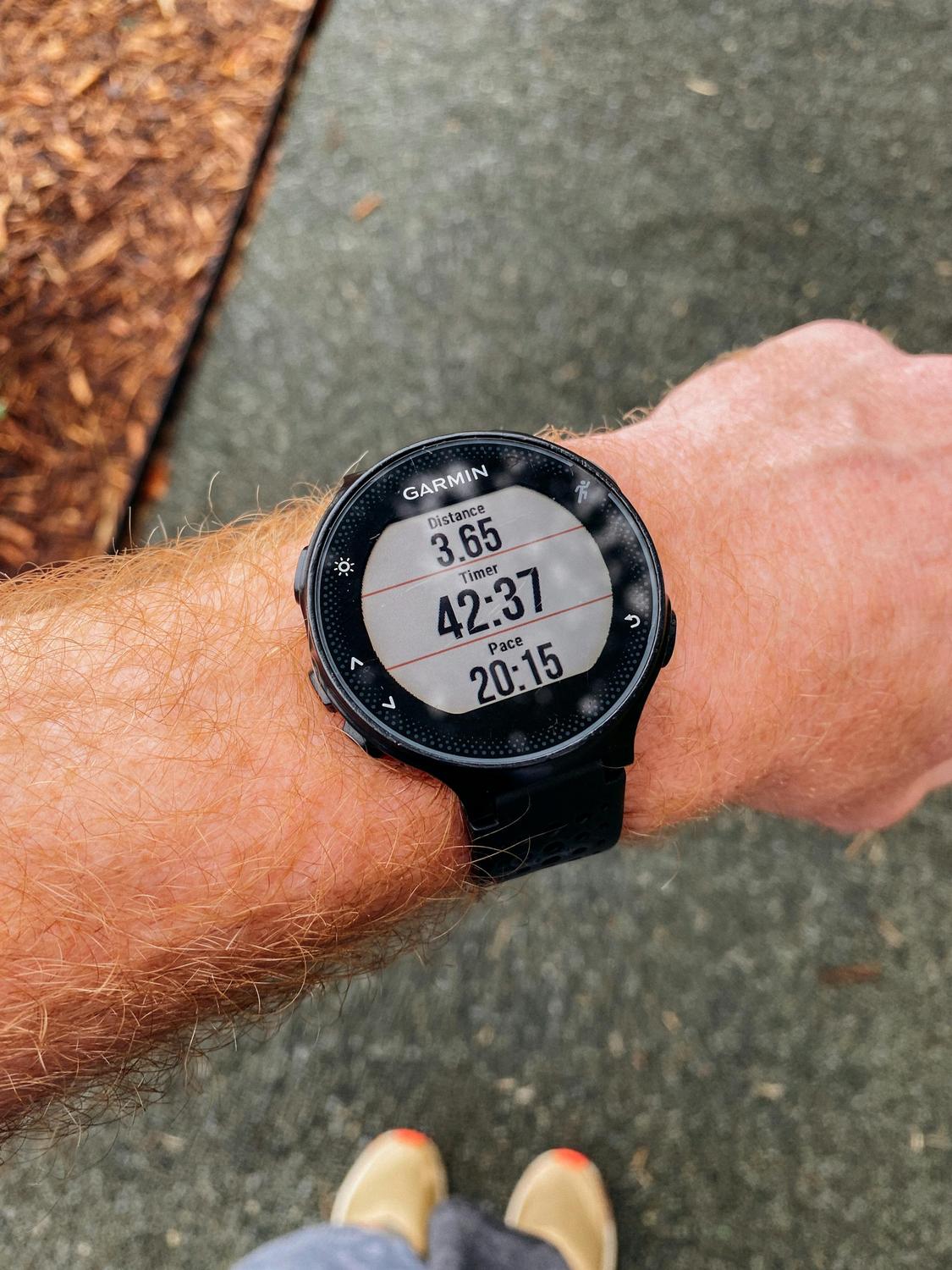
Technology integration enhances data availability. Smart scales, activity trackers, and health apps provide real-time data transmission to healthcare providers, enabling continuous monitoring between scheduled consultations. When combined with monthly professional contact, these technologies support early identification of concerning trends and allow for prompt intervention before minor fluctuations become significant regain.
Participant satisfaction data reveals that 87% of telehealth users report satisfaction with remote obesity management programmes compared to 76% for in-person care, suggesting that convenience and accessibility enhance the overall experience of regular health monitoring.
What Outcomes Can Regular Health Monitoring Achieve?
The clinical benefits of regular health checks extend beyond weight maintenance, encompassing improvements in chronic disease management, preventive care uptake, and patient-reported health outcomes.
Chronic disease detection and control improve. Regular health checks are associated with increased detection of conditions including depression, hypertension, and dysglycaemia. Studies examining Medicare wellness visits found elevated blood sugar identified in 17% of patients and average initiation of 0.4 new diagnoses per visit. For individuals maintaining weight loss, regular monitoring enables tracking of cardiovascular and metabolic improvements, with small weight losses of 5% producing measurable benefits for type 2 diabetes control, sleep apnoea, and kidney disease markers.
Risk factor management shows measurable improvement. Individuals attending regular health checks demonstrate better control of modifiable risk factors compared to those with sporadic engagement. Systolic blood pressure improvements of 3.37-4.36 mmHg and total cholesterol reductions of 0.10-0.19 mmol/L are documented in those attending regularly versus occasionally. These physiological improvements translate into reduced long-term cardiovascular and metabolic disease risk.
Preventive service utilisation increases. Regular health checks create opportunities for comprehensive preventive care discussions. Data shows higher uptake of cancer screenings (colorectal cancer screening: 69% versus 60%), increased vaccination rates, and more frequent health behaviour counselling in individuals engaged with regular monitoring. This holistic approach to health optimisation extends benefits beyond weight management alone.
Patient-reported outcomes demonstrate enhancement. Individuals receiving regular health checks report improvements in quality of life measures and self-rated health status. The consistent therapeutic relationship fostered through regular monitoring creates psychological benefits including reduced health anxiety, increased confidence in self-management, and greater readiness to seek early intervention when concerns arise.
For weight maintenance specifically, the data is compelling: 31.5% of participants receiving regular individual telephone counselling achieved weight reductions exceeding 10% at follow-up versus 19.1% in control groups, demonstrating that sustained monitoring support produces clinically meaningful differences in long-term outcomes.
Making Monitoring Work for Long-Term Success
The evidence supporting regular health checks to monitor maintenance progress is unequivocal. Structured, professional-guided monitoring combines accountability, early intervention capabilities, and treatment optimisation opportunities that dramatically improve weight maintenance outcomes. Australian clinical guidelines reflect this evidence, recommending fortnightly reviews during initial maintenance, monthly consultations throughout the first year, and continued periodic monitoring thereafter.
The integration of self-monitoring practices with professional health checks creates a comprehensive framework for sustainable weight management. Daily self-weighing, frequent dietary tracking, and consistent activity monitoring provide real-time feedback, whilst scheduled consultations enable professional assessment, biochemical monitoring, and treatment adjustments based on objective data.
Telehealth delivery has eliminated geographic barriers to regular monitoring, achieving outcomes comparable to in-person care whilst offering superior attendance rates, convenience, and patient satisfaction. For Australian adults managing weight across vast distances, remote monitoring represents an evidence-based solution that maintains professional connection without compromising care quality.
The shift from viewing weight management as a time-limited intervention to recognising it as a chronic condition requiring ongoing monitoring represents a fundamental advancement in clinical approach. Regular health checks provide the structured support framework that transforms short-term weight loss into sustained health improvement, addressing both the physiological complexity of weight regulation and the behavioural challenges of long-term lifestyle change.
With two-thirds of Australian adults affected by overweight or obesity, expanding access to regular, professional-guided monitoring must remain a priority. The evidence demonstrates clearly that monitoring frequency correlates directly with maintenance success—a relationship that holds true across diverse populations, delivery methods, and clinical settings.
How long should I continue regular health checks after reaching my weight goal?
Australian clinical guidelines recommend continuing monthly monitoring for at least 12 months following initial weight loss, with ongoing quarterly to annual check-ups thereafter. Weight maintenance is a long-term endeavour requiring sustained professional support. Research demonstrates that individuals receiving extended monitoring support maintain significantly greater proportions of their initial weight loss compared to those discontinuing professional contact after achieving their goal. The optimal duration depends on individual circumstances, comorbidity profiles, and stability of maintenance.
What happens if my weight starts increasing between scheduled health checks?
Clinical guidelines recommend reinitiation of weight loss strategies when weight increases by 1.5-2.0 kg above maintenance weight. This early intervention threshold prevents minor fluctuations from becoming significant regain. If you notice this pattern through self-monitoring, contact your healthcare provider promptly rather than waiting for your next scheduled appointment. Many telehealth services allow for additional consultations when concerns arise, enabling timely intervention before patterns become entrenched.
Can telehealth appointments effectively replace in-person health checks?
Research demonstrates that telehealth weight management achieves outcomes identical to in-person care, with 45-49% of participants in both delivery models achieving clinically significant weight loss. Telehealth participants show higher attendance rates (97% versus 75%), lower dropout rates, and greater satisfaction scores. Most biochemical monitoring can be arranged through local pathology services with results reviewed remotely. Telehealth represents an evidence-based alternative to traditional care, particularly valuable for regional Australians or those with mobility, time, or access constraints.
How frequently should I weigh myself between health check appointments?
Evidence supports daily self-weighing for optimal weight maintenance outcomes. Individuals weighing themselves 6-7 times per week achieve average weight losses of 1.7% compared to minimal or no loss in those weighing less frequently. Importantly, consistency—maintaining regular weighing patterns week after week—proves more important than total frequency. Establish a routine of weighing at the same time each day (typically morning, after toileting, before eating) and track trends over time rather than reacting to daily fluctuations.
What should I do if I’m finding it difficult to maintain regular self-monitoring?
Difficulty maintaining self-monitoring represents a common challenge that should be discussed during your regular health checks. Healthcare professionals can help identify barriers, simplify tracking methods, and adjust monitoring intensity to sustainable levels. Research shows that high frequency with high consistency produces better outcomes than comprehensive detail, meaning brief daily recordings may be more effective than sporadic detailed logs. Many individuals benefit from setting specific monitoring times, using automated tools like smart scales and activity trackers, or incorporating monitoring into existing daily routines to build sustainable habits.