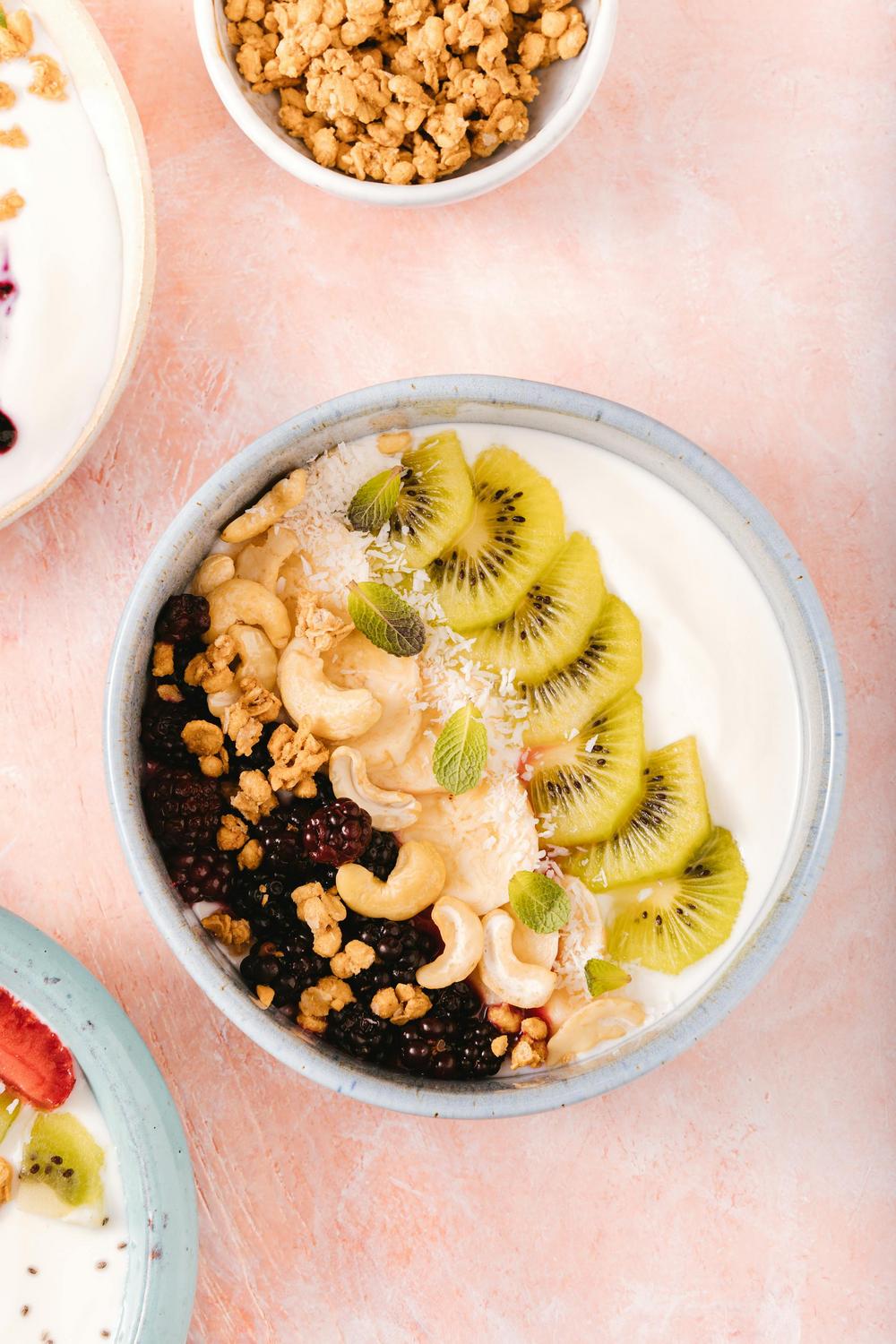
The Australian dietary landscape presents a concerning picture: over half of Australians exceed World Health Organization recommendations for sugar intake, consuming an average of 60 grams of free sugars daily-equivalent to 14 teaspoons. For individuals managing weight or metabolic health, traditional desserts pose a significant challenge. Yet the desire for sweet satisfaction remains fundamentally human. Seasonal fruit desserts with minimal sugar offer a scientifically supported solution that addresses both nutritional goals and psychological satisfaction, leveraging the natural sweetness of Australian produce whilst supporting sustainable eating patterns.
Why Do Seasonal Fruit Desserts with Minimal Sugar Matter for Health?
The distinction between naturally occurring fruit sugars and added sugars represents a critical concept in evidence-based nutrition. Current Australian Dietary Guidelines recommend limiting foods containing added sugars, recognising their contribution to excess energy intake and poor health outcomes. The WHO strongly recommends that free sugars account for less than 10% of total energy intake—approximately 50 grams or 12 teaspoons daily—with conditional recommendations suggesting further reduction to 5% (approximately 25 grams or 6 teaspoons) for additional health benefits.
Children and adolescents demonstrate particularly concerning patterns, with almost three-quarters of 9-18 year olds exceeding the 10% recommendation. This early-life exposure establishes taste preferences and metabolic patterns that persist into adulthood, contributing to Australia’s obesity epidemic.
Seasonal fruit desserts with minimal sugar provide a framework for satisfying sweet cravings whilst adhering to evidence-based recommendations. The approach capitalises on peak ripeness and natural sweetness variations throughout Australian growing seasons, reducing or eliminating the need for added sweeteners entirely.
What Makes Fruit Sugars Different from Added Sugars?
The physiological response to naturally occurring fruit sugars differs substantially from the response to added or “free” sugars due to structural and compositional factors. Fruit contains naturally occurring sugars—fructose, glucose, and sucrose—encased within plant cell walls that also contain fibre. The body must enzymatically break down these cellular structures to access the sugars, significantly slowing absorption compared to free sugars.
This structural barrier creates a more gradual rise in blood glucose levels, avoiding the rapid spikes and subsequent crashes associated with refined sugar consumption. The fibre content serves multiple metabolic functions: it slows digestion, helps maintain steady blood glucose levels, increases satiety, and reduces overall caloric consumption through enhanced fullness signals.
Research demonstrates that consuming whole fruit is associated with a lower risk of type 2 diabetes, whilst sugar from fruit juices— which lack intact fibre—does not provide this protective effect. Fresh whole fruit also contains low energy density and high water content, making it volumetrically filling despite relatively low caloric values. Studies show that eating whole fruit before meals leads to reduced meal consumption compared to drinking equivalent quantities of juice, supporting weight management efforts through natural satiety mechanisms.
Which Australian Seasonal Fruits Are Lowest in Sugar?
Understanding seasonal availability and sugar content enables strategic selection for minimal-sugar fruit desserts. Australian seasonal patterns provide year-round access to naturally low-sugar options:
Seasonal Sugar Content Comparison
| Season | Fruit | Sugar Content (per 100g) | Key Benefits |
|---|---|---|---|
| Summer (Dec-Feb) | Strawberries | 3.8g | Lowest sugar berry; high vitamin C |
| Raspberries | 4-5g | High fibre; antioxidants | |
| Watermelon | 6g | High water content; hydrating | |
| Peaches | 8g | Low energy density | |
| Autumn (Mar-May) | Plums | 10g | Anthocyanins; moderate sugar |
| Apples | 11g | Soluble fibre; polyphenols | |
| Pears | 12g | High fibre content | |
| Winter (Jun-Aug) | Grapefruit | 7g (per half) | Naringenin compounds |
| Kiwifruit | 6.7g (per fruit) | Vitamin C; digestive enzymes | |
| Oranges | 9g | Vitamin C; bioflavonoids | |
| Spring (Sep-Nov) | Strawberries | 3.8g | Peak season returns |
| Blueberries | 9.6g | Anthocyanins; cognitive benefits | |
| Papayas | 8g | Digestive enzymes |
Berries consistently represent the optimal choice for minimal-sugar desserts, containing approximately 4-10 grams of sugar per 100g serve whilst providing 2-8 grams of fibre. Stone fruits during summer months offer similarly advantageous profiles, with peaches and nectarines containing 8-12 grams of sugar per medium fruit alongside substantial water content.
How Can You Create Satisfying Minimal-Sugar Fruit Desserts?
Evidence-based approaches to fruit dessert preparation maximise natural sweetness whilst minimising added sugar requirements. Several clinically supported methodologies deliver satisfying results:
Whole Fresh Fruit Preparations
Ripe seasonal fruit functions effectively as dessert with minimal intervention. Serving whole fresh fruit preserves complete nutritional integrity whilst delivering satisfaction. For individuals requiring more complex preparations, techniques such as roasting and grilling can concentrate the natural sugars without the need for added sweeteners.
Frozen Preparations
Frozen fruit desserts capitalise on textural transformation whilst maintaining nutritional profiles. Blending frozen bananas and berries can create ice-cream like consistencies or sorbets that utilize the natural sweetness of the fruit without additional sugars.
Structured Desserts with Minimal Added Sugar
Preparations such as fruit crisps, cobblers, and fresh fruit parfaits demonstrate that structured desserts can be made with minimal added sugars by optimising the natural flavours and textures of seasonal produce.
What Natural Sweeteners Support Minimal-Sugar Dessert Goals?
When additional sweetness is required, evidence-based natural sweeteners offer alternative options to refined sugar:
- Dates: Provide fibre, potassium, and minerals along with natural sweetness when puréed.
- Honey: Contains antioxidants and prebiotic oligosaccharides, though its use should be moderate.
- Maple Syrup: Delivers minerals and antioxidants with a lower glycemic impact when used in small quantities.
- Stevia, Monk Fruit Extract, and Erythritol: Offer zero or near-zero calorie sweetening options with minimal glycemic impact.
How Do Fruit-Based Desserts Support Weight Management?
Fruit desserts support weight management through several mechanisms:
- Satiety and Energy Density: The natural fibre in whole fruits increases satiety signals while providing low caloric density, helping control overall energy intake.
- Glycemic Stability: Whole fruits result in gradual blood glucose increases rather than rapid spikes, supporting metabolic stability.
- Nutrient Density: Beyond providing macronutrients, these desserts are rich in micronutrients that support metabolic health.
- Behavioural Sustainability: Offering a satisfying alternative to traditional high-sugar desserts encourages long-term adherence to healthier eating patterns.
Making Seasonal Selection Work Practically
Implementing seasonal fruit desserts involves aligning fruit selection with Australia’s growing seasons:
- Summer: Peak berry availability allows for fresh desserts with minimal need for added sugars.
- Autumn: Transition to apples and pears enables a variety of dessert preparations such as compotes and sorbets.
- Winter: Citrus fruits offer alternatives when berries are less available.
- Spring: A return of strawberries and blueberries provides renewed dessert options.
Supporting Your Health Goals Through Evidence-Based Choices
The clinical evidence supporting seasonal fruit desserts with minimal sugar demonstrates benefits across metabolic health, weight management, and chronic disease prevention. By leveraging the natural nutritional profile of whole fruits, these desserts offer a sustainable and satisfying alternative to traditional high-sugar options.
Can eating fruit desserts really support weight loss efforts?
Clinical evidence shows that increasing whole fruit consumption while reducing processed dessert intake enhances satiety and lowers overall caloric consumption, which supports weight loss.
How much natural fruit sugar is acceptable when managing weight?
Based on the Australian Dietary Guidelines, about 2 serves of fruit (approximately 150g each, totaling 20-30 grams of sugar) fit within the recommended sugar intake, supporting weight management due to the fibre content.
Are frozen fruits equally beneficial to fresh for dessert preparation?
Yes, frozen fruits maintain nutritional profiles comparable to fresh fruits when frozen promptly, making them excellent for smoothie bowls, sorbets, and other dessert preparations.
What portion size qualifies as appropriate for a fruit-based dessert?
A single fruit serve of approximately 150g is considered an appropriate portion, often enhanced with additions like Greek yoghurt or nuts for increased satiety without excessive calories.
Should individuals with diabetes avoid fruit desserts due to natural sugar content?
No, whole fruits can be beneficial for individuals with diabetes as their fibre content slows glucose absorption, preventing rapid blood sugar spikes. However, personalized advice from healthcare providers is recommended.