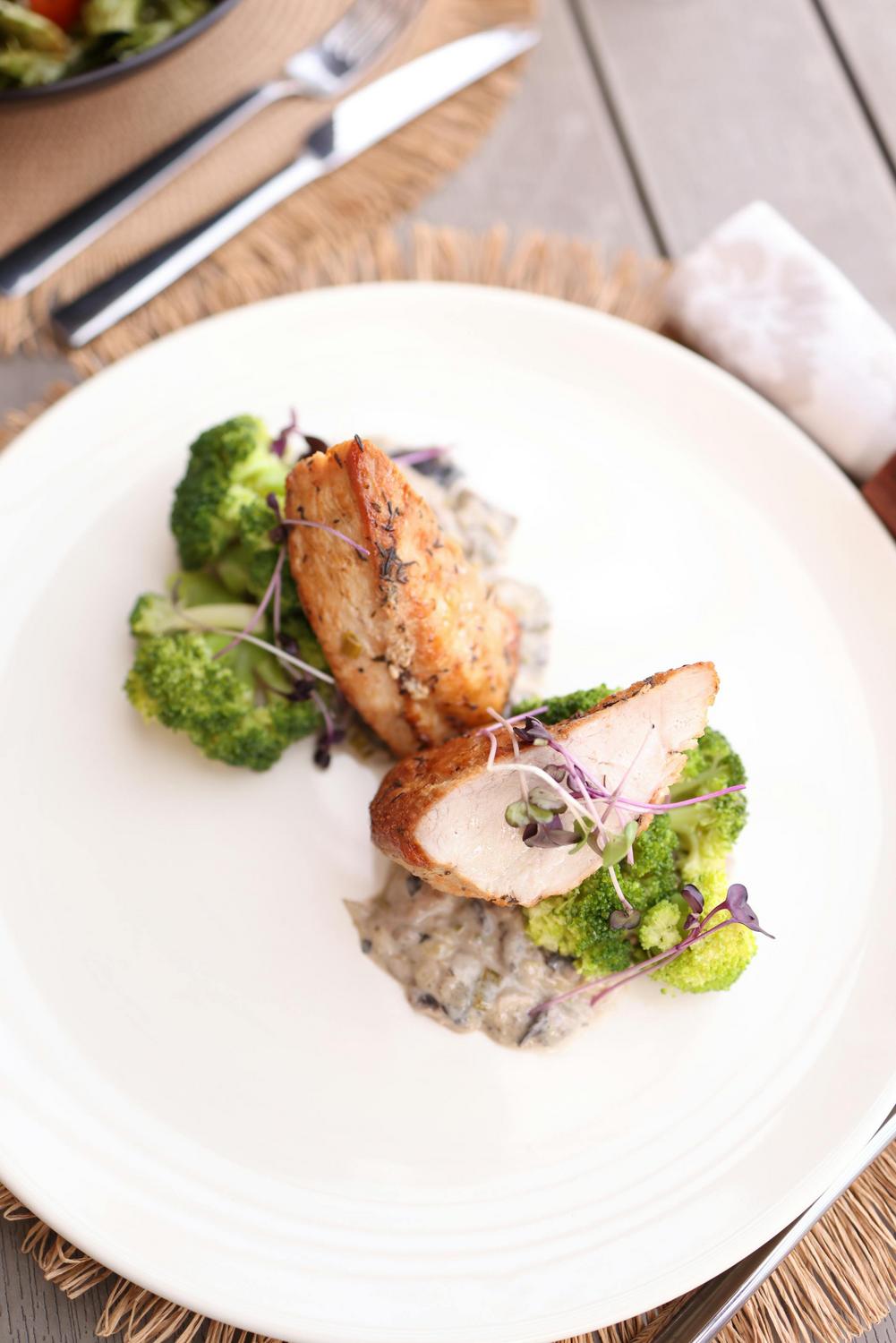
Picture this: your guests arrive for dinner, conversation flows freely, and you’re relaxed and present—not frantically managing pots and pans. Meanwhile, tender, nutrient-rich meat rests perfectly on your counter, surrounded by caramelised vegetables and rich, natural gravy. This isn’t aspirational fantasy; it’s the practical reality of slow roasting for healthy entertaining. Yet many hosts abandon this approach, assuming health-conscious cooking demands constant attention or sacrifices flavour. The science tells a different story.
Why Does Slow Roasting Outperform Other Cooking Methods for Healthy Entertaining?
Slow roasting operates at temperatures between 80-120°C for extended periods, creating a cooking environment fundamentally different from high-heat methods. This gentle heat produces measurable nutritional advantages backed by food science research.
The Journal of Food Science and Biotechnology demonstrates that slow cooking methods retain 70-90% of B vitamins and vitamin C when cooking liquids are consumed with the meal—significantly outperforming boiling or high-heat roasting. More remarkably, certain antioxidants become MORE bioavailable during slow cooking. Lycopene absorption can increase by 80% when tomatoes are slow-cooked with fats, as gentle heat breaks down cell walls without destroying beneficial compounds.
The collagen conversion process represents slow roasting’s transformative advantage. Collagen begins breaking down at approximately 79°C but reaches optimal conversion at 90-95°C. Complete collagen hydrolysis requires 6-10 hours at these temperatures, depending on meat thickness. This thermal process transforms tough connective tissue into gelatin, creating naturally tender, moisture-rich dishes without butter, cream, or high-fat additions.
Mineral content remains particularly stable during slow roasting. Iron, zinc, magnesium, and calcium demonstrate up to 30% less loss compared to boiling methods, with fat-soluble vitamins (A, D, E, K) remaining more stable than during grilling or frying.
The advanced glycation end product (AGE) consideration matters for health-conscious entertaining. Slow roasting at 85-95°C produces 50% fewer AGEs compared to grilling or high-heat broiling. These compounds, formed when proteins or fats combine with sugars under high heat, have been linked to inflammation and metabolic dysfunction in nutrition research.
Comparing Cooking Methods: Nutrient Retention and Health Impact
| Cooking Method | B Vitamin Retention | AGE Formation | Moisture Retention | Mineral Loss |
|---|---|---|---|---|
| Slow Roasting (80-95°C) | 70-90% | Low (50% less than grilling) | 90%+ (closed vessel) | 15-20% |
| High-Heat Roasting (200°C+) | 40-60% | Moderate-High | 60-70% | 25-35% |
| Grilling/Barbecuing | 30-50% | Very High | 50-60% | 30-40% |
| Boiling | 40-60% | Low | 70%+ (if liquid consumed) | 40-50% |
| Deep Frying | 20-40% | Very High | 40-50% | 20-30% |
Data compiled from Journal of Food Science and Biotechnology and National Institutes of Health studies
How Do Slow Roast Recipes Support Weight Management Goals?
Slow-roasted meals align with Australian Dietary Guidelines whilst supporting the physiological mechanisms underlying sustainable weight management. The National Health and Medical Research Council recommends 65g serves of cooked lean red meat for adults, with slow-roasted lean cuts (rump, eye of round, sirloin tip) fitting perfectly within these parameters.
Protein retention creates the foundation for satiety signalling. Slow-roasted meats maintain 26-28g of protein per 100g serving, with all essential amino acids intact. Research demonstrates that protein intake increases fullness perception by up to 30% compared to equivalent calorie amounts of refined carbohydrates. This protein density matters when entertaining guests who may be managing their weight.
The gelatin produced during slow roasting creates unique satiety advantages. This collagen breakdown increases perceived portion size whilst reducing actual caloric density. The Cambridge Journal of Public Health Nutrition published research indicating foods with higher moisture content create greater satiety signals—a natural outcome of slow roasting in sealed environments.
For a 100g serving of lean slow-roasted beef (chuck or rump), fat content averages 12-19g depending on cut and trimming. When slow roasted, approximately 30% of surface fat renders into cooking liquid, naturally reducing meat fat content. Using grass-fed Australian beef adds nutritional value, with up to five times more omega-3 fatty acids than grain-fed alternatives.
Caloric efficiency distinguishes slow-roasted preparations from pan-fried equivalents. Lean slow-roasted cuts provide approximately 160-170 calories per 100g cooked, versus 220-240 for pan-fried cuts. This 30% caloric reduction occurs without compromising flavour or satisfaction—crucial for entertaining where guests expect culinary excellence.
The batch cooking advantage supports weight management through meal preparation consistency. Australian research correlates home cooking frequency with 7.3% greater weight loss outcomes, with slow roasting facilitating advance preparation that reduces reliance on convenience foods.
What Are the Essential Techniques for Perfect Slow-Roasted Meals?
Temperature precision separates exceptional slow-roasted dishes from mediocre attempts. The cooking method varies significantly based on cut selection.
For Tender Cuts
Tender cuts (sirloin, tenderloin, eye of round) require 80-120°C oven temperature with internal temperature targets of 57-62°C for medium-rare. Cooking time ranges from 2.5-4 hours depending on size. This method produces perfectly pink meat with minimal grey band—the overcooked zones that develop during high-heat roasting.
For Tough Cuts
Tough cuts (chuck, brisket, shoulder, short ribs) demand 85-95°C maintained temperature with internal temperature targets of 90-95°C for complete collagen conversion. Cooking time extends to 6-10 hours. Critical understanding: collagen doesn’t fully dissolve below 90°C. Rushing the temperature produces tough rather than tender meat, regardless of cooking duration.
Room temperature meat creates even cooking distribution. Allowing meat to reach room temperature 1-2 hours before cooking ensures uniform temperature distribution, reducing surface overcooking whilst preventing centre undercooking. A 5°C starting temperature versus room temperature (20°C) can reduce grey band formation by up to 40%.
The searing step adds culinary complexity without nutritional compromise. Brief high-heat searing (180-200°C for 2-3 minutes per side) before slow roasting initiates the Maillard reaction, creating over 800 aroma compounds without damaging meat structure. This step contributes approximately 70 flavour compounds that develop depth—critical for entertaining where presentation and taste expectations run high.
Moisture management distinguishes professional-quality results from disappointing outcomes. Low and slow cooking in sealed environments (Dutch ovens, slow cookers with lids) retains over 90% of internal meat juices. Open roasting loses significantly more moisture, making closed-vessel cooking essential for healthy entertaining where juiciness is paramount.
Pre-salting 12-24 hours before cooking breaks down proteins through ionic interactions, promoting even seasoning penetration and improving tenderness by 15-20%. This advance preparation replaces the need for added fats or excessive sodium in sauces, aligning with health-conscious entertaining goals.
Which Ingredients and Combinations Work Best for Slow-Roasted Entertaining?
Vegetable selection requires understanding structural integrity during extended cooking. Root vegetables excel in lengthy slow roasting, whilst leafy greens demand strategic timing.
Root Vegetables for Extended Cooking
Carrots retain 70-90% of beta-carotene whilst becoming naturally sweeter through slow cooking. Potatoes develop more digestible starch structures whilst retaining mineral content. Parsnips concentrate natural sugars, adding richness without refined ingredients. Onions develop deeper umami flavours through extended cooking. Celery, turnips, beetroot, and swede all withstand 8+ hour cooking times successfully.
Strategic Additions for Texture Preservation
Leafy greens (kale, spinach) should be added in the final 20-30 minutes to retain vitamin C. Fibrous vegetables like broccoli and Brussels sprouts can become mushy with extended cooking—add them in the final 45 minutes. Green beans maintain optimal texture when added in the final hour.
Liquid base composition influences both nutrition and flavour. Low-sodium beef or vegetable broth provides essential moisture without excessive sodium—critical for health-conscious entertaining. Wine or vinegar (60-125ml) adds acidity that helps break down collagen whilst preventing over-softening. Water supplements, rather than replaces, flavourful liquids to prevent excessive salt concentration.
Flavour Development Without Added Calories
Hardy herbs (rosemary, thyme) withstand 8-10 hour cooking when added at start. Soft herbs (parsley, basil, dill) preserve bright flavours when added in the final 15 minutes. Whole dried herbs perform better than ground versions, which can become bitter during extended cooking.
Spices develop approximately 50+ aroma molecules during prolonged slow cooking. Paprika, cumin, and black pepper remain stable through long cooking. Turmeric’s anti-inflammatory compound (curcumin) becomes more bioavailable through heating. Six to eight minced garlic cloves (not powder) develop depth over hours.
Umami building without excess fat creates satisfying richness. Tomato paste (1-2 tablespoons) adds glutamates that signal richness. Mushrooms contain natural glutamates—cremini and portobello varieties enhance savoury depth. Low-sodium soy sauce or Worcestershire sauce (1-2 tablespoons) adds umami without significant calories.
How Can You Plan Stress-Free Healthy Gatherings with Slow Roasting?
The practical advantages of slow roasting extend beyond nutrition to address the logistical challenges of entertaining. SBS Food Australia notes that slow cooking represents “the ultimate way to prep nourishing fast food”—when you prepare food in the morning, you return to a hot, healthy meal ready in minutes. This eliminates last-minute cooking stress during entertaining.
Cost-effectiveness matters when feeding groups. Slow-cooking cuts (chuck, brisket, shoulder) cost 30-40% less than premium cuts whilst producing equally impressive results after proper preparation. Electric slow cookers use significantly less energy than ovens—particularly advantageous for Australian summer entertaining when hosts want to avoid heating kitchens.
Make-Ahead Advantages
Australian food safety guidelines permit refrigerated storage for 3-4 days in airtight containers and freezer storage for 60-90 days when vacuum-sealed. Dishes can be cooked 1-2 days before gatherings, refrigerated, then gently reheated before serving. Reheating to 70-75°C via stovetop simmering (rather than microwave) maintains moisture without firming texture.
The resting protocol differs from high-heat roasting. Slow-roasted meat has less carryover cooking due to minimal temperature gradient. Nevertheless, 15-20 minutes resting under foil allows juices to redistribute. Slow-cooked meat at 90°C doesn’t require lengthy rest periods like high-heat roasts, which have 60+ degree internal temperature differences.
Dietary Accommodation
Slow roasting inherently accommodates diverse dietary needs at social gatherings. The base technique applies equally to mushroom-based vegetarian slow roasts or lentil casseroles. Gluten-free requirements are easily met using gluten-free broths and thickeners. Portions can be easily adjusted for guests following different caloric goals. Multiple slow cookers enable simultaneous preparation of meat and vegetarian options from a single preparation session.
Creating Sustainable Healthy Entertaining Patterns
Slow roast recipes for healthy entertaining represent more than a cooking technique—they embody a comprehensive approach to social dining that prioritises nutrition without sacrificing culinary excellence or host wellbeing. The evidence demonstrates clear advantages: 70-90% vitamin retention, 50% fewer harmful compounds compared to grilling, and naturally tender results without excessive fats.
The Australian context supports this approach through dietary guidelines, climate considerations, and entertaining culture. Complete meals emerge from single vessels, providing protein, vegetables, and naturally thickened gravies whilst minimising dishwashing. Hosts can socialise rather than manage cooking, with dishes that accommodate diverse dietary needs from unified preparation.
The weight management alignment extends beyond individual meals to sustainable patterns. High satiety-to-calorie ratios, batch cooking support, and reduced reliance on calorie-dense sauces create eating patterns conducive to long-term health goals. For the 6-10 hours your slow roast develops flavour and tenderness, you remain free to prepare other dishes, set your table, or simply rest before guests arrive.
Food safety considerations remain straightforward: red meat reaches 62.5-63°C minimum internal temperature, poultry requires 74°C, with temperatures measured at the thickest point using leave-in thermometers. These guidelines from Australian Food Safety Standards and USDA ensure both safety and quality.
The technique accommodates gatherings from intimate dinners to large parties. Three slow cookers produce food for 20+ guests, with dishes maintaining quality on “warm” setting for 2+ hours without degradation. This scalability, combined with advance preparation capability, transforms entertaining from stressful obligation to enjoyable social experience.
How far in advance can I prepare slow-roasted dishes for entertaining?
Slow-roasted dishes can be prepared 1-2 days before your gathering and stored refrigerated in airtight containers for 3-4 days according to Australian food safety guidelines. Reheat gently to 70-75°C using stovetop simmering rather than microwave to maintain moisture. For longer storage, vacuum-sealed portions last 60-90 days frozen.
What internal temperature should I target for different slow-roasted meats?
Tender cuts (sirloin, eye of round) should reach an internal temperature of 57-62°C for medium-rare after 2.5-4 hours at 80-120°C. Tough cuts (chuck, brisket, shoulder) require an internal temperature of 90-95°C for complete collagen conversion after 6-10 hours at 85-95°C. Poultry should reach at least 74°C. It is best to use leave-in thermometers to measure the thickest part of the meat.
Can slow roasting accommodate vegetarian guests at the same gathering?
Yes, slow roasting techniques apply equally to mushroom-based roasts, vegetable stews, or lentil casseroles. You can prepare separate slow cookers—one for meat and one for vegetarian options—using similar temperature guidelines and timing adjustments.
How does slow roasting compare nutritionally to grilling for health-conscious entertaining?
Slow roasting retains 70-90% of B vitamins compared to grilling’s 30-50% retention, while producing around 50% fewer advanced glycation end products (AGEs). Additionally, mineral loss is reduced and moisture retention is significantly higher in slow roasting, providing a nutritional advantage without sacrificing flavour.
What’s the most cost-effective approach to slow roasting for large gatherings?
Opt for slow-cooking cuts such as chuck, brisket, or shoulder which cost 30-40% less than premium cuts yet produce equally tender results when prepared correctly. Using electric slow cookers instead of ovens can further reduce energy costs, especially during warm weather.