

The aroma of freshly baked biscuits wafting through your kitchen shouldn’t require compromising your health goals. Yet for the 63.4% of Australians managing their weight, traditional baking presents a significant challenge. With the average Australian consuming 57.8 grams of free sugars daily – more than double the World Health Organisation’s recommended limit – mastering sugar-free baking tips and tricks has become essential for sustainable weight management.
Why Does Sugar-Free Baking Matter for Weight Management?
Sugar performs multiple functional roles in baking beyond sweetness, making its reduction more complex than simple omission. Research demonstrates that sugar contributes to browning reactions through the Maillard process, traps air when creamed with butter for leavening, retains moisture to prevent drying, and affects overall texture and structure.
The health implications of excessive sugar consumption extend well beyond weight gain. According to international research, global consumption now exceeds 500 calories per day from added sugar alone – tripling over the past five decades. This consumption pattern correlates with obesity, type 2 diabetes affecting 4.4% of Australians, cardiovascular disease, dental caries, and metabolic syndrome.
The Australian Dietary Guidelines specifically recommend “limiting intake of foods and drinks containing added sugars such as confectionery,” positioning sugar reduction as foundational to health improvement. For individuals engaged in medical weight management programmes, learning sugar-free baking tips and tricks provides sustainable lifestyle modifications that complement clinical interventions.
Nearly 90% of Australians exceed the WHO’s recommendation to limit free sugars to 5% of total daily energy intake (approximately 25 grams per day). Reducing sugar through informed baking practices addresses this public health concern whilst maintaining dietary enjoyment – a critical factor in long-term adherence to healthier eating patterns.
What Are the Best Sugar Substitutes for Australian Home Bakers?
Selecting appropriate sweeteners requires understanding their unique properties, health implications, and baking performance characteristics. The research identifies several categories of sugar alternatives, each with distinct advantages and limitations.
Natural Sweeteners With Nutritional Benefits
Whole fruits – whether fresh, frozen, dried, or puréed – provide natural sweetness whilst contributing fibre, vitamins, minerals, and antioxidants. Ripe bananas, apples, dates, and mango work exceptionally well in moist cakes, quick breads, and muffins. When using fruit purées, reduce other liquid ingredients by approximately 60 millilitres per 240 millilitres of purée and add an additional 2.5 millilitres of baking powder.
Date-based sweeteners retain significant fibre content and bioactive compounds including polyphenols, tannins, and carotenoids. Research indicates dates contain 60-75% total sugars by dry weight alongside 5-8% fibre, making them nutritionally superior to refined sugar whilst maintaining excellent baking performance.
Honey contains approximately 38% fructose and 30% glucose, plus more than 200 additional components including B vitamins, minerals, and enzymes with antioxidant properties. Its natural antimicrobial properties extend shelf life, whilst its moisture-retention capabilities improve texture. For every 240 millilitres of sugar replaced with honey, reduce other liquids by 60 millilitres and lower oven temperature by approximately 15°C to prevent over-browning.
Sugar Alcohols for Traditional Baking Results
Xylitol measures on a 1:1 ratio with sugar, making conversions straightforward. With 40% fewer calories than sugar and minimal blood glucose impact, xylitol offers significant metabolic advantages. It retains moisture exceptionally well, producing ideal results in cakes and sweet breads. However, xylitol proves highly toxic to dogs – requiring extreme caution in households with pets.
Erythritol provides nearly zero calories with zero glycemic impact, making it suitable for blood sugar management. At 60-70% the sweetness of sugar, recipes require approximately 30% more erythritol for equivalent sweetness. Heat-stable up to 160°C, it performs well in most baking applications. The powdered form prevents crystallisation in frostings and provides smoother textures.
Both sugar alcohols may cause digestive discomfort when consumed in large quantities. Begin with smaller amounts to assess individual tolerance.
High-Intensity Sweeteners for Calorie Reduction
Stevia extract, derived from Stevia rebaudiana leaves, provides 200-400 times the sweetness of sugar with zero calories and no glycemic impact. Research confirms steviol glycosides are heat-stable and suitable for baking. Start with 0.6-1.2 millilitres of stevia powder per 240 millilitres sugar equivalent, as potency varies significantly between products.
Monk fruit extract delivers 100-250 times sugar’s sweetness without calories or carbohydrates. Its active compounds – mogrosides – possess antioxidant properties and may support blood glucose regulation. Commercial products frequently blend monk fruit with erythritol at 1:1 ratios, adding bulk and improving texture. Use approximately 1.2-2.5 millilitres per 240 millilitres sugar equivalent.
Allulose represents a breakthrough in sugar alternatives, behaving most similarly to traditional sugar. At 70% the sweetness of table sugar with only 0.2 calories per gram, allulose provides browning through Maillard reactions whilst maintaining proper texture and structure. Its high melt point and creamy texture make it ideal for confections requiring caramelisation.
How Do You Adjust Traditional Recipes for Sugar-Free Baking?
Successful sugar-free baking requires systematic adjustments addressing sugar’s multiple functional roles. Initial attempts should replace no more than 50% of sugar, allowing gradual familiarisation with alternative sweeteners’ behaviours.
Liquid Adjustments and Leavening Modifications
When incorporating liquid sweeteners such as honey, maple syrup, or fruit purées, reduce other liquid ingredients by 60 millilitres for every 240 millilitres of liquid sweetener added. Increase baking powder by 2.5 millilitres per 240 millilitres of purée to compensate for additional weight affecting rise.
For vegetable-based moisture contributors like grated carrots, courgettes, or puréed sweet potato, pat excess moisture thoroughly before incorporation. Consider replacing 60 millilitres of flour with 15 millilitres coconut flour when using vegetable purées, as coconut flour’s superior absorbency prevents sogginess.
Texture and Structure Optimisation
Sugar alcohols and high-intensity sweeteners lack sugar’s bulk-contributing properties. To address potential dryness, incorporate moisture-rich ingredients such as Greek yoghurt, applesauce, or coconut oil. Add 1.25 millilitres xanthan gum per 240 millilitres of sweetener to improve texture and crumb structure.
When creaming butter with granulated sweeteners, extend beating time beyond traditional recipes. The mechanical incorporation of air becomes more critical when sugar’s natural leavening contribution decreases. Ensure all leavening agents remain fresh – expired baking powder or bicarbonate of soda significantly compromises rise in sugar-free applications.
Browning and Flavour Enhancement
Many sugar alternatives fail to produce the golden-brown colour associated with quality baked goods. To compensate, brush surfaces with milk or egg wash before baking. Increase oven temperature slightly (monitoring carefully for burning) or extend baking time moderately.
Allulose provides superior browning compared to other alternatives, making it valuable even in small quantities combined with other sweeteners. A 50/50 blend of allulose and erythritol often delivers optimal results – browning capability from allulose with erythritol’s bulk and sweetness.
Enhance perceived sweetness without additional sweeteners through vanilla pods (scraping seeds directly into batter), citrus zest, warm spices like cinnamon and cardamom, quality extracts, and a small pinch of sea salt. These flavour enhancers create complexity whilst amplifying existing sweetness.
What Common Mistakes Should You Avoid in Sugar-Free Baking?
Understanding frequent pitfalls prevents disappointing results and wasted ingredients. Research and practical experience identify several recurring challenges in sugar-free baking applications.
Incorrect Measurement and Conversion
Different sweeteners possess varying densities, making volume measurements unreliable. A kitchen scale measuring in grams provides accuracy essential for consistent results. Many sweeteners require different quantities for equivalent sweetness – using incorrect ratios produces either insipid or excessively sweet products.
Sweetener conversion charts prove invaluable, but individual taste preferences vary. Always taste batter or dough (when safe) before committing to full recipes. Remember that heat intensifies some sweeteners’ flavours whilst diminishing others.
Ignoring Moisture Balance
Sugar attracts and retains water, contributing to moist texture and extended shelf life. Sugar-free alternatives frequently lack this hygroscopic property, resulting in dry, crumbly outcomes. Solutions include adding extra moisture sources, storing baked goods in airtight containers immediately after cooling, and wrapping individual portions in parchment for refrigeration or freezing.
Date-based sweeteners and fruit purées naturally contribute moisture, making them excellent choices for novice sugar-free bakers. Gradually progress to drier alternatives as technique improves.
Attempting Complex Recipes Initially
Beginning sugar-free baking with elaborate multi-layered cakes or delicate pastries invites frustration. Instead, master fundamentals through simple quick breads, muffins, or biscuits. These forgiving recipes tolerate minor adjustments whilst building confidence in sweetener behaviours.
Document successful substitutions meticulously. Note specific brands, quantities, adjustments made, and results achieved. This personalised reference eliminates repeated trial-and-error.
Neglecting Digestive Tolerance
Sugar alcohols may cause bloating, wind, and diarrhoea when consumed in large amounts, particularly for individuals unaccustomed to these compounds. Introduce sugar alcohols gradually, beginning with modest portions. Monitor personal tolerance before serving sugar-free treats to guests who may lack familiarity with potential effects.
Over-Baking
Sugar-free baked goods often require less baking time than traditional recipes. Begin checking for doneness 5-10 minutes earlier than original timing suggests. Over-baking exacerbates dryness issues inherent in reduced-sugar applications.
Which Sweeteners Work Best for Different Baked Goods?
Matching sweeteners to specific applications optimises results whilst minimising frustration. The following evidence-based recommendations guide sweetener selection:
Comparison of Sweeteners by Baking Application
| Baked Good | Recommended Sweeteners | Key Considerations |
|---|---|---|
| Cakes | Allulose, erythritol-monk fruit blends, honey | Maintain moisture; provide sufficient structure; may need slightly longer baking time |
| Biscuits | Xylitol, erythritol-monk fruit blends | Create proper texture and browning; flatten before baking; reduce time by 3-5 minutes |
| Breads | Honey, monk fruit blends, date syrup, maple syrup | Support yeast activity; enhance browning; proofing may take longer |
| Custards/Puddings | Allulose, powdered sweetener blends | Dissolve completely; don’t interfere with setting; smooth texture |
| Frostings | Powdered erythritol, monk fruit blends | Prevent crystallisation; smooth consistency; mask cooling sensation |
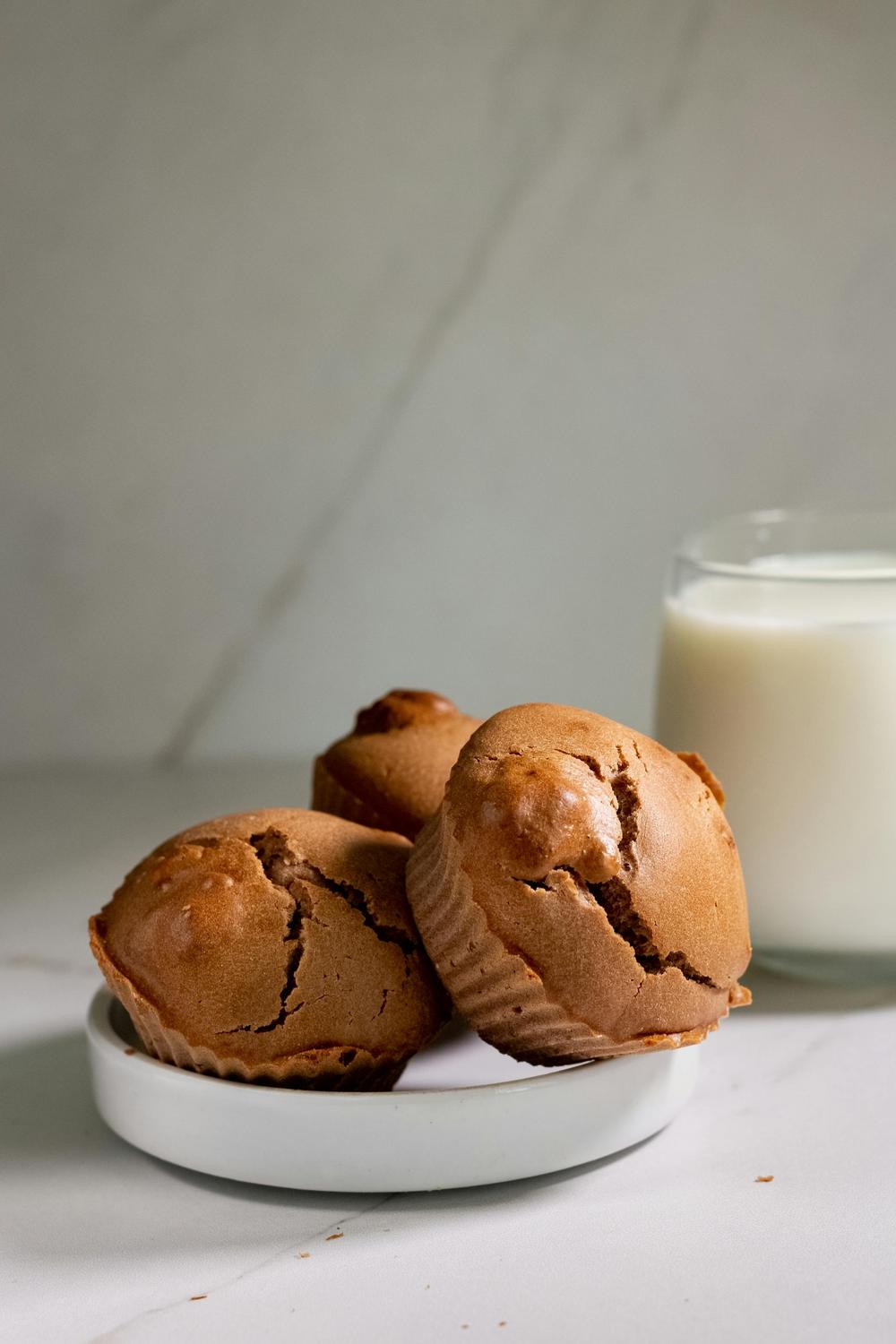
| Muffins | Fruit purées, honey, date sugar | Add moisture naturally; incorporate fibre; maintain structure |
Cakes benefit from sweeteners maintaining moisture throughout storage. Allulose performs exceptionally well, closely mimicking sugar’s behaviour whilst contributing minimal calories. Honey adds natural preservative qualities extending shelf life – particularly valuable for cakes intended for consumption over several days.
Biscuit recipes require sweeteners providing structure without excessive moisture. Xylitol’s 1:1 conversion ratio simplifies recipes whilst producing appropriate texture. Flatten biscuits before baking, as sugar alternatives don’t spread identically to traditional sugar.
Yeast breads present unique challenges, as yeast ferments sugar for rise and flavour development. Honey and date syrup provide fermentable sugars supporting proper proofing, though expect slightly longer rising times. The minimal quantities required in most bread recipes make natural sweeteners practical choices.
Custards and puddings demand sweeteners dissolving completely without graininess. Powdered forms of erythritol or monk fruit blends integrate smoothly, whilst allulose provides clean sweetness without interfering with egg-based setting processes.
Frostings historically challenge sugar-free bakers due to crystallisation issues. Powdered erythritol combined with monk fruit extract prevents graininess whilst delivering appropriate sweetness. Alternatively, cream cheese-based frostings stabilised with stevia offer lower-sugar alternatives to traditional buttercream.
Mastering Sugar-Free Baking for Long-Term Success
Successful integration of sugar-free baking tips and tricks into daily life requires patience, experimentation, and realistic expectations. Unlike following traditional recipes with predictable outcomes, sugar-free baking demands active problem-solving and adjustment based on results.
Begin by establishing a core pantry of versatile sweeteners – perhaps erythritol-monk fruit blend for general use, honey for moisture-dependent applications, and fruit purées for nutritional enhancement. As confidence develops, expand to specialty options like allulose for advanced techniques requiring caramelisation.
Document successes and failures equally. Understanding why particular combinations failed provides valuable learning, whilst recording successful modifications creates personalised references eliminating repeated trial-and-error. Many successful sugar-free bakers maintain detailed journals tracking brands, quantities, techniques, and outcomes.
Consider the broader context of weight management and metabolic health. Sugar-free baking represents one component of comprehensive lifestyle modification – not a standalone solution. When combined with evidence-based medical weight management approaches, dietary modifications including sugar reduction support meaningful health improvements.
The Australian health landscape increasingly recognises sugar reduction’s importance. With nearly 90% of Australians exceeding WHO recommendations for free sugar intake, mastering practical sugar-free alternatives addresses both individual and public health priorities. These skills support sustainable behaviour change – the foundation of successful weight management.
For individuals requiring structured support beyond dietary modifications alone, professional medical guidance provides additional resources. Evidence demonstrates that comprehensive approaches combining lifestyle education with clinical expertise deliver superior outcomes compared to isolated interventions.
Can I use artificial sweeteners for all my baking needs?
Artificial sweeteners work well for specific applications but don’t universally replace sugar in all recipes. Most lack sugar’s bulk-contributing properties and browning capabilities. Combining them with bulk agents like applesauce or using blended products designed for baking often yields better results.
How do sugar-free baked goods affect blood glucose levels?
The impact varies by sweetener. Sugar alcohols like xylitol and erythritol typically produce minimal blood glucose response, while high-intensity sweeteners such as stevia, monk fruit, and allulose have negligible glycemic effects. However, natural sweeteners like honey may have a slightly lower glycemic index than regular sugar but still influence blood sugar levels.
Why do my sugar-free biscuits turn out dry and crumbly?
The absence of sugar, which naturally retains moisture, often leads to dryness. Adjustments such as adding moisture-rich ingredients (e.g., Greek yoghurt or applesauce), incorporating humectant sweeteners like honey, or reducing baking time by a few minutes can help achieve a moister texture.
Are sugar alcohols safe for children and pregnant women?
Sugar alcohols are generally recognized as safe for most individuals when consumed in moderation. However, they may cause digestive discomfort in large amounts. For children, especially those under two years of age, and for pregnant women, it is wise to use them sparingly and consult healthcare providers if there are concerns.
How long do sugar-free baked goods stay fresh compared to regular recipes?
Sugar-free baked goods typically have a shorter shelf life due to the lack of sugar’s preservative properties. To maintain freshness, store them in airtight containers, consider refrigeration, or add natural preservatives like honey to extend shelf life. Generally, they are best consumed within 3-5 days.